

We may earn a commission when you buy through links on this page, at no extra cost to you. Learn more.
This wine smoothie recipe blends dry rosé with frozen berries, peach, and lemon into a cold, fruit-forward wine cocktail you can make at home in about 10 minutes. The recipe makes four small servings and relies on frozen fruit for body, so it does not need a large scoop of ice. A little lemon keeps the berry flavors lively, while optional agave lets you adjust the sweetness without burying the wine. Serve it straight from the blender for the best texture.
A wine smoothie sits between a fruit smoothie and a frozen wine cocktail: it has the thick texture of blended fruit, but the wine remains part of the flavor rather than disappearing behind juice or syrup. The most dependable approach is to start with a crisp, fruit-forward wine, use frozen fruit, and make small adjustments after the first blend. The recipe below is designed as a flexible base for berries, peaches, and other ripe fruit.
What Makes a Wine Smoothie Work
A good wine smoothie needs three things in balance: enough frozen fruit to thicken the drink, enough acidity to keep the fruit from tasting flat, and a wine whose flavor can stand alongside the fruit. Start with chilled rosé and frozen berries for an easy first batch; the fruit supplies texture while the wine brings acidity, aroma, and a gentle alcoholic warmth.
Frozen fruit is especially useful because it chills and thickens the mixture at the same time. In a side-by-side smoothie comparison, Serious Eats found that frozen berries made thicker, creamier drinks than fresh berries, partly because ice crystals formed during freezing weaken the fruit’s cell walls. Those softened particles help create a slushy body when blended. Using frozen fruit also avoids the extra water that melting ice can add, which can dilute both the wine and the fruit flavor.
Fresh fruit can still be the best choice when it is ripe, fragrant, and in season. Serious Eats found that excellent fresh raspberries could taste brighter than frozen ones, while frozen blueberries sometimes had more concentrated flavor than out-of-season fresh berries. Buy the best-tasting fruit available, then freeze it in a single layer if you want a thicker texture.
Think of wine as an ingredient with its own structure. A very sweet wine can make ripe fruit taste heavy, while a highly tannic red can turn bitter beside fruit and citrus. For a first try, choose a dry rosé with red-berry or citrus notes.
Ingredients and Ratios for a Berry Rosé Blend
This recipe uses 1½ cups of dry rosé with 3 cups of frozen fruit, enough for four modest servings. Strawberries and raspberries create a familiar berry profile, while frozen peach softens the sharp edges and adds a rounder texture.
Use the quantities below as the starting formula. The lemon juice is deliberately modest: it brightens the mixture, but too much can make the drink taste sharp. Begin with 1 tablespoon of agave, then add more only after tasting, since the sweetness of frozen fruit varies by brand and ripeness.
| Ingredient | Amount | Purpose |
|---|---|---|
| Dry rosé, chilled | 1½ cups (12 fl oz) | Wine base and acidity |
| Frozen strawberries | 1½ cups | Berry flavor and body |
| Frozen raspberries | 1 cup | Tartness, color, and thickness |
| Frozen peach slices | ½ cup | Rounder fruit flavor and soft texture |
| Fresh lemon juice | 1 tablespoon | Brightens the finish |
| Agave nectar | 1 tablespoon, plus more if needed | Optional sweetness |
| Fresh mint | 4 to 6 leaves, optional | Fresh aromatic garnish |
Choose unsweetened frozen fruit rather than fruit packed in syrup, which makes the final balance harder to control. If your berries are already sweet, leave out the agave at first; if they are tart, add another teaspoon only after tasting.
The recipe skips yogurt, milk, and cream because dairy can mute the wine’s acidity. Add extra peach or a little vanilla for a softer, dessert-like version. White grape juice or sparkling water can replace the wine for a nonalcoholic variation.
How to Make the Wine Smoothie Recipe
Blend the chilled wine and lemon juice with the frozen fruit, then make small corrections to the thickness and sweetness. The sequence matters: liquid around the blades helps the fruit move, while adding the frozen ingredients gradually makes it easier to stop at a thick but pourable consistency.
- Chill the ingredients. Keep the rosé in the refrigerator and use fruit straight from the freezer. For an especially cold serve, chill four glasses in the refrigerator for 15 to 20 minutes.
- Start with the liquid. Pour 1½ cups of rosé and 1 tablespoon of lemon juice into the blender. Add 1 tablespoon of agave only if you already know your fruit is tart.
- Add the fruit. Add the frozen strawberries, raspberries, and peaches. If your blender is small, add the fruit in two batches rather than packing the jar above its fill line.
- Blend until smooth. Pulse a few times to break up the largest pieces, then blend on medium-high for about 30 to 45 seconds. Stop once to scrape down the sides if fruit is sticking above the blades.
- Adjust and serve. Taste a spoonful. Add more lemon for freshness, a teaspoon of agave for sweetness, or a splash of chilled rosé if the mixture is too thick. Blend for another 5 to 10 seconds, pour into four glasses, and garnish with mint or a berry.
The drink should pour in a thick ribbon. If the blender stalls, add chilled wine 1 tablespoon at a time; if the mixture is loose, add ¼ cup frozen berries. This preserves flavor better than adding ice, which melts and dilutes the drink.
A standard blender works if you blend in batches and use the pulse setting to move the fruit. Turn it off before scraping the sides, and stay below the jar’s maximum fill line. Serve as soon as it is blended; it does not need to rest like sangria.
Choose Wine and Fruit Combinations That Match
Dry rosé is the easiest starting point because its red-fruit character can connect strawberries and raspberries, while its freshness helps balance peach. You can switch the wine, but match its weight and acidity to the fruit: bright whites suit citrus and tropical fruit, while lighter reds work best with cherries and dark berries.
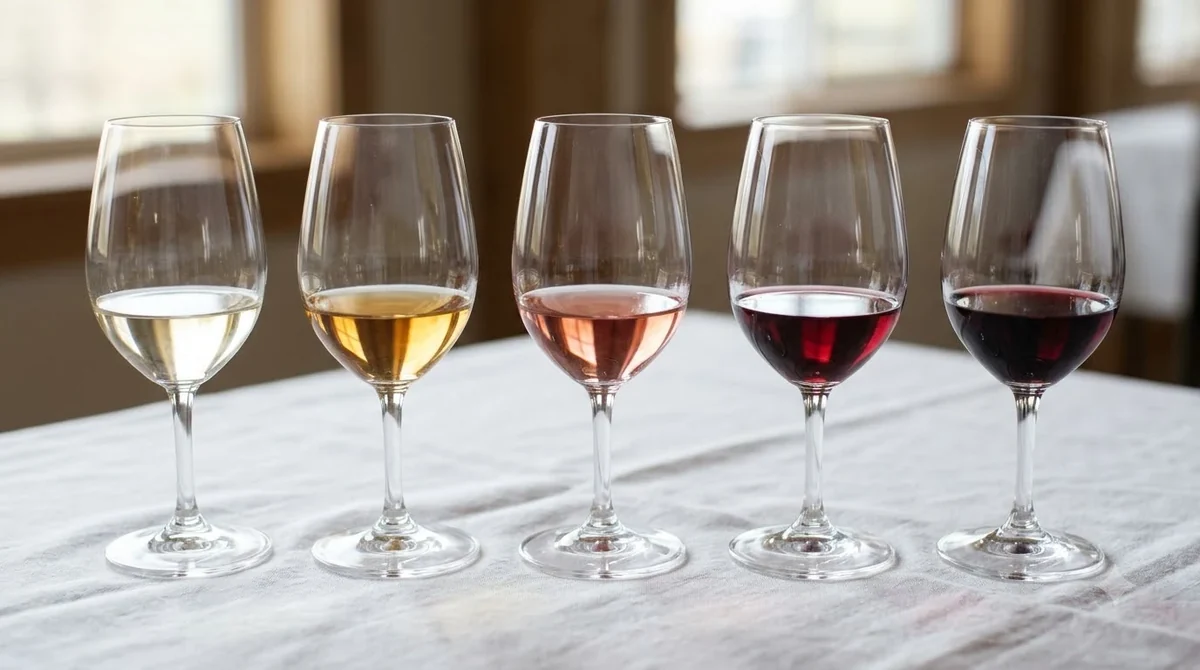
For a berry blend, look for rosé with fresh strawberry, raspberry, or citrus character. A Rioja rosé is one option; the Wine Enthusiast’s San Jose Frosé recipe uses Rioja rosé for its deeper color without excessive sweetness and recommends choosing a bottle you already enjoy by the glass. That recipe combines rosé with lemonade, lemon juice, and simple syrup, showing how a frozen wine drink can keep the wine’s identity while adding fruit and acidity. Its method is different from this smoothie, but the same principle applies: the wine should taste good before it goes into the blender.
For a white-wine version, use Sauvignon Blanc with pineapple, mango, peach, or citrus. Sauvignon Blanc’s high acidity works well with fruit that has a tangy edge, and its citrus notes can make a tropical blend taste crisp instead of cloying. A richer Chardonnay can suit peach and ripe pear, though its medium acidity may need help from lemon if you include very tart berries. Avoid piling highly acidic fruit on top of a soft, low-acid wine; the fruit can make the wine taste dull.
For a red-wine version, choose a fruit-forward, lower-tannin style such as Pinot Noir or Gamay, with frozen cherries, blackberries, and a little orange. Liquor.com recommends dry, high-acid, low-tannin reds for sangria, including Gamay, Pinot Noir, Zweigelt, Grenache, and some Barbera styles; Cabernet Sauvignon and many Syrah-based wines are usually too tannic for this blend. For peach and ginger, use Chardonnay, frozen peaches, lemon, and a pinch of grated ginger. Keep ginger restrained, and reduce the liquid if using watermelon because it releases plenty of water as it softens.
Balance Sweetness, Acidity, and Texture
The best adjustment is usually a small one: taste before adding sweetener, then correct the finish with lemon or a little more fruit. Fruit ripeness changes the recipe more than most people expect, so treat the listed agave amount as a starting point rather than a fixed requirement.
Sweetness can hide acidity, while acidity makes a blended drink feel fresher. If the mixture tastes flat, add lemon juice ½ teaspoon at a time. If it tastes sharply sour, add a little peach or agave rather than more wine. For a sweeter, dessert-like blend, choose an off-dry rosé or Riesling, or reduce the amount of tart raspberries. The wine should be at least as sweet as the finished dessert-style drink; a very dry wine can seem thin beside a heavily sweetened fruit blend.
Keep tannin in mind if you experiment with reds. Tannin creates a drying sensation and can read as bitterness beside fruit pulp, citrus, and sweetener. Salt and fat soften tannin at the table, but they cannot fully fix a smoothie built around an aggressively tannic wine. Choose a softer red, and save Cabernet Sauvignon or structured Syrah for another occasion.
Fruit affects texture as much as freezing does. Serious Eats cites approximately 8 grams of fiber per cup of raspberries compared with roughly 3 grams per cup of strawberries, which helps explain why raspberry-heavy blends feel thicker. Banana adds creaminess but browns more quickly after blending. When fresh fruit is all you have, freeze it for at least 4 hours or combine it with frozen berries; using all fresh fruit and ice gives a lighter, more diluted result.
Tip: Freeze ripe fruit in a single layer before storing it in a sealed bag. That makes ½-cup or 1-cup portions easy to measure and keeps the fruit from freezing into one block that strains a home blender.
Serving, Storing, and Food Pairings
Serve the smoothie as soon as it is blended, while the fruit is still frozen and the texture is at its thickest. For a rosé base, standard wine service is around 45 to 50°F, but the blended drink will be colder because of the frozen fruit; use chilled glasses and avoid leaving the pitcher on a warm table for a long stretch.
Serve as soon as the smoothie is blended, while the fruit is still frozen and the texture is thickest. Standard rosé service is around 45 to 50°F, but the drink will be colder because of the frozen fruit; pour into chilled wine glasses, stemless glasses, or coupes and garnish with a berry or mint. Each of the four servings contains 3 fluid ounces of wine before any variation, so tell guests clearly that it is a cocktail, even though it resembles a fruit smoothie.
Pair a berry rosé smoothie with mild goat cheese, Brie, grilled chicken, or almond shortbread; its fruit and acidity complement creamy cheese and lightly salted snacks. A Sauvignon Blanc and pineapple version suits citrusy shrimp, fresh herbs, or grilled vegetables. A Pinot Noir and cherry blend can accompany mushroom crostini, roast turkey, or soft cheese. Match acidic food with equal or higher wine acidity, avoid tannic reds with oily fish, and keep very spicy food away because chili heat can amplify alcohol and tannin. Salt and fat soften tannin, making salted nuts or creamy cheese more forgiving with a red-fruit version.
Serve immediately for the best texture. To hold it briefly, cover the jar or transfer the smoothie to a sealed pitcher and refrigerate for up to 1 hour; stir or pulse before pouring because fruit and liquid can separate. For a party, portion and freeze the fruit the day before, chill the wine, and blend just before guests arrive. Unused still wine can be kept refrigerated for 3 to 5 days after opening; that window applies to the wine, not the finished smoothie. For more ideas, try a port and tonic recipe, a red wine hot chocolate recipe, or a sherry cocktail recipe, and browse the Wine Recipes & Cocktails collection. For blending technique, see the Serious Eats comparison of fresh and frozen smoothie fruit; for choosing wine, Liquor.com’s classic sangria guide explains why high acidity and lower tannin help when wine is mixed with fruit.
Frequently Asked Questions
These answers cover common substitutions and serving questions that come up after the basic method is clear. Keep the same starting ratio, then adjust only one ingredient at a time so you can tell what changed.
Can I make a wine smoothie without a high-speed blender?
Yes. Use a standard blender with a sturdy jar, work in two batches, and let very large frozen fruit pieces sit for 2 minutes before blending. A food processor can also make a thicker, more textured drink, although it may not produce the same smooth finish.
Can I use sparkling wine in this recipe?
You can, but much of the carbonation disappears during blending. Use a dry sparkling rosé or sparkling wine, add it after the fruit is mostly blended, and pulse briefly; this preserves a little more lift than blending it at high speed from the beginning.
Can I make individual servings instead of a full batch?
Yes. Divide every ingredient quantity by four for one small serving, or keep a 1-to-2 ratio of wine to frozen fruit by volume as a simple starting point. Small blender jars may need a minimum batch size so the blades can catch the fruit properly.
Will the smoothie stain glassware or clothing?
Raspberries and strawberries contain pigments that can leave temporary marks on porous surfaces and light fabrics. Rinse the blender jar and glasses promptly with cool water, and wash cloth napkins before the berry residue dries.
Can I make a frozen wine smoothie into popsicles?
You can pour the mixture into small molds, but alcohol lowers the freezing point, so the pops may remain softer than ordinary fruit popsicles. Use a fruit-forward blend with less wine, freeze the molds thoroughly, and expect a slushy rather than rock-hard result.
A balanced wine smoothie should taste recognizably like both wine and fruit, not like juice with alcohol added. Start with the berry rosé formula, keep the fruit frozen, and adjust acidity or sweetness in small steps. Once that base feels familiar, switch the wine and fruit together to create a version that fits the season and the food on the table.
More in Food & Wine Pairing
 Risotto With White Wine Recipe: Make a Creamy Dinner at HomeUpdated Nov 20, 2026
 Wassail With Wine Recipe for a Festive Spiced Holiday DrinkUpdated Nov 20, 2026
 Spritz Veneziano Recipe: Make a Classic Venetian Aperitivo at HomeUpdated Nov 20, 2026
 Summer Wine Punch Recipe for Easy Homemade EntertainingUpdated Nov 20, 2026
 Bishop Recipe: How to Make a Bright, Citrus-Forward Red Wine CocktailUpdated Nov 20, 2026
 Wine Cupcakes Recipe: Bake Rich Chocolate Cupcakes at HomeUpdated Nov 20, 2026