

We may earn a commission when you buy through links on this page, at no extra cost to you. Learn more.
Wine pairing with charcuterie works best with wines that have bright acidity, because the salt and fat in cured meats and cheese need a crisp, clean partner. Medium-bodied reds such as Pinot Noir or Sangiovese-based wines, dry rosés, and sparkling wines are reliable choices. Bolder reds can work with the richer, smokier items on the board, while crisp whites suit lighter meats and soft cheeses.
A charcuterie board is one of the easiest ways to serve wine to a group, but the range of salami, cheese, bread, pickles, and fruit can make the choice feel harder than it is. This guide explains why these foods work together, which wines suit different boards, and how to match the bottle to the mix of meats and cheeses in front of you.
Why cured meats and wine work so well together
Charcuterie is a branch of French cooking built around pork-based prepared meats such as bacon, ham, sausage, terrines, and pâtés. Many of these products were first made to preserve meat before refrigeration, and today their flavor comes largely from that salt, curing, and drying. Salty, fatty foods tend to taste heavier on their own, and wine helps reset the palate between bites.
Acidity is the main tool. A wine with bright acid cuts through fat and makes salty meat feel lighter, while tannin can bind to proteins and fat so the wine feels smoother. The best boards balance these effects, so the wine refreshes the palate instead of competing with the meat. A wine that is too tannic or too oaky tends to fight the salt, while a wine that is too sweet can make cured meat taste flat, so aim for dry bottles with clean fruit.
What wine goes best with charcuterie?
Start with the meat that dominates the board. Fresh sausages and mild cooked meats suit lighter wines, while fermented, dry-cured items such as salami or saucisson hold up to a fuller red. Terrines and pâtés are rich and smooth, so they pair well with wines that have enough acid to keep the palate clean.
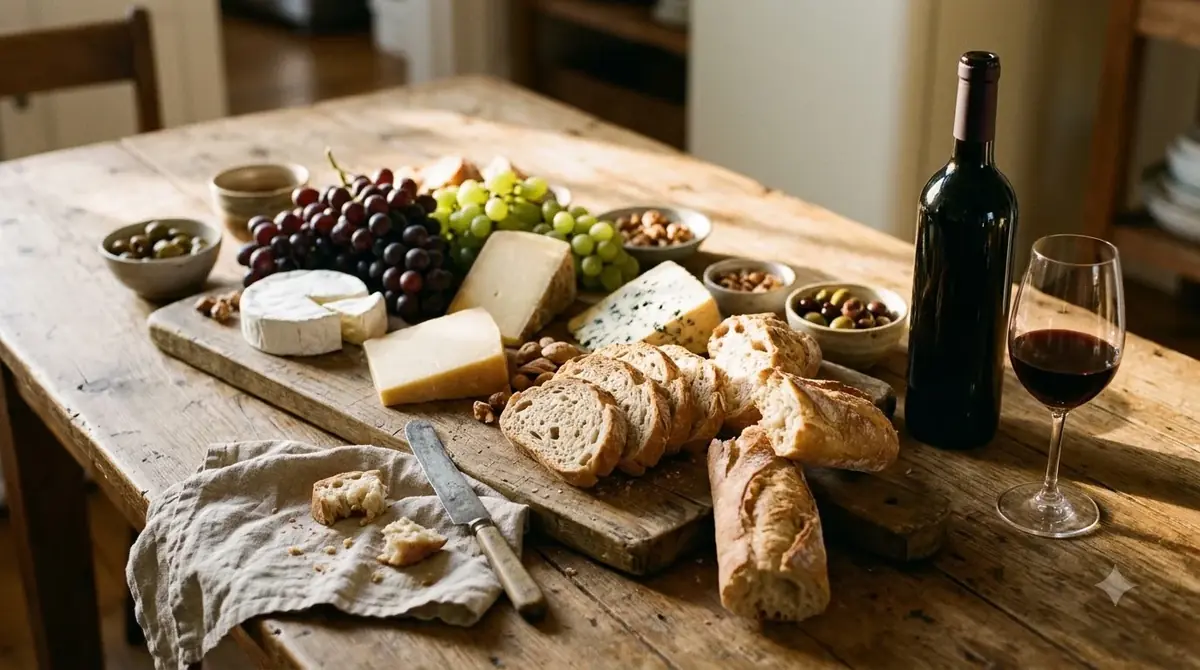
For a board that mixes several meats, choose one wine that can handle the range. Pinot Noir is a useful pick for this purpose. Wine Folly’s Pinot Noir profile calls it a catch-all food pairing wine, and its acidity and light tannin suit a variety of cured meats and cheeses without overwhelming them.
Syrah and other fuller reds belong on boards with smoked meats, peppered salami, and sharp, aged cheese. Their spice and structure stand up to smoke, while the same bottle can overwhelm a plate of mild ham. Match the weight of the wine to the strongest item on the board, not the average, and the rest of the plate usually follows.
| Board style | Wine that fits | Why it works |
|---|---|---|
| Mild ham and fresh cheese | Crisp white or dry rosé | Light body and fresh acidity match delicate flavors |
| Salami and aged hard cheese | Medium-bodied red | Acidity and moderate tannin handle salt and fat |
| Smoked meats and bold cheese | Fuller red such as Syrah | Spice and structure stand up to smoke |
| Pâté, terrine, and fruit | Sparkling wine | Bubbles cut richness and suit fruit and nuts |
| Mixed board for a group | Pinot Noir or a dry rosé | Versatile acidity and light style |
Red or white wine with charcuterie: which works better?
The answer depends on the board, but reds often have the edge on salami and dry-cured meats. Their tannin and body match the depth of flavor in those products, and their acidity keeps the pairing fresh. A light, fruity red with low tannin is a safer choice for a mixed board, since it does not overpower the more delicate cheese or mild ham.
White wine is the better option when the board leans toward light, fresh items. Crisp, dry whites bring acidity that lifts salty ham and fresh cheese, and they are easy to pour for guests who prefer a lighter glass. Oaked whites can overwhelm delicate charcuterie, so a clean, unoaked style usually works better.
Matching the cheese and extras on the board
Cheese and accompaniments shift the pairing more than most people expect. Hard, aged cheeses have a savory depth that suits a medium red, while soft, mild cheeses favor crisp whites or light rosé. Fruit such as figs, grapes, and apricots adds sweetness that can clash with dry reds, so a fruit-forward wine or a sparkling option often balances the board better.
Bread, nuts, and pickles also matter. Plain bread is a neutral base, but salty nuts and tangy pickles increase acidity and salt, which makes a crisp wine especially welcome. If you serve olives or a sharp mustard, choose a wine with enough fruit to stand up to the bite.
Tip: Set out the lightest items first and the heaviest last, and pour the wines in the same order. The palate stays fresh and each glass feels suited to the food on the board.
Keep the glasses simple. A medium-sized glass works for both red and white, and it gives guests room to smell the wine without a crowded pour. Having a small glass of water on the table helps, since salty meat and cheese make people thirsty and a sip of water between wines keeps the palate clear.
Serving tips for a charcuterie board
Serve cured meats at a cool room temperature, since cold temperatures can mute their flavor and fat. Let the board sit out for a while before guests arrive, so the meat and cheese lose their chill, and keep the wine slightly cool so the acidity stays lively. Reds generally taste best slightly cooler than room temperature, while whites and sparkling wines should be well chilled.
When the board is the main snack, offer one red and one white so people can choose, and open the bottles early enough that they have time to settle. A sparkling wine on the side works for any board, since its acidity and bubbles handle the whole range of salt, fat, and fruit.
For a related food-pairing question, the bordeaux food pairing guide shows how a structured red handles rich dishes, and the dessert wine food pairing guide covers the sweet end of the table. The Wine Pairing hub lists more pairing guides by food type.
Frequently Asked Questions
What is the best wine with charcuterie?
For most boards, a dry rosé or a light-to-medium red such as Pinot Noir is the most versatile choice. Sparkling wine is another reliable option because its bubbles and acidity suit salt, fat, and fruit alike.
What wine goes with salami?
Salami pairs well with medium-bodied reds that have enough acidity and moderate tannin to balance the salt and fat. Sangiovese-based wines, with their bright acidity, are a good fit, as are Pinot Noir and other reds that are not overly oaky.
Can you serve white wine with charcuterie?
Yes. Crisp, dry whites with clean acidity are a good match for mild ham, fresh cheese, and light sausages. Avoid heavily oaked whites, which can overwhelm delicate meats and cheeses.
Should charcuterie wine be chilled?
Reds are best slightly cooler than room temperature, while whites and sparkling wines should be well chilled. Let the cured meats sit out before serving, since cold meat tastes flatter and less rich.
Charcuterie is flexible, so the best wine is the one that matches the mix on your board. Start with acidity, add a red or rosé for depth, and keep a sparkling wine nearby for the richer items. Guests tend to enjoy a board most when the wine and the food both have room to show their flavors.
More in Food & Wine Pairing
 Risotto With White Wine Recipe: Make a Creamy Dinner at HomeUpdated Nov 20, 2026
 Wassail With Wine Recipe for a Festive Spiced Holiday DrinkUpdated Nov 20, 2026
 Spritz Veneziano Recipe: Make a Classic Venetian Aperitivo at HomeUpdated Nov 20, 2026
 Summer Wine Punch Recipe for Easy Homemade EntertainingUpdated Nov 20, 2026
 Bishop Recipe: How to Make a Bright, Citrus-Forward Red Wine CocktailUpdated Nov 20, 2026
 Wine Cupcakes Recipe: Bake Rich Chocolate Cupcakes at HomeUpdated Nov 20, 2026