

We may earn a commission when you buy through links on this page, at no extra cost to you. Learn more.
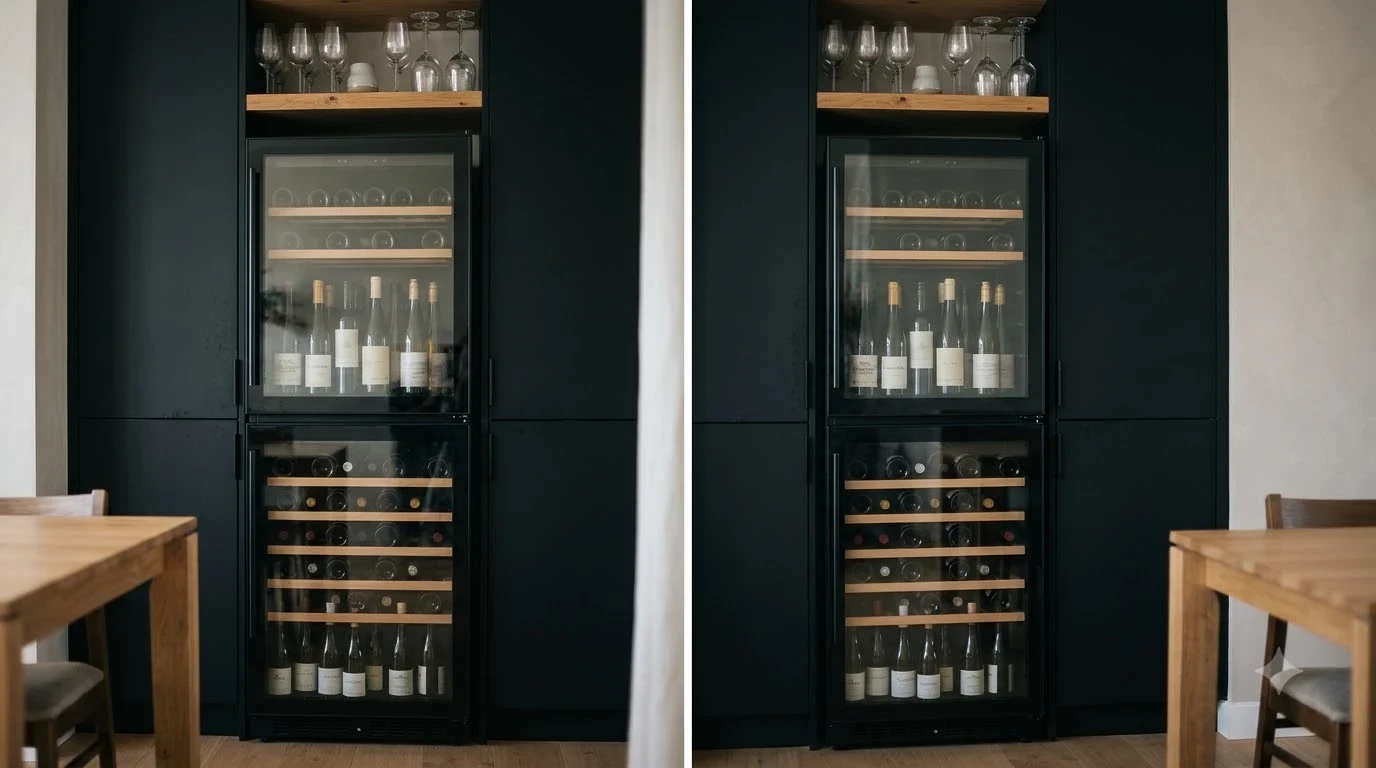
The best wine fridge credenza is a sideboard-height cabinet with a built-in wine cooling zone, a stone or sealed top that handles spills, and cabinet space for glassware and serving pieces, because it hides the fridge in a room that already holds dining furniture. Styles differ in how much of the cabinet goes to wine, how the cooling is set up, and whether the piece suits a dining room, a bar, or a living room. This guide groups the main types by use so you can match one to the space you have.
A credenza is a long, low cabinet that sits against a wall and doubles as a surface and storage. Adding a wine fridge to one turns the piece into a working bar or a wine display without taking up extra floor space. The sections below compare the main types, explain what to look for in the cabinet and the cooling system, and help you pick the group that fits how you serve and store wine.
Quick Comparison of Wine Fridge Credenza Types
Credenzas with a wine fridge vary most in how the cooling is placed and how much of the cabinet is given to wine. The table compares the main types on the points that matter most in a home.
| Type | Wine space | Best room | Main trade-off |
|---|---|---|---|
| Dining sideboard with wine zone | Single cooled section beside drawers | Dining room | Less room for wine |
| Bar credenza | Cooled section with glass storage above | Bar or living room | Needs a spot for glasses |
| Stone-top credenza | Cooled section under a heat-resistant top | Formal dining room | Heavier, costs more to set up |
| Compact console | Small cooled section and open shelves | Small living room or hallway | Limited capacity |
Best for a Dining Room Sideboard
A dining room credenza with a wine zone is the classic choice for a family that serves wine with meals. The cabinet holds cloths, dishes, and serving pieces in its drawers and cupboards, while one section keeps bottles cool and out of the light.
Sideboards were built to serve food and store tableware, and the same layout works well for wine. The top gives room to set out a decanter or a tray of glasses, and the cooled section keeps the bottles ready without a trip to the kitchen.
Why it stands out: a serving surface and storage in one piece. Keep in mind: the wine section is usually smaller than a freestanding fridge. Best for: households that serve wine at family meals and want the bottles close to the table.
Best for a Home Bar Setup
A bar credenza combines a cooled wine section with a space for glassware, so the whole service area sits in one place. The glasses can sit on open shelves above the cabinet, and the wine stays cool in the lower section.

Keep the glass storage away from the fridge vent, since heat from the back can warm the glasses on a high shelf. A bar layout also needs a clear work surface, so choose a credenza whose top stays free of clutter when the bottles are out.
Why it stands out: wine, glassware, and a work surface together. Keep in mind: open shelves collect dust and need regular wiping. Best for: people who host small drinks gatherings and want a tidy bar corner.
Best for a Formal Stone Top
A credenza with a stone or sealed top suits a formal room where spills and warm dishes are common. Traditional credenzas were finished in burnished, polished wood and often topped with marble or another stone that resists liquids and heat.
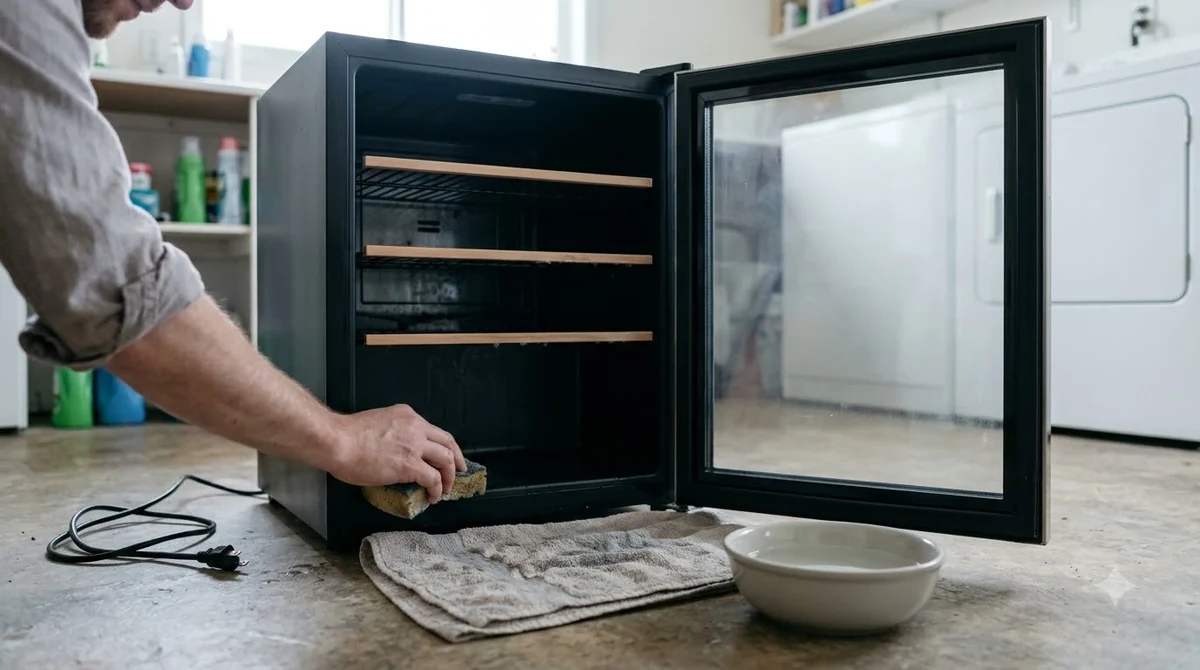
A stone top protects the cabinet beneath it and makes the surface easy to clean after a pour. Check the weight, since a heavy top adds to the load on the cabinet and the floor. Keep the cooled section clear of the top’s edges so the cooling system has room to vent.
Why it stands out: a surface that handles spills and heat well. Keep in mind: heavier and more costly than a wood top. Best for: formal dining rooms and homes where the credenza is a central piece.
Best for a Small Living Room
A compact console with a small wine section suits a living room or hallway where space is limited. These pieces are narrower and lower, with a cooled compartment and a few open shelves for bottles and stemware.
Capacity is the main limit. A compact unit holds fewer bottles than a dining sideboard, so it works best for everyday wine rather than a large collection. Choose a piece with a shelf layout that keeps the most-used bottles at the front.
Why it stands out: fits a tight room and still keeps wine cool. Keep in mind: fewer bottles and less surface area. Best for: small homes and anyone who wants a wine corner without a full bar.
Best for Serving Buffets and Gatherings
Credenzas were long used as buffet pieces, where the top holds food and drink during a meal. A wine fridge credenza suits this role because the cooled section keeps bottles ready while the surface holds dishes and serving trays.
Plan the layout before guests arrive. Put the wine on the cooled side, the glasses above, and the serving dishes on the top surface. This keeps traffic moving and avoids a crowded corner. After the meal, the same piece can hold leftover bottles and clean glasses until the table is cleared, which keeps the room tidy without much extra effort.
Why it stands out: a practical buffet layout with cold wine close at hand. Keep in mind: a buffet can crowd the room if the credenza is too small. Best for: hosts who set out food and drinks together for larger groups.
How to Choose a Wine Fridge Credenza
Begin with the room and the way you serve. Measure the wall space and the height you need for the top, then decide how many bottles you keep on hand. A dining room piece suits family meals, a bar piece suits drinks, and a compact console suits a small living room.
- Cooling placement: check that the wine section has a vent that stays clear, since a blocked vent makes the fridge work harder.
- Top material: a stone or sealed top handles spills and heat better than a bare wood surface.
- Storage split: decide how much of the cabinet should go to wine and how much to drawers, cupboards, or glass storage.
- Width and height: a sideboard height suits serving, while a lower console suits a living room.
A credenza with a wine zone works best when the wine stays close to where it is served. For a freestanding unit to compare capacity, the wine and beer fridge guide covers the options, and the wine fridge sideboard page looks at a similar layout in more detail.
Frequently Asked Questions
What is a credenza, and why use one for a wine fridge?
A credenza is a long cabinet, often used as a sideboard in a dining room. Adding a wine zone turns it into a serving piece that keeps bottles cool and close to the table, so the wine does not need a separate appliance.
Does a wine fridge credenza need a special top?
It helps. A stone or sealed top resists liquids and heat better than bare wood, which matters when the credenza is used for serving. Choose a finish that suits the room and that you can wipe clean easily.
How many bottles fit in a wine fridge credenza?
The number depends on the cabinet and the cooled section. Dining sideboards usually hold fewer bottles than a freestanding unit, while a bar piece can add glass storage. Check the stated capacity before you choose.
Where should a wine fridge credenza go in a room?
Place it against a wall away from direct sun and heat sources, with room behind the vent for air to move. A dining room or a bar corner works well, as long as the cooled section can breathe.
The best wine fridge credenza is the one that matches how you serve, how many bottles you keep, and the room it will sit in. Start with the space and the layout, then choose the top and the cooled section that suit your home. For more ideas on keeping wine close at hand, the glasses per bottle guide helps you plan how much to set out for a gathering.
More in Wine Fridge Features
 Best Wine Fridge Bar Cabinet Setups for a Better Home BarUpdated Nov 20, 2026
 Wine Fridge for Champagne Bottles: Sizes and Storage GuideUpdated Nov 18, 2026
 Best Wine Fridge for Champagne Bottles: Shelf and Bottle FitUpdated Nov 18, 2026
 Best Wine Fridge with Display Shelf: Glass Doors and Open RacksUpdated Nov 18, 2026
 Best Wine Fridge With Drawers for Easy Access to Every BottleUpdated Nov 18, 2026
 Best Wine Fridge With Freezer: Combo Styles for Kitchens and BasementsUpdated Nov 18, 2026