

We may earn a commission when you buy through links on this page, at no extra cost to you. Learn more.
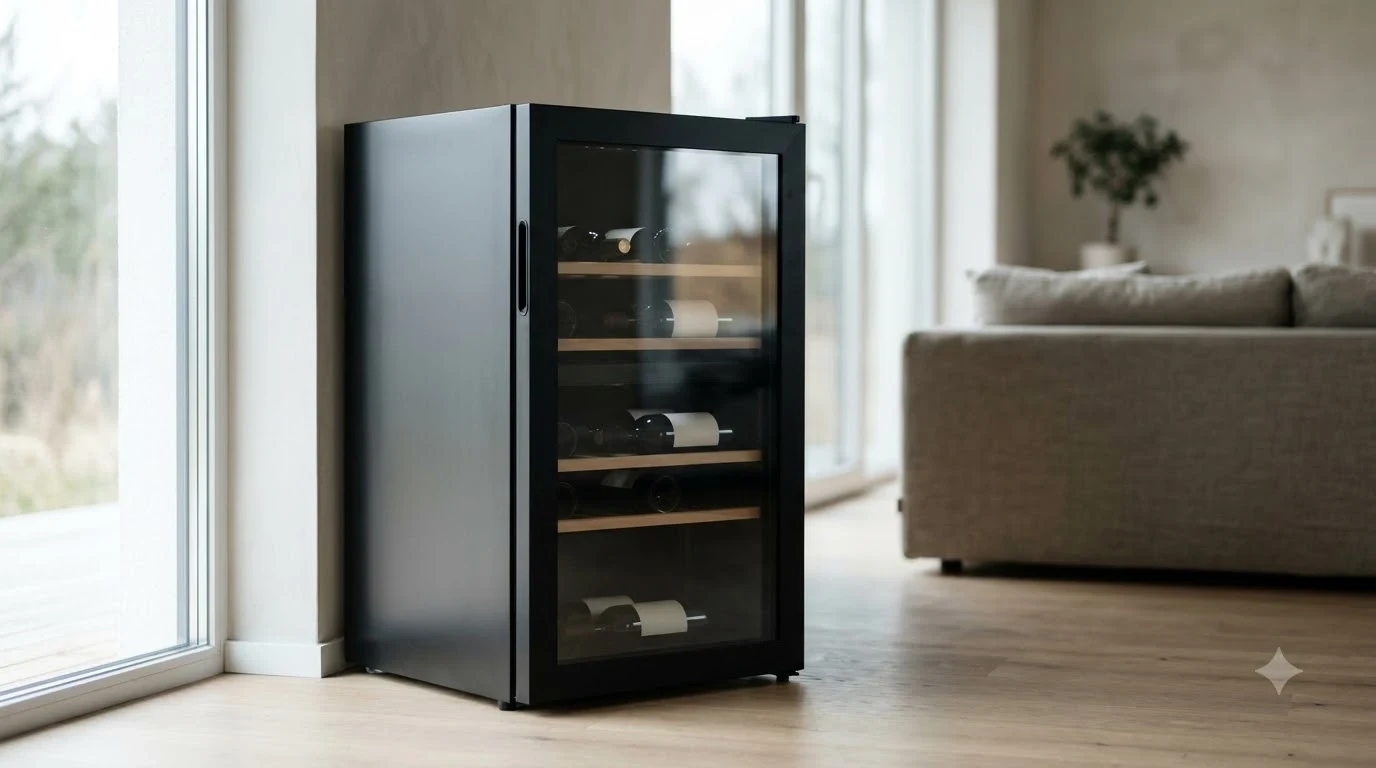
The best wine fridge cabinet furniture is a sideboard-style or built-in cabinet that houses a temperature-controlled wine fridge behind a finished front, with enough ventilation and a stable floor to carry the load. Solid cabinetry with drawers suits dining rooms and living spaces, while stainless or glass-fronted units fit kitchens and bars. Choose the material and layout first, then match the fridge’s cutout size and airflow to the cabinet you pick.
Many people want a wine fridge that looks like furniture rather than an appliance. A cabinet built around a fridge can hold bottles, glassware, and serving pieces in one place, and it can match the rest of a room. The challenge is that a cabinet which looks good can also trap heat, block airflow, or sit on a floor that cannot carry the weight of a full collection. This guide covers the main cabinet styles, the materials that matter, and what to check before you buy.
Quick Comparison
Cabinet furniture for wine storage falls into a few broad types. The table compares them by build, material, and the setting each one fits best.
| Type | Typical Build | Common Material | Storage Format | Best Setting |
|---|---|---|---|---|
| Sideboard with fridge | Cabinets plus drawers, flat top | Wood or veneer | Fridge behind cabinet door | Dining rooms and living rooms |
| Built-in cabinet | Fitted into a wall run | Painted wood or laminate | Flush front with hidden unit | Kitchens and butler pantries |
| Glass-front cabinet | Freestanding with glass doors | Glass and metal frame | Visible bottles | Bars and entertaining rooms |
| Stainless cabinet | Steel shell and shelving | Stainless steel | Racks and cooling in one unit | Modern kitchens |
| Wine rack cabinet | Open racks with a base | Wood, metal, or plastic | Bottles on racks, no cooling | Pantries and storage rooms |
Best for Dining Rooms and Living Spaces
A sideboard is traditionally a low cabinet with drawers and a flat top, used for serving food and storing household items. Sideboards are often placed in dining rooms and living rooms, which makes them a natural home for a wine fridge when the unit sits behind a cabinet door and the top stays free for serving pieces.
A sideboard works well when the wine fridge sits at one end of a long run, with the rest of the cabinet holding linens, glasses, or serving pieces. The top can carry a decanter and a few glasses at the table. Because the piece is meant to be seen, the door finish, hardware, and wood tone matter as much as the interior layout. A matching finish helps the cabinet read as furniture in the room.
Keep in mind: Sideboards are built for display and serving, so check that the cabinet has enough depth and an open back or vent path for the fridge’s warm air.
Best for Built-In Kitchen Runs
A built-in cabinet fits into a wall run and keeps the wine fridge flush with the surrounding cabinetry. The front panel can match the kitchen fronts, so the unit disappears into the room. This approach works best when the cabinet is designed around the fridge from the start, since the cutout, ventilation, and door hinges all depend on the specific model.

Built-in runs are the most work to plan but the most unobtrusive to live with. Measure the wall space, the floor level, and the height of any adjoining counters before the cabinet is built. Ask the installer to leave the ventilation path open at the top or the back, and confirm the door hinge side so the unit opens toward the room rather than into a wall. Once the cabinet is in, the fridge can be serviced from the front without moving the cabinetry.
Keep in mind: Plan the cabinet with the fridge’s stated clearance in mind, and leave space for the door to open fully without hitting an adjacent panel.
Best for Bars and Entertaining Rooms
Glass-fronted cabinets let guests see the collection while keeping bottles out of direct light. A glass door is a good choice when the bottles are part of the display, but the glass lets in light and can warm the interior, so this style suits a room with indirect lighting and a steady temperature.
Glass-fronted cabinets suit a bar corner or a room used for tastings. Choose a glass door with a tinted or frosted panel if the cabinet sits near a window, and keep it away from direct sun. Interior lighting should be cool and low. A display cabinet is the right choice when the collection is part of the decor, but a cabinet meant for long holding periods should favour a solid door that keeps the interior dark.
Keep in mind: Glass doors need a tight seal to hold a steady temperature. Check the door gasket and the closing action before you commit to a finish.
Best for Modern Kitchens and Stainless Finishes
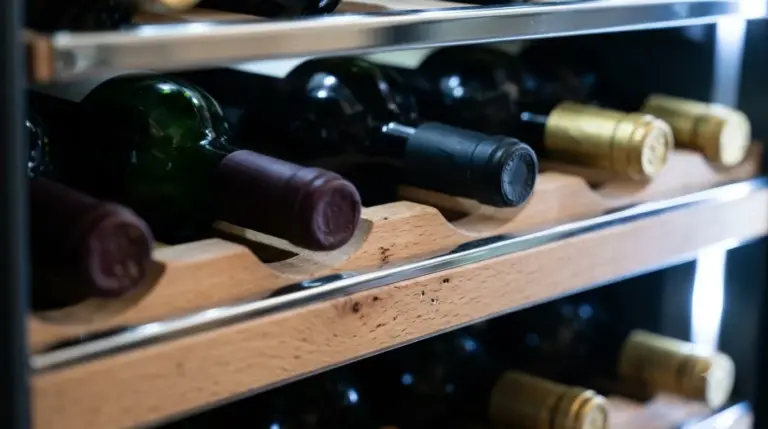
Stainless cabinets combine a steel shell with shelving and, in some designs, temperature control. Stainless steel is common in kitchens because it resists corrosion and staining, and some stainless units double as racks and coolers with a glass door sealed against the cabinet frame.

Stainless units often sit in open kitchens, where the finish has to match appliances and countertops. Check the steel grade and finish, since brushed surfaces hide marks better than polished ones. A stainless cabinet with a sealed glass door can keep a steady interior when the room is well ventilated, but avoid placing it beside an oven or dishwasher that adds heat to the wall.
Keep in mind: Steel shows fingerprints and needs regular wiping, and a metal cabinet can feel cold to the touch in a warm kitchen.
Best for Pantries and Storage Rooms
When the goal is storage rather than display, open wine racks inside a cabinet base can hold a large number of bottles with little floor space. Wine cubes stack bottles of any shape and make good use of an awkward corner. Racks like these generally do not cool the bottles, so they suit wines that are consumed soon after purchase or stored in a cool room.
Pantry storage usually means more bottles than a display cabinet holds, so the layout matters. Adjustable shelves let you group red wines, sparkling bottles, and oversize bottles separately. Wine cubes fit corners and under-stair spaces that a standard cabinet cannot use. Keep the most-opened bottles near the front and store long-term bottles toward the back, where the room temperature changes least when the door is opened.
Keep in mind: Most racks are built for standard 750 ml bottles. Oversize bottles need a rack designed for them, and heavy loads need stronger construction.
How to Choose
Begin with the room and the job the cabinet must do. A dining room piece needs a finished top and drawers for serving items, while a bar or pantry can focus on capacity and access. Then decide whether the cabinet must cool the wine or only store it. A wine rack holds bottles well, but a fridge is the only option that keeps a steady temperature.
Think about weight and access as well. A full cabinet of bottles is heavy, so check the floor and the cabinet’s base before you fill it. Reach matters too. Shelves that sit above shoulder height are hard to use daily, so put the bottles you open most often at a comfortable height and keep the heaviest cases low.
| Factor | What to Check | Why It Matters |
|---|---|---|
| Cabinet material | Wood, metal, glass, or laminate | Affects looks, weight, and durability |
| Wood species | Cedar, oak, or veneer | Cedar aroma can reach wine through the cork |
| Ventilation | Open back, vent grille, or clearance | Warm air must leave the cabinet |
| Floor load | Weight of cabinet plus bottles | Full cases are heavy |
| Door type | Solid, glass, or open | Light and temperature control depend on it |
Tip: Avoid storing wine in an unlined cedar cabinet if you plan to keep bottles for years, because the cedar aroma can pass through the cork.
Wine racks are often built from wood, and the Wikipedia article on wine racks notes that wood is the most popular medium, with cedar valued for its aroma. That same article says wall-mounted racks are typically used for decoration rather than storage, so a cabinet with a fridge will usually do the real work. For a related sideboard option, see the wine fridge sideboard guide.
Frequently Asked Questions
Can a wine fridge go inside a sideboard?
Yes, if the cabinet has enough internal depth, a ventilation path, and a door that opens fully. Check the fridge’s stated clearance and the cabinet’s interior dimensions before you buy.
Is cedar a good material for wine storage furniture?
Cedar is valued for its aroma, but that aroma can reach the wine through the cork. A cedar rack is fine for display or short storage, while a cabinet meant for long-term storage should be lined or made from a neutral wood.
Do wine racks keep wine cool?
Standard racks do not control temperature. Some stainless steel units combine racks with temperature-controlled cooling and a sealed glass door, which is the closest cabinet option to a dedicated fridge.
How much weight can a wine cabinet hold?
The answer depends on the cabinet’s construction and the floor. Heavy loads need sturdy shelving and a level floor. Check the manufacturer’s rated load before you fill the cabinet with full cases.
Wine fridge cabinet furniture works best when the cabinet, the fridge, and the room are planned together. Start with the space, choose the material and door style, and confirm the cutout and airflow before you order. For related sizing and feature guides, read the Specs and Features page, and see how many glasses are in a bottle of wine to estimate how quickly a collection turns over.
More in Wine Fridge Features
 Best Wine Fridge Bar Cabinet Setups for a Better Home BarUpdated Nov 20, 2026
 Wine Fridge for Champagne Bottles: Sizes and Storage GuideUpdated Nov 18, 2026
 Best Wine Fridge for Champagne Bottles: Shelf and Bottle FitUpdated Nov 18, 2026
 Best Wine Fridge with Display Shelf: Glass Doors and Open RacksUpdated Nov 18, 2026
 Best Wine Fridge With Drawers for Easy Access to Every BottleUpdated Nov 18, 2026
 Best Wine Fridge With Freezer: Combo Styles for Kitchens and BasementsUpdated Nov 18, 2026