

We may earn a commission when you buy through links on this page, at no extra cost to you. Learn more.
The best wine dispenser reviews group options by how they pour: nitrogen-based systems for keeping open bottles fresher, tap-style units for serving by the glass, and simple manual dispensers for a small home bar. The Wikipedia entry on wine preservation describes nitrogen-based dispensing systems that use nitrogen gas to pour wine and help prevent oxidation. Each type fits a different habit, so the right choice depends on how often you open bottles and how many people you serve.
Wine dispenser reviews often focus on a single feature, such as a gas canister or a tap spout, but the more useful question is how you actually drink. Someone who finishes a bottle in two evenings has different needs from a host who pours for a crowd every weekend. A dispenser can also change how a bottle is handled once it is opened, so it is worth understanding the trade-offs before buying one.
Quick Comparison
The table compares the main dispenser types by how they pour, what they protect against, and where they fit. These are general traits of each category rather than ratings of specific products.
| Type | How It Pours | Protection Against Air | Upkeep | Best Fit |
|---|---|---|---|---|
| Nitrogen-based system | Inert gas pushes wine out of the bottle | Strong, gas replaces air in the bottle | Gas supply and seals to check | Home bars, regular by-the-glass use |
| Tap-style dispenser | Spout or tap draws wine from a container | Depends on the container design | Clean spout and seals | Parties and frequent guests |
| Manual pour dispenser | Hand-operated pump or spout | Limited, mostly a stopper seal | Simple cleaning | Small counter setups |
| Reusable stopper and spout | Pour directly from the bottle | Basic, depends on how well it seals | Minimal | Occasional use, small budgets |
Best for Home Bars: Nitrogen-Based Dispenser
A nitrogen-based system pushes wine out of an opened bottle using inert gas instead of air. Because the gas takes the place of the air that would otherwise sit above the wine, the system is designed to slow the change that oxygen causes over time. It suits a home bar where the same bottles are poured several times over days.

Why it stands out: The Wikipedia entry on wine preservation says nitrogen gas helps prevent wine from oxidation and premature spoilage, and that these systems store wine at its optimal temperature while they dispense it. That combination makes them a practical option for someone who wants a glass of a red on a weeknight without finishing the whole bottle.
Keep in mind: The system depends on gas supply, seals, and a stable storage temperature. Check whether the gas cartridges are easy to replace and whether the seals are simple to clean. A nitrogen unit does not make a wine last indefinitely, so keep track of how long each bottle has been open.
Best for: Home bars and households that open a bottle now and then and want to pour a single glass without losing the rest to air.
Best for Parties: Tap-Style Dispenser
A tap-style dispenser draws wine through a spout, which makes pouring quick and consistent. It is the format most often seen at tasting events and casual gatherings, where many people want a pour in a short time.
Why it stands out: A spout keeps the pour simple, so guests can serve themselves without handling a heavy bottle. Some designs hold a larger volume than a standard bottle, which reduces the number of times you have to refill during an evening. Tap-style units also keep the table tidy because the wine stays in one place.
Keep in mind: Spouts and seals need regular cleaning, since residue can build up where wine sits between pours. Ask how much of the container’s contents will be exposed to air at any one time, because that matters more than the spout itself.
Best for: Hosts who pour for groups every weekend, or anyone who wants a self-serve setup for a larger event.
Best for Counter Space: Manual Pour Dispenser
A manual pour dispenser uses a hand-operated pump or a spout to deliver a measured pour. It sits on a counter, needs no power, and is easy to clean. For a small home bar, it can be a simple middle ground between a bare bottle and a full gas system.
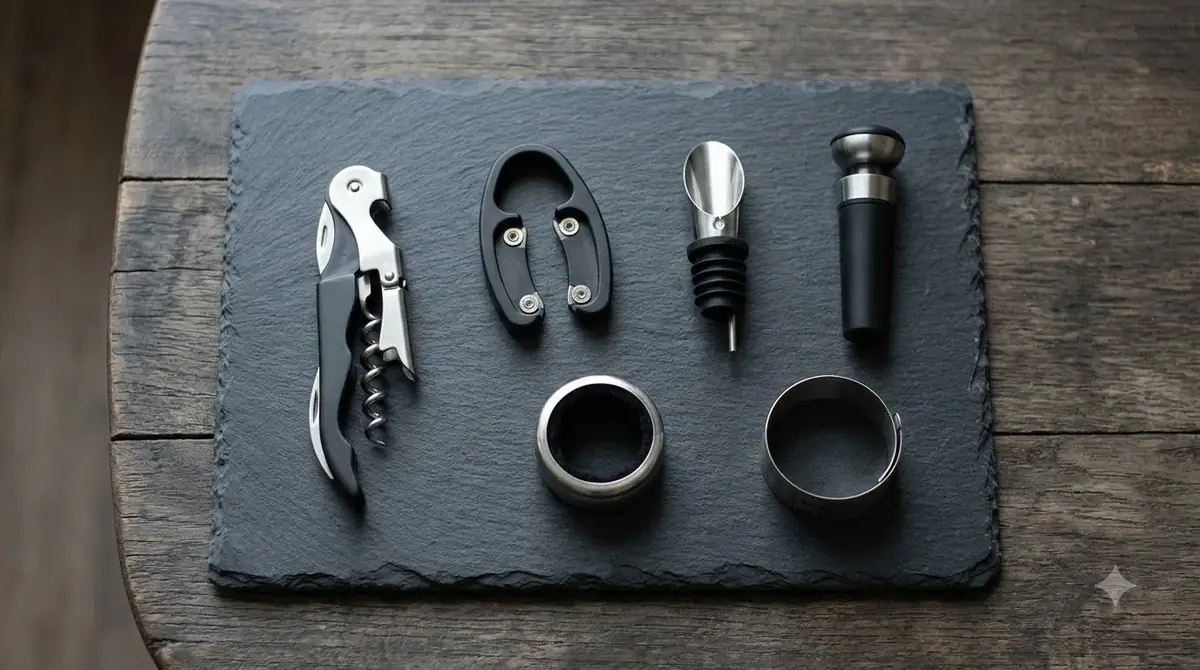
Why it stands out: Manual units are straightforward and reliable. There are no cartridges to replace and no electronics to maintain, so the setup costs little over time. They also make portions easier to control when you want a single glass with dinner.
Keep in mind: Manual designs offer limited protection against air. Most rely on a stopper or seal rather than a gas layer, so a bottle left open for several days will still change. They work best for wines you plan to finish within a short period.
Best for: Small counters, apartments, and home bars where the bottles are opened and finished within a few days.
Best for Tasting Flights: Multi-Pour Dispenser
A multi-pour dispenser holds several wines at once and serves them in small measures. It is designed for side-by-side tasting, where a host wants to compare a few bottles without opening each one fresh for every glass.
Why it stands out: Holding several wines in one unit keeps tasting sessions organized and reduces waste from partly poured bottles. Clear labeling on each station also helps guests track which wine they are tasting, which matters when comparing styles from the same grape or region.
Keep in mind: Each station needs its own seals and cleaning, and multi-pour units take up more room than a single dispenser. Plan the tasting order so lighter wines come before fuller ones, and keep the stations clean between pours.
Best for: Tasting nights, wine clubs, and hosts who like to compare a few bottles side by side.
Best for Small Budgets: Reusable Stopper and Spout
A reusable stopper with a pour spout is the simplest option. It fits into the neck of a standard bottle, seals the opening, and lets you pour without tipping the whole bottle. It costs little and needs no maintenance beyond cleaning after use.
Why it stands out: The stopper is the cheapest way to limit the air that reaches the wine between pours. It also reduces drips and gives a controlled pour, which helps when you are sharing a bottle with one or two people. Because it is portable, it is easy to take to a picnic or to store with other bar tools.
Keep in mind: A stopper relies on a good fit. Check that it matches the bottle neck, because a loose seal lets air in quickly. It offers the least protection of any option on this list, so use it for bottles you plan to finish soon.
Best for: Occasional drinkers, students, and anyone who wants a small improvement over an open bottle without a larger purchase.
How to Choose
Start with how you drink. If you open bottles at intervals and want the last glasses to taste as close to the first as possible, a nitrogen-based system is the strongest match. The Wikipedia entry on wine preservation describes this approach in general terms. If you pour for groups, a tap-style dispenser saves time, although you should check how much of the container is exposed to air during the event.
Next, think about space and upkeep. Gas-based systems need cartridges and seals, manual dispensers need only cleaning, and stoppers need little more than a good fit. Compare the cost of replacement parts with the number of bottles you open each month. For wider accessory ideas, see the Accessories Library, and if you are deciding how much wine to pour per guest, the guide on how many glasses are in a bottle of wine gives a quick reference.
Tip: Mark the date on each bottle when you open it. A dispenser slows change but does not stop it, so a written date helps you decide when to finish a wine.
Frequently Asked Questions
Does a wine dispenser keep wine fresh indefinitely?
No. Dispensers reduce contact with air, and nitrogen-based systems are designed to slow oxidation, but no home device stops change completely. Keep track of how long each bottle has been open and finish it within the time that suits the wine.
What is the difference between a nitrogen dispenser and a stopper?
A nitrogen-based system fills the bottle with inert gas as wine is poured, which takes the place of air. A stopper only seals the neck. The gas system generally gives stronger protection, while a stopper is cheaper and needs no cartridges.
Can I use a wine dispenser for sparkling wine?
Most dispensers are designed for still wine. Sparkling wine holds carbon dioxide under pressure, and a standard stopper or manual pump may not seal well enough to keep bubbles in the bottle. Check the manufacturer’s stated compatibility before using a dispenser with sparkling wine.
How do I clean a wine dispenser properly?
Rinse the spout and seals after each use, and let parts dry fully before reassembly. Use warm water and a soft brush, and avoid harsh detergents that can leave a film. Follow the manufacturer’s guidance for any gas components or cartridges.
The best wine dispenser reviews come down to how you use your wine. Match the type to how often you open bottles, how many people you pour for, and how much upkeep you are willing to do. A simple choice that you use every week beats an advanced system that sits in a cabinet.
More in Wine Accessories
 Coravin Vs Vacu Vin: Choose the Right Wine Saver for Your BottlesUpdated Nov 21, 2026
 Zwilling Wine Stopper Review: Preserve Open Bottles LongerUpdated Nov 21, 2026
 Wine Enthusiast Wine Preserver Review: Features, Benefits and LimitationsUpdated Nov 21, 2026
 Wine Enthusiast Wine Stopper: An Easier Way to Reseal Open BottlesUpdated Nov 21, 2026
 Vintorio Wine Opener: Two-Step Cork RemovalUpdated Nov 21, 2026
 Zwilling Wine Aerator Review: Aerate, Pour, and Seal With One ToolUpdated Nov 21, 2026