

We may earn a commission when you buy through links on this page, at no extra cost to you. Learn more.
The best wine dispenser for most home drinkers is an argon-based inert gas dispensing system, which replaces poured wine with heavy, food-grade gas to block oxygen and keep bottles fresh for weeks or months. However, if you pour several bottles nightly, prefer boxed wine, or want temperature-controlled countertop storage, multi-bottle refrigerated dispensers, electric aerating pourers, and bag-in-box units each serve distinct household routines.
Once a cork leaves a bottle, oxygen begins altering the wine’s aroma and fruit character almost immediately. Modern dispensing hardware solves that problem in very different ways—some pierce natural corks without removing them, others chill multiple open bottles behind glass, and simpler countertop taps streamline party service. Understanding how each mechanism handles air exposure, temperature, and pour volume makes choosing the right setup straightforward.
Quick Comparison
Different dispensing technologies trade off preservation lifespan, footprint, and ongoing consumable needs to match how often you pour.
| Dispenser Type | Preservation Method | Typical Freshness Window | Bottle Capacity | Consumables Needed |
|---|---|---|---|---|
| Argon Needle Systems | Inert argon gas displacement through cork | Several weeks to months | Unlimited (one at a time) | Pressurized argon capsules |
| Multi-Bottle Countertop Dispensers | Nitrogen or argon blanket plus thermoelectric cooling | Up to 30–60 days | 2 to 8 bottles | Gas canisters |
| Electric Aerating Pourers | Battery-powered pump with air intake | Single-evening service | 1 bottle at a time | None (rechargeable or AAA batteries) |
| Bag-in-Box Countertop Dispensers | Collapsible vacuum pouch inside insulated shell | Up to 4–6 weeks | 1.5L to 3L pouch | None |
| Vacuum & Inert-Gas Stopper Spouts | Manual air extraction or canister flush | 3 to 14 days | Multiple (per stopper) | Optional gas cans |
Best for Long-Term Single-Glass Preservation
Needle-based inert gas systems let you pour a single glass from a cellar-worthy bottle without ever pulling the cork, keeping the remaining wine untouched by oxygen.
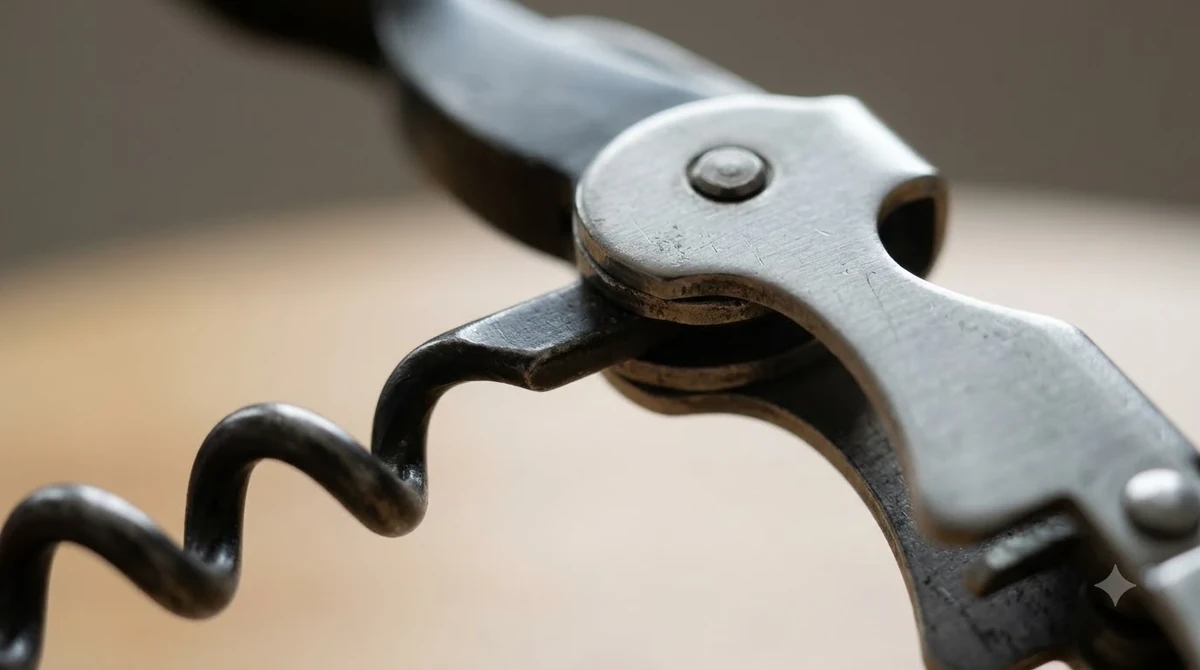
Why it stands out: As Wine Folly’s open wine storage guide explains, displacing poured liquid with inert argon gas prevents oxidation because argon is heavier than air and forms a protective layer over the wine’s surface. A thin hollow needle pierces natural cork, pressurizes the bottle slightly to push wine through a spout, and withdraws cleanly so the cork reseals itself. Sommeliers and tasting rooms rely on this method to sample age-worthy vintages over months rather than finishing a bottle in two nights.
Keep in mind and best for: Standard needles work only with natural corks, so screw-cap or synthetic-cork bottles require specialized replacement caps designed for the system. You also need to factor in replacement gas capsules, which add an ongoing per-pour supply requirement. This style is best for collectors and solo drinkers who want a single glass of fine red or white on a Tuesday without committing to the whole bottle.

- Type
- Bag-in-box dispenser
- Fits
- 3L and smaller packs
- Material
- Stainless steel
- Size
- 9.6 x 8.7 x 13.6 in
Designed around 3-liter and smaller bag-in-box packaging, this stainless steel dispenser suits slow, one-glass-at-a-time drinking. The design holds the bag above the glass and keeps constant pressure, so you do not squeeze it by hand, and it is meant to keep air out of the bag. The listing states wine stays fresh for up to six weeks.
Pros & ConsView
- Fits 3L and smaller bag-in-box packs
- Pours without squeezing the bag
- Listed to keep wine fresh up to six weeks
- Works only with bag-in-box wine
- Six pounds and 13.6 inches tall needs counter space
Best for Multi-Bottle Entertaining and Temperature Control
Countertop multi-bottle wine dispensers combine refrigerated compartments with inert gas preservation and portion-controlled push-button spouts.
Why it stands out: Inspired by tasting-room machines, home countertop stations hold two to four open bottles upright behind insulated glass while maintaining precise serving temperatures. Built-in thermoelectric cooling keeps whites crisp and reds at cellar temperature, and dual-zone units chill both simultaneously. Programmable pour buttons dispense a taste, half glass, or full pour at the touch of a button while blanketing the remaining wine in nitrogen or argon for 30 to 60 days.
Keep in mind and best for: These appliances require dedicated counter or built-in cabinetry space, a nearby electrical outlet, and periodic cleaning of the dispensing heads or internal lines. Because bottles are uncorked before loading, sparkling wines are generally excluded from standard still-wine dispensing heads. This type is best for frequent hosts, households where partners drink different styles, and anyone building a dedicated bar cart or home tasting station.

- Pour Range
- 1 to 999 ml
- Power
- USB Type-C rechargeable
- Bottle Height
- 165 to 385 mm
- Material
- Plastic
Rather than managing temperature, this dispenser focuses on fast pouring for hosts who open several bottles in one evening. One touch delivers a set amount from 1 to 999 ml, with aeration built in, and three silicone adapters plus an extendable tube fit bottles from 165 to 385 mm tall. The Type-C battery is listed for 66 bottles per charge.
Pros & ConsView
- One-touch pours from 1 to 999 ml
- Three silicone adapters fit varied bottle necks
- Listed for 66 bottles per charge
- Listing has no cooling or temperature function
- Plastic body
Best for Instant Aeration and Spill-Free Dinner Service
Electric aerating wine dispensers mount directly onto an open bottle neck and deliver oxygenated wine at the press of a button.
Why it stands out: Young, tannic red wines often taste tight right after opening, and waiting an hour for a traditional decanter is not always practical on a weeknight. Battery-powered or USB-rechargeable dispenser spouts draw wine up through an internal tube, mix it with controlled micro-bubbles of air, and pour smoothly into your glass without drips down the bottle label. Many models include an on-off aeration switch so delicate older bottles or crisp whites can be poured gently without extra oxygen.
Keep in mind and best for: Unlike inert gas systems, an aerating dispenser introduces oxygen into the pour and does not create an airtight long-term seal once removed, so leftover wine should be recorked promptly. Reviewing the Accessories Library can help pair these pourers with dedicated vacuum stoppers for overnight storage. This design is best for dinner parties and casual red-wine drinkers who prioritize fast aeration and drip-free table service over multi-week preservation.

- Type
- Electric aerator and dispenser
- Power
- Built-in USB rechargeable battery
- Fit
- Standard wine and spirit bottles
- Cleaning
- Self-cleaning with water
Made for a regular weeknight bottle where you want a quick, drip-free pour without decanting. One press aerates and dispenses wine through food-grade tubes, and an airtight rubber seal helps keep an opened bottle fresh for days. It charges by USB, fits standard bottles, and cleans itself when you run clean water through the tube.
Pros & ConsView
- One-press aeration without decanting
- USB rechargeable and cordless
- Self-cleans with clean water
- Tube-and-spout unit sits on the bottle top
- Plastic body weighs 13.6 ounces
Best for Boxed Wine and Casual Daily Pouring
Countertop bag-in-box dispensers house standard 1.5-liter or 3-liter wine bladders inside a weighted, insulated shell with an elevated tap.
Why it stands out: Premium boxed wines already use collapsible inner pouches that shrink as wine leaves the tap, naturally blocking oxygen for a month or longer. However, cardboard boxes rarely fit neatly on standard shelves, and their low spigots force you to hang the carton over a counter edge to fit a stemware glass underneath. A dedicated housing lifts the spigot to full glass height, adds a weighted base so you can operate the lever one-handed, and holds reusable ice packs or insulated walls to keep whites chilled.
Keep in mind and best for: These units accept only soft inner wine pouches rather than rigid glass bottles, and you must remove the bladder from its outer cardboard carton before loading. Check internal chamber dimensions carefully if you buy oversized 3-liter pouches from boutique producers. This option is best for patio gatherings, beach houses, and everyday drinkers who enjoy quality boxed wine without wrestling flimsy cardboard tabs.

- Type
- Electric opener and aerator set
- Charging
- USB-C, full charge in 2 hours
- Capacity
- 80+ bottles per charge
- Fit
- 750ml bottles, half-bottles, magnums
Hosts who open several bottles in one evening get the most from this set. One button removes natural, synthetic, and agglomerated corks, and a full USB-C charge opens more than 80 bottles. The separate electric aerator fits on the bottle neck, while the foil cutter and vacuum sealer cover setup and storage, from one weeknight bottle to a weekend of guests.
Pros & ConsView
- Opens 80+ bottles per USB-C charge
- Handles natural, synthetic, and agglomerated corks
- Includes foil cutter and vacuum sealer
- Aerator is a separate piece from the opener
- Rechargeable unit needs a full two-hour charge
Best for Budget-Friendly Multi-Bottle Weeknight Storage
Stopper-style pourers and manual preservation kits pair drip-free serving spouts with vacuum pumps or handheld inert-gas canisters.
Why it stands out: As Wine Enthusiast’s stopper buying guide notes, preventing air from reaching the wine surface is the primary job of any preservation accessory, and simple stopper systems accomplish that across several open bottles at once. Some kits combine a precision pouring spout with a small hand pump that draws air out of the headspace, while others let you spritz food-grade argon or nitrogen into the bottle before snapping a tight silicone stopper into place. Everything tucks easily into a kitchen drawer between uses.
Keep in mind and best for: Vacuum pumps slow oxidation for roughly two to five days rather than several weeks, and aggressive pumping can pull delicate volatile aromas out of aromatic whites or aged reds. Handheld gas canisters last longer but rely on user technique to flush the headspace thoroughly before sealing. This approach is best for everyday drinkers who rotate two or three open bottles over a long weekend—or sample small pours during a wine advent calendar tasting—without investing in heavy countertop hardware.
How to Choose
Start by matching the dispenser’s preservation timeline to how quickly you finish a bottle. If you typically open a bottle on Friday and finish it by Sunday, a drip-free aerating pourer or basic vacuum stopper handles the job without ongoing gas cartridge orders. If a single bottle stretches across three weeks—or you like comparing two or three wines side by side—choose an argon needle system or a gas-blanketed countertop station.
Next, check bottle compatibility and closure types in your regular rotation. Needle-based devices require natural cork unless you purchase brand-specific screw-cap adapters, whereas bottle-top electric pourers and countertop stations work with corks, synthetic closures, and screw caps alike once opened. Sparkling wine requires specialized high-pressure stoppers or dedicated sparkling preservation systems, because standard still-wine dispensers cannot hold carbonation under pressure.
Finally, consider counter space, power access, and maintenance habits. Multi-bottle thermoelectric units look striking in an entertaining area, yet they need airflow clearance around their cooling vents and regular rinsing of the pour spouts to prevent sticky sugar buildup from sweeter wines. Compact battery pourers and handheld gas systems require almost zero storage space, making them easier to keep clean in smaller kitchens.
Tip: Keep track of pour sizes when calibrating a programmable dispenser—knowing how many glasses in a bottle of wine you typically get (five standard 5-ounce pours per 750ml bottle) helps you set tasting portions accurately and estimate how many pours an argon canister will yield.
Frequently Asked Questions
How long does wine actually stay fresh in a wine dispenser?
Freshness depends entirely on the preservation mechanism. Inert gas systems using argon or nitrogen typically keep still wine fresh for three to eight weeks, while needle systems that leave the cork intact can preserve wine for several months. Vacuum-pump dispensers generally extend freshness for two to five days, and non-sealed electric aerating pourers are meant only for single-evening service.
Can you use a standard wine dispenser for Champagne or sparkling wine?
No, standard still-wine dispensers cannot preserve sparkling wine because they do not maintain internal bottle pressure. Pouring sparkling wine through a narrow dispenser tube also agitates the liquid and strips away carbonation immediately. To keep Champagne or Prosecco bubbly, use a dedicated sparkling wine preservation system that pressurizes the bottle with carbon dioxide or a clamping sparkling stopper.
Is argon or nitrogen better for preserving open wine?
Both gases are food-safe, flavorless, and effective at blocking oxygen, though they behave slightly differently inside a bottle. Argon is heavier than air and sinks directly onto the surface of the wine to form a dense barrier, making it ideal for single-bottle needle systems. Nitrogen is lighter and widely used in multi-bottle commercial and countertop dispensers where continuous regulated gas pressure fills the entire bottle headspace.
Do wine dispensers work with screw-cap bottles?
Most countertop multi-bottle dispensers, electric aerating pourers, and vacuum stoppers work smoothly with screw-cap bottles once the cap is removed. Traditional needle-based systems cannot pierce metal screw caps, as the needle will bend or fail to reseal. However, many needle-system manufacturers sell reusable silicone-lined screw-cap adapters that replace the metal cap and accept the needle safely.
Choosing the right wine dispenser comes down to balancing how many bottles you open at once against how long you want each pour to taste freshly uncorked. Whether you need a compact electric spout for Friday dinner or a gas-blanketed system for cellar favorites, matching the mechanism to your pouring pace eliminates wasted wine.
More in Wine Accessories
 Coravin Vs Vacu Vin: Choose the Right Wine Saver for Your BottlesUpdated Nov 21, 2026
 Zwilling Wine Stopper Review: Preserve Open Bottles LongerUpdated Nov 21, 2026
 Wine Enthusiast Wine Preserver Review: Features, Benefits and LimitationsUpdated Nov 21, 2026
 Wine Enthusiast Wine Stopper: An Easier Way to Reseal Open BottlesUpdated Nov 21, 2026
 Vintorio Wine Opener: Two-Step Cork RemovalUpdated Nov 21, 2026
 Zwilling Wine Aerator Review: Aerate, Pour, and Seal With One ToolUpdated Nov 21, 2026