

We may earn a commission when you buy through links on this page, at no extra cost to you. Learn more.
A wine cellar hygrometer measures relative humidity inside your wine storage space, helping you maintain the moisture conditions needed to protect natural corks, preserve labels, and support long-term wine storage. For most collections, a practical target is approximately 60% to 70% relative humidity, with 50% to 80% representing a broader acceptable range cited by wine-storage specialists. A reliable hygrometer should provide consistent readings, make changes easy to spot, and ideally record minimum and maximum humidity so you can identify problems rather than react to a single measurement.
Temperature usually receives the most attention when people build a wine cellar, but humidity deserves its own monitoring equipment. A cellar can maintain a suitable temperature while becoming excessively dry or damp. Whether you store a dozen bottles in a compact wine refrigerator or maintain a dedicated room for a growing collection, choosing the right hygrometer makes it easier to understand what is happening around your bottles. The important considerations are measurement accuracy, sensor placement, readability, calibration, and the ability to monitor changes over time.
Who This Is For
A wine cellar hygrometer is useful for anyone storing wine beyond the immediate drinking window, particularly collectors with natural-cork bottles and owners of temperature-controlled storage spaces. The right device helps distinguish normal environmental variation from a persistent humidity problem.
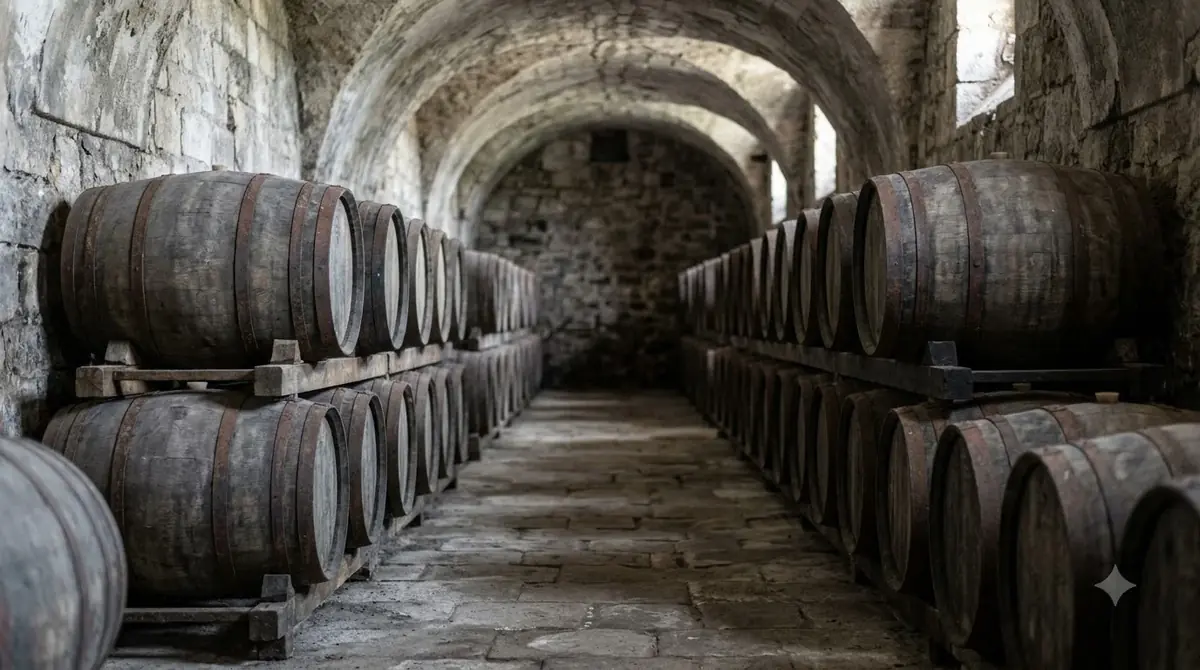
Home collectors are an obvious audience. If you have a wine refrigerator, basement cellar, converted closet, or dedicated wine room, an independent humidity reading provides another way to check whether the storage environment is behaving as expected. Built-in displays can be convenient, but an additional instrument gives you a separate measurement to compare against the equipment’s own sensor.
Natural cork is the main reason humidity matters. Cork can lose moisture in excessively dry surroundings, potentially compromising its ability to maintain a reliable seal over extended storage. According to Liebherr’s wine-storage guidance, excessively dry conditions can cause corks to shrink and allow oxygen to enter bottles. That makes humidity monitoring particularly relevant for collections containing wines intended for aging.
Collectors storing Burgundy, Bordeaux, Barolo, Napa Valley Cabernet Sauvignon, or vintage Champagne may also care about preserving original labels and packaging. Sustained dampness can encourage mold and cause labels to deteriorate. A hygrometer helps identify those conditions before they become a maintenance problem.
Occasional wine drinkers can benefit, too, although the investment should match their storage habits. Someone keeping six bottles in a kitchen cabinet for a few weeks probably does not need a sophisticated monitoring system. Someone maintaining 100 bottles in a basement for several years has a stronger reason to track humidity continuously.
A hygrometer is also useful for people who have noticed condensation, musty odors, damp cardboard, peeling labels, or unusually dry cellar conditions. It cannot diagnose every cause of moisture problems, but it provides measurable information to guide further investigation.
Key Factors to Compare
The most important buying considerations are measurement reliability, display readability, temperature monitoring, and historical tracking. A simple digital instrument can be sufficient for a small cellar, while a larger collection may benefit from remote sensors and minimum/maximum recording.
Before choosing a model, understand what the percentage on the display represents. Relative humidity, abbreviated RH, describes how much moisture the air contains compared with the maximum it could hold at the same temperature. Because temperature affects that relationship, a humidity percentage should always be interpreted alongside the temperature reading.
| Buying factor | What to look for | Why it matters |
|---|---|---|
| Humidity range | At least 20% to 90% RH | Covers the conditions most home wine-storage spaces are likely to encounter. |
| Accuracy | Stated accuracy of approximately ±3% RH or better | Makes it easier to distinguish small changes from potentially meaningful deviations. |
| Display | Large, clearly readable percentage | Allows quick checks without removing bottles or opening multiple compartments. |
| Temperature measurement | Temperature displayed alongside RH | Provides context for interpreting humidity changes. |
| Minimum/maximum memory | Recorded high and low readings | Reveals fluctuations that a single observation cannot show. |
| Sensor arrangement | Integrated or remote probe | Allows monitoring at a useful location within the cellar. |
| Power | Battery-powered or compatible wired operation | Determines installation flexibility and maintenance requirements. |
| Calibration | Documented calibration or adjustment procedure | Helps verify the reading against a known reference. |
Accuracy deserves particular attention. A display that reports 65% RH may sound reassuring, but an instrument with a large measurement error could be showing a substantially different actual value. Look for a manufacturer-stated accuracy specification rather than assuming every digital hygrometer is precise simply because it uses electronic sensors.
For example, a device rated at ±3% RH displaying 60% could theoretically be measuring approximately 57% to 63% under its specified operating conditions. That level of accuracy is generally more useful for household monitoring than a device with an unspecified tolerance. It is still important to compare instruments using their stated test conditions and calibration procedures.
Temperature monitoring is another useful feature. If your cellar is designed around approximately 55°F, recording both temperature and humidity helps explain why the RH percentage changes. A device with a memory function can show whether a cellar briefly became damp after the door was opened or remained above the desired range for several hours.
Remote monitoring is especially helpful when the cellar is in a basement, utility room, or separate building. Instead of entering the storage space to read a small screen, you can check measurements from an accessible display or compatible application. However, connectivity is a convenience rather than a substitute for accurate sensors.
Do not assume that a higher-priced hygrometer automatically provides better results. A straightforward instrument with documented accuracy, a clear screen, and reliable minimum/maximum memory may offer more practical value than a complicated device with features you will rarely use.
Step-by-Step: How to Choose and Use a Wine Cellar Hygrometer
Choosing a hygrometer is easier when you start with the storage environment rather than the product features. Identify the cellar’s size, determine whether its conditions vary, and then select an instrument that can monitor the area consistently.
-
Identify your storage setup. Determine whether you are monitoring a freestanding wine refrigerator, built-in wine cabinet, basement room, or insulated wine cellar. A compact cabinet may need only one sensor, whereas a large room may have different humidity conditions in different areas.
-
Choose a practical measurement range. Look for an instrument that covers at least 20% to 90% RH. This gives you enough range to identify unusually dry conditions as well as excessive moisture without selecting an instrument designed for an unrelated industrial application.
-
Compare stated accuracy. Prefer a clearly documented accuracy specification, such as ±3% RH. Also examine whether the manufacturer provides information about operating temperature, calibration, and sensor limitations.
-
Decide whether you need remote monitoring. A basic digital hygrometer is suitable for a small cellar that is easy to access. A wireless model or remote probe is more convenient when the sensor needs to sit among bottles while the display remains outside the storage area.
-
Position the sensor correctly. Place the instrument around bottle height, away from direct contact with cooling vents, humidifiers, exterior walls, and areas where condensation forms. In a larger room, consider additional measurement points rather than assuming one reading represents the entire space.
-
Allow the sensor to stabilize. Follow the manufacturer’s instructions for initial setup and settling time. Avoid making decisions based on the first reading immediately after moving the instrument from a warm room into a cold cellar.
-
Record readings over 24 hours. Observe humidity at regular intervals and use the minimum/maximum function if available. La Sommelière recommends taking approximately one reading per hour over a day when investigating suspected fluctuations.
-
Compare readings with your storage target. Use approximately 60% to 70% RH as a practical target for many cork-sealed wine collections. Investigate persistent readings below 50% or above 80% rather than making adjustments after a brief fluctuation.
-
Verify unusual results. Compare the instrument with another reliable hygrometer or follow an appropriate calibration procedure. If the readings remain unusual, investigate the cellar’s ventilation, seals, cooling equipment, and moisture sources.
This process helps prevent unnecessary adjustments. A single reading of 48% does not automatically mean the cellar needs a humidifier, just as one reading of 82% does not prove that a permanent moisture problem exists. Repeated measurements provide a more useful picture.
Tip: Keep a simple humidity log for the first seven days after installing a new hygrometer. Record the RH percentage, temperature, and any unusual activity such as loading bottles, cleaning the cellar, or leaving the door open. Patterns are more informative than isolated readings.
If your collection occupies several shelves or a large storage room, compare measurements from the upper, middle, and lower sections. Cooling equipment, air movement, insulation, and the arrangement of bottles can create localized differences. A remote sensor can make this comparison easier without requiring frequent handling of the collection.
Types of Wine Cellar Hygrometers Explained
Wine cellar hygrometers generally fall into four practical categories: analog dial instruments, basic digital meters, wireless monitors, and professional thermo-hygrometers. Each serves a different storage setup, and the most useful option depends on how frequently you need to check conditions.
Analog dial hygrometers
Analog hygrometers use a mechanical sensing element and a physical pointer to indicate humidity. They have a traditional appearance and do not generally require batteries, making them attractive for decorative wine rooms and traditional cellars.
Their limitations are readability and verification. Small dial markings can make it difficult to distinguish between 60% and 65% RH, particularly in low lighting. Mechanical instruments can also drift and should be checked periodically against a reliable reference.
An analog model is a reasonable choice for someone who wants a simple visual indication rather than detailed environmental records. It is less suitable when precise comparisons or remote alerts are important.
Digital hygrometers
Digital hygrometers display humidity as a numerical percentage, often alongside temperature. Many household models also include a clock, minimum/maximum memory, and a compact stand or mounting arrangement.
These instruments are usually the most straightforward choice for a small wine cabinet or home cellar. A readable screen and documented accuracy matter more than a long list of extra functions. Check whether the instrument remembers historical readings after a battery change or power interruption.
Wireless and Bluetooth hygrometers
Wireless devices send measurements from a sensor to a receiver, smartphone, or compatible home-monitoring system. They are convenient when the cellar is difficult to access or when you want to review readings without opening the door.
Some models provide high- and low-humidity alerts, historical charts, and notifications when the temperature moves outside a selected range. These functions are useful for collectors who travel frequently or operate more than one storage area.
Check wireless range carefully. Thick concrete walls, metal cellar doors, and the construction of a basement can interfere with communication. Battery life, application compatibility, and the availability of replacement sensors are also important considerations.
Professional thermo-hygrometers
A thermo-hygrometer measures temperature and relative humidity in one instrument. Higher-grade versions may include more detailed calibration information, replaceable probes, data logging, or connections to building-management systems.
These devices are suitable for larger cellars, commercial wine storage, and collectors who want a more systematic record of environmental conditions. A professional instrument is not automatically necessary for a home collection, however. A well-specified digital monitor may provide sufficient information for everyday storage.
For collectors who also organize their purchases by style, a separate wine inventory can help distinguish bottles intended for long-term aging from those purchased for immediate drinking. For example, a collection containing dry red wine may have different storage priorities from a selection of wines intended to be served shortly after purchase. The hygrometer measures the environment rather than the wine itself, so it complements rather than replaces good inventory management.
Common Wine Cellar Hygrometer Mistakes
The most common mistakes involve trusting one reading, positioning the sensor incorrectly, and confusing a humidity problem with a temperature or ventilation problem. Avoiding these errors makes the information from even a relatively inexpensive hygrometer more useful.
Reacting to one measurement
Relative humidity can change as temperature and environmental conditions change. Opening a cellar door, moving bottles, running cooling equipment, or introducing warmer air can produce temporary variations. Adjusting a humidifier or dehumidifier after one reading may create a new problem.
Instead, look for a repeated pattern. A minimum/maximum display is particularly useful because it reveals the lowest and highest recorded readings between checks. If the instrument does not retain historical data, write down measurements at consistent intervals.
Placing the sensor beside a cooling vent
A sensor positioned directly in the path of cold air may report conditions that do not represent the rest of the cellar. The same problem can occur near a humidifier, dehumidifier, exterior wall, or frequently opened door.
Place the sensor in a representative area among the bottles. Avoid direct contact with cold surfaces and do not conceal the instrument inside tightly packed cardboard packaging. In a large cellar, use multiple sensors if conditions appear inconsistent.
Confusing temperature and humidity
Relative humidity is temperature-dependent. Air can show a different RH percentage when its temperature changes even if the amount of moisture in that air has not changed proportionally.
This is why an independent hygrometer with an integrated thermometer is useful. A reading of 70% RH at 55°F should not be interpreted in exactly the same way as a reading taken after the cellar warms considerably. Compare both measurements before deciding that the humidity system needs adjustment.
Assuming all digital sensors are accurate
A digital display is not proof of measurement accuracy. Some inexpensive devices have poorly documented tolerances, while older instruments can drift after extended use. Even two functioning hygrometers may show slightly different values because of sensor tolerances and placement.
Compare suspicious readings with a second instrument and use a calibration method appropriate to the device. If a built-in wine-cooler display differs substantially from an independent meter, consult the equipment manufacturer before changing settings.
Ignoring equipment-related moisture problems
High humidity may originate from an improperly sealed door, blocked drainage, inadequate ventilation, or a cooling system that is not operating correctly. Installing a dehumidifier without investigating the cause may address the visible symptom while leaving the underlying issue unresolved.
Wine Enthusiast’s cellar troubleshooting guidance specifically identifies door gaps, inadequate clearance, external heat sources, and trapped packaging as conditions worth investigating. The hygrometer helps identify the pattern, but it cannot determine the mechanical cause on its own.
Overcorrecting a naturally humid cellar
Some collectors assume that any reading above 70% is dangerous. That is too simplistic. Wine-storage recommendations vary, and reputable sources describe broader acceptable ranges. Decanter, for example, discusses 65% to 70% as desirable for fine-wine storage, while Liebherr gives a wider 50% to 80% range for cork-sealed bottles.
Persistent moisture, condensation, mold, and damaged labels deserve attention, but a brief reading of 73% does not necessarily justify aggressive drying. Focus on sustained conditions and the physical state of the storage area.
Care, Calibration, and Storage Tips
A hygrometer needs occasional verification and sensible placement to remain useful. Keeping its sensor clean, checking its batteries, and reviewing its readings alongside temperature can help maintain dependable monitoring over time.
Check calibration periodically
Calibration is the process of checking an instrument against a known reference and, where supported, adjusting its displayed measurement. Not every household hygrometer has an adjustment feature, so read the manufacturer’s instructions before attempting to change its settings.
One commonly discussed reference method is the saturated-salt test. A small container of salt and a little water can be placed with the hygrometer inside a sealed test environment. Under the appropriate test conditions, a saturated sodium chloride solution produces an equilibrium relative humidity of approximately 75% at ordinary room temperature.
The instrument must be kept separate from direct contact with the salt solution. Allow adequate stabilization time according to the test procedure and compare the result with the expected reference. This is a verification method, not a guarantee of laboratory-grade calibration, and it should not replace a manufacturer’s prescribed procedure.
Keep the sensor clean and protected
Dust, condensation, and direct contact with moisture can interfere with some sensing elements. Clean the exterior according to the manufacturer’s recommendations, and avoid spraying cleaning products directly onto the instrument.
Do not place the hygrometer where water from a humidifier can splash onto it. Similarly, avoid putting it directly against a cold metal wall where condensation could accumulate. If the display becomes difficult to read or the readings behave erratically, inspect the battery and sensor before assuming the cellar itself has changed.
Monitor the entire cellar environment
Humidity is only one part of proper wine storage. Temperature stability, light exposure, vibration, and air quality also matter. A useful general storage target is approximately 55°F, with the bottles protected from direct sunlight and excessive temperature fluctuations.
For a collection containing natural-cork bottles, a consistent humidity level around 60% to 70% provides a practical starting point. This range offers a reasonable balance between avoiding excessively dry air and reducing the likelihood of persistent moisture-related problems.
Keep bottles horizontally when appropriate for natural-cork storage, particularly when they are intended for extended aging. Avoid placing cartons or absorbent packaging where they can trap moisture. Wine Enthusiast also recommends checking drip trays every few months when the storage equipment has them.
For a dedicated cellar, it is sensible to inspect seals, drainage, filters, and ventilation during routine maintenance. Accessible condenser coils may need periodic cleaning, and many wine-cellar filters require replacement around once a year, depending on the model and operating environment.
Understand what to do with unusual readings
If the reading stays below 50% RH, verify the instrument first and examine the cellar’s humidity controls. A compatible humidification system may be appropriate, but adding water or using a household humidifier without checking the cooling equipment’s instructions can introduce excessive moisture.
If readings remain above 80% RH, investigate condensation, ventilation, blocked drainage, door seals, and outside moisture. A room dehumidifier may be useful in some installations, but the cellar’s cooling-system requirements should guide the decision.
Remember that wine itself is sealed inside its bottle. External mold on a bottle or label does not automatically mean the wine has been spoiled. However, persistent mold growth should be addressed because it can damage labels, packaging, racks, and the surrounding storage structure.
If you are expanding your collection, the same storage principles apply whether your shelves hold sweet red wine, dry white wine, sparkling wine, or age-worthy reds. The wines may differ in sweetness, acidity, tannin, and serving temperature, but the hygrometer measures the shared environment in which they are stored.
Frequently Asked Questions
Does a wine cellar hygrometer measure absolute humidity?
Most household wine cellar hygrometers display relative humidity rather than absolute humidity. Absolute humidity describes the actual mass of water vapor in a given volume of air, while RH compares that moisture content with the maximum possible at the current temperature. For ordinary wine-cellar monitoring, relative humidity is the more commonly used measurement.
Can a hygrometer work inside a sealed wine cabinet?
Yes, provided the instrument is rated for the cabinet’s operating temperature and humidity conditions. A compact digital hygrometer can sit on a shelf, while a remote probe can measure conditions without requiring the main display to occupy storage space. Avoid placing either component where bottles can knock it over or block its sensor.
How long does a digital hygrometer battery usually last?
Battery life depends on the device, display type, wireless transmission frequency, and battery capacity. A basic display-only instrument may use less power than a continuously connected wireless monitor. Check the manufacturer’s battery-life estimate and keep a replacement available if the instrument monitors a cellar used for long-term storage.
Will a hygrometer tell me whether my wine has oxidized?
No. A hygrometer measures the humidity of the surrounding air, not oxygen exposure inside an individual bottle. A damaged cork, leaking closure, or poor storage history may contribute to oxidation, but evaluating the wine requires examining the bottle and, when appropriate, its contents.
Do screw-cap wine bottles need humidity monitoring?
Screw caps do not rely on a natural cork that must retain moisture to maintain its seal, so humidity is less important for the closure itself. Nevertheless, a cellar containing screw-cap bottles still benefits from monitoring excessive dampness because mold, condensation, and damaged labels can affect the storage environment and presentation. Stable temperature remains an important consideration for these wines.
A good wine cellar hygrometer does more than display a percentage: it helps you identify environmental changes before they become persistent storage problems. For most home collectors, a digital thermo-hygrometer with documented accuracy, a clear display, and minimum/maximum memory is a sensible starting point. Choose a model that suits your cellar, verify its readings periodically, and prioritize consistent storage conditions over chasing a perfect number.
More in Wine Buying Guides
 Cheap Red Blend: How to Find a Flavorful Bottle for LessUpdated Nov 20, 2026
 Pinot Grigio Gift: How to Choose a Bottle They’ll EnjoyUpdated Nov 20, 2026
 Best White Wine at Total Wine for Every MealUpdated Nov 20, 2026
 Wine Fridge Replacement Shelves: Find the Right FitUpdated Nov 20, 2026
 Best Sparkling Wine Under 20: Find Bubbles Worth BuyingUpdated Nov 20, 2026
 Best Wine For Birthday Celebrations With Perfect Party PairingsUpdated Nov 20, 2026