

We may earn a commission when you buy through links on this page, at no extra cost to you. Learn more.
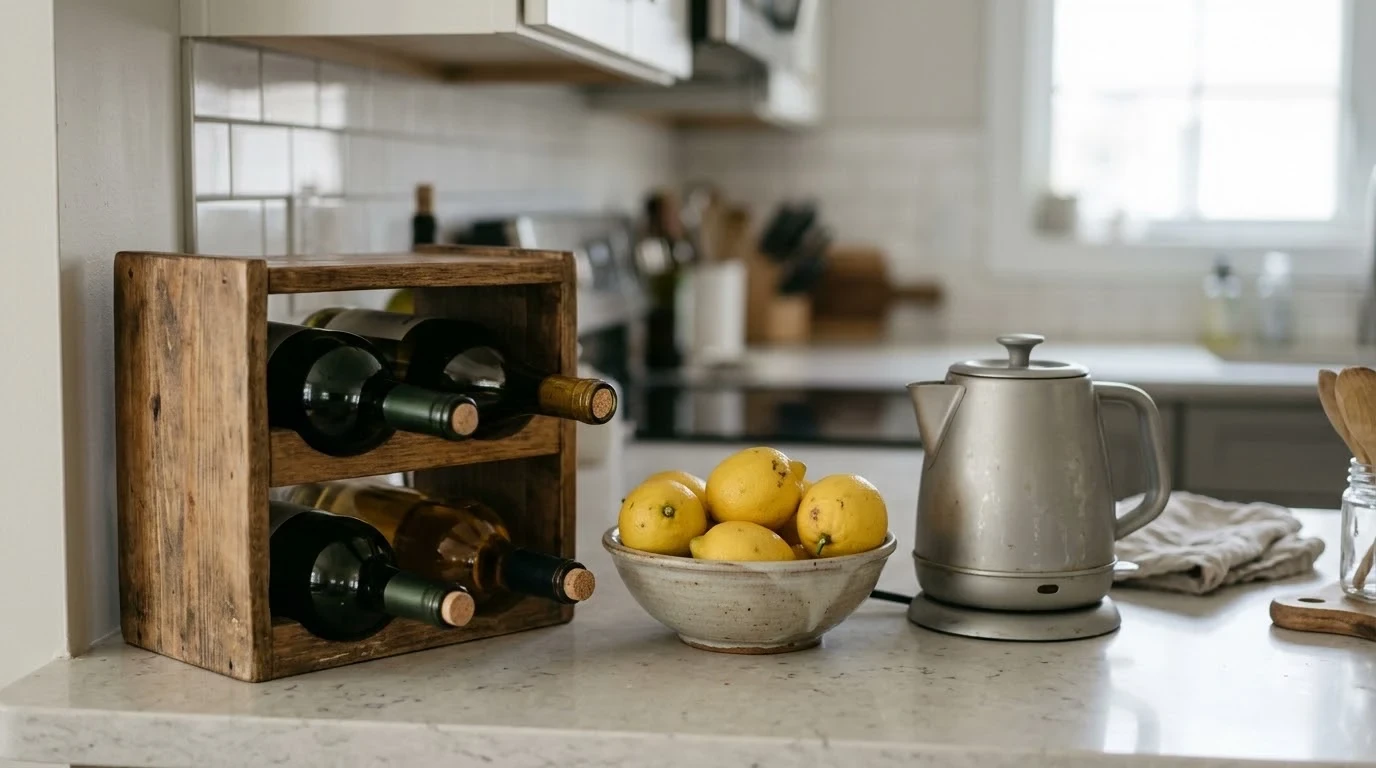
The best wine bottle crafts are the ones that match the bottle you have: a 750 ml standard bottle suits lamps, vases and serving pieces, while larger formats are better for statement planters and décor. Empty bottles are easy to reuse, but glass cutting and finishing take patience and the right tools. This guide groups popular wine bottle crafts by what they are for, shows how each one differs, and lists what to check before you start.
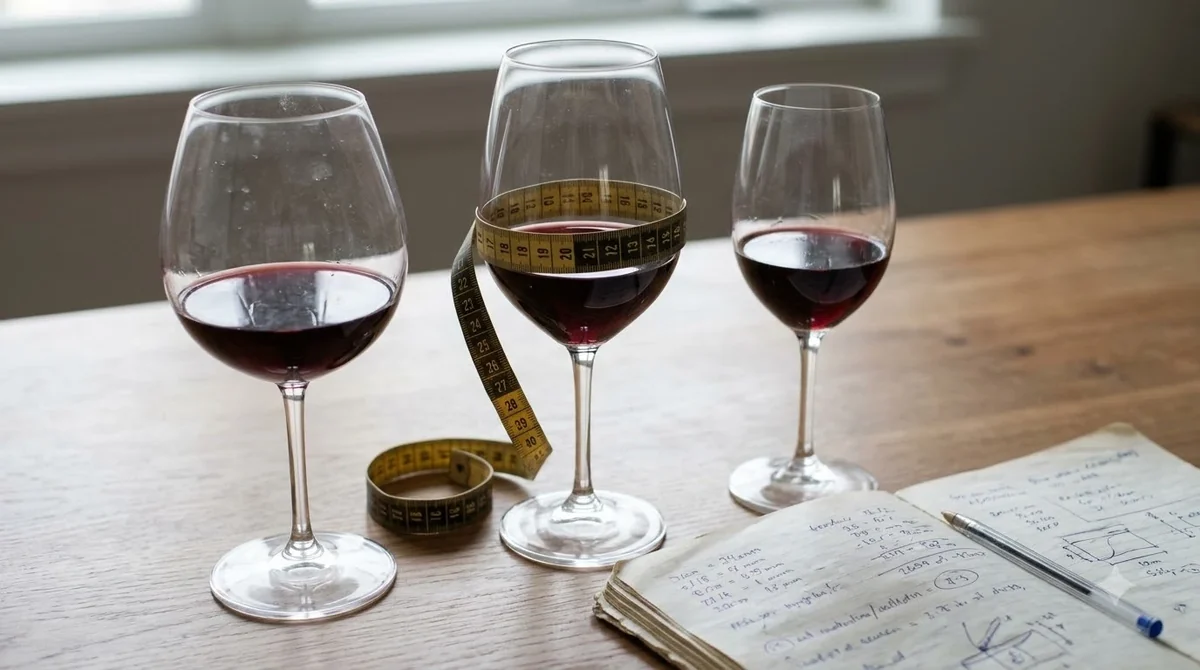
Wine bottles come in more sizes than most people expect. Wine Folly lists a 375 ml half bottle, the 750 ml standard bottle that covers most wine, and the 1.5 L magnum as common formats. Knowing the volume helps you pick a bottle with the right height and neck width for the craft you have in mind, and it keeps a project from turning into a guessing game at the workbench.
Quick Comparison of Wine Bottle Crafts
Most projects fall into a handful of groups. The table compares them by effort, bottle size and where the finished piece usually ends up, so you can narrow the choice before you pick a design.
| Craft type | Typical bottle | Effort | Where it ends up |
|---|---|---|---|
| Lighting and candle holders | Standard 750 ml | Medium to high | Table, shelf or patio |
| Vases and planters | Standard or magnum | Low to medium | Windowsill, entryway or garden |
| Cut-glass drinking pieces | Standard 750 ml | High | Bar cart or dinner table |
| Labeled gifts and keepsakes | Any size | Low | Gift table or shelf |
| Garden and outdoor décor | Standard or half bottle | Low to medium | Garden, fence or patio |
Best for Lighting and Candle Holders
Lighting projects turn an empty bottle into a warm glow for a table or shelf. A string of small lights set inside a clear bottle is the simplest version, while a cut bottle can serve as a hurricane-style candle shade. Both work best with a steady base and a bottle that is cleaned and dried before you start.
Why it stands out
It gives an ordinary bottle a second use after dinner, and a lit bottle adds a soft light to a room without much effort.
Keep in mind
Cutting glass takes care. Wear eye protection, score the line evenly and sand the edges smooth before lighting anything near the glass.
Best for
People who want a simple decorative piece for a table or shelf and do not mind a short learning curve.
Best for Vases and Planters
Vases and planters are the most forgiving projects. A bottle with a narrow neck holds a few stems, while a wider bottle can hold a small plant or dried flowers. For a planter, a shallow layer of gravel at the base helps the water drain away from the roots.
Why it stands out
There is almost no cutting, so beginners can finish a piece in an afternoon. The clear glass also shows the water and roots, which suits windowsill displays.
Keep in mind
A bottle with no drainage hole can hold standing water, so keep planters indoors or change the water often. Choose a plant that suits the small root space, and repot it when the roots fill the bottle so the stems do not stress. Trimming the leaves once a week keeps the display tidy and the water fresher.
Best for
Gardeners and first-time crafters who want a quick project with a visible result.
Best for Cut-Glass Drinking Pieces
Cut-glass drinking pieces turn the base of a bottle into a tumbler. The bottle is scored, separated and then sanded so the edge is safe to use. Because the glass is thick, the result feels solid in the hand, and many crafters prefer a standard 750 ml bottle for this work.
Why it stands out
The finished piece is useful every day, not just decorative. A set of matching tumblers makes a practical gift for a bar cart.
Keep in mind
This is the most demanding craft on the list. Smooth, rounded edges are essential, and the glass should be washed carefully before use. A rough rim is hard to fix once the piece is cut.
Best for
Experienced crafters who have already cut glass successfully and want a finished set of drinking pieces.
Best for Labeled Gifts and Keepsakes
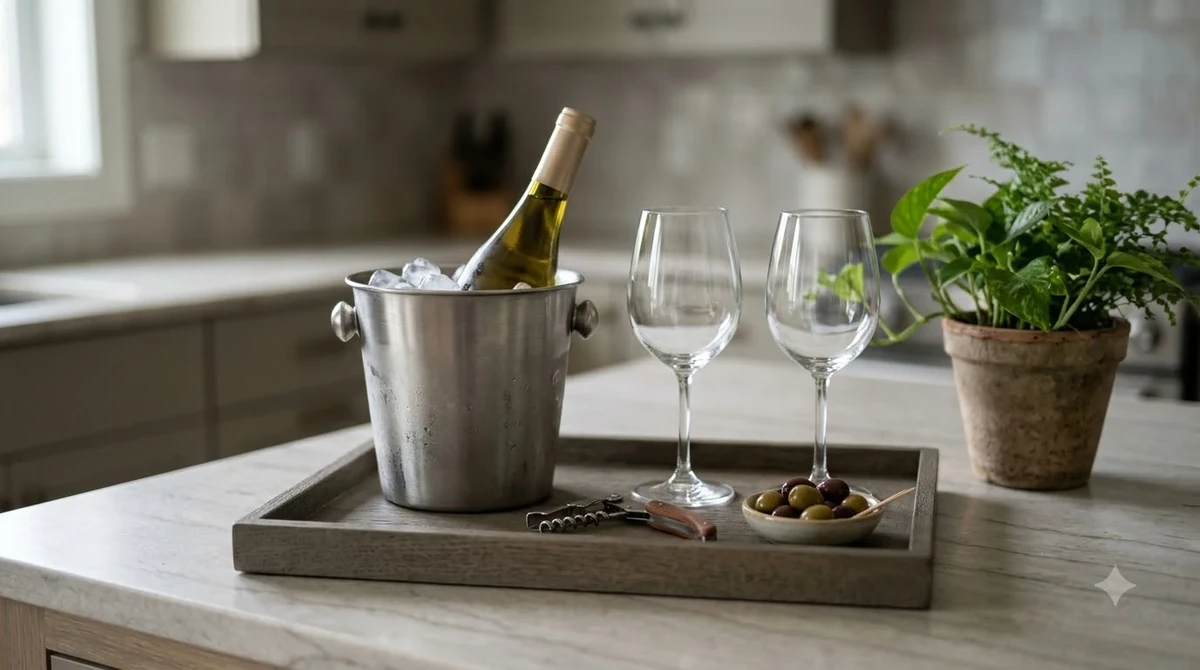
A labeled bottle is a quick gift that carries a message. You can paint or write on the glass, add a tag, or fit a printed wrap, and the bottle becomes a memento of a date, a trip or a celebration. Choosing a bottle from a meaningful vintage or region adds a personal touch.
Why it stands out
It takes little time and can be made for almost any occasion. Labels and tags are easy to swap, so one base bottle can serve several gifts.
Keep in mind
Paint and marker can wear off on glass that is handled often, so choose a product made for glass and let it cure fully. A label that peels in the gift bag looks careless. Test the paint on a spare bottle first, and keep a clean cloth nearby to fix any smudges before the piece is wrapped.
Best for
Anyone who wants a small, thoughtful present or a keepsake for a special day. For ideas on labels, see wine bottle labels.
Best for Garden and Outdoor Décor
Bottles can add color and light to a garden. Bottles set neck-down in soil create an edging for a flower bed, and a row of bottles can catch sunlight on a fence. Half bottles are easier to place in tight spaces, while standard bottles give a bolder look.
Why it stands out
It uses bottles you already have, and the color of the glass changes with the light through the day.
Keep in mind
Set bottles where children and pets cannot reach them, and check the edges after heavy rain or frost, since loose glass can shift.
Best for
Gardeners who want low-cost decoration with a bit of color and do not mind a simple layout.
How to Choose a Craft
Preparing the bottle is the step that most beginners skip, and it affects every project on this list. Remove the label with warm water and a plastic scraper, then soak the bottle to loosen any glue. Wash the inside with warm, soapy water and let it dry fully upside down, since trapped moisture can cloud the glass and weaken paint.
Start with the bottle you have and the skill you are willing to spend. That single decision narrows the list more than any pattern does. Then look at the practical details that affect the finished piece.
- Bottle size: a 750 ml bottle suits most projects, and a magnum adds height for planters or lamps.
- Glass cutting: skip cut-glass projects unless you have the tools and patience to finish the edge properly.
- Finish: choose paints, sealers and adhesives made for glass, and read the cure time before you handle the piece.
- Use: decide whether the bottle will hold water, a flame or food, since that changes the finishing steps.
Keep the bottles clean and dry before you start, and set up a flat, stable workspace. If you are not sure how many bottles you need, the guide on how many glasses in a bottle of wine helps you estimate how many empties a dinner party will leave behind.
Frequently Asked Questions
What is the easiest wine bottle craft for a beginner?
A vase or planter is the simplest start. It needs little or no cutting, and a clean bottle with a water-tight base is enough for a finished piece.
Which bottle size is best for crafts?
The 750 ml standard bottle is the most common and works for most projects. Larger magnums give more height for planters and lamps, while half bottles fit tight spaces.
Do I need special tools to cut a bottle?
Cutting glass usually needs a dedicated bottle cutter and sanding tools. Read the cutter’s instructions closely and wear eye protection before you begin.
Can I use a craft bottle to store food or drink?
Only if the bottle is thoroughly cleaned and the finish is rated for food contact. Decorative paint and adhesives often are not, so check the label before you use the piece for drinks.
Wine bottle crafts reward a careful start. Pick a project that matches your skill and your bottle, finish the edges and label, and browse the Accessories Library for tools and fittings that make the next project easier.
More in Wine Accessories
 Coravin Vs Vacu Vin: Choose the Right Wine Saver for Your BottlesUpdated Nov 21, 2026
 Zwilling Wine Stopper Review: Preserve Open Bottles LongerUpdated Nov 21, 2026
 Wine Enthusiast Wine Preserver Review: Features, Benefits and LimitationsUpdated Nov 21, 2026
 Wine Enthusiast Wine Stopper: An Easier Way to Reseal Open BottlesUpdated Nov 21, 2026
 Vintorio Wine Opener: Two-Step Cork RemovalUpdated Nov 21, 2026
 Zwilling Wine Aerator Review: Aerate, Pour, and Seal With One ToolUpdated Nov 21, 2026