

We may earn a commission when you buy through links on this page, at no extra cost to you. Learn more.
The best wine bottle labels depend on whether you are organizing a cellar, bottling homemade vintages, or dressing up gifts, with waterproof vinyl adhesive sheets, erasable neck hang tags, and removable paper labels leading the pack. Waterproof synthetic labels hold ink and adhesive tight inside ice buckets and humid refrigerators, while reusable hang tags let you catalog horizontal racks without leaving sticky residue on collectible glass. For custom party favors and home winemaking batches, printable matte or removable paper options provide crisp typography and clean peel-off removal when you are ready to reuse the bottle.
Whether you are labeling fifty bottles of backyard Merlot, prepping personalized favors for a wedding reception, or trying to tell a 2016 Bordeaux from a weeknight Cabernet lying flat on a rack, the wrong label quickly turns into a soggy, peeling mess. Paper stock, adhesive chemistry, and neck-tag geometry all behave differently once condensation, cellar humidity, or hot dishwater enters the picture. Breaking down the primary label formats by material and use case makes it simple to match the right tag or sticker to every bottle in your collection.
Quick Comparison
Different wine labeling formats balance moisture resistance, surface adhesion, and reusability across distinct storage and serving environments.
| Label Type | Material | Moisture Resistance | Removability | Best Use Case |
|---|---|---|---|---|
| Waterproof Vinyl Adhesive Labels | BOPP or matte synthetic vinyl | High (ice bucket and fridge safe) | Moderate (peels cleanly with warm water) | Chilled whites, sparkling wines, and outdoor parties |
| Reusable Cellar Neck Hang Tags | Heavyweight coated cardstock or PVC | High (no adhesive to fail) | Instant (slips over bottle neck) | Horizontal wine racks and long-term cellar tracking |
| Removable Printable Paper Labels | Matte paper with low-tack adhesive | Low to moderate (dry storage only) | High (peels dry with zero residue) | Home winemaking batches and reusable glass bottles |
| Textured Estate-Style Foil & Cotton Labels | Cotton rag, laid paper, or metallic foil | Moderate (resists light condensation) | Low (requires soaking to remove) | Weddings, milestone gifts, and commemorative bottles |
| Chalkboard & Dry-Erase Reusable Stickers | Matte vinyl chalkboard film | Moderate to high (wipe-clean surface) | High (repositionable and erasable) | Blind tastings, decanters, and rotating pantry storage |
Best for Chilled Bottles & Ice Buckets: Waterproof Vinyl Adhesive Labels
Waterproof vinyl and BOPP (biaxially oriented polypropylene) adhesive labels are the top choice for white wines, rosés, and sparkling bottles that spend hours submerged in ice water or resting in humid refrigerators. Unlike standard wood-pulp paper that bubbles, tears, and bleeds ink upon contact with condensation, synthetic film keeps graphics sharp and edges firmly bonded.
Why it stands out: Synthetic vinyl stocks pair a moisture-impervious face sheet with an acrylic adhesive formulated to grip cold, curved glass without curling at the corners. Most sheets work smoothly through standard home inkjet or laser printers, locking pigment in place so dark reds and crisp borders will not streak when guests pull a dripping bottle from a cooler. Reviewers at home winemaking forums consistently favor matte synthetic vinyl over glossy plastic because the satin finish mimics traditional winery paper while shrugging off melting ice.
Keep in mind / Best for: Inkjet-printed vinyl labels resist condensation and brief splashes well, though prolonged multi-day submersion can still soften unlaminated inkjet dye unless you use laser toner or apply a clear protective laminate spray. This category is best for summer gatherings, celebratory Champagne favors, and home brewers bottling crisp whites, ciders, or sparkling meads destined for the fridge.

- Pack
- 60 labels (10 sheets)
- Label Size
- 4" x 3-1/3"
- Material
- Waterproof matte white paper
- Printer
- Inkjet and laser
Bottles that spend time on ice need labels that survive condensation, and this waterproof matte white stock is made for that. Ink does not run when wine or water drips, and the tear-resistant sheets print on inkjet or laser printers. Each 8.5 x 11 inch sheet yields six labels sized for 750 ml Bordeaux or Burgundy bottles.
Pros & ConsView
- Waterproof stock keeps ink from running
- Tear-resistant and printable on inkjet or laser
- Sixty labels sized for 750 ml bottles
- Permanent adhesive leaves residue when removed
- Printer templates may need testing on your machine
Best for Cellar Organization: Reusable Neck Hang Tags
Slotted neck hang tags slip directly over the bottleneck to display vintage, varietal, and drinking-window notes at a glance, making them indispensable for bottles stored horizontally on racks. Because they rely on a die-cut collar rather than glue, they protect original producer labels from scuffs and adhesive residue.
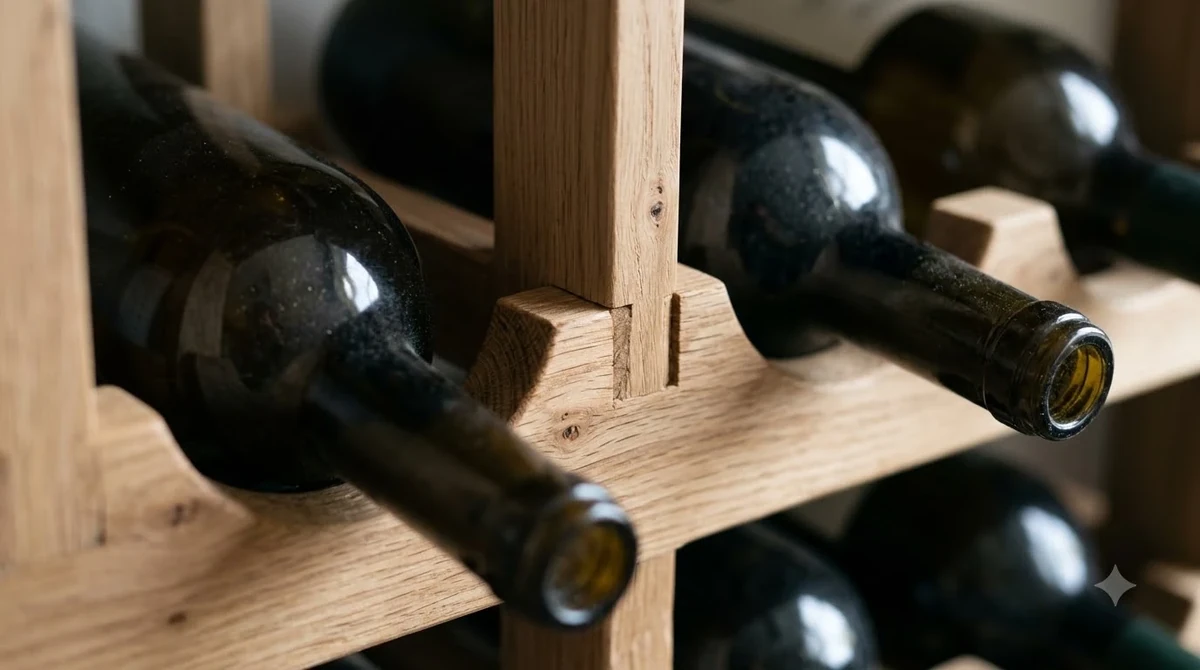
Why it stands out: When bottles lie flat inside a wooden rack or wine bottle holder, the front label disappears from view, forcing you to pull bottles out repeatedly and disturb sediment just to check a vintage. According to storage guides from Wine Enthusiast, color-coded neck tags let collectors separate regions or flag bottles approaching peak maturity versus those meant for long-term aging. Quality tags feature wide die-cut openings with radial slits that hug standard Bordeaux shoulders without slipping off wide-flanged Champagne necks.
Keep in mind / Best for: Uncoated cardstock tags can soften over several years if your basement humidity climbs above 70 percent, so collectors with damp cellars should choose coated synthetic or rigid PVC tags. Hang tags are best for serious collectors, multi-case buyers, and anyone organizing a temperature-controlled wine fridge or cellar rack.

- Pack
- 60 labels (10 sheets)
- Label Size
- 4 x 3.35 inches
- Material
- Waterproof paper, self-adhesive
- Printer
- Laser and inkjet
A cellar stays manageable when every bottle carries the same type of label. Print vintage, variety or bin number onto these self-adhesive sheets, six to a page, and apply them in one pass. The waterproof paper handles dripping, and the large printable area leaves room for a short note. Note these are stickers, not hang tags.
Pros & ConsView
- Six labels per sheet speeds up batch labeling
- Waterproof paper with self-adhesive back
- Prints on laser and inkjet printers
- Adhesive stickers cannot be reused
- Not hang tags or reusable neck tags
Best for Home Winemaking & Bottle Reuse: Removable Printable Paper Labels
Removable matte paper labels use a specialized low-tack adhesive engineered to hold flat during storage yet peel away in a single dry piece when it is time to sanitize and refill the glass. For hobbyist winemakers who recycle the same cases year after year, this format eliminates tedious razor scraping and hot-water soaking.
Why it stands out: Traditional permanent glue turns bottle cleanup into a sticky chore, often leaving stubborn gray smears across the glass that ruin the look of your next vintage. Low-tack removable paper behaves like a heavy-duty sticky note, gripping clean, dry glass through months of cellar aging while releasing cleanly with a gentle tug from one corner. Standard 8.5-by-11-inch die-cut sheets align with free online design templates, allowing home vintners to print varietal names, harvest dates, and alcohol percentages in small batches without waste.
Keep in mind / Best for: Because these labels use wood-pulp paper and gentle adhesive, they are not built for ice buckets or high-moisture coolers where water can wick into the paper fibers. Removable paper labels are best for home winemakers, small-batch kitchen infusions, and dry-stored red wines that go straight from the rack to the table.

- Pack
- 120 labels (30 sheets)
- Label Size
- 4" x 5"
- Finish
- Matte, smudge-resistant print
- Printer
- Laser and inkjet
Home winemakers who rebottle their own batches need plenty of blank labels, and 120 of them at 4 x 5 inches is a generous supply. The matte surface prevents ink smudges and can be written on with pens or markers. Templates are offered in PDF and Word, and the labels stick to cardboard, plastic, paper and most flat surfaces.
Pros & ConsView
- 120 large labels give plenty of room for batches
- Matte surface takes pens, markers and printers
- Print templates download in PDF and Word
- Generic labels, not designed for wine bottles
- No water resistance is listed for ice buckets
Best for Weddings & Milestone Gifts: Textured Estate-Style Labels
Textured cotton-rag, laid-paper, and metallic-foil labels bring authentic tasting-room gravitas to wedding table numbers, anniversary gifts, and corporate holiday bottles. Their tactile grain and subtle sheen transform an ordinary store-bought bottle into a personalized keepsake that looks custom-bottled at an estate winery.
Why it stands out: High-end commercial wineries rely on heavyweight textured stocks because embossed fibers catch warm dining-room light far more gracefully than flat office sticker paper. Many estate-style sheets include moisture-resistant wet-strength coatings that prevent the paper from disintegrating during dinner service, alongside permanent adhesive that wraps smoothly around tapered Burgundy or straight-sided Bordeaux glass. Pairing a custom front label with a matching back label lets you include tasting notes, a personal toast, or the exact serving count—helpful when planning how many glasses in a bottle of wine guests can expect per table.
Keep in mind / Best for: Permanent estate-grade adhesive bonds aggressively to glass, so plan to soak empty keepsake bottles in warm soapy water if you want to save the glass afterward, and always strip the original commercial label first so old borders do not telegraph through. These labels are best for bridal showers, engagement announcements, milestone birthdays, and polished client gifts.

- Pack
- 40 labels
- Label Size
- 4.75" x 3.5"
- Finish
- Textured matte white, arched
- Features
- Water resistant, permanent adhesive
The arched shape and textured white finish give a wedding or anniversary bottle a more finished, estate-style look. Print-to-the-edge technology allows full-bleed backgrounds, and Sure Feed helps prevent jams. The water-resistant labels stay put on chilled glass, and templates on the maker's site make personalizing a small run of gift bottles simple, whether for favors, toasts or a milestone dinner.
Pros & ConsView
- Arched shape gives a polished estate-style look
- Full-bleed printing with Sure Feed technology
- Water resistant and secure on glass bottles
- Permanent adhesive is hard to reposition
- Only 40 labels per pack
Best for Blind Tastings & Rotating Bars: Chalkboard & Dry-Erase Labels
Reusable chalkboard and dry-erase vinyl stickers let you write, wipe clean, and relabel bottles, carafes, and spirit decanters on the fly. They offer a flexible, zero-waste labeling solution for hosts running blind wine tastings or managing an ever-changing home bar setup.
Why it stands out: During a blind tasting party, numbering bottles cleanly without peeling off producer labels or wrestling with loose paper bags keeps the pour neat and organized. Thick matte chalkboard vinyl sticks securely to glass, ceramic, or metal, accepts liquid chalk markers without ghosting, and wipes clean with a damp cloth once the scores are tallied. Beyond tasting nights, these labels keep open vermouths, homemade simple syrups, and batched cocktails clearly dated on a bar cart without generating single-use sticker clutter.
Keep in mind / Best for: Standard dry-erase ink can smudge if brushed by damp hands during pouring, so liquid chalk markers that dry to a smudge-resistant finish work far better on chilled bottles. Chalkboard labels are best for blind tasting hosts, decanter organization, and multi-purpose kitchen or bar storage.
How to Choose
Selecting the right wine bottle label starts with matching the adhesive and face material to the bottle’s environment. Consider these four practical factors before ordering a pack:
- Storage temperature and moisture: Bottles destined for ice buckets, coolers, or standard kitchen refrigerators need waterproof BOPP or synthetic vinyl. Dry cellar racks and room-temperature gift tables allow textured cotton, laid paper, or removable matte stocks.
- Bottle shape and shoulder taper: Straight-walled Bordeaux bottles accept tall rectangular labels without wrinkling, whereas sloped Burgundy, Pinot Noir, and Champagne bottles require slightly shorter labels or flexible vinyl films that conform to compound curves without bubbling.
- Printer compatibility: Check whether blank label sheets are engineered for inkjet printers, laser printers, or both. Laser printers fuse toner with heat and deliver superior water resistance on synthetic stocks, while inkjet printers produce rich color gradients on coated matte paper.
- End-of-life cleanup: If you collect rare vintages or refill bottles for home winemaking, avoid permanent adhesives on the glass. Choose slotted neck hang tags for cellar cataloging or low-tack removable paper for temporary batch identification.
Tip: Before applying any new adhesive label over a commercial bottle, soak the bottle in warm water with a tablespoon of baking soda for 20 minutes to slide off the factory label cleanly, then wipe the glass with rubbing alcohol so oils do not weaken the new bond.
Frequently Asked Questions
How do you apply a wine bottle label without air bubbles or wrinkles?
Start with completely clean, dry room-temperature glass, as condensation prevents adhesive from gripping evenly. Align the center of the label vertically along the bottle’s middle seam first, press down firmly down the center spine, and smooth outward toward the left and right edges with your thumbs. Applying from the middle outward pushes trapped air out the sides rather than sealing bubbles underneath.
What size label fits a standard 750ml wine bottle?
Most standard 750ml Bordeaux and Burgundy bottles look best with a front label measuring roughly 3.5 inches wide by 4 inches tall, or 4 inches wide by 3.33 inches tall for a wider landscape layout. Leaving at least half an inch of clear glass below the shoulder curve prevents the top corners from creasing as the bottle narrows toward the neck.
How do you protect original wine labels from humidity in a cellar?
High cellar humidity above 70 percent can cause uncoated paper labels to warp, peel, or grow mold over long aging periods. Storage specialists at Decanter note that wrapping clean, dry bottles tightly in clear kitchen cling film or applying a light coat of unperfumed extra-hold lacquer spray creates an effective moisture barrier. Pairing protective wrap with a neck hang tag lets you identify the bottle without unwrapping it.
Can you print wine bottle labels on a regular home printer?
Yes, most blank die-cut wine label sheets are formatted on standard 8.5-by-11-inch backing paper for home inkjet and laser printers. Always match the sheet coating to your printer type and select the “labels” or “heavyweight matte” paper setting in your print dialog so the printer feeds the thicker stock slowly and sets the ink properly.
Matching your label material to how each bottle is stored, chilled, or gifted saves you from soggy paper and stubborn glue residue later on. Once your bottles are clearly tagged and organized, explore our full Accessories Library to round out your cellar racks, openers, and serving tools.
More in Wine Accessories
 Coravin Vs Vacu Vin: Choose the Right Wine Saver for Your BottlesUpdated Nov 21, 2026
 Zwilling Wine Stopper Review: Preserve Open Bottles LongerUpdated Nov 21, 2026
 Wine Enthusiast Wine Preserver Review: Features, Benefits and LimitationsUpdated Nov 21, 2026
 Wine Enthusiast Wine Stopper: An Easier Way to Reseal Open BottlesUpdated Nov 21, 2026
 Vintorio Wine Opener: Two-Step Cork RemovalUpdated Nov 21, 2026
 Zwilling Wine Aerator Review: Aerate, Pour, and Seal With One ToolUpdated Nov 21, 2026