


We may earn a commission when you buy through links on this page, at no extra cost to you. Learn more.
The best wine bottle caddy for most people is a handled carrier that holds two bottles snugly and keeps them upright, because it handles the job of moving bottles to a table, a party, or a car without tipping them. Open-frame stands suit bottles you want within reach at home, tiered racks suit storage, and fitted carriers suit gifts. Pick by how you move bottles, how many you carry at once, and whether the caddy stays on a counter or goes out the door.
A wine bottle caddy is a simple piece of gear, but the designs differ more than they look. Some are built to carry, others to hold bottles at rest, and a few do both. This guide groups the main options by how you use them and explains what to check before you buy. The goal is to keep bottles steady, avoid bumps to the neck and label, and make it easy to reach for the bottle you want.
Quick Comparison of Wine Bottle Caddy Styles
Caddies fall into four broad groups. They differ mainly in whether they are built to carry, how many bottles they hold, and how stable they are when set down. The table gives a side-by-side view so you can narrow the list before reading the details.
| Caddy style | Main job | Bottles held | Stability | Best for |
|---|---|---|---|---|
| Handled two-bottle carrier | Moving bottles | Usually two | Good when set down flat | Dinners and gatherings |
| Open-frame countertop stand | Holding bottles in reach | Two to four | Good on a counter | Kitchens and bars |
| Tiered floor rack | Storing bottles | Six or more | Very stable | Pantries and garages |
| Fitted gift carrier | Presenting a bottle | One or two | Good when set down flat | Hosts and gift-givers |
Best for Carrying Two Bottles to Dinner
A handled two-bottle carrier suits anyone who arrives at a dinner with wine and wants the bottles to stay upright during the walk. The handle keeps your hand away from the bottle necks, and a padded cradle holds each bottle steady while you walk or drive. This is the style most people mean when they search for a wine bottle caddy.
Why it stands out: a handle lets you carry two bottles at once without pinching the necks, and the cradle keeps the labels from rubbing. Many carriers are light enough to hold with one hand when empty.
Keep in mind: two full bottles are heavy, so a carrier that holds more than it can comfortably lift will be awkward on stairs. Check the handle strength and the way the bottles sit, especially if one bottle is taller than the other.
Best for: dinner guests, neighbors, and anyone who moves wine between rooms or into a car.
Best for Countertop Storage Within Reach
An open-frame countertop stand keeps two to four bottles where you can reach them, without taking up a full shelf. Open frames let you see the labels, and the bottles sit at rest rather than moving. This style suits a kitchen counter or a bar corner where you pour from the same few bottles each week.

Why it stands out: the open frame makes the labels easy to read, and the stand keeps bottles at a steady angle so the wine does not shift. It also looks tidy on a counter when it is the only storage in view.
Keep in mind: an open frame does not protect bottles from light or heat. Keep it away from a window or a stove, and move any opened bottle into the refrigerator. The VinePair guide on storing open wine notes that cold slows the damage that oxygen does to wine, compared with leaving it on the counter.
Best for: people who keep a few everyday bottles close at hand.
Best for Storing Six or More Bottles
A tiered floor rack holds six or more bottles on their sides, which keeps corks moist for bottles you plan to keep. Racks of this kind are sturdy and stay in place, so they suit a pantry, a garage, or a spare closet. Materials range from wood to steel, and the choice affects weight, looks, and how the rack handles humidity.
Why it stands out: a tiered rack keeps a large number of bottles in one spot, and the on-its-side position is the standard way to store bottles with corks. The base is wide enough to stay upright on a floor.
Keep in mind: a rack is for storage, not for carrying. Filling it with bottles makes it heavy, so place it where it will stay. Keep it out of direct sunlight, since light and heat do more harm to wine than a short trip does.
Best for: collectors and households with a small stock of bottles to keep.
Best for Gifting a Single Bottle Well
A fitted gift carrier holds one or two bottles inside a sleeve or tray, so the bottle looks finished when you hand it over. The tray keeps the bottle from sliding and gives the gift a neat presentation, which a loose bag does not. It is a good pick when you want the carrier to look as good as the wine.
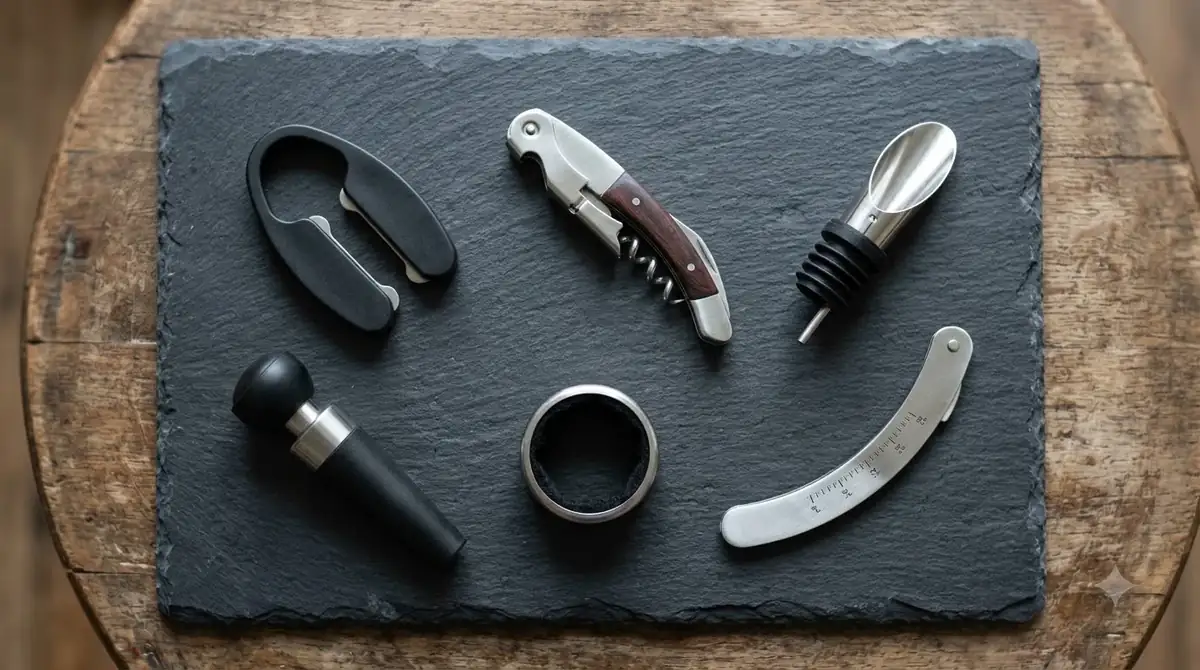
Why it stands out: the fitted tray keeps the bottle still during transport, and the finished look suits a dinner or a holiday. Some carriers include a collar or ring that catches drips after the bottle is opened.
Keep in mind: a snug carrier can be hard to fit with a larger format bottle, so check the bottle size before you buy. Also check whether the carrier has a handle, since a gift tray without one is harder to carry.
Best for: hosts, colleagues, and anyone bringing a bottle as a present.
Best for Mixed Bottles and Frequent Use
A caddy with adjustable or removable cradles suits a household that uses different bottle shapes, such as a tall Burgundy-style bottle beside a straight-sided Bordeaux-style one. Adjustable cradles let the same caddy hold either shape, which means one unit can serve several purposes in the home.
Why it stands out: the adjustable design covers more bottle shapes, and the removable cradles are easier to wipe clean. The caddy stays useful when your wine habits change.
Keep in mind: adjustable parts can loosen over time, so check the screws or clips every few months. A caddy built around one bottle shape may be simpler and steadier if you only buy one style.
Best for: people who buy wine from several regions and want one caddy for all of it.
How to Choose a Wine Bottle Caddy
Start with how you move bottles and how many you handle at once. Then check the stability and the bottle shapes you use most often, because a caddy that fits one bottle well may wobble with another.
- Carry or hold: a handled carrier is for moving bottles, while a stand or rack is for keeping them in place.
- Bottle count: match the number of bottles to what you actually handle, with room to spare for taller bottles.
- Bottle shape: Bordeaux, port, and sherry bottles are straight-sided with a high shoulder, while Burgundy and Rhône bottles are taller with sloping shoulders. Adjustable cradles handle both.
- Base: a wide, flat base keeps the caddy steady on a counter or floor.
- Materials: wood and steel look formal and hold weight well, while lighter materials are easier to carry.
Tip: label each bottle before you store it in a caddy, so you know which one to reach for without lifting every bottle. The guide on wine bottle labels covers easy options for marking bottles.
Frequently Asked Questions
What is the difference between a wine bottle caddy and a wine bottle holder?
A caddy usually means a unit built to carry or move bottles, often with a handle. A holder is generally a fixed stand that keeps one or more bottles in place. The terms overlap, so check the product description for whether it carries, stores, or displays the bottle.
How many bottles should a wine bottle caddy hold?
Two bottles suit a carrier for a dinner, while a countertop stand usually holds two to four. Tiered racks hold six or more. Choose a count that matches how often you move bottles and how much space you have.
Should I store wine in a caddy on the counter?
A caddy on the counter is fine for bottles you plan to finish soon, but keep it away from heat and direct sun. Any opened bottle should go into the refrigerator, because cold slows the damage that oxygen does to wine.
Do bottles need to lie on their sides in a caddy?
For bottles with corks that you plan to keep for a long time, lying on the side keeps the cork moist. For a bottle you will open within a few days, an upright carrier or stand works well. The Wine accessory article describes racks that hold bottles on their sides for long-term aging, which keeps the cork moist.
For a caddy that fits your overall setup, check the Accessories Library, which lists related serving and storage gear. If you are planning how much wine to bring, the guide to how many glasses in a bottle of wine gives a simple way to count servings. For storage and holding options, see the wine bottle holder guide, which covers fixed stands in more depth.
More in Wine Accessories
 Coravin Vs Vacu Vin: Choose the Right Wine Saver for Your BottlesUpdated Nov 21, 2026
 Zwilling Wine Stopper Review: Preserve Open Bottles LongerUpdated Nov 21, 2026
 Wine Enthusiast Wine Preserver Review: Features, Benefits and LimitationsUpdated Nov 21, 2026
 Wine Enthusiast Wine Stopper: An Easier Way to Reseal Open BottlesUpdated Nov 21, 2026
 Vintorio Wine Opener: Two-Step Cork RemovalUpdated Nov 21, 2026
 Zwilling Wine Aerator Review: Aerate, Pour, and Seal With One ToolUpdated Nov 21, 2026