

We may earn a commission when you buy through links on this page, at no extra cost to you. Learn more.
Williams Sonoma crystal wine glasses are a worthwhile choice for shoppers who want attractive stemware, clearly specified capacities, and options ranging from everyday dishwasher-safe sets to more decorative crystal designs. The Reserve, Reserve Optic, Open Kitchen, and Pantry collections serve different needs, so the right purchase depends on your preferred wine styles, cleaning routine, and budget. For everyday versatility, Open Kitchen is a practical starting point; for more distinctive presentation, Reserve Optic offers mouth-blown, lead-free crystal.
Williams Sonoma offers more than one interpretation of crystal stemware. Some glasses emphasize straightforward proportions and convenient cleaning, while others feature specialist shapes, textured finishes, and more elaborate craftsmanship. Understanding those differences matters because a beautiful wine glass is only a good purchase if its capacity, shape, and maintenance requirements fit the way you actually serve wine.
Specs and Key Features
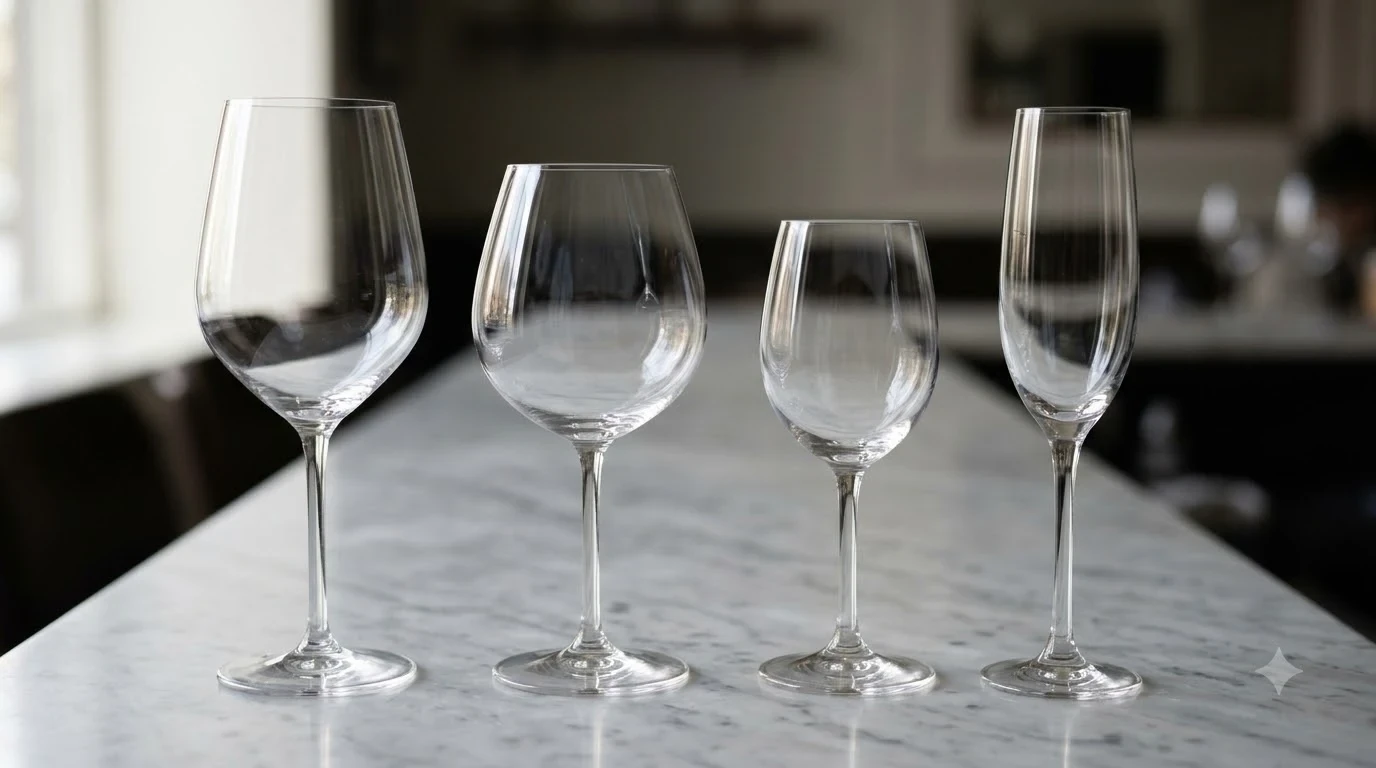
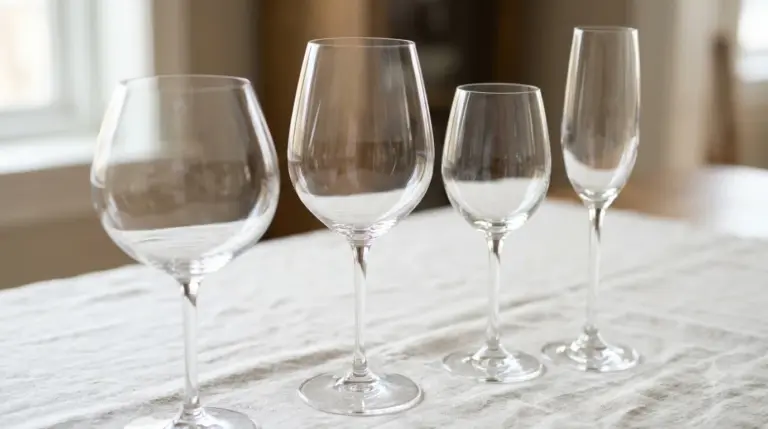
Williams Sonoma’s crystal wine glasses cover several distinct approaches to stemware, from practical German-made sets to mouth-blown crystal designed for more formal entertaining. The Reserve collection is particularly interesting because it includes dedicated Cabernet and Chardonnay shapes alongside matching stemless options.
The Reserve collection is the retailer’s signature approach to wine presentation. Williams Sonoma describes it as an in-house design developed with sommeliers, winemakers, and chefs, with production entrusted to master glass blowers. Its long stems and generous bowls give the collection a more traditional fine-dining appearance. The Cabernet glass holds 23.6 ounces, while the Chardonnay version holds 16.9 ounces. Those capacities provide room for swirling without requiring a large serving.
Reserve Optic takes a different visual direction. Its mouth-blown clear crystal has a textured surface that catches light, and Williams Sonoma explicitly describes this collection as made without lead. It includes several glass shapes, including Cabernet, Sauvignon Blanc, and Champagne flute designs. The Cabernet model has a relatively compact 11.5-ounce capacity, while the Sauvignon Blanc glass holds 12.5 ounces. The flute holds 9.1 ounces.
Open Kitchen and Pantry are more practical alternatives. Open Kitchen offers dedicated red and white wine glasses, while Pantry uses a straightforward machine-blown design intended for regular use. Both collections are made in Germany, and both offer dishwasher-safe options. These distinctions make them particularly relevant for households that want crystal presentation without committing to hand-washing every glass.
| Collection or glass | Capacity | Height | Material and care |
|---|---|---|---|
| Reserve Chardonnay | 16.9 oz. | 9 in. | Clear crystal; dishwasher safe |
| Reserve Cabernet | 23.6 oz. | 9.75 in. | Clear crystal; dishwasher safe |
| Reserve Optic Cabernet | 11.5 oz. | 9.75 in. | Lead-free crystal; hand-wash |
| Reserve Optic Sauvignon Blanc | 12.5 oz. | 8.75 in. | Lead-free crystal; hand-wash |
| Reserve Optic Champagne flute | 9.1 oz. | 10 in. | Lead-free crystal; hand-wash |
| Open Kitchen white wine | 12.5 oz. | 8 in. | German crystal; dishwasher safe |
| Open Kitchen red wine | 21.5 oz. | 9 in. | German crystal; dishwasher safe |
| Pantry wine glass | 18 oz. | 8.75 in. | Machine-blown crystal; dishwasher safe |
One important distinction concerns capacity. A 23.6-ounce Cabernet glass is not intended to hold a full bottle or even a particularly large serving. Its generous volume gives wine room to move and release aromas. A typical 5-ounce wine pour occupies only a portion of the bowl, leaving space for swirling.
For shoppers comparing the wider market, our guide to crystal wine glasses explains how material, rim construction, and bowl proportions affect the buying decision.
What Owners and Wine Drinkers Like
The strongest reasons to consider Williams Sonoma crystal stemware are its variety of designs, clearly stated dimensions, and the availability of practical dishwasher-safe collections. The brand also offers enough stylistic variation to accommodate casual dinners, formal tables, and dedicated wine-serving setups.

One appealing feature is the distinction between the collections rather than simply offering different capacities in identical-looking glasses. Reserve emphasizes a classic wine-service appearance, with long stems and generous bowls. Reserve Optic introduces a decorative surface that reflects light without adding colored glass that could obscure the wine’s appearance. Open Kitchen keeps things simpler, with familiar silhouettes suited to frequent use.
That variety matters for households that serve several wine styles. A Cabernet Sauvignon drinker may appreciate the large bowl of the Reserve Cabernet glass, while someone who regularly pours Sauvignon Blanc may prefer a smaller, more focused white-wine shape. The Open Kitchen white glass, with its 12.5-ounce capacity and 8-inch height, is a sensible everyday option.
The retailer’s material and care descriptions are another useful advantage. Buyers can distinguish the Reserve Optic lead-free range from collections simply described as crystal, rather than assuming every product shares identical specifications. This is particularly helpful for shoppers who have a specific material preference.
Food & Wine’s examination of Williams Sonoma glassware also offers useful context. Its review of the retailer’s Dorset crystal double old-fashioned glasses highlights the decorative appeal of hand-cut crystal, including the fluting that catches light and provides additional grip. The publication also points out that these glasses are hand-wash only, illustrating the maintenance trade-off that can accompany more decorative pieces.
Although those Dorset glasses are cocktail tumblers rather than wine stemware, the review helps explain the broader appeal of the retailer’s glassware: decorative details, clarity, and distinctive presentation. Read Food & Wine’s glassware review for additional perspective on the brand’s crystal and decorative designs.
There is also a practical advantage to having multiple matching shapes within a collection. Hosts can coordinate wine glasses with other tableware without assembling a collection from unrelated manufacturers. The Reserve range, for example, includes stemmed glasses, stemless tumblers, and a decanter. That makes it easier to create a consistent appearance across different serving situations.
Another positive is the availability of different glass sizes. The 21.5-ounce Open Kitchen red wine glass gives fuller reds plenty of room, while the 12.5-ounce white glass has proportions that suit more restrained white-wine service. Buyers do not have to select one oversized universal glass if they would rather keep red and white stemware separate.
For a household building its first proper collection, this selection offers room to start with a straightforward set and add more specialized pieces later.
Common Complaints and Potential Drawbacks
The biggest potential drawbacks are collection-specific care requirements, differences in capacity, and the possibility of choosing a decorative glass that does not suit everyday use. Crystal is not automatically the most convenient option simply because it has a refined appearance.
Reserve Optic requires hand washing, which is an important consideration for anyone accustomed to loading all their glassware into a dishwasher. Its mouth-blown construction and textured surface make it visually distinctive, but the additional cleaning attention may not suit a busy household.
By comparison, Open Kitchen and Pantry are explicitly described as dishwasher safe. That is a meaningful difference, especially when a household regularly serves wine to four, six, or eight guests. Washing a full collection by hand after every gathering requires considerably more time than using an approved dishwasher cycle.
Capacity can also be confusing. A large glass is not necessarily a better glass for every wine. The Reserve Cabernet’s 23.6-ounce capacity is considerably greater than the 11.5-ounce Reserve Optic Cabernet glass. The difference reflects separate design approaches, not a simple quality ranking.
Buyers who prefer modest, easy-to-handle stemware may find some large-bowl designs cumbersome. Tall glasses also need enough cabinet clearance and sufficient room in the dishwasher rack. The 9.75-inch Reserve Cabernet and Reserve Optic Cabernet are particularly important dimensions to consider before purchasing.
There is another distinction involving material terminology. Williams Sonoma identifies certain collections as crystal and explicitly identifies Reserve Optic as lead-free. However, the general description of a product as crystal does not establish that every item in every collection uses the same formulation. Anyone who requires an explicitly documented lead-free product should choose a collection whose product description provides that information.
Decorative finishes may also be less suitable for buyers who want completely plain tasting glasses. Decanter recommends clear, uncomplicated glassware for assessing wine’s color and explains that an inward-tapering bowl helps retain aromas. Textured glass can look attractive on a dining table, but it is not necessarily the first choice for someone who prioritizes an unobstructed view of every wine.
Finally, dishwasher-safe does not mean indestructible. Stemware can still chip or break when glasses touch one another, when they are crowded into racks, or when they are handled carelessly around the stem and base. Even practical crystal requires reasonable attention.
Tip: Measure your cabinet and dishwasher clearance before choosing a tall wine glass. A glass measuring 9.75 inches high may not fit comfortably in every dishwasher rack or enclosed storage shelf.
Who Should Buy and Who Should Skip
Williams Sonoma crystal wine glasses make the most sense for people who appreciate coordinated tableware and want to select their glassware according to serving style. The range is particularly attractive to hosts who entertain regularly and want distinct options for red wine, white wine, and sparkling wine.
Who should buy them
Everyday wine drinkers should look first at Open Kitchen and Pantry. Their dishwasher-safe construction removes much of the inconvenience associated with maintaining a collection of crystal stemware. The Open Kitchen white glass has a 12.5-ounce capacity, while its red counterpart holds 21.5 ounces. Those separate proportions provide a useful distinction without requiring several highly specialized shapes.
Formal hosts may prefer Reserve. Its long stems, generous capacities, and coordinated glassware options suit a carefully arranged dining table. The 16.9-ounce Chardonnay glass and 23.6-ounce Cabernet glass provide two distinct serving formats, and the accompanying decanter can be useful when preparing wines before dinner.
Design-conscious shoppers should consider Reserve Optic. Its mouth-blown, lead-free crystal and textured finish make it a more visually distinctive option. It is especially suitable for buyers who value decorative presentation and are comfortable washing stemware by hand.
Gift buyers can also find attractive options. A coordinated set of matching crystal glasses is appropriate for weddings, anniversaries, housewarmings, and other occasions where useful tableware is preferable to a purely decorative gift.
Who should skip them
Shoppers who regularly break delicate glassware may prefer thicker, less expensive everyday glasses. Crystal stemware can offer attractive clarity and a fine rim, but it is not the right purchase for every environment.
People who want an explicitly lead-free product should avoid making assumptions based on the general word crystal. The Reserve Optic collection is specifically identified by Williams Sonoma as lead-free, which makes it the clearer choice for that requirement.
Those who dislike hand washing should also avoid Reserve Optic and other collections whose care instructions require it. Open Kitchen and Pantry offer more practical alternatives within the same retailer’s selection.
Finally, wine drinkers who want a specialized professional tasting glass may prefer a simpler, undecorated design. A dedicated tasting glass should prioritize a clear bowl, an inward-tapering opening, and proportions that allow consistent pours rather than decorative finishes.
For a wider comparison of material choices, see our guide to lead free crystal wine glasses.
How Williams Sonoma Compares to Alternatives
Williams Sonoma competes in a broad stemware category that includes dedicated wine-glass manufacturers and retailers offering general-purpose crystal sets. Its main advantage is the combination of multiple design styles and complementary home-entertaining products rather than a single narrow specialization.
One useful comparison is with Decanter’s wine-glass selection advice. The publication emphasizes the importance of a rounded bowl that allows wine to aerate and an inward-tapering rim that helps contain aromas. These principles provide a practical way to assess Williams Sonoma’s different shapes.
Reserve’s large Cabernet bowl follows the general principle of providing additional room for aromatic development. Its generous capacity makes it suitable for fuller-bodied reds, while the Chardonnay version is more restrained. Open Kitchen similarly distinguishes between red and white wine, although its simpler designs are aimed more at everyday versatility than specialist presentation.
Reserve Optic adds another consideration: its decorative surface. The collection’s visual texture distinguishes it from plain tasting-oriented glasses. That may be a positive for entertaining, although buyers who want to evaluate a wine’s color without visual distractions may prefer a completely clear, undecorated bowl.
Decanter also discusses the ISO tasting glass as a standardized option. Its bowl measures approximately 10 centimeters high and 6.5 centimeters wide at its broadest point, with a stem of about 5 centimeters. This type of standardized design is useful for structured tasting because it reduces variation between glasses.
Williams Sonoma’s products are not all intended to serve that same purpose. Their capacities, shapes, and decorative features are designed for different styles of home wine service. Consequently, the most useful comparison is not whether one collection is universally superior, but whether its shape and maintenance requirements match the intended use.
For someone who wants a versatile collection for dinner parties, Open Kitchen and Reserve are logical candidates. For someone seeking decorative crystal with a clearly stated lead-free composition, Reserve Optic deserves closer consideration. For shoppers who prioritize standardized tasting proportions, a dedicated tasting glass may be more appropriate.
Our broader wine glasses selection guide provides additional context on choosing shapes for different drinking habits.
Care, Cleaning, and Long-Term Storage
Proper care helps preserve clarity and reduces the likelihood of chips, scratches, and broken stems. Williams Sonoma’s care requirements differ by collection, so the most important first step is distinguishing dishwasher-safe products from hand-wash-only designs.
Open Kitchen and Pantry are identified as dishwasher safe, while Reserve Optic requires hand washing. This difference should guide everyday cleaning decisions. Even when a manufacturer permits dishwasher use, avoid overcrowding glasses or allowing them to knock against neighboring dishes.
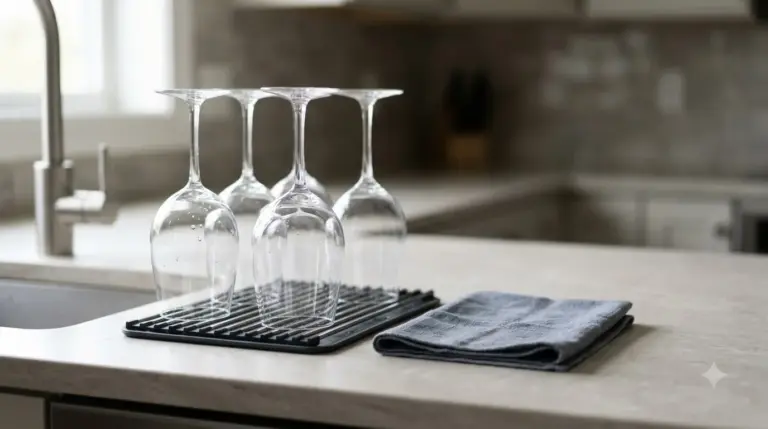
For hand washing, use warm water and a small amount of mild dish detergent. Avoid abrasive pads and aggressive scrubbing around thin rims or decorative surfaces. Rinse thoroughly so that detergent residue does not interfere with the aroma of the next wine poured.
Dry delicate glasses with a clean, lint-free cloth. Avoid twisting a stem while polishing because the connection between the bowl and stem can be vulnerable to sideways pressure. Supporting the bowl and base carefully reduces the risk of breakage.
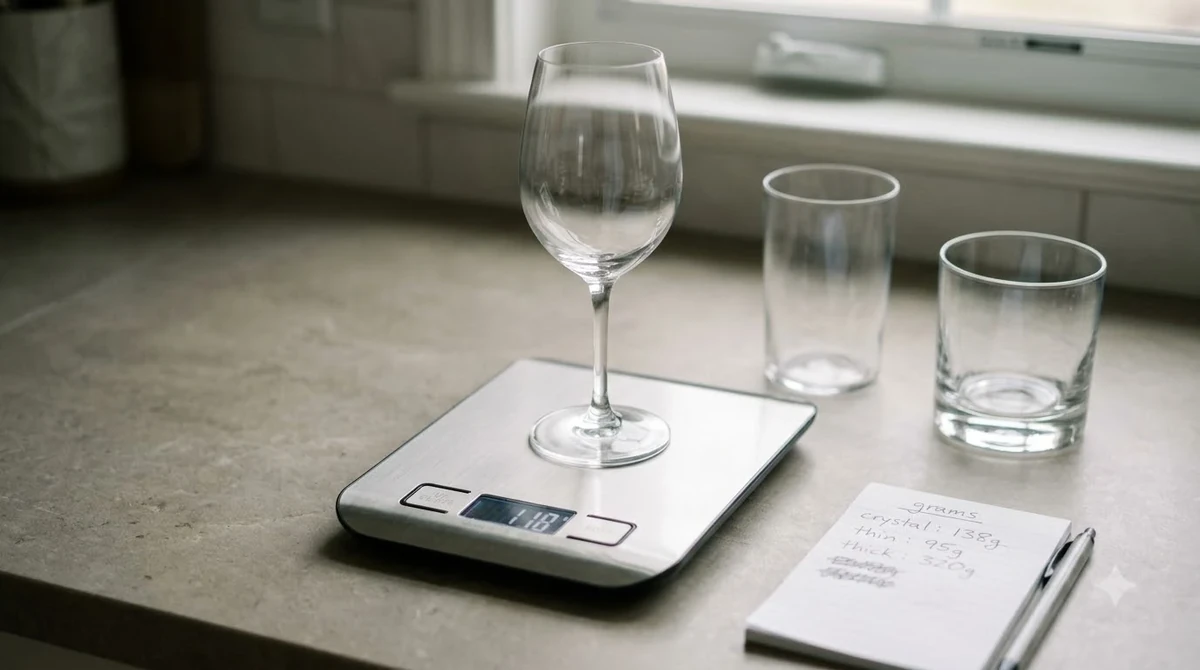
Storage also deserves attention. Keep wine glasses in a clean, dry cabinet away from strong kitchen odors. Make sure there is enough space between neighboring pieces, particularly around the rims and stems. Tall Reserve glasses need more vertical clearance than shorter everyday designs.
Before putting a glass away, make sure it is completely dry. Water spots and detergent residue can reduce the clarity that makes crystal appealing. If glasses are used frequently, occasional inspection of the rims and stems helps identify chips or damage before serving.
For dishwasher-safe collections, use a suitable glassware cycle when available and avoid placing delicate pieces where they may contact heavier dishes. Keep enough space between individual glasses to reduce movement during washing.
Another useful habit is to separate everyday stemware from special-occasion crystal. Reserve Optic and decorative glasses may benefit from a dedicated storage area where they are less likely to be handled during routine kitchen cleanup.
Finally, avoid sudden temperature changes. Pouring very hot water into a cold glass can create thermal stress. Allowing glassware to approach room temperature before washing is a sensible precaution, particularly for thinner crystal designs.
Frequently Asked Questions
Are Williams Sonoma crystal wine glasses made in the United States?
Not every collection is made in the same country. Williams Sonoma identifies Open Kitchen wine glasses as made in Germany, Reserve Optic glassware as made in Turkey, and Dorset crystal white wine glasses as made in Slovenia. Manufacturing origin therefore depends on the particular collection rather than the retailer’s name.
How many wine glasses should a household own?
A practical starting point is four to six matching glasses for a smaller household, with eight or more useful for frequent entertaining. Consider how many guests typically share a meal and whether red and white wine are served simultaneously. Buying additional glasses of one versatile shape can be more useful than purchasing several specialized sets that rarely leave the cabinet.
Can crystal wine glasses be used for sparkling wine?
Yes, provided the shape is suitable for sparkling wine. Williams Sonoma’s Reserve Optic collection includes a dedicated Champagne flute with a 9.1-ounce capacity and a 10-inch height. A narrow flute provides a different presentation from a broad wine bowl and is traditionally chosen to showcase persistent bubbles.
Does a larger wine glass mean a larger serving?
No. Glass capacity describes the amount the vessel can hold, not the recommended serving size. A standard 5-ounce wine pour can be served in both a 12.5-ounce white wine glass and a 23.6-ounce Cabernet glass, with the remaining space allowing room for swirling and aromatic development.
Can crystal wine glasses become cloudy over time?
Yes. Mineral deposits, detergent residue, and repeated exposure to unsuitable washing conditions can reduce clarity. Permanent surface etching can also occur and may not respond to ordinary cleaning. Following the manufacturer’s care instructions and avoiding abrasive cleaning products helps preserve the appearance of crystal.
Williams Sonoma offers a varied selection of crystal wine glasses, with useful differences between Reserve, Reserve Optic, Open Kitchen, and Pantry. Open Kitchen is a sensible starting point for everyday convenience, while Reserve Optic is particularly appealing for shoppers who want mouth-blown, explicitly lead-free crystal. Choosing according to glass capacity, preferred wine styles, and cleaning requirements will make the purchase more satisfying over the long term.
More in Wine Glasses
 Spiegelau Crystal Wine Glasses That Bring Clarity to Every PourUpdated Nov 21, 2026
 Zalto Crystal Wine Glasses: Are They Worth the Investment?Updated Nov 21, 2026
 Villeroy And Boch White Wine Glasses for a More Cohesive TableUpdated Nov 21, 2026
 Zalto Wine Glasses On Sale: Find the Right Denk’Art GlassUpdated Nov 21, 2026
 Zwiesel Glas Champagne Glasses: Features, Quality and Buying AdviceUpdated Nov 21, 2026
 Zwiesel Glas Decanter Review: A Durable, Elegant Choice for Wine ServiceUpdated Nov 21, 2026