


We may earn a commission when you buy through links on this page, at no extra cost to you. Learn more.
White wine with spicy food is best when it has refreshing acidity, moderate alcohol, and a little natural sweetness to balance chili heat. Off-dry Riesling is the most dependable starting point, while Gewürztraminer, Chenin Blanc, and Moscato offer alternatives for different spice levels and sauces. The right bottle depends on whether the dish is fiery, creamy, citrusy, smoky, or sweet.
Pairing wine with spicy food requires a slightly different approach from pairing wine with steak, seafood, or mild vegetables. Chili can make alcohol feel hotter and tannins seem harsher, while sweetness and refreshing acidity help create a more comfortable combination. Fortunately, white wines offer plenty of options, from lightly sweet German Riesling to fragrant Alsatian Gewürztraminer and crisp Sauvignon Blanc. Understanding a few basic characteristics makes it easier to choose a bottle for everything from Thai green curry to spicy shrimp tacos.
Why White Wine Works With Spicy Food
White wine works particularly well with chili because its acidity, fruit, and potential sweetness can balance the intensity of spicy dishes. Lower-alcohol styles are generally more comfortable alongside strong heat than powerful, high-alcohol wines.
The main challenge is capsaicin, the compound responsible for the burning sensation associated with chili peppers. Alcohol can intensify the perception of that burn, making a powerful wine feel hotter and less refreshing after a spicy bite. A wine with approximately 8% to 11% alcohol can therefore be a more comfortable choice than a powerful bottle containing 14% or more.
Sweetness is another important consideration. A little residual sugar softens the perceived intensity of chili and provides a contrast to hot sauces, spicy marinades, and pepper-heavy seasonings. This does not mean that every spicy meal requires a sweet wine. Mildly spicy food can work beautifully with dry whites, while particularly hot dishes generally benefit from noticeable fruit and some sweetness.
Acidity completes the combination. High-acid wines refresh the palate between bites, especially when a dish contains fried ingredients, coconut milk, butter, or creamy sauces. Riesling and Sauvignon Blanc are useful examples because both varieties naturally offer substantial acidity.
Wine Enthusiast identifies low-alcohol, high-acid whites with some sweetness as particularly useful for extremely spicy dishes. Its recommendations include off-dry Riesling and Gewürztraminer for cuisines such as Thai, Sichuan, Hunan, and Indian food. Read its wine and food pairing advice for additional guidance on matching wine characteristics with food.
Tip: Start with a slightly off-dry Riesling if you are unsure how hot a dish will be. It offers a useful combination of fruit, acidity, and sweetness without requiring an elaborate pairing decision.
It is also important to distinguish chili heat from aromatic seasoning. Black pepper, ginger, cumin, coriander, cardamom, and turmeric create different sensations and aromas. A fragrant but relatively mild curry may need an aromatic white rather than a noticeably sweet wine. Consider the entire recipe instead of judging the pairing by the number of chilies alone.
The Best White Wine Grapes for Spicy Dishes
Riesling, Gewürztraminer, Chenin Blanc, and Moscato are among the most useful white wine choices for spicy food. Each brings a different combination of sweetness, acidity, body, and aromatic intensity.
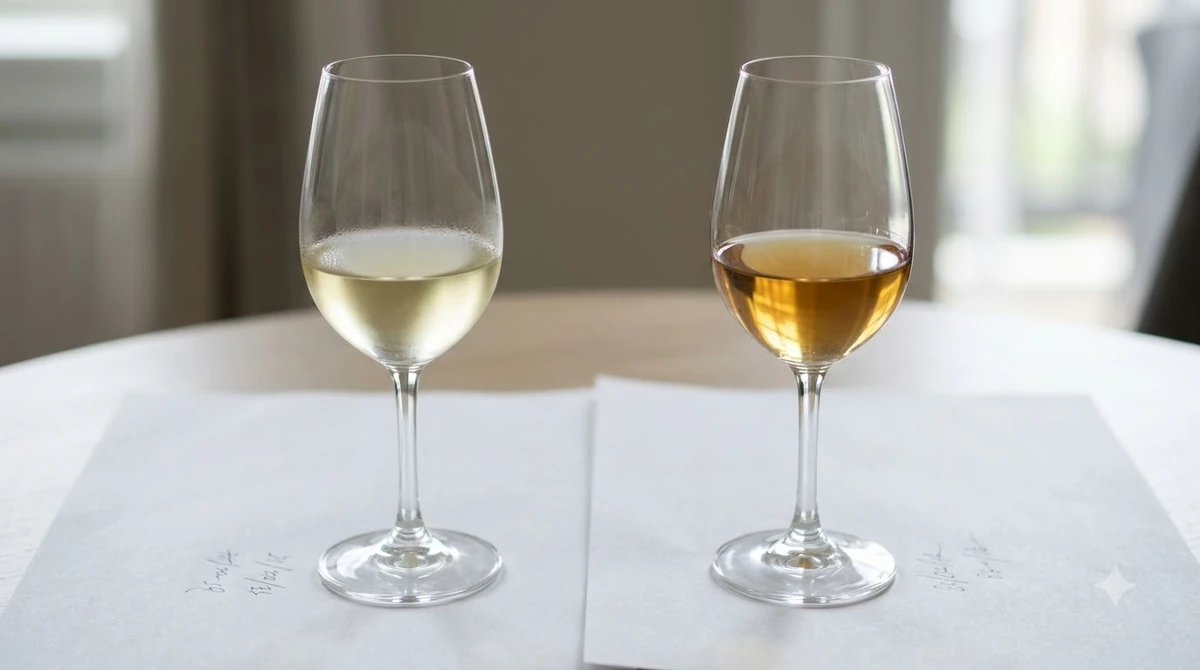
Riesling is the most versatile choice, particularly in an off-dry style. Its natural acidity balances rich sauces, while its fruit flavors and residual sugar help soften chili heat. German Riesling from regions such as the Mosel is especially useful when a dish needs freshness without excessive alcohol. Look for citrus, green apple, white peach, and sometimes floral notes.
Riesling is available in several sweetness levels, so the grape name alone does not tell you how the wine will taste. A dry Riesling works well with moderately seasoned seafood and fresh herbs, while an off-dry or fruit-sweet version is a safer choice for hotter curries and chili sauces. German Kabinett bottlings are particularly useful starting points for lighter-bodied wines with lively acidity.
Gewürztraminer is a strong alternative when the food contains fragrant spices and richer ingredients. Its recognizable aromas of lychee, rose petal, and ripe apricot complement cumin, ginger, coriander, and dried chilies. Alsace in France is a well-known source of this variety, although examples are also produced in other wine regions.
Gewürztraminer generally has a fuller texture and more pronounced aromatic character than Riesling. That makes it suitable for creamy curries, aromatic grilled chicken, and dishes containing warm spices. However, some examples have relatively high alcohol, so a bottle with noticeable alcohol warmth may not be ideal beside extremely hot chili dishes.
Chenin Blanc offers another flexible option. Its acidity can support rich food, while its sweetness ranges from completely dry to distinctly sweet depending on the style. An off-dry Chenin Blanc from Vouvray in France is a useful partner for moderately spicy dishes, especially when honey, fruit, or a slightly sweet glaze appears in the recipe.
Moscato is useful when sweetness needs to play a larger role. Moscato d’Asti from Piedmont, Italy, is lightly sparkling, aromatic, and typically low in alcohol. Its peach and floral characteristics work particularly well with fruit-based chili sauces and very spicy dishes where a sweeter wine is desirable. Its delicate body, however, makes it less suitable for heavily charred or intensely savory preparations.
The following comparison provides a practical starting point. The alcohol figures are approximate examples of common styles rather than fixed limits for every producer.
| Wine style | Typical alcohol | Sweetness | Best food match |
|---|---|---|---|
| German off-dry Riesling | 8–11% | Off-dry | Hot curry, chili noodles, spicy seafood |
| Dry Riesling | 11–13% | Dry | Herb salads, mildly spicy fish, fresh salsa |
| Gewürztraminer | 12–14% | Dry to off-dry | Fragrant curry, cumin chicken, aromatic sauces |
| Chenin Blanc | 11–13% | Dry to sweet | Spiced chicken, creamy curry, glazed pork |
| Moscato d’Asti | 5–6% | Sweet | Very spicy dishes, fruit-based chili sauces |
| Sauvignon Blanc | 11–13% | Usually dry | Chili seafood, lime salads, fresh herbs |
| Albariño | 11.5–13% | Usually dry | Spicy shrimp, grilled fish, citrus dishes |
These ranges are general style references, not guarantees. Alcohol and sweetness vary with growing conditions, winemaking decisions, and individual bottlings. The important principle is to choose a wine whose sweetness and alcohol suit the actual intensity of the food.
Pairing White Wine With Thai, Indian, and Southeast Asian Food
Thai, Indian, and Southeast Asian dishes often combine several competing flavors, including chili, citrus, herbs, coconut, salt, and aromatic spices. Off-dry Riesling, Gewürztraminer, and Chenin Blanc offer useful solutions, but the dominant sauce should determine the final choice.

Thai green curry is a natural match for off-dry Riesling. Coconut milk creates a creamy texture, while green chilies, lemongrass, galangal, and herbs contribute heat and fragrance. Riesling supplies freshness and enough fruit to complement these ingredients without overwhelming the dish. Gewürztraminer is another good option when the curry has a particularly aromatic profile.
For Thai red curry, consider how much chili paste and coconut milk the recipe contains. A moderately spicy curry with chicken or vegetables can work with off-dry Riesling, while a richer preparation may benefit from Gewürztraminer. If the dish is extremely hot, choose a sweeter, lower-alcohol style rather than a powerful dry white.
Indian butter chicken presents a different challenge. Tomato, butter, cream, and warming spices create a rich sauce with considerable flavor. Off-dry Riesling provides a useful balance of fruit and acidity, while a fuller Gewürztraminer can match the sauce’s aromatic intensity. For a less spicy preparation, dry Chenin Blanc is another possibility.
Tandoori chicken is generally more suitable for dry or lightly off-dry whites when the chili level is moderate. The smoky, charred exterior and yogurt-based marinade can work with Pinot Gris or Sauvignon Blanc. If the marinade contains substantial chili, move toward Riesling with a little sweetness.
Indian dal deserves a different pairing from a heavy meat curry. Lentils, turmeric, cumin, coriander, and sometimes green chilies create an earthy, savory dish. Grüner Veltliner and Chenin Blanc offer refreshing acidity and enough character to complement these flavors. A very sweet wine may be distracting if the dal is mild and savory.
Vietnamese food frequently combines fresh herbs, lime, fish sauce, chili, and varying levels of sweetness. Sauvignon Blanc is an excellent starting point for herb-heavy salads and dishes with lime-driven dressings. Its bright acidity complements fresh coriander, mint, basil, and citrus.
For Vietnamese grilled pork with chili dipping sauce, a slightly off-dry Riesling can be more successful because the sauce may contain sugar and chili together. For fresh spring rolls with herbs and seafood, dry Riesling or Albariño provides a cleaner, lighter match.
These recommendations reflect a broader principle: cuisines do not have one universal wine pairing. A mild Vietnamese noodle salad and a fiery Thai curry may share fresh herbs, but they require different wine characteristics. The most successful match considers the complete dish rather than relying on a national cuisine label.
Choosing White Wine for Mexican, Chinese, and Other Spicy Foods
Spicy Mexican, Sichuan, and Korean dishes often combine chili with sweetness, salt, smoke, or fermentation. The best white wine depends on which of these characteristics dominates the final flavor.
Mexican food provides many opportunities for Riesling. Tacos with spicy salsa, grilled chicken with chipotle marinade, and shrimp with chili-lime dressing can all work with an off-dry white. The slight sweetness balances the heat, while acidity complements lime and tomato.
For particularly hot habanero salsa, choose a fruit-forward Riesling with enough sweetness to stand up to the chili. Gewürztraminer can also work with smoky adobo seasoning, especially when cumin and dried peppers contribute more aroma than raw heat.
For milder fish tacos with cabbage, lime, and cilantro, dry Albariño or Sauvignon Blanc may be more suitable. Their fresh citrus characteristics complement the seafood and herbs without introducing unnecessary sweetness.
Sichuan food is more complicated because chili peppers are often combined with Sichuan peppercorns, garlic, fermented bean paste, and savory sauces. The resulting sensation includes both chili heat and a distinctive tingling quality. Off-dry Riesling is a dependable choice for spicy noodles, chili chicken, and dishes with a noticeable amount of peppercorn.
Gewürztraminer can work with dishes that have strong aromatic spices, while a sweeter Chenin Blanc may suit recipes with a more pronounced sweet-and-spicy sauce. Avoid very high-alcohol whites because the combination can make the heat feel more intense.
Korean food often includes gochujang, a fermented chili paste with sweetness and savory depth. Korean fried chicken, spicy rice cakes, and gochujang-glazed pork can pair with Riesling or sparkling wine. A touch of sweetness is especially useful when the sauce combines sugar, fermented chili, and garlic.
For kimchi pancakes or other fried dishes, sparkling wine offers another approach. Its acidity and bubbles refresh the palate between bites. A dry sparkling wine is suitable when the food is moderately spicy, while a slightly sweeter style may work better with stronger chili heat.
Spicy seafood calls for particular attention to acidity and tannin. Shrimp, scallops, white fish, and shellfish generally benefit from crisp whites rather than heavy wines. Albariño and Sauvignon Blanc are good choices for seafood with fresh chili, lime, or herbs. Avoid heavily tannic red wines with oily fish, and do not let a powerful white overwhelm delicate seafood.
How Sweetness, Acidity, and Alcohol Affect the Pairing
The three most important characteristics to consider when pairing white wine with spicy food are residual sugar, acidity, and alcohol. Balancing these elements against chili intensity is more useful than simply choosing the sweetest or most expensive bottle.
Residual sugar refers to the natural grape sugar that remains after fermentation. A wine with some residual sugar tastes softer and fruitier than a completely dry wine. This quality helps it stand up to chili heat and sweet-spicy sauces.
However, sweetness needs to be balanced against the dish. A very sweet wine can taste heavy beside lightly seasoned seafood or a fresh herb salad. Conversely, a completely dry wine can taste severe next to a sauce containing both intense chili and noticeable sweetness.
A useful guideline is to choose a wine at least as sweet as the dessert when pairing with dessert. For savory spicy food, the practical version is to ensure that the wine has enough sweetness to avoid tasting thin or harsh beside the sauce.
Acidity provides freshness and keeps a pairing from feeling heavy. Riesling and Sauvignon Blanc are naturally high-acid varieties, making them useful with rich curries, fried chicken, and citrus-based sauces. Acidity is also important when the dish contains tomatoes, lime, vinegar, or tamarind.
Food with pronounced acidity needs wine with equal or higher acidity to maintain balance. Otherwise, the wine can taste flat beside the dish. This is particularly relevant to Vietnamese salads, ceviche-style preparations, and Mexican seafood with generous lime juice.
Alcohol is especially important because it can amplify the sensation of chili heat. A lower-alcohol wine is usually the safer choice for very spicy food. For example, a lightly sweet Riesling at approximately 9% alcohol is often more comfortable with hot curry than a powerful white at 14% alcohol.
Body matters as well. A delicate wine can disappear beside a thick, intensely seasoned sauce, while a very rich wine can overwhelm a simple seafood dish. Match the weight of the wine to the overall texture of the food, not just the heat level.
For readers interested in comparing wine characteristics across different styles, the Wine by Type resource provides a useful starting point for understanding how grape varieties and production styles influence the finished bottle.
Serving Temperature and Practical Wine Selection
White wine should be served cool enough to feel refreshing alongside spicy food without becoming so cold that its aromas disappear. Light whites generally work best at 45–50°F, while fuller-bodied whites benefit from slightly warmer temperatures.
Use these serving ranges as practical starting points:
- Light-bodied white wines: 45–50°F for Sauvignon Blanc, Albariño, and lighter Pinot Gris.
- Fuller-bodied white wines: 50–55°F for richer Gewürztraminer and fuller Chenin Blanc.
- Sweet white wines: 43–50°F for Moscato and sweeter Riesling.
- Sparkling wines: 40–50°F for refreshing bubbles with fried or spicy food.
Serving temperature influences how a wine feels. A cool glass of Riesling can provide a particularly refreshing contrast to spicy curry, while a slightly warmer Gewürztraminer reveals more of its floral and tropical aromas. Avoid serving aromatic whites directly from an extremely cold freezer, as excessive chilling can mute their fragrance.
When choosing a bottle, begin with the dish’s strongest characteristic. For high chili heat, look for fruit, moderate alcohol, and some residual sugar. For lime-heavy food, prioritize acidity. For rich coconut sauces, choose enough body to match the texture without sacrificing freshness.
Reading wine descriptions can help identify the right style. Words such as off-dry, semi-sweet, crisp, aromatic, and fruit-forward provide useful clues. The word dry indicates that a wine has little perceptible sweetness, which may be appropriate for mild spice but is not always ideal for very hot dishes.
For a dinner with several spicy dishes, choose a versatile bottle rather than trying to find a separate wine for every plate. An off-dry Riesling is particularly useful because it can handle moderate chili heat, fresh herbs, and many sweet-and-sour sauces.
Consider opening the bottle shortly before serving and keeping it chilled in an ice bucket during the meal. A standard 750 ml bottle provides approximately five 5-ounce glasses, making it a practical size for a small dinner gathering.
Common Pairing Mistakes and When to Choose Something Else
The most common mistake is selecting a wine based on prestige or personal preference without considering the heat and sauce. High alcohol, excessive tannin, and unsuitable sweetness can make an otherwise enjoyable wine feel uncomfortable alongside spicy food.
Choosing a high-alcohol wine: A powerful wine may seem like a natural partner for bold food, but alcohol can make chili heat feel stronger. A bottle at 14% or 15% alcohol is generally a riskier choice for a very hot curry than a lighter Riesling. Lower-alcohol wines allow the flavors of both the food and wine to remain more noticeable.
Choosing a completely dry wine for every dish: Dry whites are excellent with mild spice, citrus, and fresh herbs. However, an extremely hot chili sauce can make a bone-dry wine seem sharper and less fruity. Moving toward an off-dry style is often a better solution.
Ignoring the sauce: Chicken, shrimp, pork, and vegetables do not determine the pairing by themselves. A grilled shrimp dish with lime needs a different wine from shrimp covered in sweet chili sauce. Similarly, mild chicken tikka and a fiery vindaloo should not automatically receive the same bottle.
Overlooking sparkling wine: Bubbles provide refreshment, particularly with fried food, salty snacks, and rich sauces. Prosecco, Cava, and other sparkling wines can be useful alternatives when a meal includes several dishes with different seasoning levels. Prosecco is made primarily from Glera grapes and uses the tank method, while Champagne and Cava undergo their second fermentation in the bottle.
Assuming red wine is always unsuitable: White wine is often the easiest starting point for chili-heavy meals, but lighter reds can work with moderately spicy grilled meats and smoky dishes. Pinot Noir has relatively low to medium tannin and high acidity, while Merlot generally has softer, medium tannins. For additional comparisons, see our recommendations for red wine with spicy food.
Some specific red grapes can also work with dishes that have more smoke and savory depth than direct chili heat. For example, the Blaufränkisch food pairing approach can suit peppery grilled meat, while Carignan food pairing offers another direction for fruit-forward red wine combinations.
Ultimately, white wine is not a strict requirement. If a dish has moderate seasoning, grilled meat, and plenty of savory richness, a suitable low-tannin red may be just as enjoyable. The goal is to avoid wines that amplify the heat or overwhelm the food.
Frequently Asked Questions
Is white wine better than red wine with spicy food?
White wine is often easier to pair with chili because it generally has little or no tannin. However, red wine can work with moderately spicy grilled meat when it has low tannin and refreshing acidity. A chilled Gamay or lighter Pinot Noir can be a suitable alternative to white wine.
Can Chardonnay go with spicy food?
Yes, particularly when the dish contains cream, butter, or coconut milk. A lightly oaked or unoaked Chardonnay with medium acidity can complement richer preparations. Very heavily oaked Chardonnay may overwhelm delicate seafood or clash with intensely seasoned sauces.
Does sparkling white wine pair with hot chili dishes?
Yes. Sparkling wine can refresh the palate with its acidity and bubbles, especially alongside fried snacks and salty appetizers. Demi-sec sparkling wine is another possibility for dishes with substantial chili heat because its sweetness provides additional balance.
Can Pinot Grigio work with spicy noodles?
Pinot Grigio can work with lightly seasoned noodles containing vegetables, seafood, and fresh herbs. Italian Pinot Grigio is often dry and relatively light, making it suitable when chili heat is moderate. For a particularly hot noodle sauce, a slightly sweet Riesling generally offers more balance.
Should white wine glasses be chilled before serving spicy food?
Chilling the wine is more important than chilling the glass. A clean glass at room temperature is perfectly suitable for white wine, provided the wine itself is served at the appropriate temperature. Avoid freezing glasses because excessive cold can make the wine less expressive and create unnecessary condensation.
White wine with spicy food is easiest to get right when you balance sweetness, acidity, alcohol, and the character of the sauce. Off-dry Riesling is the most dependable all-purpose choice, while Gewürztraminer, Chenin Blanc, Sauvignon Blanc, and sparkling wines each offer useful alternatives. Start with the heat level of the dish, serve the wine cool, and choose a style that complements the complete meal.
More in Wine Types & Grapes
 What Does Mourvèdre Taste Like? Flavor Profile, Regions, and PairingsUpdated Nov 20, 2026
 What Does Marsanne Taste Like? Flavors, Styles, and Food PairingsUpdated Nov 20, 2026
 What Does Malvasia Taste Like? Styles, Flavors, and Food PairingsUpdated Nov 20, 2026
 What Does Grenache Blanc Taste Like? Flavor Profile, Styles, and PairingsUpdated Nov 20, 2026
 What Does Garnacha Taste Like? Key Flavors, Styles, and Pairing TipsUpdated Nov 20, 2026
 What Does Fruit Wine Taste Like? A Complete Flavor and Style BreakdownUpdated Nov 20, 2026