

We may earn a commission when you buy through links on this page, at no extra cost to you. Learn more.
Which wine glass for which wine depends mainly on the wine’s body, aroma, and serving temperature: use a large Bordeaux glass for Cabernet Sauvignon, a wide Burgundy glass for Pinot Noir, a smaller tulip glass for crisp whites, and a tulip-shaped sparkling glass for Champagne. The right bowl shape gives aromas room to develop while directing the wine toward your nose and palate. You do not need a separate glass for every grape variety, however. A small collection of versatile, well-designed glasses can serve nearly every bottle in your home.
Wine glass shopping can quickly become confusing. Manufacturers produce specialized glasses for individual grapes, regions, and styles, but the basic principles are easier to understand than the product catalogs suggest. Bowl width, rim shape, glass capacity, and stem length all influence how wine smells, feels, and stays at its intended temperature. This guide explains which glasses suit common wine styles, how to build a practical collection, and how to get better results from the glasses you already own.
How Wine Glass Shape Changes the Drinking Experience
A wine glass influences the way aromas gather, how easily the wine can be swirled, and how it reaches your palate. The most useful differences are bowl size, opening diameter, rim shape, and stem length.
A traditional stemmed wine glass has three main parts. The base provides stability, the stem provides a place to hold the glass, and the bowl contains the wine. According to VinePair’s explanation of glassware, these components contribute to handling, temperature management, and the overall drinking experience. Each part has a practical purpose rather than being purely decorative.
The bowl is particularly important. A large, rounded bowl provides more room to swirl wine and increases the surface area exposed to air. This can help aromatic compounds become easier to detect. Full-bodied red wines generally benefit from this additional space because their aromas and flavors can be relatively concentrated. A smaller bowl limits the amount of air exposure and helps preserve the more delicate aromas of many white wines.
The rim also matters. Many quality wine glasses taper inward toward the opening. This shape helps collect aromas near the nose rather than allowing them to disperse immediately. A wide opening, by comparison, gives the wine a broader path toward the palate and can make it easier to take a small sip.
Glass thickness and clarity deserve attention, too. Thin rims generally create a less noticeable boundary between the glass and your lips. Clear, colorless glass makes it easier to examine the wine’s color and clarity. Decanter recommends simple, transparent glassware with a rounded bowl and inward-tapering rim for these practical reasons.
For everyday use, a well-proportioned tulip shape is a sensible starting point. It has a rounded lower bowl and a narrower upper opening, combining space for swirling with an opening that concentrates aromas. You can find more selection criteria in our article about how to choose a wine glass.
Remember that glassware changes presentation rather than transforming the wine itself. A Cabernet Sauvignon does not become a different wine in a smaller glass, and a Sauvignon Blanc remains recognizable in a large bowl. The appropriate shape simply makes certain characteristics easier to appreciate.
Which Glass to Use for Different Red Wines
Full-bodied reds generally need larger bowls, while lighter reds benefit from wider bowls that collect delicate aromas without requiring an especially large serving vessel. Bordeaux, Burgundy, and medium-bodied red glasses cover most common red wine styles.
Bordeaux glasses for Cabernet Sauvignon and Merlot
A Bordeaux glass is tall, relatively generous in capacity, and shaped with a broad bowl that narrows slightly toward the rim. It is the traditional choice for Cabernet Sauvignon, Cabernet Franc, Merlot, and Bordeaux-style blends. Its size allows room for swirling, while the distance between the wine and the nose can help moderate the initial impression of alcohol aromas.
Cabernet Sauvignon has high tannin, so its structure benefits from a glass that provides room for aromatic development. A Bordeaux glass also works well for many Syrah wines and other powerful reds with substantial body. Merlot usually has medium, softer tannins, but its fuller versions can still benefit from the same general shape.
Burgundy glasses for Pinot Noir
A Burgundy glass has a very wide, rounded bowl and a narrower rim. Its balloon-like shape provides a substantial space for swirling and helps gather the subtle aromas associated with delicate reds. Pinot Noir is the classic pairing, particularly wines from Burgundy, Oregon, and California.
Pinot Noir typically has low-to-medium tannin and relatively high acidity. Its aromas can include red cherry, raspberry, strawberry, earth, flowers, and forest floor. The large bowl gives these more delicate characteristics room to develop, while the tapered opening directs the aromas toward the nose.
A Burgundy glass can also suit Gamay, including Beaujolais, and some lighter-bodied Italian reds such as Barbera. It is not necessary to purchase separate glasses for each of these varieties if you already own a good Burgundy-style glass.
Medium-bodied red glasses for Syrah and Chianti
Medium-sized red wine glasses sit between the large Bordeaux and broad Burgundy styles. They generally have a rounded bowl that allows some aeration without the expansive proportions of a dedicated Burgundy glass.
These glasses work well for Chianti, many Rhône reds, Syrah, Shiraz, and Sangiovese-based wines. Their moderately wide openings provide space for savory aromas, black fruit, herbs, and spice. A medium-sized red glass is also a practical everyday option for drinkers who alternate between lighter and fuller reds.
Wine Enthusiast distinguishes these three broad red wine glass categories according to body and structure. Its recommendations include Bordeaux glasses for Cabernet Sauvignon, medium-sized glasses for Chianti and Rhône wines, and Burgundy glasses for delicate Pinot Noir. Read its explanation of red and white wine glass differences for additional examples.
Choosing Glasses for White Wine and Rosé
Most white wines benefit from smaller bowls than full-bodied reds because preserving freshness and concentrating delicate aromas are important priorities. However, richer whites such as oaked Chardonnay need more room than light, high-acid wines such as Sauvignon Blanc.
Small tulip glasses for Sauvignon Blanc and Riesling
A small white wine glass has a relatively narrow bowl, a tapered opening, and a stem that keeps your hand away from the wine. This shape suits Sauvignon Blanc, dry Riesling, Pinot Grigio, Albariño, and other fresh, aromatic white wines.
Sauvignon Blanc usually has high acidity and distinctive aromas of citrus, green apple, grass, herbs, and tropical fruit. A smaller glass helps concentrate these aromas while reducing unnecessary exposure to air. The same general design works for dry Riesling, which can show lime, green apple, white flowers, and mineral characteristics.
For particularly aromatic Riesling, choose a glass with a slightly more pronounced tulip shape. Its narrower rim can help direct the wine’s floral and fruit aromas toward your nose. The glass should still have enough room for a modest swirl.
Wider white wine glasses for Chardonnay and Viognier
Full-bodied white wines generally need more bowl space. Chardonnay, particularly an oaked or barrel-fermented example, can display aromas of baked apple, citrus, vanilla, toast, and butter. A wider white Burgundy or Chardonnay glass gives these aromas room to develop.
Viognier also benefits from a moderately generous bowl. Its expressive floral aromas, stone fruit, and fuller texture are easier to appreciate when the glass provides enough room for swirling. The opening should remain narrower than that of most full-bodied red wine glasses.
Unoaked Chardonnay can be served in a smaller white wine glass if freshness is the main characteristic you want to emphasize. The choice is not strictly determined by the grape name. Winemaking style, body, and aromatic intensity all help determine which shape works best.
Rosé glasses for freshness and fruit
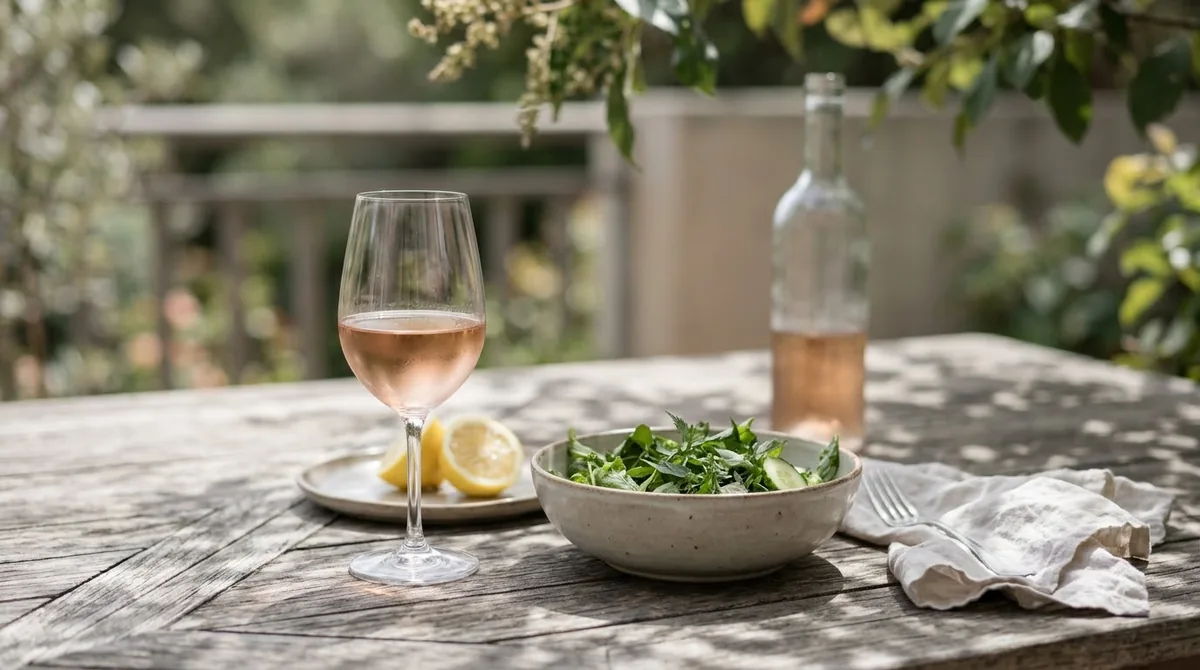
Rosé is generally well served in a small or medium-sized tulip glass. This shape accommodates the wine’s fresh fruit aromas without exposing a chilled wine to too much air. Provence-style rosé, Spanish rosado, and fruit-forward California rosé all work well in this type of glass.
A white wine glass is also a perfectly reasonable choice for rosé. There is no need to purchase dedicated rosé stemware unless you enjoy the appearance or proportions of a particular design. For most bottles, a clear tulip glass with a comfortable stem will do the job.
Wine Enthusiast identifies dry Riesling, Sauvignon Blanc, and rosé as suitable choices for smaller high-acid white wine glasses, while fuller Chardonnay and Viognier benefit from wider openings. These distinctions provide a useful shopping shortcut.
Best Wine Glasses for Champagne and Other Sparkling Wines
Sparkling wines need glasses that balance visible bubbles with aromatic development. A traditional flute emphasizes carbonation and presentation, while a tulip-shaped sparkling glass provides more room to smell the wine.
Champagne flutes
The Champagne flute is tall and narrow, with a relatively small opening. Its shape makes the streams of bubbles easy to observe and reduces the exposed surface area of the wine. It is a familiar choice for celebrations, receptions, and formal toasts.
Flutes are suitable for straightforward, fresh sparkling wines when maintaining a lively appearance is the main priority. They also take up relatively little table space and are convenient for serving several guests.
However, the narrow shape restricts the amount of room available for swirling and smelling. This can make it harder to appreciate the more complex aromas of traditional-method sparkling wines, including Champagne and Cava.
Tulip glasses for Champagne and premium sparkling wine
A sparkling wine tulip has a wider lower bowl than a flute, followed by a tapered opening. This design combines space for aromatic development with a shape that helps retain bubbles. It is an excellent general choice for Champagne, Cava, Franciacorta, and vintage sparkling wines.
Traditional-method sparkling wines can develop aromas of bread, pastry, nuts, citrus, and ripe fruit through their production and aging. A tulip glass makes these characteristics easier to explore than a very narrow flute.
Decanter discusses the importance of balancing aeration and aroma concentration when choosing a glass. Its broader guidance on selecting the right wine glass also explains why a rounded bowl and tapered opening are useful features.
Coupe glasses for celebrations
The coupe is a shallow, wide glass with a short stem. It has an elegant vintage appearance and is often associated with Champagne towers and classic cocktail presentations.
However, its wide opening allows carbonation to dissipate relatively quickly. The broad surface also releases aromas into the surrounding air rather than concentrating them near the nose. A coupe is therefore better suited to decorative presentation and quick servings than to appreciating the detailed aromas of a premium sparkling wine.
For everyday sparkling wine, a tulip glass is the most versatile choice. Keep a flute if you particularly enjoy the traditional presentation, but a specialized Champagne flute is not essential for every household.
Glasses for Dessert Wine, Port, and Fortified Wine
Sweet and fortified wines generally benefit from smaller glasses because their concentrated aromas and, in many cases, higher alcohol levels do not require a large serving vessel. A compact tulip-shaped glass can concentrate aromas without overwhelming the nose.
Port wine glasses
Port is a fortified wine from Portugal’s Douro region. Ruby, tawny, and vintage Port are traditionally served in relatively small glasses. Their compact size suits the wine’s concentrated fruit, sweetness, and alcohol.
A small tulip-shaped Port glass has a narrower opening that directs aromas toward the nose. It also encourages moderate pours, which are appropriate for a wine that is often richer and stronger than ordinary table wine.
Ruby Port can show blackberry, plum, and cherry, while tawny Port may reveal dried fruit, nuts, caramel, and spice. The smaller bowl provides enough room to appreciate these characteristics without requiring the proportions of a large red wine glass.
Sherry and Madeira glasses
Sherry ranges from very dry styles such as Fino and Manzanilla to sweet styles such as Pedro Ximénez. A small tulip glass or copita is a useful choice because it allows the drinker to concentrate on the wine’s aromas and taste without filling a large vessel.
Madeira also works well in a small tulip-shaped glass. Dry styles such as Sercial and richer styles such as Malmsey can be served in the same general glass category, although their individual aromas and serving temperatures differ.
Sauternes and other sweet dessert wines
Sauternes, Tokaji, late-harvest Riesling, and other dessert wines can be served in small white wine or dessert wine glasses. Their concentrated sweetness and aromatic intensity make a large bowl unnecessary.
Choose a shape with a moderately narrow opening and enough space to swirl a small pour. The glass should make it easy to appreciate honey, apricot, citrus peel, flowers, and dried fruit without allowing alcohol aromas to dominate.
A useful rule is to choose a wine glass that matches the wine’s intensity rather than its color alone. A sweet white wine may be better suited to a small dessert glass than to a regular white wine glass, while a rich Madeira can use a shape similar to that used for Port.
Wine Glass Sizes, Serving Temperatures, and Practical Choices
The ideal glass has enough room for wine to move without requiring a large pour. A typical serving is 5 ounces, and a standard 750-milliliter bottle provides approximately five such servings.
Glass capacity and actual serving size are different measurements. A glass might hold 16, 20, or even 24 ounces, but that does not mean it should be filled to the rim. Leaving space above the wine allows aromas to gather and makes swirling much easier.
Wine glass recommendations at a glance
| Wine style | Recommended glass | Typical serving temperature | Why it works |
|---|---|---|---|
| Cabernet Sauvignon | Large Bordeaux | 60–65°F | Room for bold aromas and swirling |
| Merlot | Medium or large Bordeaux | 60–65°F | Supports fuller fruit and softer tannins |
| Pinot Noir | Wide Burgundy | 55–60°F | Collects delicate aromas |
| Syrah | Medium or large red | 60–65°F | Accommodates concentrated aromas |
| Sauvignon Blanc | Small white tulip | 45–50°F | Preserves freshness and aromatic intensity |
| Riesling | Small aromatic white | 45–50°F | Focuses floral and citrus aromas |
| Chardonnay | Medium or wide white Burgundy | 50–55°F | Allows richer aromas to develop |
| Rosé | Small or medium tulip | 45–50°F | Maintains freshness and fruit aromas |
| Champagne | Tulip or flute | 40–50°F | Balances aromas and carbonation |
| Port | Small Port glass | Style dependent | Concentrates rich aromas |
| Sauternes | Small dessert wine glass | 43–50°F | Accommodates concentrated sweetness |
These are practical serving guidelines rather than strict rules. A lighter Cabernet-based wine may be comfortable slightly cooler than a particularly full-bodied example. Likewise, a richer Chardonnay may benefit from a little more warmth than a lean, unoaked style.
How much wine should you pour?
A 5-ounce serving is a useful standard for still wine. In a large Burgundy or Bordeaux glass, that amount may look surprisingly small, but the extra empty space is intentional. It allows you to swirl the wine without spilling and gives aromas room to gather.
For sparkling wine, pour slowly to manage the foam. For dessert and fortified wines, smaller servings are appropriate because the flavors are concentrated. Regardless of the style, avoid filling the glass to the rim.
Temperature and stem length
The stem helps prevent your hand from warming chilled wine. This is especially useful for Sauvignon Blanc, Riesling, rosé, and sparkling wine, which are generally served cooler than red wine.
Use the following general temperature ranges as a starting point:
- Sparkling wine: 40–50°F.
- Light whites and rosé: 45–50°F.
- Full-bodied whites: 50–55°F.
- Light-bodied reds: 55–60°F.
- Full-bodied reds: 60–65°F.
- Sweet white wines: 43–50°F.
Tip: If you are building a home collection, begin with a universal tulip glass, a larger red wine glass, and a sparkling wine glass. These three shapes cover most everyday situations without requiring a separate glass for every grape variety. Add a wide Burgundy glass or small dessert glass only if you regularly serve those styles.
Building a Practical Wine Glass Collection and Caring for It
A useful wine glass collection should match your drinking habits, storage space, and entertaining needs. Most households can cover a broad range of wines with two or three basic shapes rather than buying a specialized glass for every variety.
The three-glass collection
For a practical starting collection, choose these three designs:
- Universal tulip glass: Suitable for many white wines, rosé, medium-bodied reds, and everyday tasting.
- Large red wine glass: Useful for Cabernet Sauvignon, Syrah, Merlot, and other full-bodied reds.
- Sparkling wine glass: A tulip-shaped design works for Champagne, Cava, and Prosecco.
If Pinot Noir is your regular choice, consider adding a wide Burgundy glass. If you frequently serve Port, Madeira, or Sauternes, a smaller dessert wine glass is another useful addition.
Universal glasses versus specialized designs
A universal wine glass is designed to handle several wine styles reasonably well. It generally has a medium-sized bowl with a tapered opening, making it a flexible option for both red and white wines.
Specialized glasses can offer a more tailored experience, particularly for aromatic varieties. However, the difference is not always important enough to justify a large collection. A good universal glass can serve a casual dinner just as effectively as a specialized glass can.
VinePair’s discussion of glassware also emphasizes the practical role of the bowl, stem, and base rather than treating every specialized design as essential. For most households, the wine itself remains more important than owning a complete collection of varietal-specific stemware.
Choosing between crystal and ordinary glass
Wine glasses are commonly made from ordinary glass or crystal. Both can serve wine successfully. Crystal is often thinner and can be shaped into more delicate designs, while everyday glassware is frequently selected for durability and convenience.
Look for a smooth rim, clear material, comfortable proportions, and a stable base. A glass that feels too delicate for regular use may spend more time in storage than on the table. Dishwasher-safe designs are particularly useful for households that entertain frequently.
Washing and storing wine glasses
Wash wine glasses carefully to avoid chips, scratches, and lingering odors. Follow the manufacturer’s cleaning instructions, especially for thin crystal. If washing by hand, use warm water and a small amount of mild detergent, then rinse thoroughly.
Dry the bowl and stem with a clean, lint-free towel. Avoid twisting the stem and bowl in opposite directions because this can create unnecessary pressure. Instead, support the bowl carefully while drying the base and stem.
Store glasses upright in a clean cabinet where their rims are protected from contact with other objects. If you have limited cupboard space, consider a dedicated rack. Our guide to how to make a wine glass rack explains a practical way to organize stemware while keeping it accessible.
Before serving, check that glasses are clean and free of detergent or cabinet odors. Even a well-designed glass cannot improve the experience if its surface carries unwanted smells. A quick inspection under good lighting can help identify water spots, dust, or residue.
Frequently Asked Questions
Can I drink red wine from a white wine glass?
Yes. There is no rule that prevents serving red wine in a white wine glass. A smaller bowl may limit swirling and aromatic development, but it will not make the wine unsuitable to drink. A standard tulip glass is a useful compromise if you own only one type of stemware.
Does the shape of a wine glass affect how acidic wine tastes?
Glass shape can influence how aromas and flavors are perceived, including the initial impression of acidity. Some specialized rims are designed to direct wine toward particular areas of the palate. However, the wine’s actual acidity does not change simply because it is poured into a different glass.
What is an ISO wine tasting glass?
An ISO tasting glass is a standardized vessel used in professional wine evaluation. Its approximate dimensions include a 5-centimeter stem and a bowl about 10 centimeters tall and 6.5 centimeters wide at its broadest point. Standardization makes it easier to compare wines under similar tasting conditions.
Should wine glasses have a seam in the bowl?
Some machine-made glasses have visible manufacturing seams, while many premium designs have a smoother appearance. A seam does not automatically mean a glass performs poorly. More important considerations are a smooth drinking rim, clean construction, comfortable handling, and a shape appropriate for the wine.
How many wine glasses should a dinner host keep?
For a dinner with six guests, keeping at least six suitable wine glasses is a practical minimum, with additional glasses useful if you plan to serve several wines. If guests will compare three different wines, having 18 glasses allows each person to retain a separate glass for each selection. Smaller households can use fewer glasses and wash them between courses.
The best wine glass is the one that suits the wine you enjoy and works comfortably in your home. Start with a versatile tulip glass, add a larger bowl for structured reds, and choose a sparkling glass if Champagne and other bubbly wines are regular favorites. Once you understand how bowl shape, rim design, and stem length affect the experience, choosing the right glass becomes a straightforward part of enjoying wine.
More in Wine Basics
 Which Rose Is Best for Your Taste, Budget, and Food PairingsUpdated Nov 21, 2026
 Is Cheap Wine Bad? How to Find Bottles Worth DrinkingUpdated Nov 21, 2026
 What To Write On A Wine Gift Tag: Thoughtful Messages For Every OccasionUpdated Nov 21, 2026
 Which Wine Is Best For Weight Loss? Compare Lower-Calorie ChoicesUpdated Nov 21, 2026
 What Is The Best Wine For Mimosas? Choose Bubbly That Balances Orange JuiceUpdated Nov 20, 2026
 Which Prosecco Is Best for Your Taste and OccasionUpdated Nov 20, 2026