

We may earn a commission when you buy through links on this page, at no extra cost to you. Learn more.
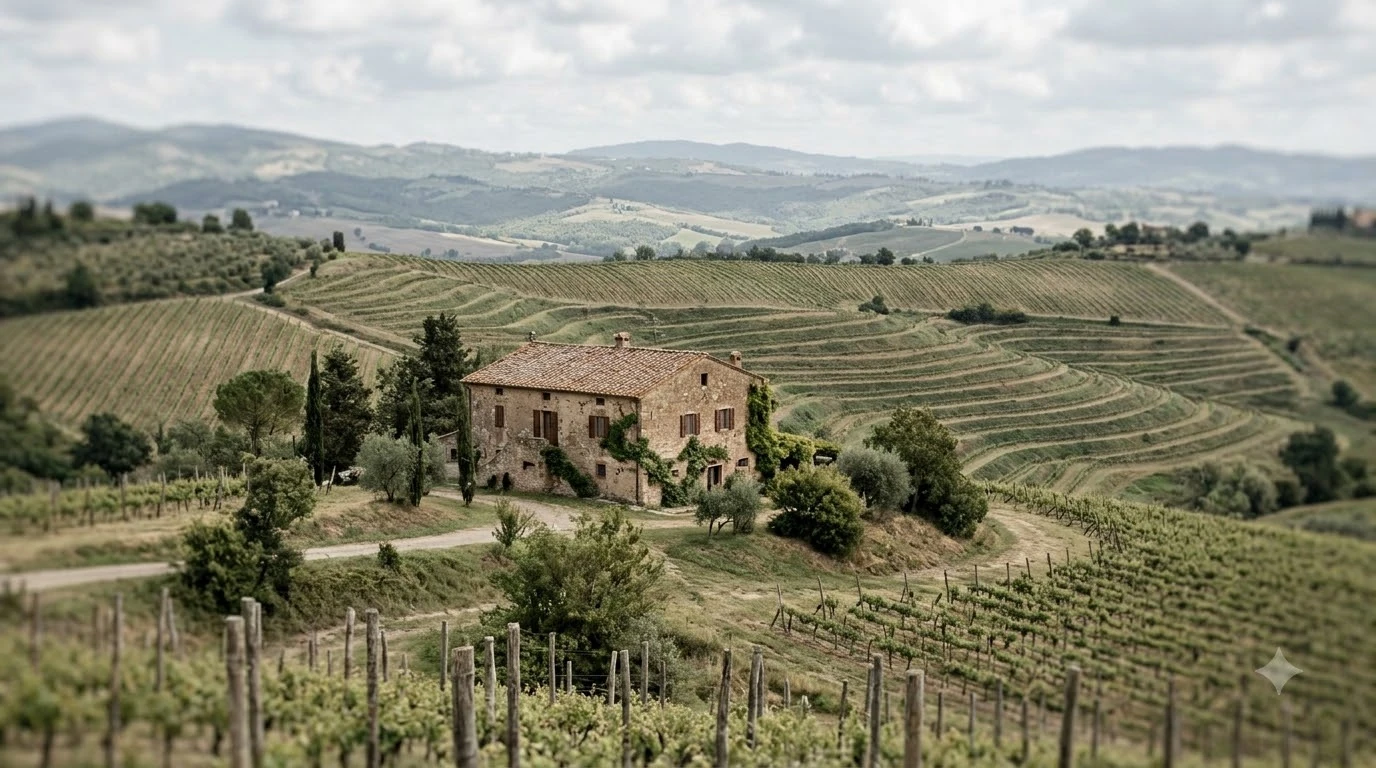
Where is wine made in the us? Wine is made in all 50 states, with California producing the largest share of American wine, followed by important wine industries in Washington, New York, Oregon, and Texas. American vineyards stretch from the Pacific Coast to the Atlantic, covering mountain valleys, coastal hillsides, river regions, and inland plains. Each growing area has its own climate, grape varieties, and winemaking traditions, making American wine far more geographically diverse than many people realize.
The United States has a broad wine industry that includes internationally recognized regions such as Napa Valley and Willamette Valley, as well as smaller destinations in Virginia, Michigan, Arizona, Missouri, and North Carolina. Some regions specialize in familiar European varieties such as Cabernet Sauvignon, Chardonnay, and Pinot Noir, while others concentrate on grapes that perform particularly well in their local conditions. Understanding where American wine is produced makes it easier to recognize regional differences, interpret wine labels, and discover bottles beyond the most familiar California selections.
California Leads American Wine Production
California is the center of the American wine industry, producing approximately 85% of U.S. wine according to WineAmerica’s published industry statistics. Its vineyards cover several distinct growing areas, from the cooler coastal districts of Sonoma and Monterey to the warmer inland valleys around Lodi and Paso Robles.
The state’s geographic variety allows wineries to produce a wide selection of wines. Napa Valley is particularly associated with Cabernet Sauvignon, while Sonoma County is known for Pinot Noir, Chardonnay, Zinfandel, and Cabernet Sauvignon. Further south, Paso Robles has developed a reputation for Rhône-inspired varieties, including Syrah, Grenache, and Mourvèdre, alongside Cabernet Sauvignon and other Bordeaux varieties.
California’s wine-growing geography is not limited to a few famous destinations. The Central Coast stretches through several counties, including Monterey, San Luis Obispo, and Santa Barbara. Its coastal influence creates cooler growing conditions in some vineyard locations, while warmer inland sites support grapes that need more sunshine and heat to ripen.
Napa Valley and Sonoma County
Napa Valley is one of America’s best-known wine regions. Located north of San Francisco, it contains numerous smaller wine-growing districts, including Oakville, Rutherford, Stags Leap District, and Howell Mountain. Cabernet Sauvignon is its signature red grape, although Chardonnay, Merlot, Sauvignon Blanc, and other varieties are also produced.
Sonoma County lies west of Napa and offers considerable variation in temperature, elevation, and coastal exposure. Russian River Valley is especially associated with Pinot Noir and Chardonnay, while Alexander Valley is known for Cabernet Sauvignon. Dry Creek Valley is another important destination, particularly for Zinfandel and Sauvignon Blanc.
These neighboring regions demonstrate why a California wine label can provide useful geographic information. A Cabernet Sauvignon from Rutherford may have a different structure and flavor profile from one grown in Alexander Valley, even though both wines come from the same state.
Other Important California Regions
Lodi, in California’s Central Valley, has a long history of grape growing and is particularly associated with old-vine Zinfandel. Paso Robles, located in San Luis Obispo County, produces both structured red blends and white wines. Santa Barbara County has several coastal growing areas, including Santa Maria Valley and Sta. Rita Hills, where cooler conditions favor Pinot Noir and Chardonnay.
The Sierra Foothills, east of Sacramento, add another dimension to California wine production. Vineyards at higher elevations grow Zinfandel, Barbera, Syrah, and other varieties. Mendocino County, farther north, is recognized for Pinot Noir, Chardonnay, and other wines from cool-climate vineyards.
The Alcohol and Tobacco Tax and Trade Bureau (TTB) recognizes numerous distinct California growing areas. Its established AVA list includes 154 California AVAs, making the state particularly rich in officially defined wine-growing regions.
Washington and Oregon Produce Distinctive Pacific Northwest Wines
Washington and Oregon are two of America’s most important wine-producing states outside California. Washington is especially recognized for Cabernet Sauvignon, Merlot, Syrah, and Riesling, while Oregon is strongly associated with Pinot Noir, Pinot Gris, and Chardonnay.

Washington wine country is concentrated largely in the eastern part of the state, where the Cascade Mountains create a rain shadow. This produces relatively dry growing conditions in important vineyard areas. Columbia Valley is the state’s major wine-growing region, with smaller AVAs including Yakima Valley, Walla Walla Valley, Red Mountain, Horse Heaven Hills, and Wahluke Slope.
Columbia Valley is particularly significant because it contains numerous smaller growing districts. Its wide range of soils, elevations, and temperatures supports several grape varieties. Cabernet Sauvignon and Merlot are prominent, while Syrah, Riesling, Chardonnay, and Sauvignon Blanc are also important.
Walla Walla Valley is another recognized destination, with vineyards extending across the Washington-Oregon border. The Rocks District of Milton-Freewater, within the broader Walla Walla Valley region, is especially associated with Syrah grown in distinctive cobblestone soils. These geographic differences give Washington wines considerable variety in style.
Oregon and the Willamette Valley
Oregon has a particularly strong reputation for cool-climate wines. The Willamette Valley, located between the Coast Range and Cascade Range, is the state’s best-known wine region. According to the Oregon Wine Board, it stretches approximately 150 miles from the Columbia River near Portland to just south of Eugene.
The Willamette Valley is particularly famous for Pinot Noir. Its growing conditions also support Pinot Gris, Chardonnay, Riesling, Pinot Blanc, and sparkling wines. The Oregon Wine Board identifies eleven nested AVAs within the valley, including Dundee Hills, Eola-Amity Hills, Chehalem Mountains, Yamhill-Carlton, and Ribbon Ridge.
Each of these smaller districts has its own combination of elevation, soils, and exposure. Dundee Hills, for example, is associated with volcanic Jory soils, while other parts of the valley have more prominent marine sedimentary soils or wind-deposited loess.
Oregon’s wine industry extends beyond the Willamette Valley. Southern Oregon includes the Rogue Valley and Umpqua Valley, where warmer conditions allow growers to work with Cabernet Sauvignon, Merlot, Syrah, Tempranillo, and other varieties. The Columbia Gorge is another distinctive area, with vineyards on both sides of the Columbia River.
For readers interested in regional wine differences, the Oregon Wine Board’s Willamette Valley overview provides further information about the region’s grape varieties, nested AVAs, and geography.
New York and the Great Lakes Region Grow Cool-Climate Wines
New York is one of the country’s most established wine-producing states, with a strong emphasis on cool-climate grape varieties. Its most recognizable regions include the Finger Lakes, Long Island, and the Hudson River Region.
The Finger Lakes is particularly famous for Riesling. The lakes help moderate temperatures, reducing some of the effects of cold winters and creating favorable conditions for grapes that benefit from a relatively long growing season. Seneca Lake and Cayuga Lake are two major wine-growing areas within the region.
Finger Lakes wineries also produce Cabernet Franc, Chardonnay, Gewürztraminer, Pinot Noir, and sparkling wines. Riesling styles range from completely dry to noticeably sweet, giving the region a wide range of expressions.
Long Island and the Hudson River Region
Long Island has a different growing environment from the Finger Lakes. The surrounding Atlantic Ocean and Long Island Sound influence temperatures and extend the growing season. The North Fork is particularly important for wine production, with Cabernet Franc, Merlot, Chardonnay, Sauvignon Blanc, and other varieties grown across the area.
The Hamptons, Long Island AVA, is another officially recognized wine-growing district. Although smaller than the North Fork, it contributes to the state’s broader wine identity.
The Hudson River Region, north of New York City, also produces wine. Its vineyards grow varieties including Seyval Blanc, Chardonnay, Riesling, Cabernet Franc, and hybrid grapes suited to the area’s winter conditions. The region’s long agricultural history makes it an important part of New York’s wine industry.
Michigan, Ohio, and Pennsylvania
Michigan has an established wine industry, especially around the Lake Michigan Shore and the Leelanau Peninsula. Lake Michigan moderates temperatures in nearby vineyard districts, helping protect vines from some of the extremes of the regional climate.
Riesling, Pinot Gris, Chardonnay, and Cabernet Franc are among the varieties grown in Michigan. Some producers also work with cold-hardy hybrid grapes that are better adapted to the state’s winters.
Ohio has vineyards around Lake Erie and in the Grand River Valley, where lake influence supports grape growing. Pennsylvania’s wine industry includes the Lake Erie region in the northwest, the Lehigh Valley, and other growing districts. Riesling, Chardonnay, Cabernet Franc, and native or hybrid varieties are found across these states.
These regions demonstrate that American wine does not depend on a Mediterranean climate. Growers can produce distinctive wines in places with cold winters by choosing suitable vineyard sites and grape varieties.
Texas, Virginia, and the Southern United States Also Make Wine
Texas and Virginia are important examples of wine production beyond the traditional West Coast and northeastern regions. Both states have distinct growing environments, and their wineries work with grape varieties that can handle local temperature, rainfall, and seasonal conditions.
Texas Wine Country
Texas has several wine-growing districts, including the Texas High Plains, Texas Hill Country, and the Escondido Valley. The Texas High Plains, located in the western part of the state, has a relatively high elevation and a dry climate. Irrigation is important in many vineyard locations because natural rainfall is limited.
The Texas Hill Country, west of Austin and San Antonio, is one of the state’s most recognizable wine destinations. Its limestone-influenced landscapes and varied elevations provide a different growing environment from the High Plains.
Texas wineries produce varieties such as Tempranillo, Mourvèdre, Viognier, Sangiovese, Cabernet Sauvignon, and Syrah. Mediterranean grape varieties are particularly useful in areas where hot summers and limited rainfall can challenge some traditional European varieties.
The state’s wine industry also includes smaller producers experimenting with different grapes and winemaking approaches. Texas wines can range from full-bodied reds to aromatic whites and rosé wines.
Virginia Wine Country
Virginia has a long agricultural history and a wine industry spread across several growing districts. The Monticello AVA, near Charlottesville, is among the best-known areas. Its vineyards benefit from varied elevations and the influence of the Blue Ridge Mountains.
Virginia wineries produce Cabernet Franc, Viognier, Chardonnay, Petit Verdot, Merlot, and other varieties. Cabernet Franc is especially important because it can perform well in the state’s growing conditions. Viognier is another recognizable grape, producing aromatic white wines.
Other Virginia wine-growing areas include the Shenandoah Valley, Middleburg Virginia, and Northern Neck George Washington Birthplace. The Shenandoah Valley AVA also crosses into West Virginia, demonstrating that some officially recognized wine regions extend across state boundaries.
North Carolina, Missouri, and Other Southern States
North Carolina produces wine in several different geographical settings. The Yadkin Valley, near the Blue Ridge Mountains, is one of its most recognized wine regions. The state also has the Swan Creek and Haw River Valley AVAs. Cabernet Franc, Chardonnay, Viognier, and several hybrid varieties are among the grapes grown there.
Missouri has a notable wine history, particularly in the Hermann and Augusta regions. Its wineries produce Norton, Chambourcin, Vignoles, and other grapes adapted to the local climate. Norton, also called Cynthiana in some contexts, is a particularly important traditional American red grape.
Arizona, New Mexico, Colorado, Georgia, Arkansas, and other states also have vineyards and wineries. Arizona’s Willcox and Sonoita regions, for example, produce wines from grapes including Syrah, Grenache, and Tempranillo. Colorado’s Grand Valley and West Elks AVAs support vineyards at relatively high elevations.
These locations illustrate how broadly wine production is distributed across the United States. Even states without internationally famous wine destinations can have established local wineries and recognized grape-growing areas.
American Viticultural Areas Explain Where Wine Grapes Come From
An American Viticultural Area, commonly called an AVA, is a federally recognized geographic wine-growing region. AVAs help consumers understand where grapes originate and distinguish broad wine-producing areas from more specific vineyard districts.
The TTB maintains the official list of established American AVAs. Its list includes regions in California, Washington, Oregon, New York, Texas, Virginia, and many other states. Some AVAs are located entirely within one state, while others cross state boundaries.
How AVA Rules Work
Federal regulations generally require a wine bearing an AVA name to contain at least 85% grapes grown within that AVA. The wine must also be fully finished within the state or states where the AVA is located, subject to the applicable regulations.
Political appellations have different requirements. A wine using a county or state appellation generally must contain at least 75% grapes grown within the named area under federal rules. State regulations can impose stricter requirements. California, for example, requires wine labeled with the California appellation to use grapes grown and wine finished in the state.
These distinctions are important because a state name, county name, and AVA name do not represent exactly the same geographic information. A California wine may come from grapes grown across multiple California regions, while a Napa Valley AVA wine identifies a more specific growing origin.
Examples of U.S. AVAs
The following examples illustrate how different AVAs are organized across American wine country.
| State or Area | AVA or Region | Recognized Wine Association |
|---|---|---|
| California | Napa Valley | Cabernet Sauvignon |
| California | Russian River Valley | Pinot Noir and Chardonnay |
| Washington | Columbia Valley | Cabernet Sauvignon and Riesling |
| Oregon | Willamette Valley | Pinot Noir and Pinot Gris |
| New York | Finger Lakes | Riesling |
| Texas | Texas High Plains | Tempranillo and Viognier |
| Virginia | Monticello | Viognier and Cabernet Franc |
| Missouri | Hermann | Norton and Vignoles |
The grape associations in this table are useful regional examples rather than exclusive rules. Each AVA can support several varieties, and individual wineries may produce wines that differ considerably from the region’s best-known styles.
For the official geographic boundaries and current list of recognized areas, consult the TTB’s established American Viticultural Areas directory.
Tip: When choosing an American wine, look beyond the state name and find the AVA printed on the label. A bottle identified as Dundee Hills, Russian River Valley, or Finger Lakes provides more specific geographic information than a broad Oregon, California, or New York designation.
Climate and Geography Determine Which Wines Each Region Produces
American wine regions differ because grapevines respond to temperature, sunlight, rainfall, soil, elevation, and growing-season length. These factors influence which grape varieties can ripen successfully and what characteristics appear in the finished wine.
Cooler regions such as the Willamette Valley and Finger Lakes generally favor varieties that retain acidity during a relatively moderate growing season. Warmer regions such as parts of California, Texas, and eastern Washington can ripen grapes that need more heat to develop their full flavor and structure.
Cool-Climate Wine Regions
Cool-climate regions often produce wines with fresh acidity, moderate alcohol, and pronounced fruit or floral aromas. Pinot Noir, Riesling, Pinot Gris, and Chardonnay are important examples.
Oregon’s Willamette Valley is a prominent example because its climate supports Pinot Noir with fresh acidity and relatively delicate fruit characteristics. The Finger Lakes in New York is another example, with Riesling playing a central role in the region’s identity.
Michigan and parts of New York also benefit from the temperature-moderating effects of large lakes. These bodies of water can reduce temperature extremes near vineyards and help extend the growing season.
Warm-Climate Wine Regions
Warmer areas can produce ripe, full-bodied wines from varieties such as Cabernet Sauvignon, Syrah, Grenache, and Tempranillo. California’s Napa Valley and Paso Robles provide examples of regions where sunshine and heat support these grapes.
Washington’s Columbia Valley also has relatively dry conditions and considerable sunshine during the growing season. Irrigation is used in many vineyards, allowing growers to manage water availability in an otherwise dry environment.
Texas presents a different set of challenges because heat and limited rainfall can be significant factors. Some vineyards use varieties adapted to warm conditions, while site selection and water management are important parts of successful grape growing.
Soil, Elevation, and Vineyard Location
Climate is only one part of the picture. Soil composition, drainage, slope, and elevation can create meaningful differences between vineyards located relatively close together.
In Oregon’s Willamette Valley, volcanic soils and marine sedimentary soils occur in different districts. Napa Valley includes valley-floor vineyards and elevated mountain sites. These environments can influence vine growth, ripening patterns, and the resulting wine.
Elevation can also affect temperature and sunlight exposure. Vineyards in the Sierra Foothills and Colorado’s Grand Valley, for example, operate under different conditions from lower-elevation coastal vineyards.
These geographic factors explain why two wineries growing the same grape variety in different states can produce wines with noticeably different profiles. The grape provides a useful starting point, but the place where it grows contributes much of the wine’s regional character.
How to Choose Wine From Different American Regions
The easiest way to explore American wine is to start with a preferred grape variety or wine style and then compare bottles from different regions. This approach makes regional differences easier to recognize without requiring extensive knowledge of vineyard geography.
For example, someone who enjoys Cabernet Sauvignon can compare bottles from Napa Valley, Washington’s Columbia Valley, and Texas High Plains. All three regions produce Cabernet Sauvignon, but their growing conditions and winemaking choices can result in different expressions of the grape.
Match the Region to Your Preferred Wine Style
Use these broad regional associations as a starting point:
- Cabernet Sauvignon: Look at Napa Valley, Paso Robles, Columbia Valley, and Red Mountain.
- Pinot Noir: Explore Willamette Valley, Russian River Valley, and Santa Barbara County.
- Riesling: Start with the Finger Lakes, Washington’s Columbia Valley, and Michigan.
- Chardonnay: Compare Sonoma County, Russian River Valley, Willamette Valley, and Santa Barbara County.
- Syrah: Explore Washington’s Walla Walla Valley, Paso Robles, and Southern Oregon.
- Cabernet Franc: Consider Virginia, the Finger Lakes, and Washington.
- Tempranillo: Look at Texas and warmer parts of the western United States.
These are regional starting points, not guarantees of a particular flavor profile. A winemaker’s decisions about fermentation, oak aging, blending, and harvest timing can also influence the finished wine.
Compare Wines From the Same Grape
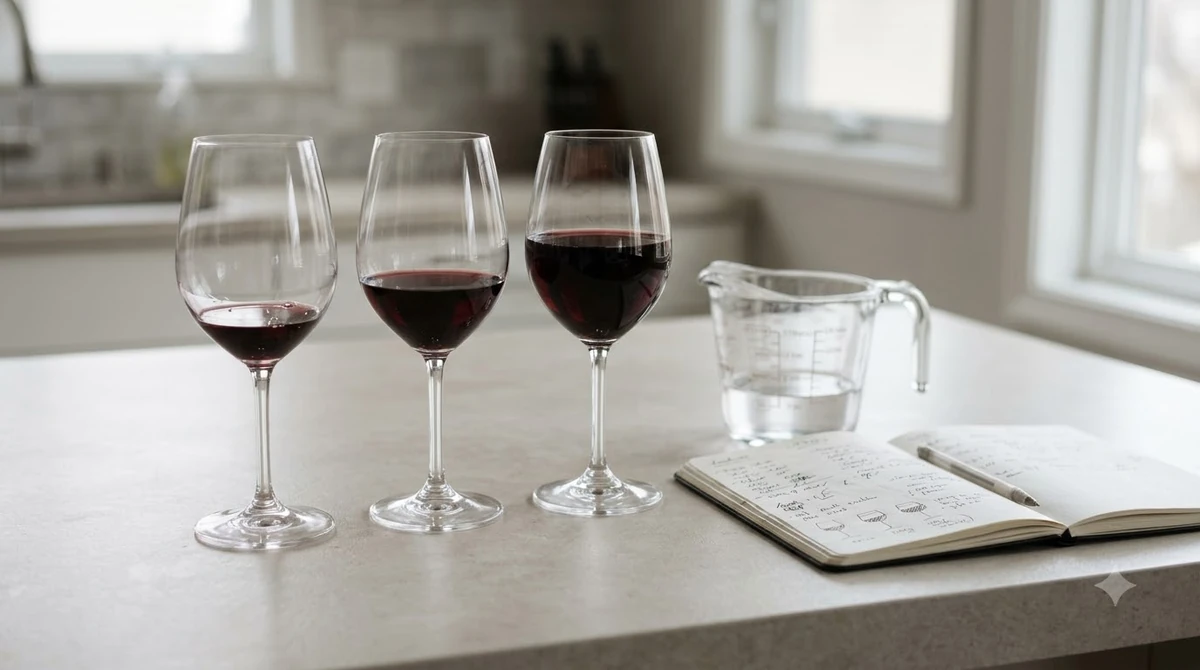
A useful way to understand American wine geography is to compare the same grape from two or three regions. Try a Willamette Valley Pinot Noir alongside a Russian River Valley Pinot Noir, for example. Both come from cool-influenced growing areas, but their climates, vineyard locations, and winemaking traditions can produce distinct results.
Another useful comparison is Cabernet Sauvignon from Napa Valley and Washington’s Columbia Valley. Consider differences in fruit ripeness, tannin, acidity, body, and oak influence. The goal is to understand how growing conditions and production choices shape the wine rather than assume that one region always produces a superior bottle.
Serving temperature also matters when making comparisons. Light-bodied reds such as many Pinot Noirs are generally best served around 55–60°F, while fuller-bodied reds such as Cabernet Sauvignon are commonly served around 60–65°F. Light whites are usually served around 45–50°F, and fuller-bodied Chardonnays around 50–55°F.
Planning a gathering with wines from different American regions? Bottle quantities matter as much as regional selection. A standard 750 ml bottle provides approximately five 5-ounce glasses, and this guide to how much wine for 100 guests can help estimate the amount needed for a larger event.
For smaller tasting groups, a magnum contains 1.5 liters, equivalent to two standard 750 ml bottles. The explanation of how many glasses in a magnum is useful when comparing bottle formats and planning pours.
Frequently Asked Questions
What was the first wine-producing region in the United States?
European settlers established early vineyards in several parts of North America, but wine production in the country has roots that predate the modern California industry. Spanish missionaries planted grapes in areas of present-day New Mexico and California during the colonial period. Commercial American wine history developed through several different regional traditions rather than beginning in one single state.
Does American wine always use grapes grown in the United States?
Not necessarily. Federal labeling rules allow certain wines to use broader geographic designations depending on their composition and production. However, a wine carrying a specific state or AVA appellation must meet the applicable grape-origin and production requirements. The designation on the bottle is therefore important when determining the geographic origin of the grapes.
Can American wine be made from native grape varieties?
Yes. American wineries produce wines from native and hybrid grapes as well as European Vitis vinifera varieties. Norton is an important example associated with Missouri, while Concord grapes have a long history in American grape production. These varieties can produce distinctive wines that differ considerably from conventional Cabernet Sauvignon or Chardonnay.
Are all American wine regions open to winery visitors?
Many wine regions have tasting rooms, guided visits, and vineyard tours, but visitor access varies by producer. Some wineries operate primarily as production facilities and require advance appointments. Others offer public tasting rooms, seasonal events, and organized wine trails. Checking individual winery visitor policies before traveling helps avoid unnecessary detours.
What does an American wine label mean by estate bottled?
Estate bottled is a regulated labeling term that identifies a winery’s relationship with its vineyards and production facilities. In general, the winery must grow all the grapes on land it owns or controls within the named AVA, crush and ferment the grapes, finish the wine, and bottle it in a continuous process at the winery’s premises. It provides a more specific indication of vineyard and production involvement than a general regional designation.
Wine is produced throughout the United States, from California’s established coastal and inland vineyards to the cool-climate regions of New York, Oregon, and Michigan and the warmer growing areas of Texas and Virginia. Exploring wines by state, AVA, and grape variety is an effective way to discover the country’s remarkable regional diversity. Whether you prefer Napa Cabernet Sauvignon, Oregon Pinot Noir, Finger Lakes Riesling, or a distinctive Texas red, American wine country offers plenty of regional styles to explore.
More in Wine Basics
 Which Rose Is Best for Your Taste, Budget, and Food PairingsUpdated Nov 21, 2026
 Is Cheap Wine Bad? How to Find Bottles Worth DrinkingUpdated Nov 21, 2026
 What To Write On A Wine Gift Tag: Thoughtful Messages For Every OccasionUpdated Nov 21, 2026
 Which Wine Is Best For Weight Loss? Compare Lower-Calorie ChoicesUpdated Nov 21, 2026
 What Is The Best Wine For Mimosas? Choose Bubbly That Balances Orange JuiceUpdated Nov 20, 2026
 Which Prosecco Is Best for Your Taste and OccasionUpdated Nov 20, 2026