

We may earn a commission when you buy through links on this page, at no extra cost to you. Learn more.
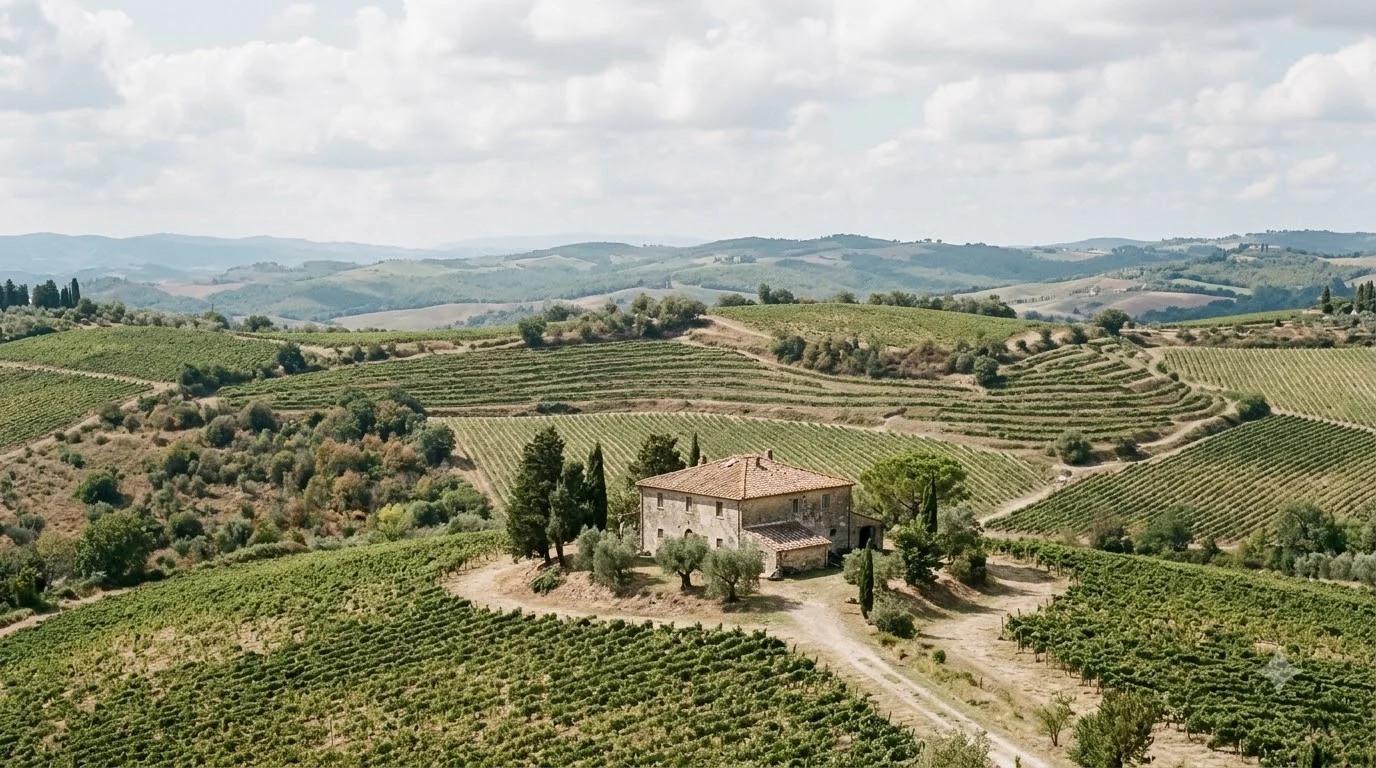
If you are wondering where is gewurztraminer from, this famously aromatic grape originated in the Alpine foothills of northern Italy—specifically around the village of Tramin in Alto Adige—before finding its most celebrated modern home in Alsace, France. Today, winemakers cultivate it across cool-climate regions worldwide, including Germany, Austria, New Zealand, and the United States. The variety is a pink-skinned mutation of the ancient Traminer grape that produces full-bodied white wines loaded with lychee, rose petal, and ginger notes.
Pronounced geh-vurtz-trah-mee-ner, this grape carries a German name that translates directly to “spiced Traminer” or “perfumed Traminer.” Understanding its geographic journey across European borders explains why a single bottle can feel both distinctly French and unmistakably German at the same time.
What It Is and Where It Originated
Gewürztraminer is an aromatic, pink-skinned white wine grape that traces its roots to the Alpine village of Tramin (Termeno in Italian) in northern Italy’s Alto Adige region, though genetic research shows deep clonal diversity across northeastern France and southeastern Germany as well. According to Wine Folly’s comprehensive grape guide, DNA analysis confirms that the grape is an aromatic mutation of the Savagnin Blanc (Traminer) family native to Europe’s Alpine foothills.
Records from the thirteenth century show that the term “Traminer” was already widely recognized throughout the German-speaking world. Over centuries of trade, shifting political borders, and vineyard propagation around the Alps, growers selected the most intensely perfumed, reddish-pink clones and began calling the variety Gewürztraminer—adding the German word Gewürz, meaning spice or perfume, to distinguish it from less aromatic Traminer relatives.
Unlike pale green grapes such as Sauvignon Blanc or Chardonnay, mature Gewürztraminer berries develop a striking dusty-pink to coppery-red skin hue. Because winemakers press these pigmented skins during production, the resulting white wine often pours a deeper golden-yellow color than most other white varieties. In the glass, high concentrations of natural aroma compounds called terpenes—specifically linalool and geraniol—give the wine its unmistakable floral and tropical bouquet.
Despite its fame among wine enthusiasts, Gewürztraminer remains a relatively rare grape on a global scale. Wine Folly notes that only around 20,000 acres are planted worldwide, meaning there are roughly 30 vines of Cabernet Sauvignon and four vines of Riesling for every single vine of Gewürztraminer. Its picky growing habits, sensitivity to spring frost, and naturally low yields keep production focused in specialized cool-climate pockets.
Flavor Profile and Styles
Gewürztraminer is immediately recognizable for its intense aromatics of lychee, rose petal, pink grapefruit, tangerine, and fresh ginger, paired with a rich, full-bodied mouthfeel and moderate to low acidity. Depending on harvest timing and winemaking choices, bottles range from bone-dry to luscious late-harvest dessert wines.
On the nose, few grapes match Gewürztraminer’s sheer aromatic volume. Beyond signature lychee and rosewater notes, tasters frequently encounter ripe stone fruits like apricot and white peach alongside baking spices and candied citrus peel. On the palate, the wine feels broader and oilier than crisp whites, often carrying higher alcohol levels between 13.5 and 15 percent ABV with virtually zero tannin.
Winemakers typically craft Gewürztraminer in three distinct sweetness tiers. Dry styles ferment nearly all natural grape sugar, letting the exotic fruit, spice, and subtle bitter pith finish take center stage without residual sweetness. Off-dry versions retain a touch of natural sugar that cushions the alcohol and amplifies the tropical fruit flavors, making the wine feel plush and rounded.
At the sweeter end of the spectrum, regions like Alsace produce prized late-harvest wines labeled Vendanges Tardives and noble-rot dessert wines labeled Sélection de Grains Nobles. When grapes hang late into autumn or develop beneficial Botrytis cinerea, natural sugars and glycerol concentrate inside the berries, creating opulent, honeyed wines capable of aging for decades.
Where It Grows Around the World
While its ancestry lies in the Italian Alps, Alsace in northeastern France serves as the global capital of Gewürztraminer, alongside major plantings in Italy’s Alto Adige, Germany, and cool-climate New World regions. Just as understanding where Merlot is from highlights how Bordeaux shapes global benchmarks, looking at Alsace reveals why climate and soil define Gewürztraminer’s best expressions.
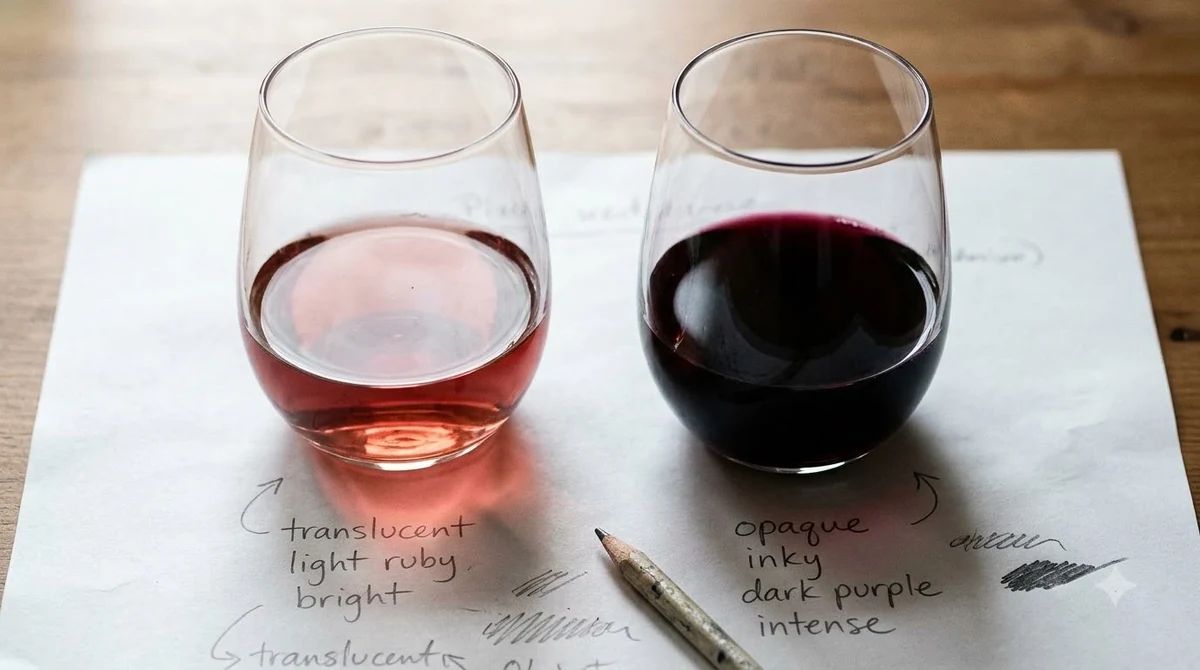
Alsace, France: Sitting along the Rhine River border with Germany and sheltered by the Vosges Mountains, Alsace accounts for roughly 7,000 acres of Gewürztraminer—the largest concentration anywhere on earth. Here, Gewürztraminer is revered as one of the region’s four noble grapes permitted in Alsace Grand Cru vineyards. Long, dry, sunny autumns allow the pink berries to ripen slowly while retaining aromatic precision across granite, limestone, clay, and sandstone slopes.
Alto Adige, Italy: Returning to its namesake village of Tramin, Gewürztraminer occupies roughly 1,500 acres (about 10 percent of total vineyard area) in northern Italy’s Südtirol. As detailed by the Alto Adige Wines consortium, the grape thrives in warm, well-ventilated, lime-rich loamy soils in the southern part of the region, producing vibrant, structured wines balanced by cool Alpine mountain nights.
Germany and Central Europe: Germany cultivates roughly 2,000 acres, primarily in the Pfalz and Baden regions just across the border from Alsace, where the grape is sometimes called Roter Traminer and vinified into both rich dry wines and aromatic off-dry bottlings. Hungary, Austria, Slovenia, Croatia, and Romania also maintain longstanding traditions with the grape around the broader Alpine and Danube basins.
United States, Australia, and New Zealand: Outside Europe, cool coastal and northern regions deliver the best results. In the US, standout bottlings come from California’s Monterey and Sonoma counties, Oregon’s Willamette Valley, Washington’s Columbia Gorge, and New York’s Finger Lakes. Australia grows roughly 2,000 acres in cooler pockets like Clare Valley, Eden Valley, and Tasmania, while New Zealand’s Hawke’s Bay and Marlborough regions produce crisp, floral examples.
| Region | Typical Style | Key Flavor Notes | Climate Influence |
|---|---|---|---|
| Alsace, France | Dry, off-dry, and sweet late-harvest | Lychee, rosewater, ginger, ripe apricot, smoke | Rain-shadow warmth with cool nights preserves aromatics |
| Alto Adige, Italy | Dry and crisp with vibrant structure | White peach, pink grapefruit, alpine herbs, spice | High elevation and mountain breezes boost freshness |
| Germany (Pfalz & Baden) | Rich dry to off-dry | Ripe melon, honeyed citrus, sweet baking spice | Mild river valleys encourage generous fruit ripeness |
| US West Coast & Finger Lakes | Dry to lightly off-dry | Tangerine, tropical fruit, floral blossom, fresh ginger | Pacific fog or deep glacial lakes prevent over-ripening |
How to Serve Gewürztraminer
Serve Gewürztraminer well chilled at 38 to 45°F (4 to 7°C) in a standard white wine glass to preserve its delicate floral aromatics and keep its full body feeling refreshing. Unlike structured reds such as those covered in our guide on where Syrah is from, Gewürztraminer rarely needs decanting and is best enjoyed within a few years of harvest.
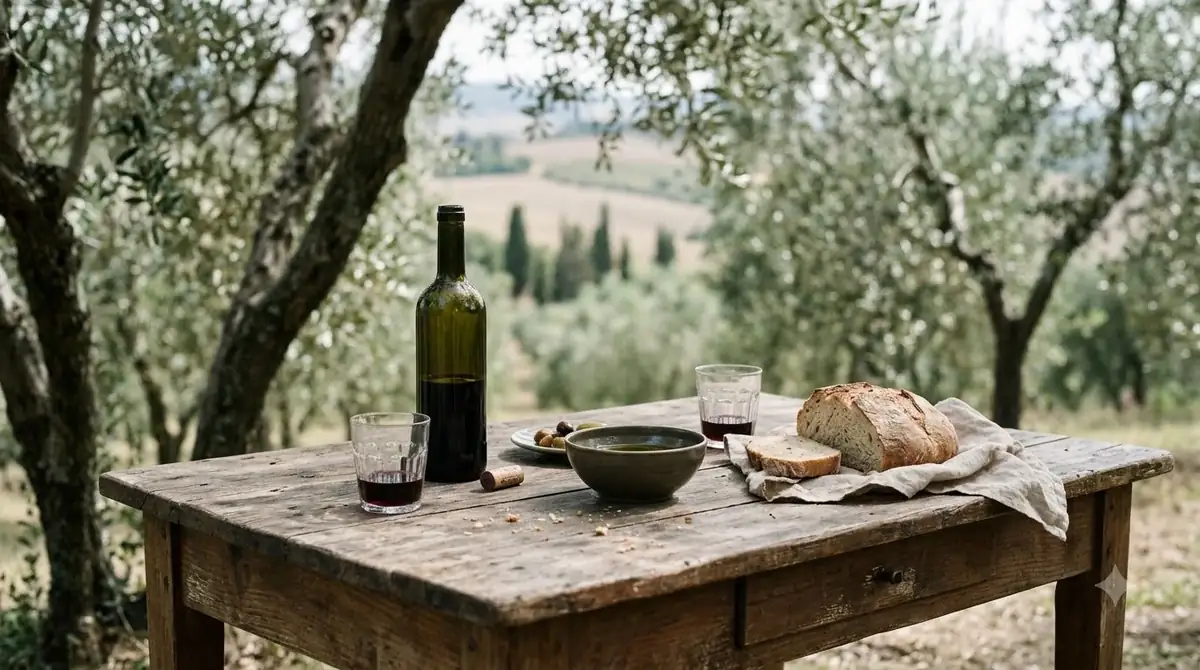
Temperature plays a critical role in balancing this grape’s naturally low acidity and elevated alcohol. Pulling a bottle straight from a standard kitchen refrigerator—or chilling it for roughly two hours before pouring—keeps the wine crisp on entry. If poured too warm, the high alcohol and lush fruit can feel heavy; if served ice-cold straight from a freezer, the signature rose and lychee aromatics temporarily mute until the glass warms slightly in your hand.
A tulip-shaped white wine glass with a slightly tapered rim works best because it funnels volatile floral terpenes directly toward the nose while directing the wine cleanly across the palate. Most everyday bottles are crafted for immediate enjoyment within one to five years of the vintage date, though top-tier Alsace Grand Cru and Vendanges Tardives bottlings can evolve complex honey, dried fruit, and savory spice notes over seven to ten years in a cool cellar.
Tip: If you are unsure whether a bottle is dry or off-dry before opening, check the alcohol percentage on the front label—bottles at 13.5 percent ABV or higher have usually fermented nearly dry, whereas bottles around 11 to 12.5 percent ABV typically retain noticeable residual sweetness.
Food Pairing
Gewürztraminer is one of the wine world’s ultimate partners for aromatic spices, ginger, toasted nuts, and pungent washed-rind cheeses because its lush fruit and floral perfume stand up to bold seasonings without clashing. Its low tannin and plush texture soothe palate heat from chilies while echoing fragrant herbs and sweet-savory glazes.
In its Alsatian homeland, the classic regional pairing is Munster cheese—a creamy, pungent washed-rind cow’s milk cheese whose savory funk melts smoothly into the wine’s rose and spice profile. Roquefort, aged Gouda, and rich pâté or foie gras also pair effortlessly, particularly when matched with off-dry or late-harvest styles whose sweetness balances salty richness.
At the dinner table, Gewürztraminer shines alongside dishes that overwhelm sharper whites. Thai red or green curries, Vietnamese lemongrass pork, Sichuan dumplings, Moroccan tagines scented with cinnamon and preserved lemon, and roasted pork loin with spiced fruit compote all harmonize with the wine’s ginger and tropical fruit notes. If you enjoy exploring how different bottles interact with meals across Wine by Type, keeping an off-dry Gewürztraminer on hand solves tricky sweet-and-spicy takeout pairings.
How to Choose a Bottle
When shopping for Gewürztraminer, look closely at the region, producer reputation, and alcohol level on the label to match the wine’s sweetness and intensity to your meal. Because global acreage is limited, specialty wine shops generally offer far better dry and balanced examples than mass-market grocery shelves.
Start with Alsace if you want classic complexity, looking for respected family estates or Grand Cru vineyard designations that signal concentrated fruit and mineral backbone. If you prefer a brighter, slightly more restrained style with brisk acidity, reach for bottles from Alto Adige in northern Italy or cool-climate American regions like Oregon, Washington, and New York’s Finger Lakes.
Finally, use the label cues to avoid surprises at the table. Terms like Vendanges Tardives or Sélection de Grains Nobles indicate rich dessert wines meant for cheese or fruit tarts—similar to how fortified bottles in our guide to where Port is from belong after dinner—while standard dry or off-dry AOC Alsace and Alto Adige DOC bottles are built for savory main courses.
Frequently Asked Questions
Is Gewürztraminer a sweet wine or a dry wine?
Gewürztraminer can be made dry, off-dry, or sweet depending on the region and winemaker. Most classic bottles from Alsace and Alto Adige are dry or just barely off-dry, though their intense lychee and rose aromas often trick the brain into perceiving sweetness even when little sugar remains.
Why does Gewürztraminer have a German name if it is famous in France?
The grape originated in the German-speaking Alpine region of Alto Adige near the village of Tramin and spread into Alsace, which sits directly on the French-German border. Because Alsace traded hands between France and Germany several times over the centuries, German grape names like Gewürztraminer and Riesling remained standard there.
What does Gewürztraminer taste like?
It tastes richly aromatic and full-bodied, led by notes of lychee, rose petal, pink grapefruit, ripe peach, and fresh ginger. Unlike crisp Sauvignon Blanc or Pinot Grigio, Gewürztraminer has lower acidity, higher alcohol, and a plush, almost silky texture on the palate.
How do you pronounce Gewürztraminer?
In English, it is pronounced “geh-vurtz-trah-mee-ner,” with the stress on the second and fourth syllables. Many wine drinkers and sommeliers also affectionately shorten the name to simply “Gewürz” when ordering at a restaurant or wine bar.
From its medieval roots in the Alpine foothills of northern Italy to the sun-drenched slopes of Alsace, Gewürztraminer offers one of the most distinctive sensory experiences in wine. Whether poured chilled alongside spicy Asian takeout or served with aged washed-rind cheese, a well-chosen bottle proves why this pink-skinned grape has captivated drinkers for centuries.
More in Wine Types & Grapes
 Where Is Norton From? The Story of America’s Native Red GrapeUpdated Nov 21, 2026
 Where Is Nero d Avola From? Sicily’s Signature Red Grape ExplainedUpdated Nov 21, 2026
 Where Is Muscadet From? Inside France’s Atlantic White Wine RegionUpdated Nov 21, 2026
 Where Is Montepulciano From? The Grape vs. the Tuscan TownUpdated Nov 21, 2026
 Where Is Grillo From? Discover Sicily’s Crisp Coastal White WineUpdated Nov 21, 2026
 What Is Xinomavro? A Guide to Northern Greece’s Signature Red GrapeUpdated Nov 21, 2026