

We may earn a commission when you buy through links on this page, at no extra cost to you. Learn more.
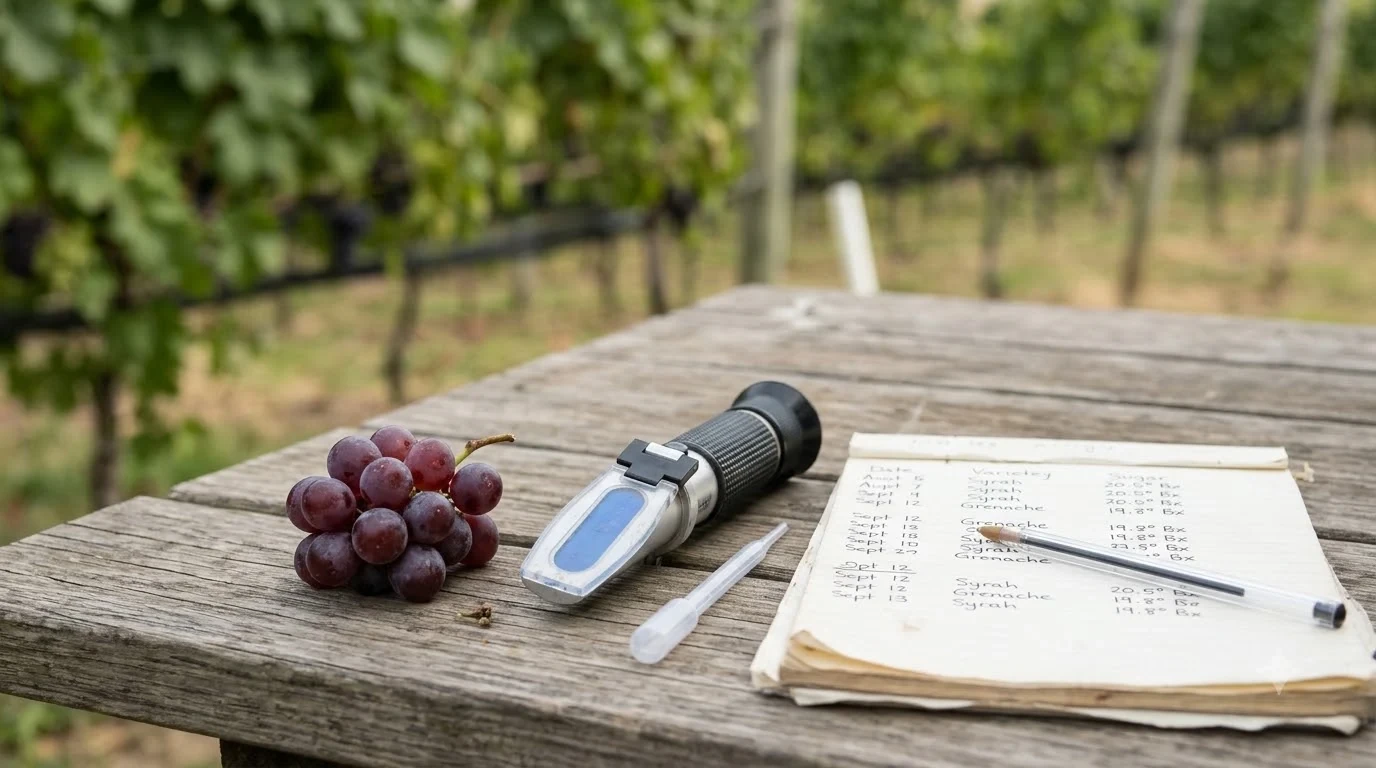
If you are wondering where is nero d avola from, the grape is native to the Italian island of Sicily, specifically named after the coastal town of Avola in the island’s southeast. Translating to “black of Avola,” it stands as Sicily’s most widely planted and historically significant indigenous red wine grape. While nearly all commercial plantings remain across Sicilian vineyards, small experimental plots have also taken root in warm, dry pockets of California and South Australia.
For decades, winemakers across mainland Italy relied on this dark-skinned variety behind the scenes to add deep pigment and structure to lighter regional blends. Today, modern Sicilian producers bottle it on its own and showcase the distinct sub-regions that shape its personality in the glass.
What Is Nero d’Avola?
Nero d’Avola is Sicily’s flagship red wine grape, prized for producing deeply colored, full-bodied dry wines that balance ripe dark fruit with refreshing natural acidity. Depending on vineyard elevation and cellar choices, it ranges from plush and oak-aged to bright, unoaked, and snappy.
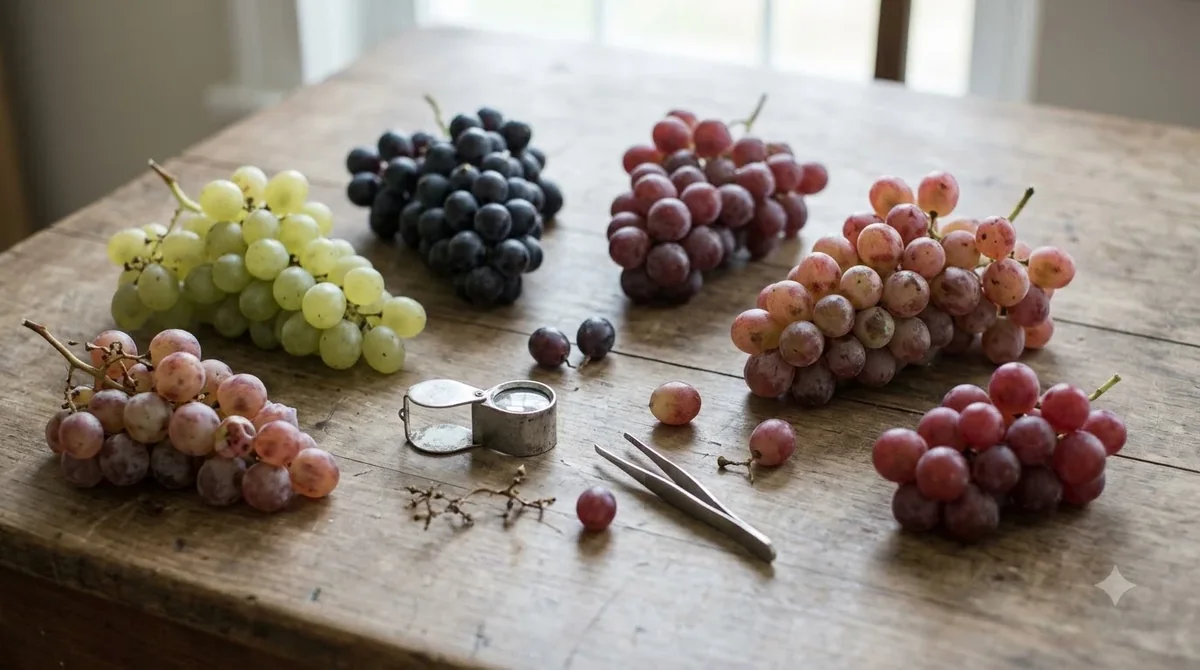
The grape takes its name directly from Avola, an agricultural town in the province of Syracuse on Sicily’s southeastern tip. In local Sicilian dialect, historical documents also refer to the vine as Calabrese. While that synonym once sparked speculation that the grape originated across the strait in mainland Calabria, ampelographers and wine historians generally agree that Calabrese is an Italianized phonetic shift from “Calaurisi,” an old dialect term meaning “from Avola.”
For much of the twentieth century, Nero d’Avola rarely appeared on front labels. Bulk producers shipped vast quantities of Sicilian wine north to reinforce paler wines in Tuscany, Piedmont, and southern France. That reputation shifted dramatically in the late 1990s when quality-focused Sicilian estates began lowering vineyard yields, harvesting at balanced ripeness, and bottling single-varietal expressions.
If you are just getting familiar with Sicilian reds, learning what is nero d avola and how it compares to international grapes makes shopping much easier. Wine educators frequently compare its weight and dark fruit profile to Cabernet Sauvignon or Syrah, though Nero d’Avola retains a distinctly Mediterranean savory edge. Even its name trips up plenty of shoppers at first glance, so checking a quick guide on how to pronounce nero d avola will help you order it with confidence at a restaurant or wine shop.
Where It Grows in Sicily and Beyond
Although Nero d’Avola originated in southeastern Sicily, growers now cultivate the variety across nearly every viticultural zone on the island. Beyond Italy, a handful of warm-climate winemakers in California and Australia have planted the drought-tolerant vine with promising results.
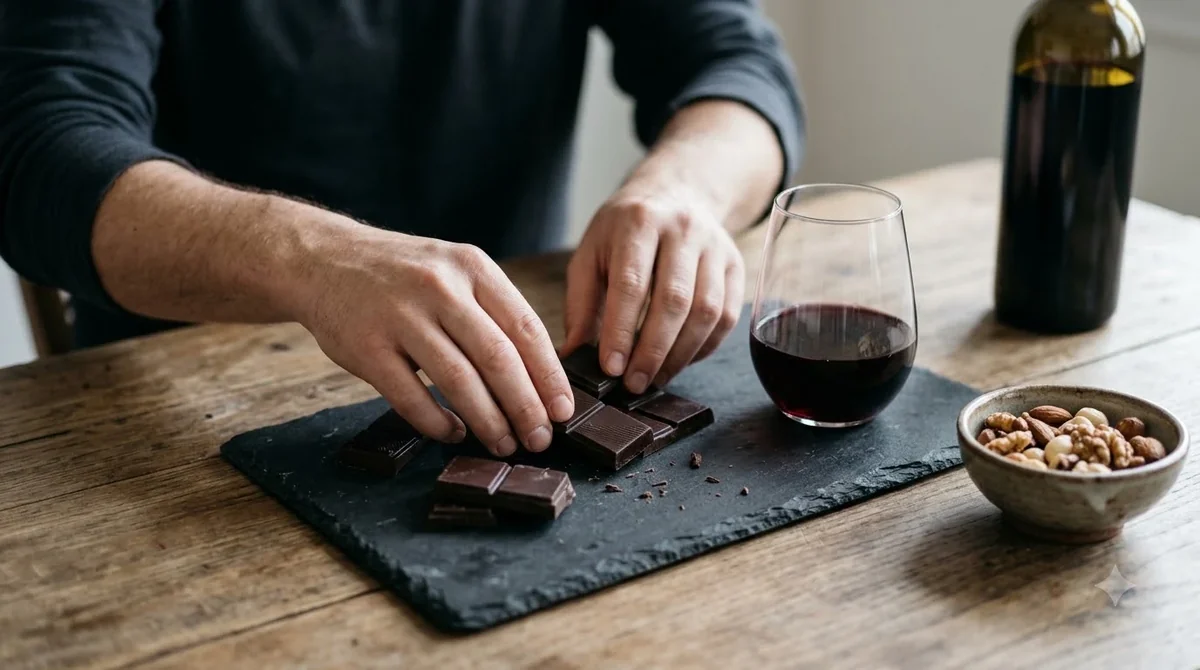
Within Sicily itself, geography creates dramatic differences in how the grape ripens. In its ancestral homeland of southeastern Sicily—centered around Noto, Eloro, and Vittoria—limestone soils and warm coastal breezes yield concentrated, structured wines with firm tannins. Just inland from the southern coast lies the Cerasuolo di Vittoria DOCG zone, Sicily’s only DOCG appellation, where winemakers blend 50 to 70 percent Nero d’Avola with the lighter, aromatic Frappato grape.
Moving toward western and central Sicily, vineyard elevations climb into rolling hills around Agrigento, Caltanissetta, and Palermo. Higher altitudes bring sharper temperature drops between hot sunny days and cool nights, which helps preserve crisp acidity and keeps alcohol levels moderate. Meanwhile, along the warmer southwestern coast near Menfi and Sambuca di Sicilia, Nero d’Avola tends to express plush, ripe berry notes with softer, rounder tannins.
Because the vine thrives in arid, windswept conditions where other European varieties struggle, winemakers outside Italy have started taking notice. As noted in Wine Folly’s guide to Nero d’Avola, pioneering dry-farmed plantings exist in California’s Mendocino County, while producers in South Australia’s McLaren Vale embrace the grape for its ability to hold natural acidity through intense summer heat.
| Growing Zone | Key Sub-Regions | Typical Climate & Soil | Resulting Wine Style |
|---|---|---|---|
| Southeastern Sicily | Avola, Noto, Eloro, Vittoria | Warm coastal plains, white calcareous limestone | Full-bodied, structured tannins, dark plum and spice |
| Central & Inland Sicily | Agrigento, Caltanissetta, Contea di Sclafani | Higher elevations (200 to 550 meters), clay and limestone | Bright acidity, lifted black cherry, licorice, firmer grip |
| Western Sicily | Menfi, Marsala, Palermo hills | Mediterranean coastal warmth mixed with hillside breezes | Approachable, plush ripe berry, softer tannins |
| International Outposts | Mendocino (California), McLaren Vale (Australia) | Dry-farmed warm inland and coastal valleys | Juicy dark fruit, vibrant acidity, sun-ripened richness |
Flavor Profile and Winemaking Styles
In the glass, Nero d’Avola typically falls into one of two distinct stylistic camps depending on how the winemaker handles oak and harvest timing. Both styles share a deep ruby-purple core and a core of dark fruit, yet they deliver very different textures on the palate.
The first style is bold, opulent, and barrel-aged. Winemakers ferment ripe grapes from low-yielding vineyards and mature the wine in French or Slavonian oak barrels. This approach builds a broad, full-bodied red with alcohol levels commonly landing between 13.5 percent and 14.5 percent ABV. Reviewers at Wine Enthusiast frequently highlight aromas of baked plum, black-skinned berries, espresso, cocoa, cedar, and Mediterranean scrub in these richer bottlings.
The second style skips heavy oak altogether in favor of stainless steel or neutral concrete fermentation. Harvested slightly earlier to capture peak freshness, unoaked Nero d’Avola offers snappier red cherry, wild raspberry, and dried herb flavors with medium-plus acidity and lighter, more approachable tannins. Producers also vinify small batches of the grape as dry rosé, taking advantage of its generous skin pigment and crisp natural acidity.
For a closer breakdown of primary fruit aromas versus secondary oak notes, explore our complete guide to nero d avola tasting notes before opening your next bottle.
How to Serve Nero d’Avola
Serving temperature and glassware make a noticeable difference with Nero d’Avola, especially because its combination of ripe fruit and moderate-to-high tannins can taste heavy if poured too warm. Aim for a cool cellar temperature between 60°F and 68°F (16°C to 20°C).
If your bottle has been sitting in a warm kitchen or dining room, placing it in the refrigerator for 15 to 20 minutes before uncorking brings the alcohol into balance and sharpens the fruit flavors. Lighter, unoaked versions from western Sicily or Frappato blends perform especially well toward the cooler end of that range, around 60°F.
Pour the wine into a large, wide-bowled red wine glass so the aromatic layers of dark cherry, dried herbs, and spice have room to open up. Young, oak-aged bottles from southeastern Sicily benefit from 30 to 60 minutes in a decanter to soften their firm tannins. While most everyday bottles are meant to be enjoyed within three to five years of vintage, structured single-vineyard reserves can develop savory leather and dried fig complexity over ten years in a cool cellar.
Tip: If you are serving a lighter, stainless-steel-aged Nero d’Avola on a warm evening, chill it down to about 58°F to 60°F so the red cherry acidity pops without emphasizing the tannins.
Food Pairings That Highlight the Grape
Nero d’Avola’s natural acidity and savory herbal undertones make it an adaptable partner at the dinner table, bridging the gap between rich braised meats and tomato-driven Mediterranean cooking. Its place alongside other medium-to-full-bodied reds in our Wine by Type overview comes down to how cleanly it cuts through fat and roasted flavors.
In its native Sicily, traditional pairings lean heavily on local produce and slow-cooked sauces. Pasta alla Norma—rigatoni tossed with rich tomato sauce, fried eggplant, basil, and salted ricotta salata—mirrors the wine’s savory herb notes while the tomato acidity matches the grape’s natural brightness. Grilled sausages, herb-rubbed lamb chops, and braised beef short ribs also work effortlessly with oak-aged bottlings because meat proteins soften the wine’s tannic grip.
You do not need an elaborate Italian feast to enjoy a bottle on a weeknight. A bacon cheeseburger, wood-fired pepperoni pizza, or smoky barbecue ribs play directly into Nero d’Avola’s dark berry fruit and black pepper spice. For plant-based meals, roasted portobello mushrooms, black lentil stews, or spiced Moroccan vegetable tagines bring out the earthy, licorice-like depth in the glass.
How to Read a Bottle Label
Shopping for Nero d’Avola becomes straightforward once you know a few key terms printed on Sicilian wine labels. Most bottles carry the Sicilia DOC designation, which covers varietal wines produced across the island and requires at least 85 percent Nero d’Avola in the blend.
If you want a more structured, age-worthy bottle from the grape’s historic heartland, look for sub-regional appellations like Noto DOC or Eloro DOC on the label. For something lighter, brighter, and more floral, choose Cerasuolo di Vittoria DOCG, where Frappato softens Nero d’Avola’s power into a silky, red-fruited blend. Checking the back label for oak aging notes and alcohol percentage will also tell you immediately whether to expect a fresh, stainless-steel pour or a dense, barrel-matured red.
Frequently Asked Questions
Is Nero d’Avola from mainland Italy or Sicily?
Nero d’Avola is native to Sicily, the large Mediterranean island off the southern tip of Italy. It takes its name from the town of Avola in southeastern Sicily. Although it carries the historical synonym Calabrese, wine historians trace that word to an old Sicilian dialect term for Avola rather than mainland Calabria.
Is Nero d’Avola a dry or sweet red wine?
Nero d’Avola is fermented completely dry, meaning virtually no residual sugar remains in the finished wine. Because the grape produces lush, sun-ripened flavors of black cherry, plum, and blackberry, first-time drinkers sometimes perceive a hint of fruit sweetness on the mid-palate. Its firm tannins and crisp acidity keep the finish savory and dry.
What popular wine is Nero d’Avola most similar to?
Full-bodied, oak-aged Nero d’Avola is most often compared to Cabernet Sauvignon or Syrah due to its deep color, dark fruit concentration, and structured tannins. Lighter, unoaked versions share more in common with Sangiovese or Grenache, offering bright red cherry fruit and lively acidity.
Does Nero d’Avola grow anywhere outside of Italy?
Yes, though plantings outside Sicily remain very small. Because the vine handles intense heat and dry soils remarkably well, a growing group of winemakers in South Australia’s McLaren Vale and California’s Mendocino County cultivate Nero d’Avola for single-varietal bottlings.
From its roots in the limestone vineyards of southeastern Sicily to hillside estates across the island, Nero d’Avola reflects centuries of Mediterranean winemaking history. Whether you pick up a bright, unoaked bottle for weeknight pasta or an oak-aged reserve from Noto for a slow-roasted dinner, knowing the grape’s Sicilian origins makes every pour more rewarding.
More in Wine Types & Grapes
 Zinfandel Sugar Content: Dry Red vs. White Zinfandel GramsUpdated Nov 21, 2026
 Best Zinfandel Substitute Options for Sipping and CookingUpdated Nov 21, 2026
 Zweigelt Food Pairing: Best Dishes, Cheeses, and Serving TipsUpdated Nov 21, 2026
 Zinfandel Tannins Explained: How Structure Shapes Every BottleUpdated Nov 21, 2026
 Zinfandel Sweetness Level: Dry Red vs. Sweet White Zin ExplainedUpdated Nov 21, 2026
 Xinomavro Food Pairing: Best Dishes, Styles, and Serving TipsUpdated Nov 21, 2026