

We may earn a commission when you buy through links on this page, at no extra cost to you. Learn more.
What wine has the most antioxidants? Dry red wines generally contain the most antioxidant-related polyphenols, with Pinot Noir, Cabernet Sauvignon, Syrah, and other deeply colored reds offering promising choices. Their higher polyphenol content comes largely from contact with grape skins and seeds during fermentation. However, no single grape variety consistently ranks first because vineyard conditions, grape characteristics, production methods, and analytical testing all influence the final result.
Wine contains several naturally occurring compounds that researchers study for their antioxidant properties. These include anthocyanins, catechins, tannins, flavonols, phenolic acids, and resveratrol. Understanding how these substances enter wine makes it easier to compare bottles and choose a style with a naturally rich phenolic profile. The important distinction is that a wine’s antioxidant content is a chemical measurement, not a guarantee of a health benefit from drinking it.
Why Red Wine Generally Contains More Antioxidants
Red wine usually has a higher concentration of polyphenols than white wine because of the way the two styles are produced. Extended contact with grape skins and seeds during red fermentation extracts compounds that contribute to color, structure, bitterness, and astringency.

Most red wines are fermented with their skins still in contact with the juice. During this process, compounds move from the solid grape material into the liquid. The length of maceration, fermentation temperature, grape variety, and winemaking decisions all influence how much material enters the finished wine.
White wine production generally separates the juice from the skins before fermentation. This reduces the extraction of skin-based pigments and tannins. White wines still contain phenolic compounds, but their concentrations and overall profiles are usually different from those found in red wines.
A review published in the journal Molecules describes substantial differences in the phenolic composition of red and white wines. It also explains that extraction practices, fermentation, and aging can alter the final concentrations of these compounds. In particular, red wines generally contain more flavonoids, including anthocyanins and flavan-3-ols. The review examines wine polyphenol content and its influence on wine quality, including the relationship between phenolic compounds and sensory characteristics.
These differences help explain why red wine is usually the starting point when comparing wines by total polyphenol content. However, color alone does not provide an exact measurement. Some white wines can contain notable amounts of particular phenolic compounds, and individual red wines can vary considerably.
There is also a difference between the amount of a compound in the grape and the amount that survives into the finished wine. Fermentation and storage involve chemical reactions that change the original compounds. Consequently, a grape with an impressive phenolic profile does not automatically produce a wine with the highest measured antioxidant capacity.
The practical takeaway is straightforward: choose a red wine if your primary comparison is total polyphenol content, but avoid assuming that every red bottle has the same composition. The production method and the grapes matter just as much as the color category.
Which Red Wine Grapes Have the Highest Polyphenol Content?
Pinot Noir, Cabernet Sauvignon, Syrah, and Merlot are useful starting points when comparing red wines with substantial phenolic content. Nevertheless, research does not establish one universally superior grape because different varieties can lead in different measurements.
Pinot Noir is particularly interesting because studies have reported high antioxidant capacity in certain wines made from this grape. A study comparing French wines reported a high antioxidant capacity for its Pinot Noir samples among the red wines included in that particular comparison. This is a study-specific result, not a guarantee that every Pinot Noir will outperform other reds.
Cabernet Sauvignon is another important candidate. Its relatively high tannin content and skin-derived phenolic compounds contribute to a structured, often firm wine. Catechins, proanthocyanidins, and other phenolic substances contribute to its characteristic astringency and bitterness.
Syrah is also worth considering. This grape can produce deeply colored wines with substantial tannin and a range of skin-derived phenolic compounds. Its profile varies with growing conditions and winemaking practices, so two Syrah wines can have noticeably different compositions.
Merlot offers another comparison. Although it generally has softer tannins than Cabernet Sauvignon, it still contains a variety of polyphenols. A softer mouthfeel should not be confused with an absence of antioxidant-related compounds.
Research also demonstrates that less familiar varieties can perform well in individual chemical measurements. A review of red wine chemistry discusses differences among grape varieties and identifies Cabernet Sauvignon, Cabernet Franc, and Pinot Noir among varieties with notable phenolic content. This reinforces the point that a short list of famous international grapes cannot represent every possible high-polyphenol wine.
The following comparison provides a practical overview of the main varieties. The descriptions refer to typical wine characteristics, not fixed laboratory rankings.
| Grape variety | Typical tannin level | Phenolic characteristics | What to expect |
|---|---|---|---|
| Pinot Noir | Low to medium | Anthocyanins, catechins, and other phenolics | High acidity and relatively delicate structure |
| Cabernet Sauvignon | High | Tannins, flavan-3-ols, and anthocyanins | Firm structure and concentrated red-fruit flavors |
| Syrah | Medium-plus to high | Skin-derived pigments and tannins | Dark fruit, spice, and substantial structure |
| Merlot | Medium | Anthocyanins, tannins, and flavonoids | Softer texture and rounded fruit character |
| Petit Verdot | High | Strong color and substantial skin-derived phenolics | Deep color and firm structure |
| Cabernet Franc | Medium to medium-plus | Anthocyanins and other phenolic compounds | Fresh acidity and herbaceous or red-fruit notes |
One important distinction is that tannin concentration and total antioxidant capacity are not interchangeable measurements. Tannins are part of the broader polyphenol family, but laboratory antioxidant tests measure the behavior of compounds under particular experimental conditions.
For example, Pinot Noir may produce a high result in one antioxidant-capacity study while Cabernet Sauvignon may contain more of a particular tannin or phenolic compound in another. Both observations can be correct because they measure different characteristics.
For everyday shopping, a well-made, dry red from one of these varieties is a reasonable choice. If comparing specific bottles, production details and actual laboratory measurements are more informative than relying on grape reputation alone.
Understanding Resveratrol, Anthocyanins, and Other Wine Antioxidants
Wine contains several groups of phenolic compounds, and each contributes something different to its chemical and sensory profile. Resveratrol receives considerable attention, but it is only one part of a much larger group of naturally occurring substances.
Resveratrol
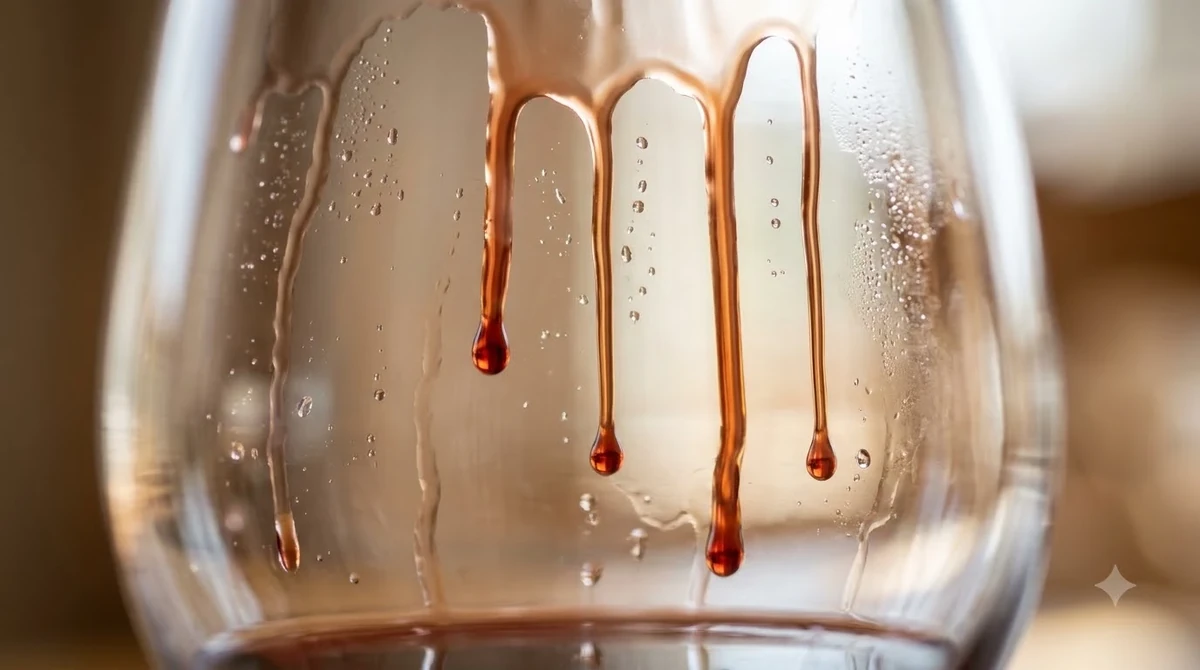
Resveratrol is a stilbene found naturally in grape skins and seeds. It is among the most widely discussed compounds associated with red wine, partly because researchers have investigated its antioxidant activity in laboratory experiments.
However, resveratrol is present at relatively low concentrations compared with many other wine polyphenols. A study published in Antioxidants examined 50 wine samples and reported resveratrol concentrations of 0.605–12.38 mg/L in red wines, compared with 0.07–0.35 mg/L in white wines.
These findings demonstrate a substantial difference between the sampled wine categories, but they do not mean that resveratrol alone determines the antioxidant capacity of a bottle. Catechins, tannins, anthocyanins, and phenolic acids also contribute to the overall chemical profile.
Anthocyanins
Anthocyanins are natural pigments responsible for much of the red, purple, and blue coloring found in grapes and red wines. They are extracted from grape skins during fermentation and help determine a wine’s color intensity.
These pigments include compounds such as malvidin, cyanidin, and delphinidin derivatives. Their concentrations depend on grape variety, maturity, growing conditions, and winemaking techniques.
Dark color can indicate substantial pigment extraction, but it does not provide a precise antioxidant measurement. Other phenolic compounds may be present in different proportions, and chemical reactions during aging can alter the color profile.
Catechins and tannins
Catechin and epicatechin belong to the flavan-3-ol family. They occur in grape skins and seeds and contribute to bitterness, astringency, and the structure of red wines.
Proanthocyanidins are larger compounds formed from flavan-3-ol units. They are often described as condensed tannins and contribute to the drying sensation associated with structured wines such as Cabernet Sauvignon and Syrah.
Phenolic acids and flavonols
Gallic acid, caffeic acid, and other phenolic acids are additional components of wine. Flavonols such as quercetin and myricetin are also found in grapes and wine, although their concentrations vary.
These compounds demonstrate why wine chemistry cannot be reduced to one famous ingredient. The overall phenolic profile consists of numerous substances that interact and change during production and storage.
A review in Molecules identifies these major groups and explains their influence on wine color, flavor, bitterness, and other properties. Its discussion also emphasizes that vineyard and production decisions can change the relative abundance of individual compounds.
How Winemaking Changes Antioxidant Concentrations
Grape variety provides the starting material, but winemaking determines how much of its phenolic content reaches the bottle. Skin contact, seed extraction, fermentation conditions, and aging can all change the final chemical composition.
Skin contact is one of the most important factors. During red wine production, grape skins remain in contact with the fermenting juice. This allows pigments, tannins, and other phenolic substances to enter the wine. Longer maceration can increase extraction, although the result depends on temperature, grape condition, and cellar techniques.
Seed contact also matters. Grape seeds contain tannins and other phenolic substances. Their extraction can influence bitterness and astringency. Winemakers manage this process carefully because excessive extraction may create a harsh or overly drying wine.
Fermentation temperature influences extraction. Temperature affects the rate at which compounds move from grape solids into the liquid. It also affects fermentation behavior and the development of a wine’s sensory profile. Different producers use different temperature strategies depending on the grape and intended style.
Pressing and clarification change the finished profile. The timing and intensity of pressing determine how much material is extracted from skins and seeds. Later clarification and fining can also change the amount of certain phenolic compounds remaining in the wine.
Aging introduces further chemical changes. Polyphenols can react with one another, form larger structures, or undergo oxidation-related transformations. These changes affect color, mouthfeel, and the measured concentration of individual compounds.
For example, young Cabernet Sauvignon may have a particularly firm tannic structure. With bottle aging, some of those tannins interact and form larger molecules, changing the wine’s texture. This does not mean aging automatically increases antioxidant capacity.
A review of red wine chemistry identifies grape variety, growing location, processing, and storage as important influences on phenolic composition. These findings explain why two wines made from the same grape can have substantially different chemical profiles.
Tip: If comparing wines for their naturally occurring polyphenols, start with dry reds made using traditional skin-contact fermentation. Consider the grape variety and production style together rather than choosing a bottle based on color intensity or a resveratrol claim alone.
Can White Wine, Rosé, and Other Styles Contain Antioxidants?
Yes. Red wine generally has more total polyphenols, but white wine, rosé, and other wine styles still contain naturally occurring phenolic compounds. Their differences come mainly from grape characteristics and the amount of skin contact during production.
White wine contains phenolic acids, flavonols, and smaller quantities of other compounds. Because the juice is usually separated from the skins before fermentation, white wines generally have fewer skin-derived pigments and tannins than conventional red wines.
However, white wine should not be described as antioxidant-free. A study examining Romanian wines identified measurable phenolic compounds in both red and white samples. The researchers also found meaningful variation among grape varieties and production regions.
Rosé wine occupies an intermediate position in terms of typical skin contact. Producers allow grape skins to remain with the juice for a relatively short period, creating the characteristic pink color. The resulting phenolic composition depends on the grape variety and extraction time.
Orange wine is another interesting option. It is typically made from white grapes fermented with their skins, following a production approach that resembles red wine fermentation. This extended skin contact can increase the extraction of tannins and other phenolic substances compared with conventional white wine.
Orange wines vary considerably. Some undergo only limited skin contact, while others remain on their skins for several weeks or longer. Consequently, the category does not have one standard antioxidant concentration.
Sparkling wine also contains polyphenols, although its composition depends on the base grapes and production method. Champagne and many traditional-method sparkling wines are made from Chardonnay, Pinot Noir, and Pinot Meunier. Their phenolic profiles differ from those of still red wines because of grape selection and production choices.
Sweet wines can also contain polyphenols. Residual sugar and phenolic content are separate characteristics, so sweetness does not automatically indicate a higher or lower antioxidant concentration. A late-harvest white wine, for example, may contain a meaningful range of phenolic substances despite its sweeter taste.
The key distinction is between total phenolic concentration and the concentration of individual compounds. A white wine might contain a noteworthy amount of a particular phenolic acid while having fewer total polyphenols than a red wine.
If you prefer white wine, rosé, or sparkling wine, there is no reason to assume that you must switch styles to find phenolic compounds. Red wine simply tends to lead in overall polyphenol concentration, not in every individual chemical measurement.
How to Compare Wines by Their Measured Antioxidant Content
Comparing wines accurately requires more than looking at grape variety, color, or tasting notes. Laboratory analysis provides a better understanding of phenolic composition, although different testing methods can produce results that are difficult to compare directly.
Researchers commonly measure total polyphenols using chemical assays that estimate the concentration of phenolic substances in a sample. Results may be expressed in milligrams of gallic acid equivalents per liter, abbreviated as mg GAE/L.
Another approach measures antioxidant capacity using tests such as DPPH radical-scavenging assays. These tests examine how a wine sample reacts with a particular laboratory reagent. Other methods investigate lipid oxidation or different chemical reactions.
The distinction matters because total polyphenol content and antioxidant capacity are related but not identical. Two wines with similar total polyphenol measurements can behave differently in an antioxidant assay because their individual compounds are present in different proportions.
For example, a study of Romanian wines compared total polyphenols, catechins, tannins, anthocyanins, and antioxidant activity. The researchers reported that Sauvignon Blanc from Stefanesti in the 2021 sample group had an antioxidant activity measurement of 78.97 ± 0.693 mg GAE/L, alongside a total polyphenol measurement of 983 ± 0.536 mg GAE/L.
That result is useful as an example of how a white wine can show substantial activity in a particular test. It does not overturn the general finding that red wines tend to contain more total polyphenols. Rather, it demonstrates why the exact measurement and testing method must be considered. The original research, published in the journal Antioxidants, provides details of the wine samples and analytical methods.
When evaluating a published wine comparison, look for these details:
- Total polyphenols: This provides an estimate of the combined phenolic content.
- Individual compounds: Measurements of resveratrol, catechin, epicatechin, and anthocyanins reveal more about the wine’s chemical composition.
- Antioxidant assay: Identify whether researchers used DPPH, lipid oxidation, or another method.
- Sample size: A study involving 50 wines offers a broader comparison than one involving only a few bottles, although neither automatically represents every wine.
- Grape variety and region: These details help explain differences between the samples.
- Production year and method: Both can influence the compounds found in the finished wine.
For example, a research paper that reports a high resveratrol concentration does not necessarily establish that the wine has the highest overall antioxidant capacity. Likewise, a high total polyphenol result does not mean every individual compound is present in greater quantities.
Consumers rarely have access to laboratory measurements for ordinary retail bottles. Therefore, the most practical approach is to choose a traditionally made red wine from a variety known for its substantial phenolic structure, while recognizing that this is an informed generalization rather than a precise chemical ranking.
For readers interested in alcohol content as another way to compare wine styles, our explanation of what wine has the highest alcohol covers how grape ripeness and fermentation influence the final strength of a bottle.
Choosing and Serving a Polyphenol-Rich Red Wine
A dry red wine made from Pinot Noir, Cabernet Sauvignon, Syrah, or Merlot is a practical starting point if you are interested in wines that generally contain more polyphenols. The best choice also depends on your preferred taste, food pairing, and the style you enjoy drinking.
Start by considering the grape variety. Cabernet Sauvignon and Syrah typically offer more pronounced tannins, while Merlot has a softer structure. Pinot Noir usually has lower-to-medium tannins and higher acidity, making it a useful alternative for people who prefer lighter red wines.
Next, consider the production style. Traditional red fermentation with skin contact allows extraction of pigments and other phenolic substances. However, a dark color or a particularly tannic mouthfeel should not be treated as a precise measurement of antioxidant content.
Food pairing can also help you select a wine you will enjoy. Cabernet Sauvignon works well with grilled beef, lamb, and other rich foods. Pinot Noir pairs naturally with roast chicken, mushrooms, and salmon. Syrah complements grilled meats and dishes with savory spices, while Merlot is a versatile choice for roasted vegetables and meat-based pasta dishes.
Serving temperature influences the way wine smells and tastes. It does not provide a reliable way to increase its phenolic concentration, but serving a wine correctly makes its characteristics easier to appreciate.
- Light reds: Serve Pinot Noir at approximately 55–60°F.
- Full-bodied reds: Serve Cabernet Sauvignon, Syrah, and fuller Merlot at approximately 60–65°F.
- Light whites: Serve at approximately 45–50°F.
- Full-bodied whites: Serve at approximately 50–55°F.
Storage also matters for maintaining wine quality. Keep bottles in a cool, dark location near 55°F, away from significant temperature changes and direct sunlight. Bottles with natural cork closures are generally stored on their sides to help keep the cork from drying out.
Once opened, most still wines are best enjoyed within approximately three to five days when properly resealed and refrigerated. Exposure to oxygen gradually changes the wine’s flavor and chemical composition, so extended storage after opening is not a reliable way to preserve its original characteristics.
It is also important to distinguish wine selection from health decisions. Although laboratory studies investigate antioxidant activity in wine compounds, that does not establish that drinking alcohol provides a health advantage. Alcohol itself carries health risks, and antioxidant measurements should not be interpreted as evidence that drinking wine is beneficial or necessary.
For people who simply enjoy wine, flavor and personal preference remain sensible reasons to select a bottle. A well-made Pinot Noir or Cabernet Sauvignon can be an enjoyable choice without treating its chemical composition as a reason to drink more.
If you are planning an event, practical serving quantities matter more than choosing a particular grape variety. Our guides explain how many glasses in a magnum and how much wine for 100 guests when estimating bottles for a gathering. You can also explore more wine basics through our Wine Q&A.
Frequently Asked Questions
Does the alcohol level affect a wine’s antioxidant concentration?
Alcohol percentage is not a direct measurement of polyphenol concentration. A wine at 12% ABV can contain more measured polyphenols than a wine at 14% ABV, depending on its grape variety and production method. Researchers measure phenolic compounds separately from alcohol concentration.
Does organic wine automatically contain more antioxidants?
No. Organic certification concerns agricultural and production standards rather than a guaranteed level of phenolic compounds. Vineyard conditions, grape genetics, maturity, and fermentation practices all influence the chemical composition of wine. Organic and conventionally produced wines can both contain substantial polyphenol concentrations.
Can decanting change the antioxidant content of red wine?
Decanting mainly separates wine from sediment and exposes it to oxygen. It can change aromas and the perception of tannins, but it is not an established method for increasing a wine’s total antioxidant concentration. Extended oxygen exposure can also contribute to chemical changes in wine.
Does freezing wine destroy all its polyphenols?
No. Freezing does not automatically eliminate every phenolic compound in wine. However, freezing and thawing can affect the wine’s physical stability, including the precipitation of certain compounds and changes in its appearance. It is not a recommended technique for improving or preserving antioxidant content.
Are wine antioxidants found in grape juice as well?
Yes. Grape juice contains naturally occurring phenolic compounds, including anthocyanins and other polyphenols, particularly when made from dark-skinned grapes. Fermentation changes the chemical profile by converting sugars into alcohol and producing additional chemical transformations. Consequently, grape juice and wine can have different phenolic compositions even when they originate from the same grape variety.
Dry red wines generally provide the highest total polyphenol concentrations, making Pinot Noir, Cabernet Sauvignon, Syrah, and Merlot useful varieties to explore. However, individual compounds and antioxidant measurements vary considerably between bottles, regions, and production methods. Choose a wine for its flavor and quality rather than treating its antioxidant content as a reason to consume alcohol.
More in Wine Basics
 Which Rose Is Best for Your Taste, Budget, and Food PairingsUpdated Nov 21, 2026
 Is Cheap Wine Bad? How to Find Bottles Worth DrinkingUpdated Nov 21, 2026
 What To Write On A Wine Gift Tag: Thoughtful Messages For Every OccasionUpdated Nov 21, 2026
 Which Wine Is Best For Weight Loss? Compare Lower-Calorie ChoicesUpdated Nov 21, 2026
 What Is The Best Wine For Mimosas? Choose Bubbly That Balances Orange JuiceUpdated Nov 20, 2026
 Which Prosecco Is Best for Your Taste and OccasionUpdated Nov 20, 2026