

We may earn a commission when you buy through links on this page, at no extra cost to you. Learn more.
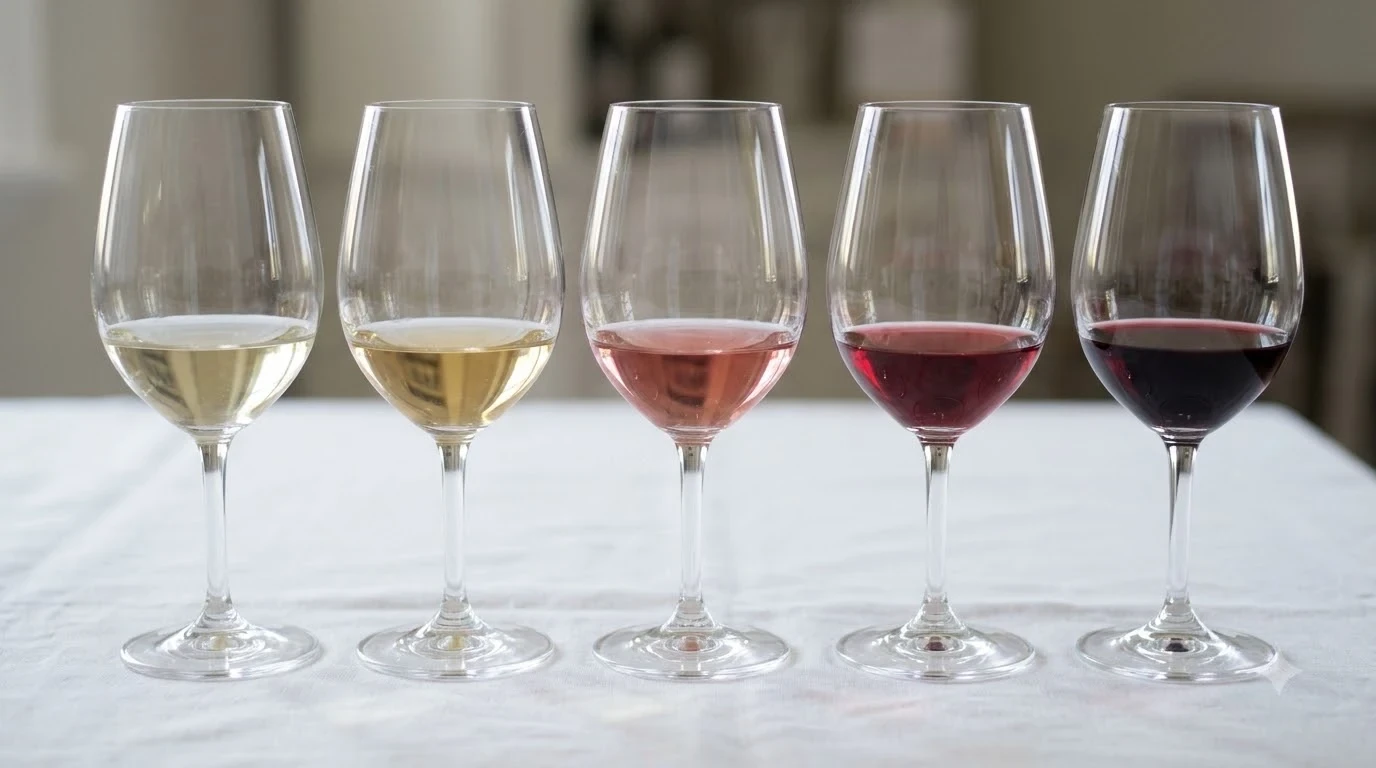
What wine goes with veal? Pinot Noir, Barbera, Chardonnay, and Sauvignon Blanc are excellent choices, depending on how the veal is prepared. Light, lemony veal dishes generally pair best with crisp, high-acidity whites, while roasted and braised preparations can handle elegant reds. The most reliable approach is to match the wine to the sauce, seasoning, and cooking method rather than choosing solely by the cut of meat.
Veal occupies an interesting position in food and wine pairing. Its tender texture and relatively mild flavor make it more delicate than beef, but preparations such as osso buco, veal Marsala, and veal Parmesan introduce deeper flavors that call for more substantial wines. Whether you’re preparing a simple pan-fried cutlet or a slow-braised Italian classic, there is a wine style that complements the dish without overwhelming it.
Why Veal Pairs Well With Both Red and White Wine
Veal can work beautifully with red and white wines because its natural flavor is relatively subtle. The cooking method, sauce, and accompanying ingredients determine how much body, acidity, and tannin the wine needs.
Unlike a heavily marbled beef steak, a typical veal cutlet contains relatively little fat. A powerful Cabernet Sauvignon can overwhelm its delicate flavor, particularly when the meat is simply seasoned and pan-fried. A lighter red such as Pinot Noir offers a more appropriate balance, while Chardonnay and Pinot Grigio provide excellent alternatives.
White wines are especially useful with preparations involving lemon, fresh herbs, butter, and delicate cream sauces. Their acidity refreshes the palate and complements the lighter flavors of the meat. Sauvignon Blanc, Pinot Grigio, and unoaked Chardonnay are particularly practical choices.
Red wines become more attractive when veal is roasted, grilled, or braised. Browning creates savory flavors, while long cooking concentrates the sauce and adds richness. These changes allow wines with more body and structure to complement the dish.
Several basic pairing principles help narrow the choices:
- Acidity: Match acidic sauces containing lemon, wine, or tomato with wines that have comparable or greater acidity.
- Tannin: Choose moderate or softer tannins for lean veal. Richer sauces and fatty accompaniments can soften the drying sensation of tannic reds.
- Body: Match delicate cutlets with lighter wines and substantial braised dishes with more structured selections.
- Intensity: Avoid wines whose oak, alcohol, or concentrated fruit completely dominates the meat.
- Sweetness: If the sauce contains noticeable sweetness, choose a wine that is at least as sweet as the food.
This approach is consistent with the pairing guidance in LCBO’s wine and food pairing principles, which emphasize matching intensity, acidity, sweetness, and texture.
Best White Wines for Veal
White wines are often the safest starting point for delicate veal dishes. Sauvignon Blanc, Pinot Grigio, and Chardonnay each offer a different balance of acidity, fruit, and texture for lemon sauces, butter, cream, and fresh herbs.

Pinot Grigio
Pinot Grigio is one of the most versatile choices for veal. Its crisp acidity, restrained fruit, and generally light body complement tender meat without adding excessive weight to the meal.
Serve it with veal piccata, scallopini, or simple pan-fried cutlets. The citrus character works particularly well with lemon juice, parsley, and capers. Italian Pinot Grigio is a natural choice for these preparations because its fresh profile supports the dish’s Mediterranean ingredients.
Choose a dry style rather than one with pronounced sweetness. A wine with excessive residual sugar can make a savory lemon-butter sauce taste unbalanced.
Sauvignon Blanc
Sauvignon Blanc is particularly effective with veal dishes containing lemon, capers, green herbs, or fresh vegetables. Its high acidity keeps the palate refreshed between bites, while citrus and herbal aromas complement parsley, thyme, and similar seasonings.
Try Sauvignon Blanc with veal piccata, grilled veal paillard, or cutlets served with a light lemon sauce. Loire Valley Sauvignon Blanc offers a particularly appealing combination of freshness and restrained fruit. New Zealand Sauvignon Blanc can work too, especially when the dish includes generous herbs and citrus.
For cream-heavy preparations, however, Sauvignon Blanc may feel too sharp. A rounder Chardonnay generally provides a better match.
Chardonnay
Chardonnay offers more body and texture than Pinot Grigio or Sauvignon Blanc. This makes it particularly suitable for veal served with butter, cream, or a moderately rich mushroom sauce.
Unoaked Chardonnay is a good choice for lightly seasoned veal, while lightly oaked versions can complement browned cutlets and buttery pan sauces. The wine’s broader texture helps match the richness without requiring a powerful red.
For a classic blanquette de veau, a French-style Chardonnay with balanced acidity and restrained oak is worth considering. Avoid heavily oaked versions when the sauce includes substantial lemon or delicate fresh herbs.
Other White Wine Options
Several additional varieties deserve consideration:
- Verdicchio: Its lively acidity and subtle almond and citrus notes suit lemon-based veal dishes.
- Soave: This Italian white offers a restrained, refreshing profile for simple cutlets and herb-seasoned veal.
- Dry Riesling: Its high acidity works with aromatic herbs, lightly sweet accompaniments, and richer preparations.
- Chenin Blanc: Its combination of acidity and texture makes it useful with roasted veal and vegetable sides.
For an easy dinner pairing, choose Pinot Grigio for lemony cutlets, Sauvignon Blanc for caper sauces, and Chardonnay for cream-based preparations. These three styles cover a substantial range of everyday veal recipes.
Best Red Wines for Veal
Red wine is an excellent choice for veal when roasting, browning, mushrooms, tomato, or slow braising adds depth to the dish. Pinot Noir, Barbera, and Sangiovese are particularly useful because they provide fruit and structure without necessarily overwhelming the meat.
Pinot Noir
Pinot Noir is arguably the most adaptable red wine for veal. Its low-to-medium tannin, relatively high acidity, and flavors of red cherry, raspberry, and earth complement the meat’s delicate character.
Choose Pinot Noir for roasted veal loin, mushroom sauces, veal stew, or grilled cutlets with rosemary. Its savory qualities connect naturally with earthy ingredients, while its acidity balances richer cooking juices.
French Pinot Noir from Burgundy is a classic option for restrained preparations. Oregon Pinot Noir is another good choice, particularly when the veal includes mushrooms or roasted vegetables.
Avoid serving Pinot Noir too warm. A slight chill helps preserve its freshness and keeps the alcohol from becoming too prominent.
Barbera
Barbera is a particularly good Italian red for veal. It typically offers bright acidity, generous red and dark fruit, and relatively moderate tannins.
These characteristics make it useful with veal saltimbocca, tomato-based preparations, and braised dishes. Its acidity works alongside savory sauces, while its fruit complements salty prosciutto and herbs.
Barbera d’Asti and Barbera d’Alba are two familiar regional styles to consider. For a straightforward saltimbocca dinner, Barbera is often a more balanced choice than a heavily tannic red.
Sangiovese and Chianti
Sangiovese brings bright acidity, red cherry flavors, and moderate tannin. These characteristics make it a natural companion for Italian veal preparations, particularly those involving tomato, herbs, and Parmesan.
Chianti Classico is a practical choice for veal Parmesan or a roasted veal roulade with sage. The acidity works with tomato-based sauces, while the savory character complements browned meat and herbs.
A traditionally made Tuscan Sangiovese can also suit veal served with Parma ham and Parmesan risotto. This combination illustrates how the entire plate, rather than just the meat, should guide the pairing.
Merlot and Tempranillo
Merlot offers softer tannins and ripe fruit, making it useful for richer veal preparations. It works especially well with mushroom stuffing, roasted vegetables, and concentrated meat juices.
Tempranillo is another possibility when the veal has substantial roasted or braised flavors. Its combination of red fruit, savory notes, and moderate structure can complement a dish without requiring the intensity of Cabernet Sauvignon.
For a deeper comparison of red wine choices with richer meat dishes, see our guide to what wine goes with beef brisket. Beef brisket generally supports more tannin and body, while delicate veal usually benefits from a lighter approach.
Wine Pairings for Popular Veal Dishes
The best pairing changes considerably between veal piccata, osso buco, saltimbocca, and veal Parmesan. Matching each recipe’s defining ingredients to the wine makes choosing a bottle much easier.
The following recommendations provide a practical starting point for familiar preparations.
| Veal dish | Recommended wine | Why it works |
|---|---|---|
| Veal piccata | Pinot Grigio | Fresh acidity complements lemon and capers. |
| Veal scallopini | Sauvignon Blanc | Citrus and herbal notes suit the light sauce. |
| Veal Milanese | Chardonnay | Texture complements crisp breading and butter. |
| Veal saltimbocca | Barbera | Fruit and acidity balance prosciutto and sage. |
| Osso buco | Barbera or Sangiovese | Acidity complements braising juices and gremolata. |
| Veal Parmesan | Chianti Classico | Acidity works with tomato and cheese. |
| Veal Marsala | Pinot Noir or Merlot | Red fruit complements mushrooms and savory sauce. |
| Veal with mushroom sauce | Pinot Noir | Earthy flavors complement mushrooms and browned meat. |
| Blanquette de veau | Chardonnay | Body and texture complement the creamy sauce. |
| Veal carpaccio | Dry Riesling | Fresh acidity suits the delicate raw preparation. |
Veal Piccata and Scallopini
Veal piccata and scallopini are among the clearest examples of why white wine often works better than red with veal. Thin cutlets cook quickly, and the sauces commonly include lemon, butter, capers, parsley, and white wine.
Pinot Grigio and Sauvignon Blanc are both excellent choices. Their acidity can keep pace with the lemon, while their lighter body allows the meat to remain the focus.
Choose a dry wine with refreshing acidity. A heavily oaked Chardonnay or an intensely tannic red is less suitable because neither offers the clean, bright character that the sauce needs.
Veal Milanese
Veal Milanese consists of breaded cutlets that are fried until golden and crisp. The coating introduces additional richness, so the wine needs enough acidity to refresh the palate.
Chardonnay works particularly well when the dish is served with butter or a simple salad. Dry sparkling wine is another useful option because its acidity and bubbles contrast with the fried coating.
If the cutlets are served with lemon, Pinot Grigio or dry Riesling can also work beautifully.
Osso Buco
Osso buco is a slow-braised veal shank preparation traditionally associated with Milan. The meat develops deep savory flavors during cooking, while the marrow and braising juices give the finished dish considerable richness.
Barbera is a strong choice because its acidity balances the richness of the sauce. Sangiovese is another excellent option, especially when the dish includes tomato, stock, and aromatic vegetables.
The traditional gremolata garnish, made with lemon zest, garlic, and parsley, adds freshness to the plate. A red wine with lively acidity helps connect that citrus character with the deeper flavors of the braise.
Veal Saltimbocca
Saltimbocca combines veal with prosciutto and sage, usually finished with butter and a wine-based pan sauce. The result is savory, salty, and aromatic.
Barbera is particularly suitable because its fruit balances the saltiness of the prosciutto. Chianti Classico also works well, offering acidity and savory red-fruit flavors that complement sage.
If you prefer white wine, choose a dry Italian white such as Soave. Its restrained character allows the prosciutto and herbs to remain prominent.
Veal Parmesan and Veal Marsala
Veal Parmesan introduces tomato sauce, melted cheese, and breaded meat. This combination has more flavor intensity than a plain cutlet, so a medium-bodied red is appropriate.
Chianti Classico, Montepulciano d’Abruzzo, and Dolcetto are useful choices. Their fruit and acidity complement tomato, while their moderate tannins avoid the aggressive dryness that can occur with very powerful reds.
Veal Marsala is a different proposition. The sauce’s mushrooms, wine, and savory sweetness call for a red with soft tannins and enough fruit to complement the sauce. Pinot Noir and Merlot are both good options. If the finished sauce is noticeably sweet, choose a wine with sufficient fruit and avoid an extremely dry, austere style.
How Sauces, Herbs, and Side Dishes Change the Pairing
The sauce can change the ideal wine more dramatically than the cut of veal itself. Lemon, mushrooms, cream, tomato, and sweet reductions each introduce different requirements for acidity, body, and tannin.
For this reason, consider the complete plate before selecting a bottle. A simple roasted veal chop with rosemary may suit Pinot Noir, while the same chop with a creamy mushroom sauce may benefit from a more substantial Chardonnay.
Lemon and Caper Sauces
Lemon and capers add acidity and salt to veal. These ingredients favor high-acidity whites such as Sauvignon Blanc, Pinot Grigio, and Verdicchio.
Salt can soften the perception of acidity, helping a crisp white wine taste more balanced. Avoid overly soft, low-acidity wines because they can seem flat beside a strongly lemon-seasoned dish.
Cream and Butter Sauces
Cream and butter introduce richness and a smooth texture. Chardonnay is usually the most straightforward option because it has enough body to match the sauce without overwhelming the meat.
Lightly oaked Chardonnay can add subtle vanilla and toast notes, while unoaked versions provide a cleaner, fresher profile. For a delicate cream sauce, avoid wines with excessive oak or alcohol.
Mushroom Sauces
Mushrooms introduce earthy and savory flavors that naturally complement Pinot Noir. The wine’s red-fruit character provides contrast, while its savory notes echo the mushrooms.
For richer preparations containing roasted mushrooms, veal stock, and butter, Merlot can also work. A fuller white Chardonnay is another option when cream is the dominant ingredient.
Tomato and Cheese
Tomato sauce requires a wine with sufficient acidity. Otherwise, the wine can taste dull or overly soft next to the tomato’s sharpness.
Chianti Classico and Barbera are useful red choices. If the dish also contains substantial Parmesan or another salty cheese, the wine’s fruit and acidity help maintain balance.
For other cheese-focused dinners, our guide to what wine goes with blue cheese explains why sweetness and acidity become especially important with strongly flavored cheeses.
Herbs and Sweet Accompaniments
Rosemary, thyme, parsley, and sage can influence the wine choice. Sauvignon Blanc is particularly useful with fresh green herbs, while Pinot Noir and Chianti work well with rosemary and sage in roasted or braised preparations.
Sweet sauces require more attention. A fruit-based accompaniment or sweet glaze can make a completely dry wine taste sharp. Select a wine with enough residual sweetness to balance the food rather than assuming that every savory meat dish requires a completely dry bottle.
Tip: When a veal recipe contains several competing flavors, identify the strongest one before choosing wine. Lemon usually points toward Sauvignon Blanc or Pinot Grigio, cream toward Chardonnay, and mushrooms or long-braised meat toward Pinot Noir or Barbera.
Vegetable sides matter too. Roasted root vegetables add sweetness and earthy flavors, while asparagus and green vegetables can introduce bitterness. A fresh, high-acidity white is often a flexible choice for herb-heavy vegetable accompaniments. For a tomato-based side such as eggplant Parmesan, consider the Italian red wine options discussed in our what wine goes with eggplant Parmesan pairing guide.
Serving Temperatures and Practical Wine Selection
Serving temperature affects how wine tastes alongside veal. Whites should be cool enough to feel refreshing, while reds benefit from modest chilling to preserve fruit and prevent alcohol from dominating the meal.
The following temperatures provide useful targets for the main wine styles used with veal.
| Wine style | Serving temperature | Typical veal pairing |
|---|---|---|
| Pinot Grigio | 45–50°F | Piccata and scallopini |
| Sauvignon Blanc | 45–50°F | Lemon and herb sauces |
| Chardonnay | 50–55°F | Cream and butter sauces |
| Pinot Noir | 55–60°F | Roasted veal and mushrooms |
| Barbera | 55–60°F | Saltimbocca and osso buco |
| Sangiovese | 55–60°F | Veal Parmesan and braised veal |
| Merlot | 60–65°F | Rich roasted and stuffed veal |
These are practical serving ranges rather than rigid rules. A particularly delicate Pinot Noir may benefit from the cooler end of its range, while a fuller Chardonnay can be served toward the warmer end to reveal more texture and aroma.
How Much Wine Should You Pour?
A standard wine pour is approximately 5 ounces. A 750 ml bottle therefore provides about five standard glasses, making one bottle a reasonable starting point for a small dinner party of four or five people.
If you’re serving several courses, consider whether the same wine will work throughout the meal. A crisp Pinot Grigio may be ideal with an appetizer of veal carpaccio but less suitable for a rich osso buco main course. In that situation, serving two different wines allows each dish to receive a more appropriate pairing.
Keep opened still wines refrigerated and generally aim to finish them within three to five days. Red wines should also be refrigerated after opening rather than left exposed to warm room temperatures.
Choosing Between Two Bottles
If you’re uncertain between a red and a white, consider how the veal is prepared. For quick-cooked cutlets, lemon sauces, and delicate seasoning, white wine is usually the safer choice. For slow-cooked shanks, rich mushroom sauces, and roasted meat juices, a lighter or medium-bodied red is generally more appropriate.
For a single versatile bottle, Pinot Noir is a good compromise. Its moderate tannins and acidity make it suitable for a range of roasted, mushroom-based, and simply seasoned veal dishes. However, if the meal is specifically built around lemon and capers, Pinot Grigio is a more precise choice.
For additional guidance on matching wine with different foods, explore our Wine Pairing resource.
Frequently Asked Questions
Can you serve rosé with veal?
Yes. Dry rosé is particularly useful with cold veal preparations, grilled cutlets, and dishes served with fresh vegetables. Rosé made from Grenache or Pinot Noir can offer enough fruit for the meat while retaining refreshing acidity. Serve light rosé at approximately 45–50°F.
Does sparkling wine pair with veal?
Yes. Brut sparkling wine works especially well with breaded veal cutlets and fried Milanese preparations. Its acidity and carbonation refresh the palate after bites of crisp, buttery coating. Champagne and traditional-method Cava are useful options because their second fermentation takes place in the bottle.
Is Cabernet Sauvignon too strong for veal?
Cabernet Sauvignon is usually too tannic and full-bodied for plain veal cutlets or lightly seasoned veal loin. However, it can be considered for a particularly rich preparation with concentrated red-wine reduction and substantial roasted flavors. Merlot or Pinot Noir will generally provide a more balanced result.
Can you cook veal with the same wine you serve?
Yes. Using the same wine in a pan sauce can create continuity between the food and the glass. Dry white wine is useful for piccata and scallopini, while red wine can contribute depth to a rich braising liquid. Avoid cooking with a wine that is noticeably sweet unless the recipe specifically calls for that character.
What wine goes with cold veal dishes?
Cold veal carpaccio and lightly seasoned tartare pair well with fresh whites such as Pinot Grigio and dry Riesling. Vitello tonnato, which combines chilled veal with tuna-based mayonnaise and capers, can also work with dry rosé. Serve these wines cool so their freshness complements the chilled preparation.
Ultimately, the best wine for veal depends on the ingredients surrounding the meat. Choose Sauvignon Blanc or Pinot Grigio for lemony cutlets, Chardonnay for creamy preparations, and Pinot Noir, Barbera, or Sangiovese for roasted and braised dishes. Match the wine’s acidity, body, and tannins to the complete plate, and even a simple veal dinner can become a well-balanced pairing.
More in Food & Wine Pairing
 Risotto With White Wine Recipe: Make a Creamy Dinner at HomeUpdated Nov 20, 2026
 Wassail With Wine Recipe for a Festive Spiced Holiday DrinkUpdated Nov 20, 2026
 Spritz Veneziano Recipe: Make a Classic Venetian Aperitivo at HomeUpdated Nov 20, 2026
 Summer Wine Punch Recipe for Easy Homemade EntertainingUpdated Nov 20, 2026
 Bishop Recipe: How to Make a Bright, Citrus-Forward Red Wine CocktailUpdated Nov 20, 2026
 Wine Cupcakes Recipe: Bake Rich Chocolate Cupcakes at HomeUpdated Nov 20, 2026