

We may earn a commission when you buy through links on this page, at no extra cost to you. Learn more.
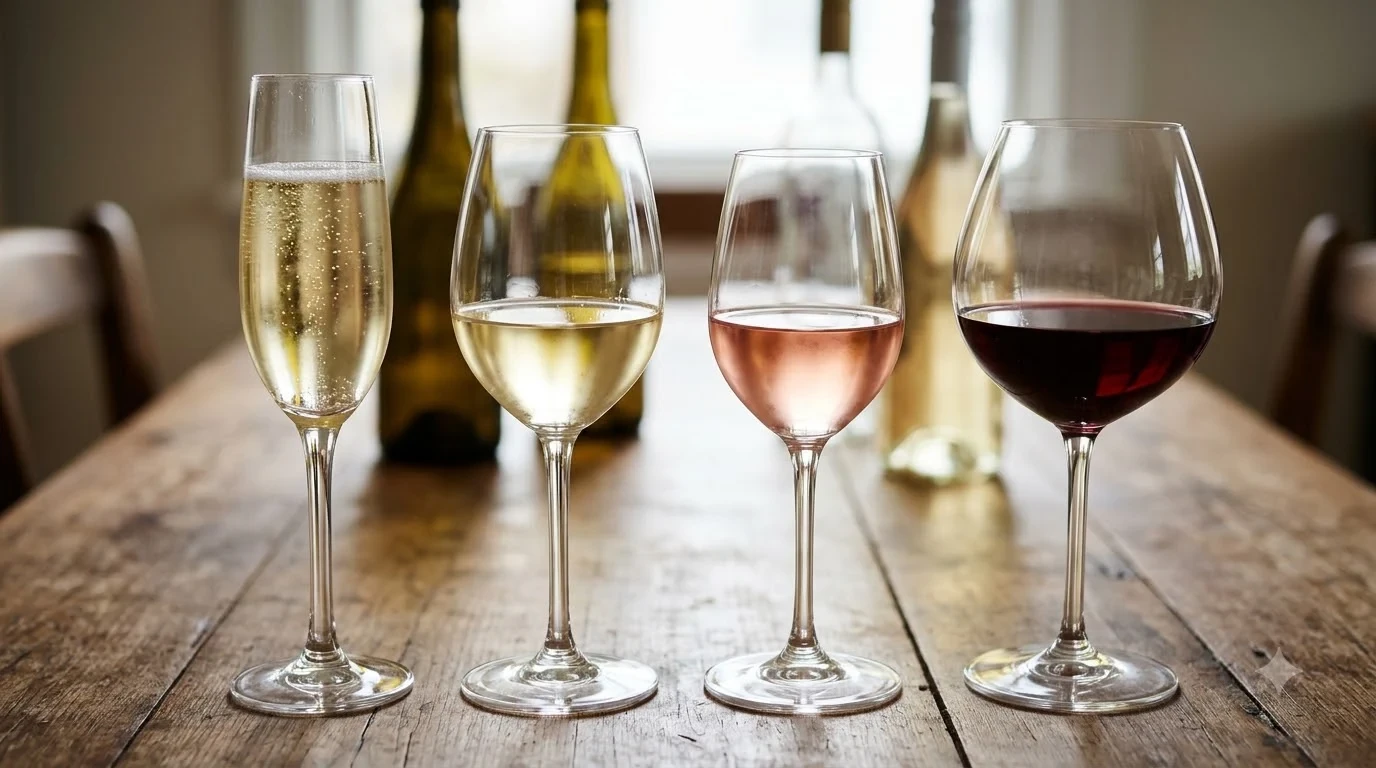
The best answer to what wine goes with trout is a crisp, high-acid white such as dry Riesling, Albariño, or unoaked Chardonnay. These wines refresh the palate without overpowering trout’s mild flavor, and their acidity works especially well with lemon, herbs, and butter. For roasted or smoked trout, a light Pinot Noir or a more textured white can also make sense.
Trout sits between delicate white fish and richer, meatier seafood, so the best bottle depends on the fish and what happens in the pan. A simply grilled rainbow trout needs a different wine from trout almondine, a smoked trout spread, or a fillet served with a creamy dill sauce. Start with the preparation, then choose a wine with enough freshness to balance the dish and enough body to stand beside its richest ingredient.
Best Starting Bottles for Trout
For most trout dinners, begin with dry Riesling, Albariño, unoaked Chardonnay, or Pinot Grigio. Each has a different strength: Riesling brings the sharpest citrus lift, Albariño offers freshness with a little more texture, Chardonnay is a natural partner for butter, and Pinot Grigio keeps a very simple plate light.
Freshwater trout is often delicate, and the practical goal is to preserve its clean, faintly sweet flavor rather than cover it with a heavy or highly tannic wine. Williams Sonoma’s fish-pairing advice names unoaked Chardonnay from California or Oregon, Spanish Albariño, and Italian Pinot Grigio for freshwater trout. Those are useful starting points because they combine moderate body with bright fruit and little or no red-wine tannin. Dry Riesling is another strong option, particularly when the plate includes lemon, fresh herbs, or a lightly sweet glaze.
The difference between these bottles is more useful than a rigid ranking. Choose Riesling when the fish is simply baked or served with lemon; its acidity sharpens the finish and keeps each bite fresh. Choose Albariño when the trout has a little more seasoning, olive oil, or a salty component. Choose unoaked Chardonnay when butter, almonds, or a mild cream sauce makes the dish richer. Pinot Grigio is a reliable fit for a delicate fillet with parsley, green vegetables, or a small amount of olive oil.
| Trout preparation | Best wine to start with | Why it works | Serving temperature |
|---|---|---|---|
| Simply baked with lemon | Dry Riesling | High acidity echoes citrus and refreshes the palate | 45–50°F |
| Grilled with herbs | Albariño | Fresh fruit and lively acidity complement herbs and char | 45–50°F |
| Trout almondine | Unoaked Chardonnay | Enough body for butter and almonds without heavy oak | 50–55°F |
| Lightly fried fillet | Dry sparkling wine | Bubbles and acidity cut through the crisp coating | 40–50°F |
| Smoked trout | Off-dry Riesling | Freshness and a touch of fruit balance smoke and salt | 43–50°F |
These are starting points, not rules that every recipe must follow. The Wine Pairing fundamentals are straightforward: match the wine’s weight to the dish, use acidity to balance rich or acidic ingredients, and consider the sauce before defaulting to the protein. That last step is particularly important with trout, which takes on the character of lemon, browned butter, herbs, smoke, or spice very quickly.
Choose Wine by Cooking Method
Cooking changes trout’s texture and flavor, so the wine should change with it. Gentle poaching favors bright, delicate whites; baking and roasting can support more body; grilling adds char; and frying calls for acidity or bubbles.
Poached or steamed trout: Choose dry Riesling, Pinot Grigio, or lean Chardonnay. These methods keep the fish moist and understated, so a highly oaked white or powerful red can dominate it. With ginger, scallion, or mild Asian seasonings, a Riesling with a little residual sweetness can soften the spice while retaining freshness. Baked or roasted trout: Add texture when the fish is roasted whole, browned at the edges, or served with mushrooms. Albariño, Chardonnay, or dry Pinot Blanc can carry the savory notes of thyme, fennel, mushrooms, and roasted potatoes.
Grilled trout: Albariño, Sauvignon Blanc, or dry rosé can handle smoke and char without burying the fish. Lemon and parsley point toward crisp whites, while smoky paprika or grilled peppers can make a fruitier rosé more appealing. Pan-fried or deep-fried trout: Favor dry sparkling wine, Sauvignon Blanc, or dry Riesling. Acidity refreshes the palate after the oil and crisp coating, while bubbles add lift; a broad, buttery Chardonnay can make the meal seem heavier.
Separate the cooking technique from the sauce when making the final choice. Decanter groups trout with medium-textured fish and emphasizes that texture, cooking method, and accompanying ingredients shape the match. Its fish-pairing advice supports high-acid whites with creamy sauces and crisp, dry styles with fried fish. The Decanter guide to pairing wine with fish is useful when one recipe changes from poached to grilled or fried.
Let Sauces, Herbs, and Side Dishes Set the Direction
The sauce can matter more than the trout itself. Lemon, butter, cream, herbs, smoke, and spice each pull the pairing in a different direction, so identify the most pronounced flavor before choosing the bottle.
Lemon and fresh herbs: Use a wine with equal or greater freshness than the dish. Dry Riesling, Sauvignon Blanc, and Albariño all have the acidity to keep pace with lemon; Sauvignon Blanc’s herbal character can echo dill, parsley, chives, or tarragon. Brown butter and almonds: Move toward more texture. Unoaked or lightly oaked Chardonnay is a practical choice for trout almondine because it has enough body for browned butter without an aggressive layer of toast or vanilla. Pinot Blanc can work with a modest sauce, especially when lemon remains part of the recipe.
Cream, cheese, and rich sauces: Choose acidity first, then body. Dry Riesling or lively Chardonnay can refresh the palate between bites of trout with cream sauce. A very strong blue-cheese sauce can overwhelm the fish; for a separate cheese course, what wine goes with blue cheese is a more relevant pairing question. Tomatoes, capers, and briny seasonings: Favor bright wines such as Albariño or crisp rosé, which can meet salt and acidity without feeling heavy. A tomato-and-cheese side is its own pairing challenge; the guide to what wine goes with eggplant parmesan addresses that combination separately.
Chili, ginger, and sweet glazes: Avoid high-alcohol, tannic reds. Alcohol and tannin can make chili heat feel stronger, while a slightly off-dry Riesling can soften the sensation and retain enough acidity for the fish. For a sweet glaze, choose a wine at least as sweet as the sauce; a bone-dry wine can seem sour beside a noticeably sweet coating.
White Wines for Different Trout Dishes
White wine is the most dependable category because its acidity and low tannin suit trout’s texture. The best grape depends on whether the dish needs citrus, herb notes, gentle richness, or a little sweetness.
Riesling and Albariño: Dry Riesling is a flexible pick for trout with lemon, dill, or a lightly spiced glaze. Its naturally high acidity is useful with butter or cream, while a slightly off-dry example gives chili or ginger seasoning a softer landing. Albariño is a strong match for grilled or pan-seared trout with olive oil, herbs, capers, or citrus; it combines bright acidity with enough texture for savory flavors. VinePair also pairs trout with Spanish Albariño for its crispness and ability to suit the fish’s salty character.
Chardonnay, Pinot Grigio, and Pinot Blanc: Select unoaked or lightly oaked Chardonnay rather than a heavily toasted, high-alcohol version. It is especially useful for trout almondine, lemon butter, or mild cream sauce because it has more breadth than a very lean white while retaining freshness. Pinot Grigio suits delicate fillets with green vegetables, parsley, or lemon; Pinot Blanc is often a little rounder and can stand beside modest cream sauce or roasted vegetables without a strong aromatic profile.
Sauvignon Blanc: Choose it when herbs or citrus are prominent. Its high acidity and herbal edge fit grilled trout with dill, parsley, chives, or green vegetables. Some examples can be intensely grassy or pungent, so a restrained Loire Valley style is a good direction when the fish is especially delicate. The Wine Enthusiast discussion of red wine with fish reinforces a useful principle: preparation and dominant flavor can matter more than the fish category alone.
When Light Reds and Rosé Work
Red wine is not automatically wrong with trout, especially when the fish is roasted, smoked, or grilled until its flavors deepen. Choose a light-bodied red with low to medium tannin and good acidity; avoid Cabernet Sauvignon, young tannic Syrah, or other reds that can make fish taste metallic.
Pinot Noir and Gamay: A light Pinot Noir can suit roasted trout, mushrooms, or a smoky preparation. Pinot Noir generally has lower to medium tannin and lively acidity, making it more adaptable than firm Cabernet Sauvignon or structured Syrah. Choose fresh red-fruit notes and moderate alcohol, and serve it slightly cool. Bright, lightly structured Gamay can also work with grilled trout, roasted vegetables, or tomato-based accompaniments; look for juicy fruit rather than a dense, extracted style.
Barbera and rosé: For whole trout roasted with mushrooms or browned vegetables, Barbera offers bright acidity that can provide some of the lift usually supplied by lemon. Wine Enthusiast specifically discusses Barbera with whole roasted trout, citing its acidity and spicy notes as a fit for earthy, roasted flavors. Dry rosé is a practical middle ground for grilled trout with charred peppers, tomato, or summer vegetables. Its red-fruit notes offer more flavor than a delicate white without the firm tannin of red wine.
The key is not to reach for the same red you might pour with a substantial meat dish. Trout asks for restraint: choose a light red with acidity and gentle tannin, not the powerful structure often considered for what wine goes with beef brisket. Keep lemon-heavy sauces away from tannic reds, since sharp acidity can make tannin seem harsher and the finish more bitter.
Serving and Storing Wine for a Trout Dinner
Serving temperature changes how a wine feels beside trout. Chill whites enough to preserve their freshness, but do not serve fuller whites so cold that their texture and aroma disappear; light reds benefit from a brief chill as well.
Use these practical serving ranges: sparkling wine at 40–50°F, light whites and rosé at 45–50°F, fuller whites at 50–55°F, light reds at 55–60°F, and sweet whites at 43–50°F. Dry Riesling, Albariño, Pinot Grigio, and Sauvignon Blanc are usually best in the light-white range. A fuller Chardonnay for trout almondine can come up a few degrees warmer. A light Pinot Noir should be cooler than room temperature, not warm from the kitchen counter.
For a standard dinner pour, plan on 5 ounces per person. A 750-milliliter bottle provides about five glasses, which is a useful calculation for a meal with several courses. If the meal includes both a white wine with the trout and a different bottle for a cheese course, pour smaller tastes rather than filling the glass at the start. This also makes it easier to compare how the wine changes as the fish cools and the sauce becomes more pronounced.
Store an unopened bottle on its side in a cool, dark place near 55°F when it has a natural cork and will be kept for more than a short period. After opening, return still wine to the refrigerator and aim to finish it within 3–5 days; sparkling wine is best within 1–3 days with a proper stopper. Take a refrigerated bottle out briefly before serving if it feels too cold, rather than leaving it on a warm counter for an extended period.
Tip: Chill the wine before cooking, then pour a small taste beside the finished trout before serving everyone. If lemon makes the wine seem dull, switch to a higher-acid white; if butter makes it seem thin, choose a wine with a little more body.
Frequently Asked Questions
These quick answers cover a few details that can help when the trout recipe or bottle is less familiar. They also address styles that are easy to confuse at the store.
Is Pinot Grigio the same grape as Pinot Gris?
Yes. Pinot Grigio and Pinot Gris are names for the same grape, though producers often use the names for different stylistic cues. Pinot Grigio is commonly associated with a crisp, lighter profile, while Pinot Gris can be made in a broader or more aromatic style, so the producer’s description matters more than the name alone.
Can I serve sparkling wine with trout?
Yes, especially with fried trout, trout fritters, or smoked trout served as an appetizer. Traditional-method sparkling wines such as Champagne and Cava receive their second fermentation in the bottle, which creates their fine bubbles and a more layered texture than many tank-method sparkling wines.
What wine works with smoked trout dip?
A high-acid, unoaked white with some texture is a strong choice; Petit Manseng is one example recommended by Wine Enthusiast for creamy smoked trout dip. The wine needs enough freshness for the creamy base and enough flavor to stand beside smoke, salt, and trout roe.
Should trout be served with sweet wine?
Usually, a dry wine is the best match for simply cooked trout. Moscato generally has low-to-medium acidity, so its aromatic sweetness is better reserved for a clearly sweet glaze or a dish with notable chili heat than for a plain fillet.
Could a red from Valpolicella work with trout?
A light Valpolicella Classico can suit simply grilled trout because it is a fresher style with tart cherry and berry notes. It is a different choice from the more concentrated Ripasso or Amarone styles, which are generally too weighty for a delicate fillet.
For most trout recipes, a crisp white is the safest and most versatile choice: start with Riesling, Albariño, or unoaked Chardonnay, then adjust for butter, smoke, spice, or char. When the cooking method gives the fish more intensity, a light Pinot Noir or dry rosé can be just as satisfying.
More in Food & Wine Pairing
 Risotto With White Wine Recipe: Make a Creamy Dinner at HomeUpdated Nov 20, 2026
 Wassail With Wine Recipe for a Festive Spiced Holiday DrinkUpdated Nov 20, 2026
 Spritz Veneziano Recipe: Make a Classic Venetian Aperitivo at HomeUpdated Nov 20, 2026
 Summer Wine Punch Recipe for Easy Homemade EntertainingUpdated Nov 20, 2026
 Bishop Recipe: How to Make a Bright, Citrus-Forward Red Wine CocktailUpdated Nov 20, 2026
 Wine Cupcakes Recipe: Bake Rich Chocolate Cupcakes at HomeUpdated Nov 20, 2026