


We may earn a commission when you buy through links on this page, at no extra cost to you. Learn more.
The best answer to what wine goes with tikka masala is an off-dry Riesling, thanks to its bright acidity, modest sweetness, and relatively gentle alcohol. It refreshes the palate after a creamy tomato sauce and helps keep chili warmth in check. A fruit-forward Merlot or crisp dry rosé is also a strong match, especially when the chicken has smoky char and the sauce is mild.
Chicken tikka masala brings together several flavors that can make wine matching seem complicated: tomato, cream, yogurt-marinated chicken, toasted spices, and sometimes a noticeable chili kick. The best bottle does not need to copy every spice. It needs enough freshness for the sauce, enough aromatic character for the seasoning, and restrained tannin and alcohol so the heat stays comfortable. Start with the sauce, then adjust for the way the dish is cooked and served.
Why the Sauce and Spice Matter More Than the Chicken
Tikka masala is a layered dish, so the sauce usually sets the direction for the pairing. Tomato contributes acidity, cream adds richness, and the spice mixture may bring cumin, coriander, ginger, garlic, turmeric, paprika, cardamom, and garam masala. A successful wine needs to stay lively against the creamy texture without making the spices taste harsher.

The chicken still matters, particularly when it is cooked over high heat before being folded into the sauce. Tandoor-style cooking can leave browned edges and a light smoky flavor, which is why a soft, fruit-forward red can work where a firm, tannic red would not. Wine educator Sandra Guibord recommends Merlot with chicken tikka masala because its softer tannin and fruit can sit comfortably beside the smoky chicken. The pairing is described in Wine Enthusiast’s Indian food pairing advice.
Heat level is the other variable. A restaurant’s mild tikka masala may be more about warm spice than direct chili heat, while a home recipe with extra fresh chilies can be much hotter. Alcohol and tannin can make chili seem more intense, so the hotter the sauce, the more important it becomes to choose a wine with moderate alcohol, fresh acidity, and little grip. A wine that feels plush and powerful on its own may become tiring beside a spicy curry.
Think of the dish in three parts: creamy texture, tomato tang, and aromatic spice. It needs body, acidity, and expressive fruit, which is why aromatic whites are flexible and soft reds suit versions where char is prominent.
Best White Wines: Riesling, Pinot Gris, and Gewürztraminer
White wine is the safest place to begin, particularly when the sauce is creamy or the chili level is uncertain. Riesling, Pinot Gris, and Gewürztraminer each bring a different mix of acidity, fruit, and aroma, giving you options from refreshing and light to rounder and more expressive.
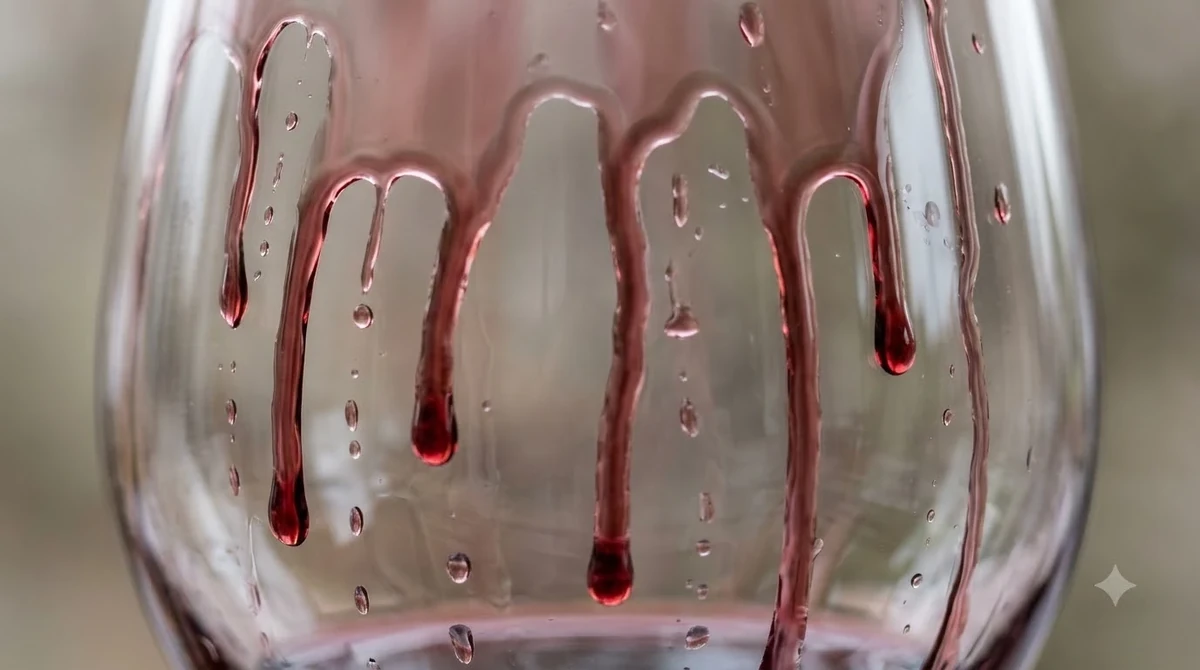
Off-dry Riesling for the most flexible match
An off-dry Riesling is the most versatile single-bottle choice for many versions of tikka masala. Its acidity refreshes the palate after cream, while a small amount of residual sugar softens the perception of chili and complements the sauce’s slightly sweet tomato character. Look for a wine that tastes gently rounded rather than fully sweet; the goal is balance, not dessert-level richness. German Riesling labeled Kabinett is a useful starting point, especially from the Mosel, where many examples combine modest alcohol, bright acidity, and a little sweetness.
Riesling has enough aromatic lift for ginger, coriander, and cardamom without competing with them. A very dry version can suit a mild recipe, but off-dry gives more room for variation; for hotter sauces, choose a lighter-bodied wine with moderate alcohol. Decanter’s guide to wine styles for spicy food also highlights off-dry Riesling for balancing heat.
Pinot Gris for a fuller sauce
Pinot Gris is worth considering when the gravy is thick, buttery, or particularly rich. Its generally fuller texture can stand up to cream, while ripe pear, peach, and orchard-fruit flavors complement the gentle sweetness often found in tomato-based sauces. An Alsace Pinot Gris is a practical direction when you want more body than a crisp Riesling provides, but still want a white wine without red-wine tannin.
Choose freshness over heavy oak or excessive alcohol, which can make a cream-rich meal feel heavier. The best match has enough weight to avoid tasting thin but enough acidity to leave a clean finish. Pinot Gris is especially good with lightly charred chicken and aromatic, moderate-heat sauce.
Gewürztraminer for aromatic spice
Gewürztraminer makes sense when the masala leans toward fragrant spices rather than sharp chili heat. Its floral, lychee, and ginger-like aromas can echo cardamom and warming spice, while its rounded texture works beside yogurt and cream. Alsace is a classic region to explore, though the grape is grown in other regions too.
Gewürztraminer can feel broad and lower in acidity than Riesling, so it is less suited to very tomato-forward or especially rich sauces. Serve it chilled with a fragrant, medium-heat tikka masala; for a table with several dishes, Riesling is more flexible.
Red Wines That Work: Merlot, Gamay, and Pinot Noir
Red wine can pair well with tikka masala, but the style matters more than the color. Choose bright fruit, moderate alcohol, and soft or low tannin; avoid firm, heavily structured reds that can make chili taste hotter and the sauce seem bitter.
Merlot is the most direct red recommendation for chicken tikka masala. Its medium tannin and softer texture can complement browned chicken without overpowering the cream and spice, especially when the wine is fruit-forward rather than heavily oaked. A fresh Merlot from a cooler area or a lighter-handed winemaking style is often more useful than a dense, extracted version. Wine Enthusiast’s pairing discussion specifically connects Merlot’s softer tannin and fruit to the smoky flavor of tandoor-cooked chicken.
Gamay, especially a lighter Cru Beaujolais, suits a mild or medium-heat recipe. Its fresh red fruit and lower tannic weight make it easier with tomato, yogurt, and spice than Cabernet Sauvignon. Serve it slightly cool, and avoid high alcohol or pronounced oak if the dish has strong chili heat.
Pinot Noir is more conditional. Its low-to-medium tannin and high acidity suit tomato and lightly grilled chicken, but delicate examples may disappear beside thick cream and garam masala. Choose it for lighter sauce, restrained chili, and clear grill char; otherwise, reach for Riesling, Pinot Gris, or rosé. Compare this with our guide to what wine goes with beef brisket.
Rosé and Sparkling Wines for Creamy, Spiced Sauce
Dry rosé and refreshing sparkling wine are useful alternatives when a table has several dishes or when you want a lively match without committing to a red. They bring fruit and freshness to tomato and cream, while their lighter structure is less likely to intensify chili than a powerful tannic red.
A crisp dry rosé is a particularly good partner for tomato-cream sauces. Look for a style with fresh acidity and red berry or citrus notes rather than a very delicate, pale rosé that might get lost beside the spices. A fuller-bodied rosé can match a richer sauce, while a leaner version works with a lighter preparation and grilled chicken. Wine Enthusiast’s Indian-food experts also point to crisp dry rosé with tomato-cream dishes such as tikka masala.
Sparkling wine refreshes the palate between bites, and a dry or slightly off-dry style works with creamy sauces, naan, and fried starters. Prosecco brings approachable apple and stone-fruit notes; dry sparkling rosé adds berry character. Avoid an extremely lean style if the sauce is very rich.
For a spread of samosas, pakoras, chutneys, and tikka masala, sparkling wine or rosé can cover more of the table than a structured red. Choose dry for a mild curry and a fruitier style with a touch of sweetness for clear chili heat.
Adjust the Pairing for Chili, Tomato, Cream, and Sides
The best bottle changes with the recipe. A tomato-heavy sauce needs freshness, a cream-heavy sauce needs enough wine body, and a hotter curry calls for restraint in alcohol and tannin; naan, rice, and cooling yogurt can also shift how the meal feels.
Use the table as a practical starting point rather than a rigid formula. Serving temperatures follow common wine-service ranges: light whites and rosé are best around 45–50°F, fuller whites around 50–55°F, light reds around 55–60°F, and sparkling wines around 40–50°F. A wine served too warm can make alcohol stand out, while a wine served too cold can hide its aromas and fruit.
| Wine style | Serving temperature | Best version of tikka masala | Why it works |
|---|---|---|---|
| Off-dry Riesling | 45–50°F | Medium or hot, tomato-and-cream sauce | High acidity refreshes; a little sweetness softens chili. |
| Alsace Pinot Gris | 50–55°F | Rich, cream-forward sauce | Fuller texture meets the sauce without red tannin. |
| Gewürztraminer | 45–50°F | Fragrant, medium-heat masala | Floral and ginger-like aromas echo the spices. |
| Dry rosé | 45–50°F | Tomato-forward sauce and grilled chicken | Fresh acidity and berry fruit keep the pairing lively. |
| Merlot or Gamay | 55–60°F | Mild sauce with noticeable tandoor char | Soft or low tannin lets the smoky chicken show. |
| Prosecco or sparkling rosé | 40–50°F | Creamy curry with naan or fried starters | Bubbles refresh the palate and handle varied textures. |
Think about heat before choosing sweetness. If the curry is mild and the tomato tastes fresh rather than sweet, dry rosé, Pinot Gris, or Merlot may be enough. If the recipe includes plenty of chili or a sweet tomato base, off-dry Riesling is more useful. Wine should be at least as sweet as the food, and a dish with noticeable acidity needs a wine with equal or higher acidity. Our broader Wine Pairing guide explains how sweetness, acidity, salt, and texture interact across different meals.
Plain basmati rice and naan soften chili and make medium-bodied wines easier to enjoy, while sharp pickles and tomato chutney call for acidity. Raita and cucumber salad cool the palate; fried samosas or pakoras add fat and crisp texture, favoring bubbles or fresh rosé. For vegetarian versions, the spice and sauce still lead: paneer tikka masala can suit Pinot Gris or off-dry Riesling, while smoky roasted eggplant can work with a soft red. A similar tomato-and-cheese balance appears in what wine goes with eggplant parmesan, though the seasoning and texture differ.
Serving Temperature, Pour Size, and Leftover Wine
Serve the wine cool enough to feel refreshing, but not so cold that its aromas disappear. A few simple serving habits make a noticeable difference with a dish that moves between cream, tomato, grill smoke, and spice.
For a typical dinner, pour about 5 ounces per glass; a standard 750 ml bottle provides roughly five servings. Chill Riesling, Pinot Gris, Gewürztraminer, and rosé before dinner, then let fuller whites warm slightly in the glass if their aromas seem muted. Sparkling wine should stay colder, around 40–50°F, while light reds such as Gamay or softer Merlot can be served at 55–60°F. Leave room in the glass to swirl aromatic whites; when serving several styles, start with sparkling wine or Riesling, move to rosé, and finish with red.
Tip: Put a light red such as Gamay or soft Merlot in the refrigerator briefly before serving. A gentle chill brings the fruit forward and keeps the alcohol from feeling heavy beside warm spices; do not serve it ice-cold.
Reseal opened still wine and refrigerate it; most remain enjoyable for about 3–5 days, though delicate aromas fade first. Keep unopened bottles away from heat and sunlight, with a steady storage temperature near 55°F. Leftover wine can accompany roast vegetables, grilled chicken, or mild cheese.
Frequently Asked Questions
These quick answers cover common variations, from restaurant heat levels to vegetarian versions and serving choices. The best match still depends on the balance of chili, tomato, cream, and char in the dish.
Is chicken tikka masala always spicy?
No. Heat varies widely by restaurant and recipe, and some versions emphasize toasted spices, tomato, and cream more than fresh chili. Ask how hot the sauce is prepared before selecting a bottle; a mild version can handle dry rosé or Merlot, while a hotter one favors lower-alcohol, off-dry whites.
Can I serve red wine with tikka masala slightly chilled?
Yes. Light reds such as Gamay and delicate Pinot Noir are often more refreshing with a short chill than at a warm dining-room temperature. Avoid chilling a dense, oak-heavy red until it becomes cold, since low temperature can make its tannin feel firmer and mute its fruit.
What does feinherb mean on a Riesling label?
Feinherb is a German term commonly used for an off-dry style, although it is not a tightly defined sweetness category. It can be a helpful clue when you want a wine with more than bone-dry freshness but less sweetness than a dessert wine. The final balance still depends on acidity and the wine’s overall weight.
Will sparkling wine work with naan and samosas?
Yes. Sparkling wine is especially useful when tikka masala is part of a larger spread that includes fried starters, because its bubbles and acidity refresh the palate after crisp, oily foods. A dry Prosecco or sparkling rosé is an easygoing choice for a casual meal with several textures.
Which wine should I choose for paneer tikka masala?
Choose by the sauce rather than by the paneer. Off-dry Riesling is a strong option for noticeable chili, while Pinot Gris works well with a thicker, creamier gravy. If the paneer has substantial grill marks and the sauce is mild, a soft Gamay can also complement its browned edges.
For most meals, start with an off-dry Riesling and adjust from there: choose Pinot Gris for extra creaminess, dry rosé for a lighter tomato sauce, or Merlot when smoky grilled chicken takes center stage. Keep the wine fresh, moderate in alcohol, and low in harsh tannin, and it will complement the spices instead of competing with them.
More in Food & Wine Pairing
 Risotto With White Wine Recipe: Make a Creamy Dinner at HomeUpdated Nov 20, 2026
 Wassail With Wine Recipe for a Festive Spiced Holiday DrinkUpdated Nov 20, 2026
 Spritz Veneziano Recipe: Make a Classic Venetian Aperitivo at HomeUpdated Nov 20, 2026
 Summer Wine Punch Recipe for Easy Homemade EntertainingUpdated Nov 20, 2026
 Bishop Recipe: How to Make a Bright, Citrus-Forward Red Wine CocktailUpdated Nov 20, 2026
 Wine Cupcakes Recipe: Bake Rich Chocolate Cupcakes at HomeUpdated Nov 20, 2026