

We may earn a commission when you buy through links on this page, at no extra cost to you. Learn more.
What wine goes with stir fry? Off-dry Riesling is the best all-around choice because its refreshing acidity, aromatic fruit, and gentle sweetness complement salty soy sauce, ginger, garlic, vegetables, and many spicy or sweet sauces. Sauvignon Blanc is an excellent alternative for lighter vegetable and seafood stir-fries, while Pinot Noir and Gamay suit savory beef, pork, and mushroom combinations. The best bottle depends more on the sauce’s sweetness, acidity, and chili heat than on whether the main ingredient is chicken, beef, shrimp, or tofu.
Stir fry is one of the more flexible dishes to pair with wine, but its combination of high heat, concentrated sauces, crisp vegetables, and savory ingredients creates a few challenges. Soy sauce brings salt and umami, rice vinegar introduces acidity, sesame oil adds richness, and ingredients such as fresh ginger, garlic, and chili contribute strong aromas. The right wine should refresh the palate without competing with those flavors. Once you identify the dominant sauce, choosing a complementary white, red, or sparkling wine becomes much easier.
Why Riesling Is the Best All-Around Stir-Fry Wine
Riesling is a particularly reliable choice because it combines high acidity with expressive fruit and a range of sweetness levels. An off-dry bottle is especially useful when a stir-fry contains soy sauce, sweet chili, honey, or a mixture of salty and spicy ingredients.

The wine’s acidity refreshes the palate between bites, while its fruit flavors complement the natural sweetness of bell peppers, carrots, onions, and other vegetables. A small amount of residual sugar also helps balance chili heat and sweet-savory sauces. This makes off-dry Riesling a dependable choice when several ingredients and seasonings appear in the same wok.
For a relatively mild chicken stir-fry with garlic, ginger, and soy sauce, choose a dry or slightly off-dry Riesling. Its citrus, apple, and stone-fruit characteristics provide freshness without overwhelming delicate poultry. If the recipe includes red chili flakes, sambal, or a sweet chili glaze, move toward a noticeably off-dry style.
German Riesling is worth considering because the style ranges from bone-dry to distinctly sweet. A Kabinett-style wine can provide the fruit and modest sweetness that spicy dishes need while retaining lively acidity. Australian Riesling is another option when a sharper, citrus-driven profile suits a lighter sauce.
Wine writer Fiona Beckett also identifies off-dry Riesling as a versatile match for Chinese-style stir-fries, with aromatic Riesling blends and Argentine Torrontés as alternatives. Her recommendations reinforce an important principle: a wine does not need to be powerful to complement a strongly seasoned dish. Her article, the best wine pairings for a Chinese-style stir-fry, also emphasizes the importance of matching the wine to the sauce rather than choosing solely by the main ingredient.
For a mixed stir-fry dinner featuring chicken, vegetables, noodles, and a moderately spicy sauce, Riesling is often a safer starting point than a heavily oaked Chardonnay or a tannic red.
Best White Wines for Chicken, Shrimp, and Vegetable Stir Fry
White wines are usually the easiest match for lighter stir-fries featuring chicken, shrimp, tofu, and fresh vegetables. Sauvignon Blanc, Grüner Veltliner, Pinot Grigio, and aromatic Gewürztraminer each offer a different combination of acidity, fruit, and aromatic intensity.
Sauvignon Blanc is a strong choice for garlic, ginger, scallions, snow peas, broccoli, and green bell peppers. Its naturally high acidity complements fresh vegetables and bright seasonings. New Zealand Sauvignon Blanc often has pronounced citrus and herbal characteristics, while French examples can offer a more restrained profile.
Choose Sauvignon Blanc when the sauce is based on light soy sauce, garlic, ginger, lime, or rice vinegar rather than thick, sugary glazes. The wine’s freshness helps balance the saltiness of the sauce and keeps the combination from feeling heavy.
Grüner Veltliner is another useful option, particularly for vegetable-heavy recipes. Its refreshing acidity and peppery, herbal character work well with cabbage, asparagus, snap peas, mushrooms, and ginger. Austrian examples are particularly suitable when the dish has plenty of green vegetables and a relatively restrained sauce.
Pinot Grigio suits uncomplicated chicken, shrimp, and tofu stir-fries. Look for a crisp, relatively light style rather than a heavily textured or strongly oaked white. It works especially well when the dish contains zucchini, carrots, mushrooms, and mild garlic seasoning.
Gewürztraminer becomes more useful as the dish grows more aromatic or spicy. Its expressive floral, lychee, and tropical-fruit characteristics complement ginger, garlic, chili, and fragrant seasoning. An off-dry example is especially helpful with spicy Thai-inspired stir-fry or dishes containing sweet chili sauce.
For shrimp, scallops, and delicate white fish, avoid powerful wines that overwhelm the seafood. A dry Riesling, Sauvignon Blanc, or Grüner Veltliner is generally a more balanced option. Also remember that oily fish and tannic red wines can be an awkward combination, so a high-tannin Cabernet Sauvignon is not the right alternative for a salmon stir-fry.
The following comparison provides a practical starting point:
| Wine | Best Stir-Fry Ingredients | Sauce Style | Serving Temperature |
|---|---|---|---|
| Off-dry Riesling | Chicken, shrimp, tofu | Spicy, sweet-savory, soy | 45–50°F |
| Dry Riesling | Shrimp, chicken, vegetables | Garlic, ginger, light soy | 45–50°F |
| Sauvignon Blanc | Green vegetables, shrimp | Citrus, vinegar, garlic | 45–50°F |
| Grüner Veltliner | Tofu, cabbage, asparagus | Herbal, savory, light soy | 45–50°F |
| Gewürztraminer | Chicken, pork, vegetables | Ginger, chili, sweet sauces | 45–50°F |
| Pinot Grigio | Chicken, shrimp, tofu | Mild garlic and soy | 45–50°F |
| Pinot Noir | Beef, pork, mushrooms | Dark soy, savory sauces | 55–60°F |
| Gamay | Beef, pork, mushrooms | Savory, moderately rich | 55–60°F |
These are practical serving ranges and pairing suggestions rather than strict rules. A wine’s acidity, sweetness, and body should still match the intensity of the finished dish.
Red Wine Pairings for Beef, Pork, and Mushroom Stir Fry
Red wine can work very well with stir fry, especially when the recipe features beef, pork, mushrooms, dark soy sauce, or black bean sauce. The key is to choose a fruity red with relatively low or moderate tannin instead of a powerful, heavily structured wine.
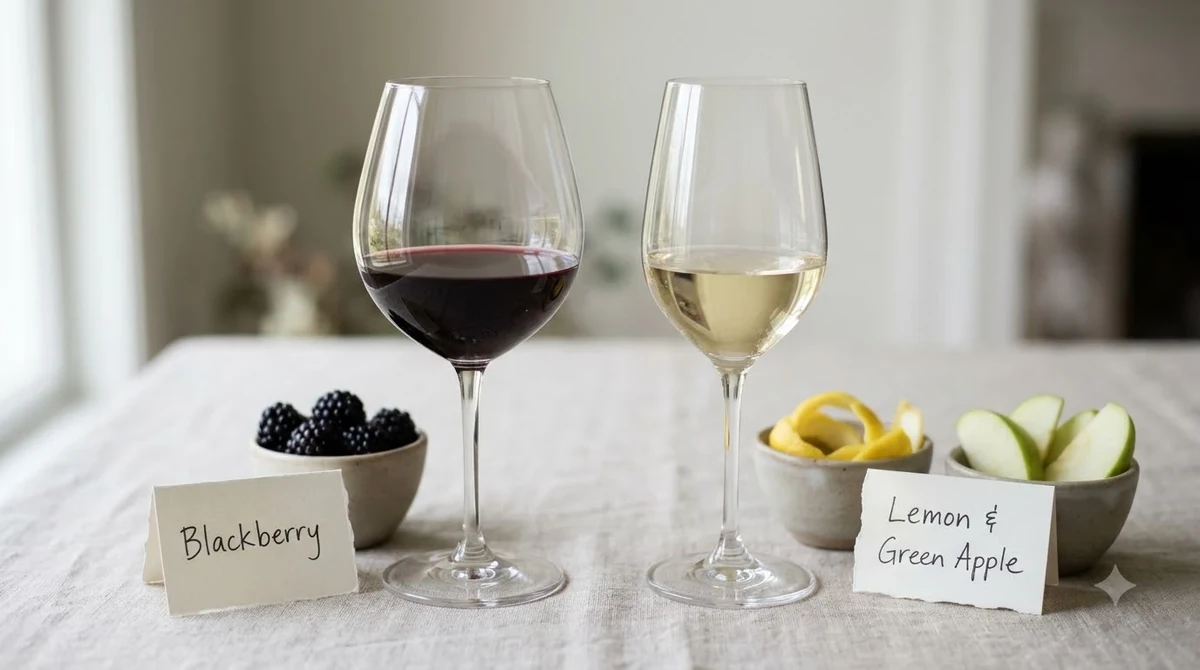
Pinot Noir is one of the most versatile red choices. Its low-to-medium tannin, bright acidity, and red-fruit character complement beef, pork, mushrooms, and savory sauces without dominating the vegetables. An Oregon Pinot Noir or a lighter Burgundy-style example can work particularly well with beef and broccoli.
For a beef stir-fry with dark soy sauce, ginger, garlic, and mushrooms, Pinot Noir provides enough fruit to match the meat while retaining freshness. Its acidity also helps balance the richness of sesame oil and other cooking fats.
Gamay, particularly Beaujolais, is another excellent candidate. It generally offers juicy berry flavors, refreshing acidity, and relatively low tannin. These characteristics make it suitable for beef, pork, and mushroom stir-fries with savory rather than intensely sweet sauces.
Serve Gamay slightly chilled, around 55–60°F. This temperature emphasizes its fruit and freshness and prevents the alcohol from becoming too prominent alongside salty, concentrated sauces.
Barbera is worth considering for more substantial beef stir-fries. Italian Barbera typically offers lively acidity and moderate tannin, making it a useful companion for meat, mushrooms, garlic, and savory tomato-based elements. It can also handle a richer preparation better than a delicate white wine.
Merlot is a reasonable alternative when the stir-fry contains substantial beef and a richer sauce. Its medium tannin and softer texture make it less aggressive than Cabernet Sauvignon. Choose a fruit-forward style rather than one dominated by oak.
Cabernet Sauvignon and powerful Syrah are generally less suitable for ordinary stir fry. Both can have substantial tannin, and the combination of tannin with salty soy sauce, vinegar, or chili can make the wine taste harsher. Fat and protein can soften tannin, but that does not mean every beef stir-fry needs a full-bodied red.
If you are preparing a richer beef dish rather than a quick vegetable-heavy wok meal, the principles behind what wine goes with beef brisket can also help you select a suitable red for a more substantial dinner.
Matching Wine to Soy Sauce, Teriyaki, Chili, and Other Sauces
The sauce is often the most important part of a stir-fry pairing. Chicken, beef, shrimp, and vegetables can all take on similar flavors once they are coated in soy sauce, honey, vinegar, sesame oil, or chili paste.
Start by identifying whether the finished dish is primarily salty and savory, sweet, acidic, spicy, or rich. Then select a wine with the appropriate sweetness, acidity, and tannin.
Soy Sauce, Garlic, and Ginger
For a classic soy-garlic stir-fry, choose dry Riesling, Sauvignon Blanc, Grüner Veltliner, or Pinot Noir. These wines have enough freshness to balance savory flavors without introducing excessive tannin or alcohol.
Light soy sauce tends to produce a less concentrated flavor than dark soy sauce. If the dish uses a modest amount of soy sauce alongside fresh ginger, garlic, and vegetables, a crisp white is an easy choice. If the recipe uses dark soy sauce with beef or pork, a fruit-forward Pinot Noir or Gamay can provide more depth.
Teriyaki, Honey, and Sweet Chili
Sweet sauces need a wine with sufficient fruit and, preferably, some residual sugar. Otherwise, the sugar in the food can make a dry wine taste thin, tart, or bitter.
Off-dry Riesling is particularly dependable with teriyaki chicken, honey-soy pork, and sweet chili shrimp. Chenin Blanc is another useful option because it can combine ripe fruit with refreshing acidity. A fruit-forward rosé also works when the sauce is moderately sweet rather than intensely sugary.
The basic rule is to ensure that the wine tastes at least as sweet as the dish. This does not mean every sweet sauce needs dessert wine. It means avoiding bone-dry wines when the glaze is strongly sweetened.
Chili, Sichuan Pepper, and Hot Sauces
Spicy stir-fries need special attention because alcohol and tannin can amplify the sensation of chili heat. A high-alcohol Cabernet Sauvignon or heavily structured Syrah can make an already hot dish feel even hotter.
Off-dry Riesling is usually the safest choice for Sichuan-inspired beef, kung pao chicken, and chili-garlic tofu. Gewürztraminer is another possibility when the dish has aromatic ginger, garlic, and fragrant spices.
For milder chili preparations, try a fruity rosé or lightly chilled Gamay. Both offer refreshing fruit without the heavy tannin of a powerful red. If the recipe is extremely hot, prioritize a lower-alcohol wine with some sweetness rather than selecting a wine solely for its body.
Vinegar, Lime, and Sweet-and-Sour Sauces
Acidic sauces require wines with sufficient acidity. A stir-fry containing rice vinegar, lime juice, lemon, or pineapple can make a low-acid wine taste flat.
Sauvignon Blanc and dry Riesling are reliable choices for dishes with noticeable citrus or vinegar. If the sauce is both sweet and sour, an off-dry Riesling provides a more balanced combination of fruit, acidity, and sweetness.
For additional guidance on how sweetness, salt, acidity, and fat affect a pairing, the broader Wine Pairing principles offer a useful framework.
Tip: Taste the finished sauce before opening the wine. If it is mostly salty and savory, start with dry Riesling or Pinot Noir. If it is sweet or spicy, choose off-dry Riesling. If vinegar or citrus dominates, select Sauvignon Blanc or another high-acid white.
Pairing Wine With Tofu, Vegetables, Noodles, and Different Proteins
The main ingredient still matters, even though sauce is often the deciding factor. Different proteins and vegetables bring their own textures, flavors, and richness, so the best wine should complement both the ingredients and the seasoning.
Chicken Stir Fry
Chicken is relatively mild and works with many wine styles. Dry Riesling and Sauvignon Blanc are particularly good with chicken, broccoli, carrots, snow peas, and ginger. When the recipe uses sweet chili or teriyaki sauce, move toward off-dry Riesling or Chenin Blanc.
For chicken with dark soy sauce, mushrooms, and garlic, Pinot Noir offers an attractive red alternative. Its moderate structure allows the poultry and vegetables to remain prominent.
Beef Stir Fry
Beef has more savory intensity than chicken and can support a light red wine. Pinot Noir and Gamay are especially good choices for beef and broccoli, black pepper beef, and mushroom-heavy stir-fries.
For a lean beef preparation with plenty of vegetables, dry Riesling or Grüner Veltliner can also work. The freshness of the wine contrasts with the savory meat and helps keep the dish from feeling too rich.
Shrimp and Seafood Stir Fry
Shrimp and other delicate seafood generally benefit from fresh, high-acid whites. Sauvignon Blanc, dry Riesling, and Pinot Grigio are dependable choices for shrimp with garlic, ginger, snow peas, and scallions.
If the recipe contains chili or sweet-and-sour sauce, off-dry Riesling becomes more attractive. Avoid highly tannic red wines with oily fish because the combination can create an unpleasant metallic or bitter impression.
Vegetable and Tofu Stir Fry
Vegetable stir-fries are especially flexible. Grüner Veltliner is excellent with cabbage, asparagus, snap peas, and green vegetables, while Sauvignon Blanc suits zucchini, peppers, and citrus-based sauces.
Tofu absorbs the flavor of its sauce, so the seasoning is particularly important. Tofu with ginger and light soy works with dry Riesling, while tofu with spicy chili sauce is better matched with an off-dry style. Mushroom-heavy tofu dishes can also work with Pinot Noir.
Noodle Stir Fry
Chow mein, lo mein, and other stir-fried noodle dishes often contain oil, soy sauce, vegetables, and a mixture of proteins. Their combination of salt, starch, and savory seasoning makes acidity especially useful.
Riesling and sparkling wine are excellent general choices. A fruit-forward rosé also works when the noodles contain pork, chicken, or vegetables and the sauce has a moderate amount of sweetness.
Serving Temperature, Glassware, and Pouring Tips
Serving temperature can make a noticeable difference when pairing wine with stir fry. A refreshing white should be cool enough to retain its acidity, while a red should be slightly chilled rather than served warm.
For most stir-fry dinners, serve light whites such as Sauvignon Blanc, Riesling, and Pinot Grigio at 45–50°F. This range keeps the wines fresh while allowing their aromas to remain noticeable. Full-bodied white wines are better served at 50–55°F.
Light reds such as Pinot Noir and Gamay are best around 55–60°F. Serving them slightly cool helps preserve their fruit and prevents their alcohol from overwhelming a salty or spicy sauce. Full-bodied reds generally work better at 60–65°F, although they are rarely necessary for an ordinary stir-fry.
Choose glassware that allows the wine’s aromas to develop without making the serving unnecessarily large. A standard 5-ounce pour is sufficient for a meal, and a 750 ml bottle provides approximately five glasses.
There is no need to decant most young Pinot Noir or Gamay before serving stir fry. These wines are generally approachable shortly after opening. If serving a young, full-bodied red with a particularly rich beef preparation, allowing 30–60 minutes of aeration can help soften its presentation.
Keep the wine available throughout the meal rather than pouring everything into glasses before the food reaches the table. Stir-fry flavors can become more concentrated as the dish cools, and having the bottle nearby makes it easy to adjust the pairing.
For a dinner with several stir-fry dishes, sparkling wine is also worth considering. Prosecco provides freshness and bubbles, while Champagne and Cava offer more complex flavors from their bottle-fermented production methods. Prosecco is made primarily from Glera grapes using the tank method, whereas Champagne and Cava undergo their second fermentation in the bottle.
For a mixed table of chicken, shrimp, vegetable noodles, and moderately spicy sauces, a bottle of off-dry Riesling or chilled sparkling wine is often more practical than opening several different bottles. Decanter’s guide to pairing wine with Chinese food likewise highlights aromatic whites, fruit-forward reds, and sparkling wines as useful choices across different dishes and seasoning styles.
Frequently Asked Questions
Can you drink red wine with Chinese stir fry?
Yes. Pinot Noir, Gamay, and Barbera are useful options because their fruit and acidity can complement savory sauces without excessive tannin. Beaujolais-Villages is a particularly approachable style to consider with beef, pork, and mushroom dishes.
Is Moscato good with spicy stir fry?
Moscato can work with moderately spicy stir fry, particularly when the recipe contains sweet chili sauce, pineapple, or fragrant ginger. Moscato d’Asti is a lightly sparkling Italian style that typically has relatively low alcohol and noticeable sweetness. Its sweetness can soften the perception of chili heat.
Does rosé wine go with stir fry?
Yes. Dry or slightly off-dry rosé can accompany chicken, pork, vegetables, and noodle stir-fries. A rosé made from Grenache or Pinot Noir is a useful choice for dishes that combine soy sauce, vegetables, and moderate sweetness.
Is sparkling wine a good choice for beef and broccoli?
Yes, particularly when the dish contains salty soy sauce and a moderate amount of oil. Lambrusco is an interesting option because it combines red-fruit flavors, refreshing acidity, and bubbles. A dry sparkling rosé can also complement the savory character of the beef.
Can you use the same wine for cooking stir fry and serving with dinner?
Yes, provided the wine suits the recipe and is appropriate for drinking. A dry Riesling or Sauvignon Blanc can work in a light sauce, while a fruit-forward Pinot Noir can complement a beef preparation. Avoid using sweet or heavily oaked wines in a recipe unless those flavors are specifically intended.
For most stir-fries, off-dry Riesling is the easiest place to start, while Sauvignon Blanc is particularly good for fresh vegetables and seafood. Pinot Noir and Gamay offer satisfying alternatives for savory beef and pork dishes. Focus on the sauce first, balance its sweetness and acidity, and choose a wine that complements rather than overwhelms the food.
More in Food & Wine Pairing
 Risotto With White Wine Recipe: Make a Creamy Dinner at HomeUpdated Nov 20, 2026
 Wassail With Wine Recipe for a Festive Spiced Holiday DrinkUpdated Nov 20, 2026
 Spritz Veneziano Recipe: Make a Classic Venetian Aperitivo at HomeUpdated Nov 20, 2026
 Summer Wine Punch Recipe for Easy Homemade EntertainingUpdated Nov 20, 2026
 Bishop Recipe: How to Make a Bright, Citrus-Forward Red Wine CocktailUpdated Nov 20, 2026
 Wine Cupcakes Recipe: Bake Rich Chocolate Cupcakes at HomeUpdated Nov 20, 2026