

We may earn a commission when you buy through links on this page, at no extra cost to you. Learn more.
What wine goes with shawarma? Dry rosé, Grenache, and crisp Sauvignon Blanc are excellent choices because their refreshing acidity and fruit complement the seasoned meat, garlic sauce, and tangy pickles. For chicken shawarma, start with a dry rosé or aromatic white. Lamb and beef shawarma can handle a juicy, medium-bodied red such as Grenache or Pinot Noir. If the wrap includes plenty of chili sauce, choose a lower-alcohol wine with softer tannins, such as an off-dry Riesling.
Shawarma brings together several powerful flavors in one meal. Slowly roasted meat develops savory depth and browned edges, while cumin, coriander, paprika, cinnamon, and garlic provide warmth and fragrance. Garlic sauce, tahini, yogurt, lemon, pickled vegetables, and fresh herbs add richness, acidity, and saltiness. These ingredients make shawarma an interesting pairing challenge because the meat is only one part of the finished dish.
The most successful pairing depends on the protein, cooking method, sauce, and amount of chili. Fortunately, you do not need a different bottle for every variation. A few versatile grapes and wine styles can cover chicken, lamb, beef, and vegetarian shawarma while keeping the meal balanced.
Why Shawarma Needs Freshness, Fruit, and Moderate Structure
Shawarma combines roasted meat, warm spices, garlic, fat, and acidic garnishes, so the best wines balance several characteristics rather than focusing on the protein alone. Fresh acidity and generous fruit are particularly useful, while moderate tannins keep the wine from becoming harsh beside the seasonings.
Start by considering the main components of a typical shawarma wrap. Chicken or lamb may be marinated with lemon juice, garlic, cumin, paprika, turmeric, and other spices before roasting. The meat develops browned edges and savory flavors as it cooks, creating a dish that can stand up to a flavorful wine.
However, the toppings change the pairing considerably. Pickled cucumbers, turnips, and onions introduce sharp acidity. Garlic sauce and tahini contribute richness, while yogurt sauce adds creaminess and tang. Fresh parsley and tomatoes bring herbal and slightly acidic notes. A wine that works with plain grilled lamb may therefore taste less successful with the same meat covered in lemony yogurt and pickles.
Acidity is one of the most useful qualities in a shawarma wine. It refreshes the palate after fatty meat and creamy sauces, and it helps the wine remain lively beside lemon juice and pickled vegetables. Sauvignon Blanc, Riesling, Pinot Noir, and Grenache-based rosé are useful examples.
Tannin deserves more careful consideration. Protein and fat can soften the perception of tannin, which explains why red wine can work with lamb and beef. Nevertheless, heavily tannic Cabernet Sauvignon or Syrah can become drying beside sharp pickles, garlic, and chili. A softer red is usually more versatile.
Spice is another important factor. Cumin, coriander, and paprika are aromatic rather than necessarily hot, so they can work with fruity reds and aromatic whites. Actual chili heat is different: alcohol and tannin can make the burning sensation more pronounced. For genuinely spicy shawarma, lower-alcohol wines with softer textures are safer choices.
Tip: Pair wine with the complete wrap rather than just the meat. A lamb shawarma with garlic yogurt, lemon, and pickles may need a fresher wine than a plain serving of grilled lamb.
Best Wines for Chicken Shawarma
Chicken shawarma pairs particularly well with dry rosé, Sauvignon Blanc, and Pinot Grigio. These wines have enough freshness to complement garlic, lemon, and yogurt while allowing the cumin, paprika, and browned chicken to remain prominent.
Dry rosé is one of the easiest choices for a chicken shawarma sandwich. Look for a Grenache-based rosé from Provence or another Mediterranean region. Its red-fruit character complements roasted chicken, while refreshing acidity works with pickled vegetables and garlic sauce. A dry style also avoids adding unnecessary sweetness to an already richly seasoned meal.
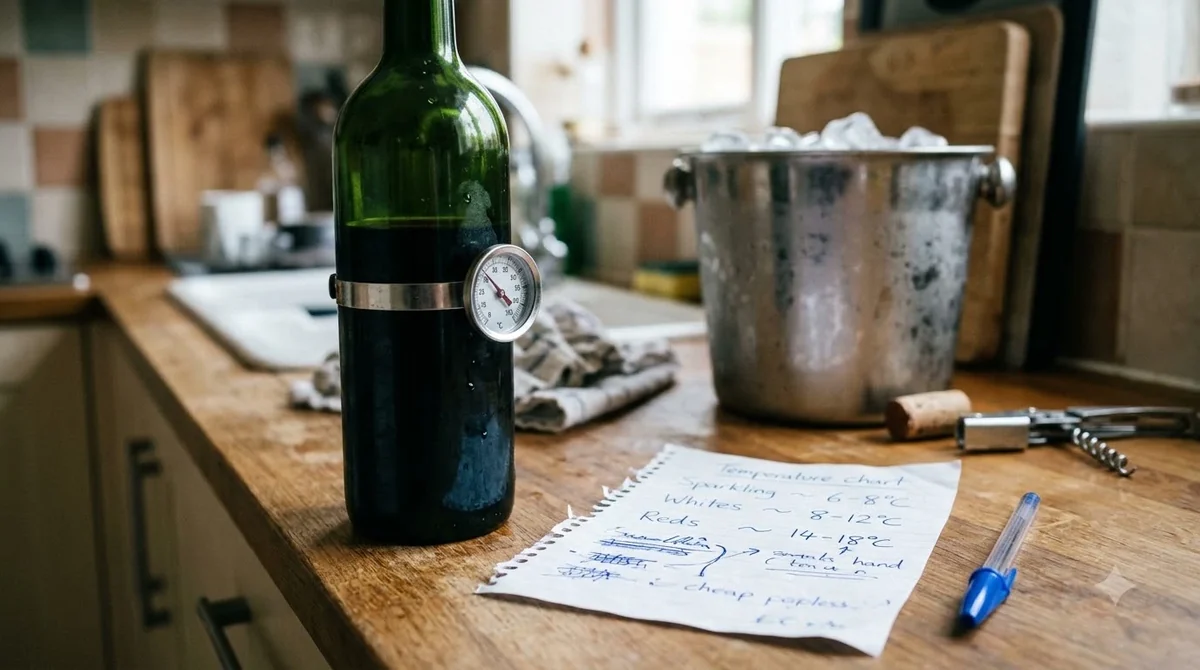
Rosé is especially convenient when the plate contains several accompaniments. It can work with chicken, hummus, salad, pita, and grilled vegetables without making one ingredient dominate the pairing. Serve it at 45–50°F so its freshness remains noticeable without suppressing its aromas.
Sauvignon Blanc is a strong choice when the chicken is served with lemon, parsley, cucumber, and garlic. Its pronounced acidity and herbal character complement the fresh ingredients and help balance the creamy texture of garlic yogurt. New Zealand Sauvignon Blanc can be particularly expressive, while Loire Valley examples often offer a more restrained citrus and mineral profile.
For a softer alternative, consider Pinot Grigio. Italian Pinot Grigio is generally light-bodied and refreshing, making it useful when the chicken is mildly seasoned rather than heavily charred. It also works well with a simple wrap containing lettuce, tomato, cucumber, and yogurt sauce.
Another interesting option is Albariño. This Spanish white grape offers citrus freshness and aromatic fruit that work particularly well with lemon, garlic, and fresh herbs. It has enough personality to complement seasoned chicken without introducing the heavy tannins associated with many red wines.
For diners who prefer red wine, try a lightly chilled Beaujolais made from Gamay. Its juicy red-fruit flavors and relatively low tannin are more accommodating than a heavily structured red. Serve it at 55–60°F, particularly if the wrap contains tangy yogurt sauce and pickles.
Best Red Wines for Lamb and Beef Shawarma
Lamb and beef shawarma generally suit fruit-forward reds with moderate tannins and refreshing acidity. Grenache, Pinot Noir, and selected Syrah wines are particularly useful because their fruit and savory characteristics complement roasted meat and warm spices.
Grenache is a particularly reliable choice for lamb shawarma. It commonly offers ripe strawberry, raspberry, cherry, and subtle peppery or herbal notes. These characteristics complement cumin, coriander, paprika, and the browned edges of spit-roasted meat.
A Grenache-based Côtes du Rhône red is a practical option, especially when the shawarma includes lamb, tomatoes, onions, and a moderate amount of garlic sauce. Its medium-bodied structure provides enough flavor for the meat without overwhelming the more delicate toppings.
Grenache also works with beef shawarma when the meat is seasoned with paprika, cumin, and black pepper. Choose a juicy, fruit-forward example rather than an extremely alcoholic or heavily extracted version. If chili sauce is prominent, a softer and lower-alcohol red is preferable.
Pinot Noir is another excellent option, particularly when the meat is not excessively fatty or spicy. Its relatively low-to-medium tannin and high acidity make it more flexible alongside pickles, herbs, and yogurt-based sauces. Look for fruit-driven examples from Oregon, California, or Burgundy.
Pinot Noir is especially appealing with a shawarma plate rather than a heavily sauced sandwich. Its red-cherry and earthy characteristics can complement roasted meat, grilled onions, parsley, and smoky vegetables without overwhelming the accompaniments.
Syrah provides a more savory alternative. Its black-fruit flavors, peppery character, and medium-plus to high tannin can complement strongly browned lamb or beef. Northern Rhône Syrah is an interesting choice when the meat has a noticeable grilled character and the sauce is relatively restrained.
However, not every Syrah is suitable. A high-alcohol, heavily extracted example may amplify chili heat and make garlic or pickled vegetables seem more aggressive. Choose a balanced bottle with fresh acidity and moderate alcohol, particularly if the shawarma is served with several acidic toppings.
Tempranillo is another possibility for beef shawarma. A young Rioja with ripe cherry fruit and moderate structure can complement savory meat, paprika, and grilled onions. Avoid overly oaky examples if the dish contains plenty of sharp pickles or creamy garlic sauce.
For additional ideas on matching fuller-bodied reds with richly flavored meat, see our article on what wine goes with beef brisket. The same balance between fruit, tannin, and meat intensity is useful for both dishes.
White Wine and Rosé for Garlic Sauce, Tahini, and Pickles
White wine and rosé are often the most flexible options when shawarma comes with generous garlic sauce, tahini, lemon, or pickled vegetables. Sauvignon Blanc, Albariño, Riesling, and dry rosé provide acidity and aromatic freshness that complement these toppings.
Garlic sauce can be one of the most challenging elements in the wrap. Its pungent flavor may overpower a delicate wine, while its creamy texture makes a very lean white seem less satisfying. Sauvignon Blanc offers a useful middle ground because its herbal aromas and high acidity can stand alongside raw garlic and fresh herbs.
Tahini creates a different pairing opportunity. Made from sesame paste, it has a nutty, creamy character that works with aromatic whites rather than requiring a powerful red. A fuller-style Riesling, Viognier, or Fiano can complement its texture and flavor.
Riesling is particularly versatile because it comes in several sweetness levels. A dry Riesling works well with chicken shawarma featuring lemon, cucumber, and herbs. An off-dry example is more suitable when the wrap includes noticeable chili heat, since a small amount of residual sugar can soften the perception of spice.
Choose a German Riesling Kabinett with modest alcohol and a little sweetness for a spicy chicken wrap. Its bright acidity keeps the pairing refreshing, while the fruit and sweetness provide a contrast to hot sauce. Avoid assuming that every Riesling is sweet; many examples are completely dry.
Albariño is particularly useful for shawarma served with pickled vegetables and lemon. Its citrus character and refreshing acidity help it remain lively beside acidic garnishes. It is also a good option for a mixed platter containing chicken, salad, hummus, and pita.
Dry rosé deserves another mention because it combines some of the flexibility of white wine with the fruit character of red wine. Grenache rosé and Provence-style blends are useful choices for mixed shawarma platters, especially when guests are sharing several toppings and sauces.
The key is to avoid choosing a wine that is too delicate. Raw garlic, onion, cumin, and smoky meat can overwhelm subtle wines. An aromatic, fresh white or fruit-forward rosé is more likely to retain its character throughout the meal.
For further ideas on matching Mediterranean ingredients with wine, Wine Folly’s guide to wine and Middle Eastern food pairings discusses combinations involving garlic, tahini, cumin, hummus, and spicy sauces.
For a broader explanation of how acidity, sweetness, tannin, and food intensity influence pairings, see our Wine Pairing guide.
Wine Pairings for Spicy, Smoky, and Vegetarian Shawarma
Chili-heavy shawarma needs wines with restrained alcohol and softer tannins, while smoky meat benefits from fruit-forward reds and fresh rosé. Vegetarian shawarma made with mushrooms, cauliflower, or eggplant usually works best with aromatic whites, sparkling wine, or lighter reds.
For spicy chicken or beef shawarma, an off-dry Riesling is one of the most dependable choices. Its modest sweetness can balance chili heat without making the entire meal taste sugary. A Gewürztraminer is another possibility, particularly when the seasoning contains fragrant coriander, cinnamon, and other aromatic spices.
Grüner Veltliner is worth considering for moderately spicy vegetarian shawarma. It combines refreshing acidity with citrus and herbal characteristics that complement parsley, cucumber, onion, and garlic. Its freshness also makes it a suitable companion for hummus and tahini.
When the shawarma has strong grill marks or smoky roasted edges, choose a wine with enough fruit to match that intensity. Grenache, Pinot Noir, and moderate-bodied Syrah can all work with charred meat. A dry rosé is a flexible alternative when the plate also includes lemony salad and yogurt sauce.
Vegetarian shawarma deserves attention because its texture and flavor can differ considerably from meat-based versions. Grilled eggplant has a soft, smoky character, while cauliflower develops browned, nutty notes when roasted. Mushrooms contribute savory depth that can make very tannic wines seem more bitter.
For grilled eggplant shawarma with tahini and garlic, try Sauvignon Blanc, Assyrtiko, or a fresh dry rosé. If the dish has pronounced smoky flavors, a fruit-forward Pinot Noir can also work. The most important consideration is whether the sauce is creamy, acidic, or spicy.
A sparkling wine is another good choice for vegetarian platters and fried shawarma accompaniments. Cava, Crémant, and Champagne offer acidity and bubbles that refresh the palate after oily or salty foods. Brut styles are particularly useful when the meal is savory rather than sweet.
The WSET’s advice on pairing wine with takeaway meals also highlights the importance of matching acidity, tannin, and flavor intensity to richly seasoned and fatty foods.
For a vegetable-based variation with tomato sauce, melted cheese, or roasted eggplant, explore our recommendations for what wine goes with eggplant parmesan. The same attention to acidity, roasted flavors, and richness can help when choosing wine for vegetable shawarma.
Serving Temperatures, Portions, and Practical Pairing Choices
Serving temperature can make a noticeable difference to the pairing. Dry rosé and light whites should be served chilled, while red wines benefit from slightly cooler temperatures than many room-temperature dining areas provide.
The following temperatures provide a practical starting point for the most useful shawarma wines.
| Wine style | Recommended temperature | Best shawarma pairing |
|---|---|---|
| Dry sparkling wine | 40–50°F | Salty beef wraps and fried sides |
| Sauvignon Blanc | 45–50°F | Chicken with garlic and lemon |
| Pinot Grigio | 45–50°F | Light chicken shawarma |
| Albariño | 45–50°F | Chicken with pickles and herbs |
| Dry rosé | 45–50°F | Mixed shawarma platters |
| Off-dry Riesling | 43–50°F | Shawarma with chili sauce |
| Pinot Noir | 55–60°F | Lamb and beef shawarma |
| Grenache | 55–60°F | Spiced lamb and beef |
| Syrah | 60–65°F | Smoky, strongly seasoned lamb |
These temperatures are serving guidelines rather than rigid requirements. A white wine served too cold may lose much of its aroma, while a warm red can seem more alcoholic and heavy. If a bottle has been refrigerated for several hours, allow it to warm slightly when necessary.
Portion size also matters when planning the meal. A standard wine pour is approximately 5 ounces, and a 750-milliliter bottle provides about five standard glasses. For four people sharing a shawarma dinner, one bottle is generally sufficient for a moderate serving, while two bottles provide more flexibility for guests who prefer different styles.
For a mixed platter, dry rosé is usually the simplest single-bottle solution. It can accompany chicken, lamb, hummus, pita, salad, and grilled vegetables without requiring separate wines for each component. If the platter includes substantial chili heat, consider an off-dry Riesling instead.
If serving a red wine, chilling it briefly before dinner can improve its freshness. Pinot Noir and Grenache are particularly enjoyable slightly cool. More structured Syrah can be served closer to 60–65°F when the meat is rich and the seasoning is not especially hot.
Keep the serving arrangement simple. Pour wine into standard glasses, provide water alongside the meal, and allow guests to adjust their preferred amount of garlic sauce and chili. These small choices can make the same bottle work for a wider range of shawarma styles.
Common Wine Pairing Mistakes to Avoid
The most common mistake is choosing wine solely according to whether the shawarma contains chicken, lamb, or beef. The sauce, chili level, acidity, and cooking style can change the pairing more than the protein itself.
Choosing a very tannic red for spicy shawarma: Cabernet Sauvignon and heavily structured Syrah can make chili heat feel more intense. Their tannins may also seem rough beside acidic pickles and raw onion. Choose Grenache or Pinot Noir when the wrap has several sharp toppings, or an aromatic white when chili is prominent.
Serving a very alcoholic wine with chili: Alcohol can amplify the sensation of heat. A powerful red with high alcohol may therefore become tiring beside harissa or hot pepper sauce. A cooler, lower-alcohol Riesling or dry rosé is usually more comfortable.
Ignoring the acidity of pickles: Pickled turnips, cucumbers, and onions can make a low-acid wine taste flat. Select Sauvignon Blanc, Riesling, Albariño, or another wine with enough freshness to match the sharp garnishes.
Choosing a delicate wine for strongly seasoned meat: A subtle white may disappear beside smoky lamb loaded with cumin and paprika. Use an aromatic white, a flavorful rosé, or a fruit-forward red with enough intensity to remain noticeable.
Assuming every red works with lamb: Lamb can support tannin, but shawarma is not identical to a simply roasted lamb chop. Lemon, yogurt, garlic, and pickles introduce additional elements that favor freshness and moderate structure. A softer red is often a better choice than a heavily oaked, tannic bottle.
Overlooking the vegetarian sides: Hummus, baba ganoush, and tabbouleh may occupy much of the plate. These ingredients introduce sesame, garlic, herbs, lemon, and roasted vegetables. A fresh white or sparkling wine may therefore be more useful than a powerful red, even when the main filling is beef.
Finally, remember that food and wine preferences are personal. If a particular combination tastes balanced to you, there is no need to follow a traditional pairing rule simply because the meal contains a specific protein.
Frequently Asked Questions
Can you drink red wine with chicken shawarma?
Yes. A lightly chilled Gamay or Pinot Noir is a good alternative to white wine with chicken shawarma. Beaujolais made from Gamay is particularly useful because it offers juicy fruit and relatively low tannin. It is especially suitable when the chicken has roasted edges and the toppings are not excessively spicy.
Is Lebanese wine good with shawarma?
Yes. Lebanon produces red, white, and rosé wines that can complement Middle Eastern food. Cinsault-based reds and blends featuring Syrah or Cabernet Sauvignon can work with lamb and beef, while fresh white wines are useful with chicken, garlic, and lemon. The best choice depends on the wine’s acidity, alcohol, and tannin rather than its country of origin alone.
Does Chardonnay work with shawarma?
Chardonnay can work particularly well with chicken shawarma served with creamy garlic or yogurt sauce. Choose an unoaked or lightly oaked style with refreshing acidity rather than a heavily buttery example. A fuller Chardonnay can also complement a rich chicken platter containing hummus and roasted vegetables.
What wine should you serve with shawarma rice bowls?
For a chicken shawarma rice bowl, dry rosé, Sauvignon Blanc, and Albariño are useful choices. Rice seasoned with saffron, cinnamon, or other warm spices can also work with aromatic Riesling. A lamb or beef rice bowl is better suited to Grenache or a fruit-forward Tempranillo.
Can sparkling rosé pair with lamb shawarma?
Yes. Sparkling rosé combines refreshing acidity with red-fruit flavors that complement lamb and roasted spices. A traditional-method sparkling rosé also develops bread-like and toasted notes that can work with browned meat. Choose a dry version when the shawarma includes savory garlic sauce and pickled vegetables.
For most shawarma meals, dry rosé, Grenache, and Sauvignon Blanc provide the best starting points. Choose the rosé for versatile mixed platters, the Grenache for spiced lamb or beef, and the Sauvignon Blanc for chicken with garlic, lemon, and fresh herbs. Once you account for the sauce and chili level, finding a bottle that complements shawarma becomes much easier.
More in Food & Wine Pairing
 Risotto With White Wine Recipe: Make a Creamy Dinner at HomeUpdated Nov 20, 2026
 Wassail With Wine Recipe for a Festive Spiced Holiday DrinkUpdated Nov 20, 2026
 Spritz Veneziano Recipe: Make a Classic Venetian Aperitivo at HomeUpdated Nov 20, 2026
 Summer Wine Punch Recipe for Easy Homemade EntertainingUpdated Nov 20, 2026
 Bishop Recipe: How to Make a Bright, Citrus-Forward Red Wine CocktailUpdated Nov 20, 2026
 Wine Cupcakes Recipe: Bake Rich Chocolate Cupcakes at HomeUpdated Nov 20, 2026