


We may earn a commission when you buy through links on this page, at no extra cost to you. Learn more.
What wine goes with schnitzel? Grüner Veltliner is the best wine to pair with schnitzel because its bright acidity, fresh fruit, and subtle peppery character balance the rich, crispy breadcrumb coating. Dry Riesling is another excellent choice, particularly when schnitzel is served with lemon. For a red wine alternative, choose a light-bodied Pinot Noir with moderate tannins and refreshing acidity. The best bottle depends on whether you’re serving traditional veal, pork, chicken, or schnitzel with a creamy sauce.
Schnitzel is a satisfying combination of tender meat, golden breadcrumbs, and a crisp fried exterior. That delicious coating is also the main consideration when choosing wine. A good pairing should refresh the palate between bites, complement the meat without overpowering it, and work with the lemon, potatoes, salad, or sauce served alongside the cutlet. Austrian wine traditions provide an especially useful starting point, with several dry white varieties offering excellent matches for this classic dish.
Why Grüner Veltliner Is the Best Wine for Schnitzel
Grüner Veltliner is the classic Austrian choice for schnitzel because its high acidity and savory character balance the richness of fried breadcrumbs. Its citrus, green fruit, and white pepper notes also complement the delicate flavor of veal and pork without overwhelming either meat.
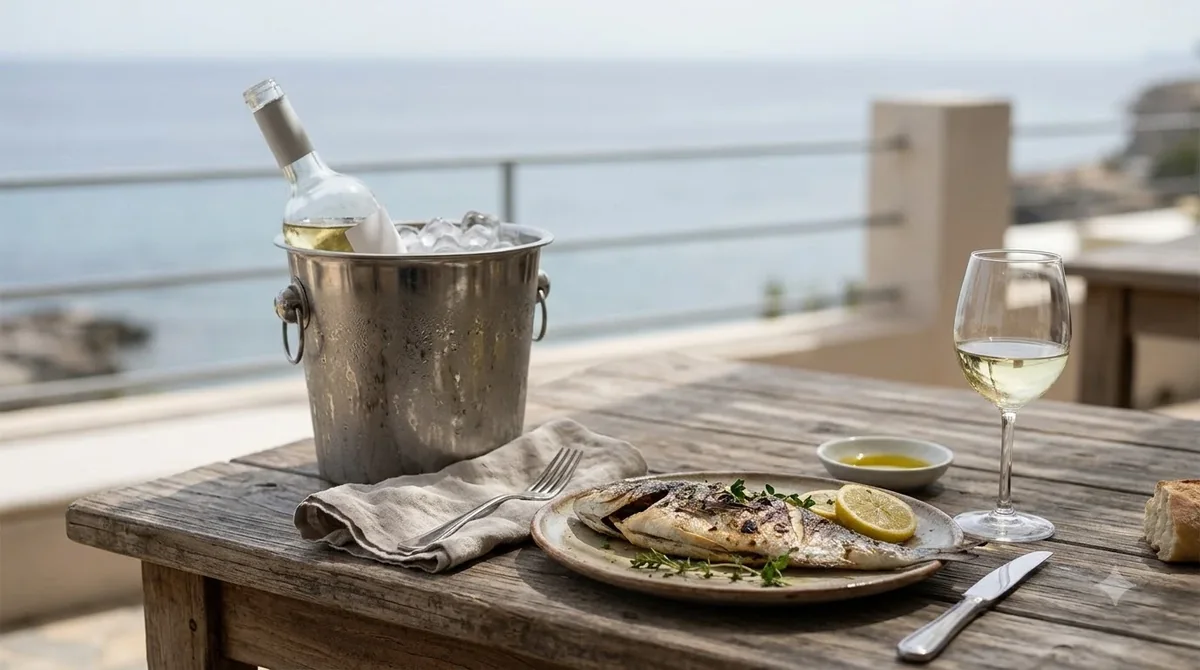
Grüner Veltliner comes from Austria, where it is the country’s most widely planted grape variety. The Austrian wine authority specifically recommends fresh and fuller-bodied examples with traditional breaded dishes. Its official Austrian food and wine pairing recommendations identify Grüner Veltliner as an especially appropriate companion for fried dishes. This recommendation makes sense because the wine has enough flavor to stand alongside the golden crust while retaining the freshness needed to refresh the palate.
Look for aromas of green apple, lemon, lime, grapefruit, and white pepper. These characteristics are particularly useful with schnitzel because the citrus notes complement the traditional lemon garnish, while the peppery character adds interest to mild meat. The acidity also helps balance the oil and butter used during frying.
Not every Grüner Veltliner tastes identical. A lighter, younger example from Weinviertel can be crisp and straightforward, while a fuller-bodied wine from Wachau, Kamptal, or Kremstal can bring greater concentration and texture. Either style can work, but the richer the breading and accompanying sides, the more useful additional body becomes.
For traditional Wiener Schnitzel, choose a dry, medium-bodied Grüner Veltliner with pronounced freshness. If the cutlet is particularly rich or accompanied by creamy potato salad, a fuller style provides enough structure to match the meal. Avoid choosing a heavily oaked white that competes with the clean flavor of the meat.
Grüner Veltliner also offers a regional connection that makes the pairing especially appropriate. Wiener Schnitzel and Austrian white wine share a long culinary association, so serving them together creates a natural combination rather than an unusual experimental match.
Best Alternative White Wines for Schnitzel
Dry Riesling is the strongest alternative to Grüner Veltliner, but Sauvignon Blanc, Pinot Blanc, and Pinot Grigio can also work well. The most important characteristics are freshness, sufficient acidity, and a body that complements the fried coating.
Dry Riesling: Riesling has high acidity and bright citrus flavors that work particularly well with lemon-seasoned schnitzel. Its apple, lime, and mineral notes complement the delicate meat, while its freshness balances the richness of the breadcrumbs. Choose a dry German Riesling, an Alsace Riesling, or a dry example from New Zealand. If the dish includes a slightly sweet mustard dressing or sweetened salad, a hint of residual sugar can also be useful.
Sauvignon Blanc: Sauvignon Blanc is another refreshing option, especially with chicken or pork schnitzel served with green salad. Its high acidity and flavors of citrus, herbs, and green fruit complement parsley, cucumber, and lemon. A crisp Loire Valley Sauvignon Blanc or a fresh Marlborough example makes a particularly suitable choice. Avoid excessively aromatic or tropical styles if the schnitzel has a delicate flavor.
Pinot Blanc: Pinot Blanc, also called Weissburgunder in German-speaking wine regions, is a particularly appropriate Austrian alternative. It generally has a softer aromatic profile than Sauvignon Blanc, with apple, pear, and subtle floral notes. Its moderate acidity and gentle texture suit traditional veal schnitzel, especially when served with potatoes or a lightly dressed salad.
Pinot Grigio: Italian Pinot Grigio is a convenient option when you want a clean, uncomplicated wine. Its lighter body and refreshing character suit chicken, turkey, and thinner pork cutlets. Choose a dry version rather than a sweeter, heavily flavored white wine. It is especially appealing for a simple weeknight schnitzel with lemon and green vegetables.
Chardonnay: Chardonnay can work, but its style matters. An unoaked or lightly oaked example with medium acidity is preferable to a heavily buttery, full-bodied bottle. A restrained Chablis-style Chardonnay is particularly useful with veal or chicken schnitzel because its acidity and mineral character complement the crisp coating without making the meal feel excessively rich.
These wines are not interchangeable in every situation. Riesling is especially useful with lemon, Sauvignon Blanc suits herbaceous sides, and Pinot Blanc offers a gentler companion for traditional Austrian flavors. Choosing according to the complete plate produces a more harmonious result than selecting a wine based on the meat alone.
Choose Wine According to the Type of Schnitzel
Veal, pork, chicken, and turkey schnitzel have slightly different flavors, so the best wine should reflect the meat as well as the preparation. Grüner Veltliner remains a reliable starting point, but lighter or more structured alternatives can improve particular combinations.
Veal schnitzel: Traditional Wiener Schnitzel is made with veal, which has a delicate flavor and tender texture. Dry Grüner Veltliner is the classic match, while dry Riesling and Pinot Blanc are excellent alternatives. Avoid powerful reds because their tannins can dominate the meat and compete with the crisp breadcrumbs. A medium-bodied Austrian white provides enough character without taking attention away from the veal.
Pork schnitzel: Pork has a slightly fuller flavor than veal and can accommodate a broader selection of wines. Grüner Veltliner remains a natural choice, particularly when the cutlet is served with lemon or mustard. Dry Riesling also works well, while a fresh Pinot Noir provides an appealing red alternative. For more detailed recommendations, see our article on what wine goes with pork schnitzel.
Chicken schnitzel: Chicken is mild and relatively delicate, making crisp whites particularly suitable. Pinot Grigio, Sauvignon Blanc, and Grüner Veltliner all complement the meat without overpowering it. If the coating is especially buttery, choose a wine with enough acidity to balance the fried texture. A light rosé can also work with chicken schnitzel served alongside summer vegetables.
Turkey schnitzel: Turkey has a lean, mild character that benefits from fresh, fruit-forward wines. Dry Riesling, Pinot Blanc, and Sauvignon Blanc are dependable options. A light Pinot Noir can work too, provided it has restrained tannins and moderate alcohol. Avoid heavy, concentrated reds that make the meal seem less balanced.
Vegetarian schnitzel: Breaded cauliflower, celeriac, and mushroom cutlets can also benefit from the same pairing principles. Grüner Veltliner is especially versatile because its acidity and herbal character complement vegetables and fried coatings. Pinot Blanc is another good option for milder preparations, while Riesling works with dishes served with lemon-based dressings.
The cutlet’s thickness and frying method also matter. A thin chicken cutlet with a light crust calls for a lighter wine, while a thicker pork cutlet with a substantial breadcrumb coating can support a more structured white. Match the intensity of the preparation rather than assuming every schnitzel requires exactly the same bottle.
Best Red Wines to Serve With Schnitzel
Red wine can accompany schnitzel, although it requires more careful selection than white wine. Pinot Noir is the safest choice because its relatively low-to-medium tannins, bright acidity, and red-fruit flavors complement the meat without overwhelming the breading.
Pinot Noir: Pinot Noir is particularly good with pork schnitzel and chicken schnitzel served with mushroom or herb accompaniments. Its cherry, raspberry, and earthy notes add complexity while its lighter structure keeps the pairing balanced. Look for a fresh Oregon Pinot Noir, a lighter Burgundy, or an Austrian example. Serve it slightly chilled at approximately 55–60°F to emphasize its freshness.
Zweigelt: Zweigelt is an Austrian red grape that can offer another regional pairing. Its approachable fruit character and relatively accessible structure make it more suitable than powerful, heavily tannic reds. Austrian wine recommendations specifically identify light, fruity Zweigelt as a possible companion to Wiener Schnitzel. Choose a fresh style rather than a concentrated, heavily extracted example.
Gamay: Gamay, particularly from Beaujolais, offers juicy red fruit and a lighter structure that can suit pork and chicken schnitzel. Its freshness works with the fried coating, and its modest tannin level avoids the harsh sensation that can develop when powerful reds meet salty, crisp food. A lightly chilled bottle is particularly appealing with a simple cutlet and green salad.
Schiava: Schiava from Alto Adige is another light-bodied red worth considering. It often has delicate cherry and berry flavors with relatively low tannins. These characteristics make it a suitable choice for mild pork schnitzel and simple potato sides. Serve it slightly chilled rather than at a warm room temperature.
Some red wines are less successful. Cabernet Sauvignon generally has high tannins and a powerful structure that can overpower delicate veal. Syrah also tends to have medium-plus to high tannins, making it a difficult match for a simple breaded cutlet. Heavy reds become even less attractive when the schnitzel is served with lemon or a light salad.
Remember that fried food can soften the perception of tannin because salt and fat change how the wine feels on the palate. However, that does not mean every high-tannin red will work. The meat, seasoning, and sauce still need to support the wine’s intensity. For most traditional preparations, a fresh red with restrained tannins is the better choice.
Match Wine With Schnitzel Sauces and Side Dishes
The sauce and side dishes can change the best wine choice significantly. Lemon, potato salad, cucumber salad, mushroom gravy, and creamy sauces each introduce different flavors, so consider the entire plate rather than focusing exclusively on the cutlet.
Lemon: A squeeze of lemon is one of the most important details in traditional schnitzel service. Its sharp acidity makes dry Riesling and Grüner Veltliner particularly attractive. Sauvignon Blanc is another suitable choice because its citrus character reinforces the lemon garnish. A wine with insufficient acidity can taste flat beside a strongly lemon-seasoned cutlet.
Potato salad: Austrian potato salad is a natural accompaniment to Wiener Schnitzel. Depending on the recipe, it may contain vinegar, mustard, onion, broth, or oil. Grüner Veltliner works particularly well because its freshness complements the potatoes while its savory notes suit the seasoning. If the dressing is noticeably acidic, choose a wine with equally strong or greater acidity so that it does not taste dull.
Cucumber salad: Fresh cucumber salad often includes vinegar, herbs, and sometimes sour cream. A crisp Sauvignon Blanc or dry Riesling is an excellent choice for a vinegar-based dressing. A creamy version can support Pinot Blanc or a medium-bodied Grüner Veltliner. Avoid wines that are overly oaky or excessively alcoholic because they can distract from the refreshing character of the salad.
Mushroom gravy: Creamy mushroom sauce changes the pairing because it adds earthiness, richness, and a more substantial texture. Pinot Noir becomes more appealing here, especially when the sauce contains sautéed mushrooms and herbs. An unoaked or lightly oaked Chardonnay can also work. For more ideas involving rich meat preparations, explore what wine goes with beef brisket.
Mustard sauce: Mustard introduces sharpness and sometimes sweetness. Dry Riesling is a useful choice because its acidity and fruit can balance the sauce. Grüner Veltliner is equally suitable when the mustard is savory rather than sweet. If the sauce contains honey or another sweet ingredient, a slightly off-dry Riesling may provide better balance than a completely austere wine.
Cheese-based sides: If the plate includes a creamy cheese sauce or a separate cheese accompaniment, a fuller white may provide enough texture to match the richness. Pinot Blanc and restrained Chardonnay are useful options. Strong blue cheese is a different challenge because its saltiness and intensity can overwhelm delicate schnitzel wines. Our guide to what wine goes with blue cheese explains why sweetness and intensity matter for that combination.
These examples show why a single pairing rule cannot cover every schnitzel recipe. A plain veal cutlet with lemon needs freshness, while pork schnitzel with mushroom gravy can accommodate a light red or fuller white. The most successful wine complements the strongest element on the plate without losing its own character.
Wine Serving Temperatures and Portions for Schnitzel
Serving temperature affects how fresh, aromatic, and balanced a wine feels alongside fried food. White wines should generally be chilled, while lighter reds benefit from a little cooling rather than being served warm.
Use these practical temperature ranges when preparing a schnitzel dinner:
| Wine style | Serving temperature | Best schnitzel match |
|---|---|---|
| Grüner Veltliner | 45–50°F | Traditional veal and pork |
| Dry Riesling | 45–50°F | Lemon-seasoned schnitzel |
| Sauvignon Blanc | 45–50°F | Chicken and green salads |
| Pinot Blanc | 45–50°F | Veal and potato salad |
| Chardonnay | 50–55°F | Creamy mushroom accompaniments |
| Pinot Noir | 55–60°F | Pork and mushroom gravy |
| Gamay | 55–60°F | Chicken and pork |
| Sparkling wine | 40–50°F | Crispy fried schnitzel |
A 45–50°F serving temperature is a practical target for most crisp white wines served with schnitzel. Colder temperatures can initially mute delicate aromas, while warmer temperatures can make alcohol more noticeable and reduce the refreshing effect of acidity. Fuller-bodied Chardonnay benefits from slightly warmer service so that its texture and aromas remain expressive.
For red wine, 55–60°F works particularly well with Pinot Noir, Gamay, and Schiava. A short period in the refrigerator can bring a bottle down to this range. Avoid serving light reds at excessively warm room temperature, especially alongside a hot fried meal.
For portions, a standard wine pour is approximately 5 ounces. A 750 ml bottle therefore provides about five standard glasses, making it sufficient for a small dinner gathering. If you’re serving several courses, plan the wine quantities around the number of guests and whether the same bottle will accompany the entire meal.
Opened still wine can generally be refrigerated for approximately 3–5 days when properly recorked. Keep unfinished white wine chilled and allow it to warm slightly in the glass if necessary. Red wine can also be stored in the refrigerator after opening, then brought back toward its recommended serving temperature before dinner.
Tip: Put your white wine in the refrigerator before preparing the schnitzel. Take it out shortly before serving, then pour the first glasses while the cutlets are hot and crisp. This keeps the wine refreshing without making the meal feel rushed.
How to Choose the Right Bottle for Your Schnitzel Dinner
Choosing a wine becomes easier when you start with the preparation method, the richness of the coating, and the strongest accompanying flavor. A few simple decisions can narrow the options to a reliable bottle without requiring detailed knowledge of Austrian wine classifications.
First, decide whether you want a traditional Austrian pairing or a more familiar international option. Grüner Veltliner offers the strongest connection to Wiener Schnitzel, while dry Riesling provides a widely available alternative. Pinot Grigio is useful for casual dinners, and Sauvignon Blanc works especially well when the plate includes fresh herbs and green vegetables.
Second, consider how the cutlet is prepared. A lightly fried veal schnitzel requires less wine intensity than a thick pork cutlet with a rich breadcrumb coating. Choose a fresh, medium-bodied white for the traditional preparation and a more substantial white when the dish includes extra butter, oil, or creamy sides.
Third, account for the acidity of the food. Lemon, vinegar, pickled vegetables, and mustard can make a low-acid wine seem flat. A crisp Grüner Veltliner or dry Riesling is usually a dependable choice for these ingredients. This principle applies to many dishes beyond schnitzel and forms the foundation of a broader Wine Pairing approach.
Fourth, consider sweetness. Traditional schnitzel is savory rather than sweet, so dry wine is generally the best starting point. A little residual sugar can be useful if the meal includes sweet mustard or a sweet-and-sour dressing, but a distinctly sweet wine may make a simple cutlet taste unbalanced. The wine should complement the meal rather than introduce a competing dessert-like flavor.
Finally, think about alcohol and tannin. A high-alcohol, heavily tannic red is usually less refreshing alongside a fried cutlet, especially if the dish has chili seasoning. Alcohol and tannin can amplify the sensation of chili heat, making an already spicy preparation more difficult to pair. If the schnitzel has paprika or hot pepper, favor a fresh white with moderate alcohol and, if appropriate, a little fruit sweetness.
Sparkling wine is another practical option for particularly crispy preparations. Its bubbles and acidity offer a refreshing contrast to the breadcrumb coating. A dry traditional-method sparkling wine or a crisp Brut-style bottle can work especially well with a simple schnitzel and lemon. Prosecco is another possibility when you want a fruitier, approachable style, although its sweetness level should suit the seasoning.
The best way to make a final decision is to keep the food’s character in mind. A traditional Austrian plate with veal, lemon, and potato salad points toward Grüner Veltliner. A pork cutlet with mushroom sauce invites Pinot Noir or Chardonnay. Chicken with cucumber salad suggests Sauvignon Blanc or Riesling. Each pairing follows the same principle: balance the richness of the food with freshness, suitable body, and compatible flavors.
Frequently Asked Questions
Is Wiener Schnitzel always made with veal?
Traditional Wiener Schnitzel is made with veal, which distinguishes it from many other breaded cutlet preparations. Pork versions are commonly described as Schnitzel Wiener Art. The distinction is useful when ordering in Austrian restaurants because the traditional name identifies a specific meat preparation.
Is Grüner Veltliner made from a red or white grape?
Grüner Veltliner is a white grape variety. It is especially associated with Austria and can produce dry wines ranging from light and refreshing to rich and concentrated. It is also used in Austrian sparkling Sekt production.
Can sparkling wine replace still wine with schnitzel?
Yes. Sparkling wine is a particularly useful alternative when the breadcrumbs are very crisp and the cutlet is freshly fried. Traditional-method sparkling wines undergo a second fermentation in the bottle, which contributes to their characteristic bubbles. A dry Brut style is generally a good starting point for savory schnitzel.
Which Austrian wine regions should beginners look for?
Weinviertel, Kamptal, Kremstal, and Wachau are useful starting points for exploring Austrian Grüner Veltliner. Wachau wines may carry the regional designations Steinfeder, Federspiel, or Smaragd. These categories communicate different styles and alcohol-strength ranges within the regional system.
Can you serve the same wine with schnitzel and dessert?
It depends on the dessert. A dry Grüner Veltliner or Riesling generally works better with savory food than with a sweet finish. For apple strudel or another sweet dessert, choose a wine at least as sweet as the dessert so that the wine does not taste sour or thin by comparison.
For most schnitzel dinners, Grüner Veltliner is the easiest and most authentic choice, with dry Riesling close behind. Pinot Noir offers a welcome red alternative for pork and mushroom preparations, while Sauvignon Blanc and Pinot Blanc suit lighter cutlets and fresh sides. Match the wine to the complete plate, serve it at the right temperature, and the combination of crisp schnitzel and refreshing wine will make a memorable meal.
More in Food & Wine Pairing
 Risotto With White Wine Recipe: Make a Creamy Dinner at HomeUpdated Nov 20, 2026
 Wassail With Wine Recipe for a Festive Spiced Holiday DrinkUpdated Nov 20, 2026
 Spritz Veneziano Recipe: Make a Classic Venetian Aperitivo at HomeUpdated Nov 20, 2026
 Summer Wine Punch Recipe for Easy Homemade EntertainingUpdated Nov 20, 2026
 Bishop Recipe: How to Make a Bright, Citrus-Forward Red Wine CocktailUpdated Nov 20, 2026
 Wine Cupcakes Recipe: Bake Rich Chocolate Cupcakes at HomeUpdated Nov 20, 2026