

We may earn a commission when you buy through links on this page, at no extra cost to you. Learn more.
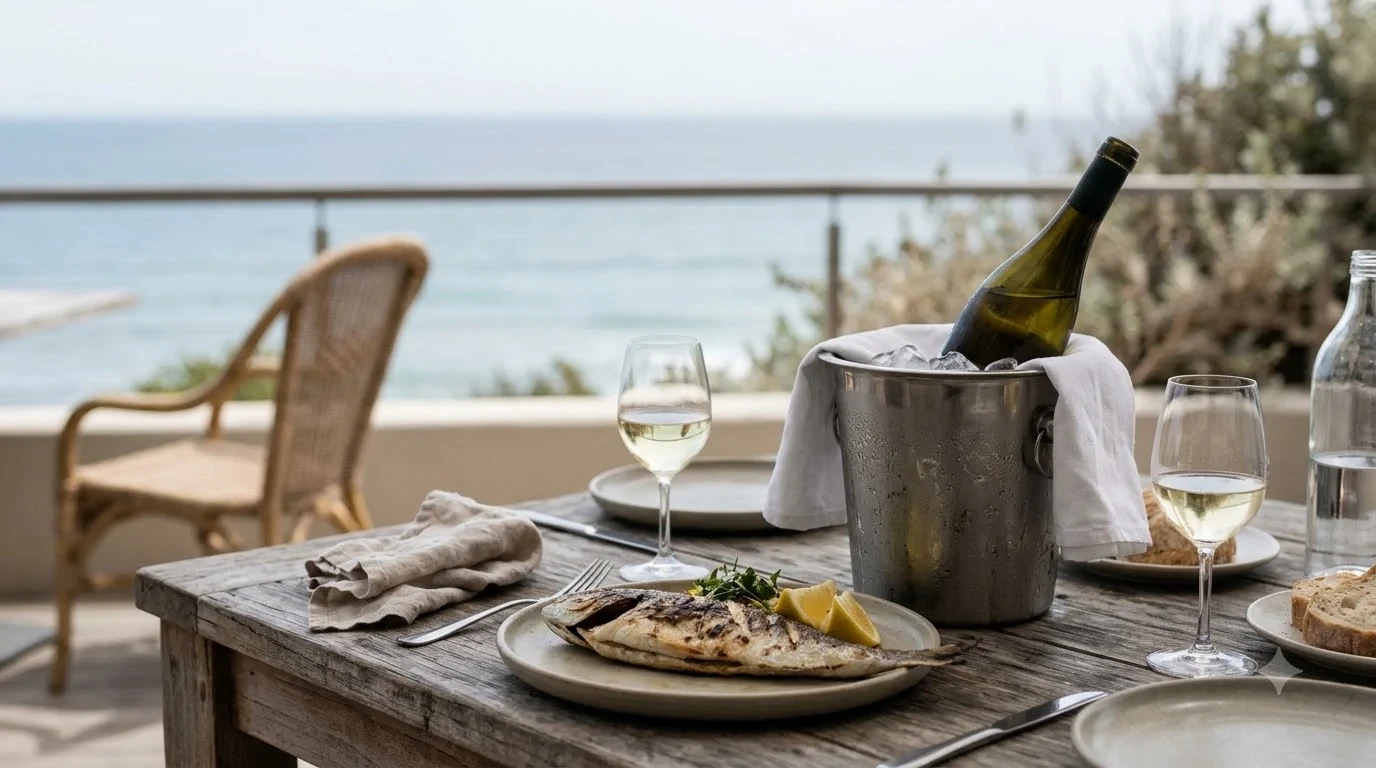
What wine goes with sardines? Crisp, high-acid white wines such as Albariño, Vinho Verde, Muscadet, and Sauvignon Blanc are the best choices for most sardine dishes. Their refreshing acidity balances the fish’s natural oils, while citrus, mineral, and herbal flavors complement its savory, slightly briny character. Dry rosé and sparkling wine are excellent alternatives, and adventurous drinkers can even try Portugal’s traditional red Vinho Verde with grilled sardines.
Sardines are distinctive enough to make ordinary fish-and-wine pairing rules less useful. Their rich flesh, concentrated savory flavor, and natural oiliness call for wines with freshness and enough character to stand alongside the fish. Preparation matters, too. Fresh sardines grilled over a flame have a different profile from canned sardines packed in olive oil, tomato sauce, or spicy marinade. The right bottle depends on how you serve them, but a lively, dry wine is an excellent starting point.
Why Sardines Need Fresh, High-Acid Wine
Sardines pair best with wines that have enough acidity to refresh the palate after each oily, savory bite. Their pronounced flavor also calls for a wine with personality rather than a delicate bottle that disappears beside the fish.
Sardines belong to the oily-fish category, alongside mackerel, herring, and anchovies. Their richness creates a coating sensation on the palate, particularly when they are grilled with olive oil or served directly from a can. High-acid wine provides a refreshing contrast, making the combination feel lighter and more balanced. This is why coastal white wines are such dependable choices.
Salinity is another important consideration. Sardines naturally have a savory, sometimes briny character, especially when preserved or seasoned with sea salt. Wines with citrus, mineral, and subtle saline impressions can complement these flavors without introducing unnecessary weight. Albariño from Spain’s Rías Baixas, for example, is a particularly appealing match because its lively freshness and expressive fruit can stand up to strongly flavored seafood.
Wine Enthusiast recommends coastal whites including Albariño, Muscadet, Vermentino, Santorini Assyrtiko, and Vinho Verde for sardines. These wines differ in aroma and texture, but share the freshness needed for oily fish. The publication also identifies still and sparkling rosé as alternatives, demonstrating that white wine is not the only successful direction. Its sardine pairing recommendations provide several useful starting points for exploring these combinations.
Consider three basic pairing principles:
- Match richness with acidity: Choose crisp whites or sparkling wine to refresh the palate after oily sardines.
- Match flavor intensity: Strongly seasoned or grilled sardines can handle more expressive wines than simply prepared fish.
- Respect the seasoning: Lemon, vinegar, tomato, garlic, and chili can influence the pairing as much as the fish itself.
For a straightforward dinner, a chilled Albariño or dry Vinho Verde is a dependable choice. If the sardines are especially salty or oily, sparkling wine adds another layer of refreshment through its bubbles and acidity. The goal is not to overpower the seafood but to keep each bite tasting lively.
Best White Wines for Sardines
Albariño, Vinho Verde, Muscadet, Sauvignon Blanc, and Vermentino are five particularly reliable white wines for sardines. Each offers a different combination of citrus, herbal character, minerality, and acidity that works with the fish’s natural richness.
Albariño: This Spanish white from Rías Baixas is one of the strongest all-around choices. It commonly offers citrus, stone fruit, fresh acidity, and a mineral character that complements sardines without overwhelming them. Its flavor intensity is particularly useful with grilled fish seasoned with lemon, parsley, or olive oil. Portuguese Alvarinho, the closely related name used for the grape in Portugal, offers another excellent direction.
Vinho Verde: Portugal’s northern wine region is closely associated with fresh, lively whites. Many traditional examples are light-bodied, highly refreshing, and sometimes gently spritzy. Their acidity and modest weight work especially well with grilled sardines, fried seafood, and simple preparations featuring garlic or herbs. Alvarinho and Loureiro are two useful grape varieties to look for when seeking more aromatic and structured examples.
Muscadet: From France’s Loire Valley, Muscadet is generally dry, light-bodied, and refreshing. Its understated citrus and mineral character make it an attractive choice when sardines are served simply with lemon, salt, or fresh herbs. It is particularly useful when you want the fish to remain the main attraction rather than compete with an intensely aromatic wine.
Sauvignon Blanc: Sauvignon Blanc brings pronounced acidity and fresh herbal flavors. Depending on its origin, it can show lime, grapefruit, green apple, grass, and fresh-cut herbs. These characteristics make it especially suitable for sardines served with parsley, dill, lemon, capers, or green sauces. Choose a dry, fresh style rather than an aggressively oaked example.
Vermentino: This Mediterranean white is another natural partner for oily seafood. Italian examples can offer citrus, green herbs, orchard fruit, and a subtle coastal impression. Its aromatic profile complements grilled sardines seasoned with rosemary, oregano, or olive oil. It is also a good choice for Mediterranean sardine salads and seafood appetizers.
The following comparison provides a practical starting point for choosing between these wines.
| Wine | Acidity | Typical flavor profile | Best sardine preparation |
|---|---|---|---|
| Albariño | High | Citrus, peach, mineral notes | Grilled with lemon |
| Vinho Verde | High | Lime, green apple, fresh herbs | Grilled or simply seasoned |
| Muscadet | High | Citrus, mineral, subtle fruit | Fresh or lightly grilled |
| Sauvignon Blanc | High | Grapefruit, lime, herbal notes | Garlic and herb preparations |
| Vermentino | Medium-high to high | Lemon, green herbs, orchard fruit | Mediterranean-style sardines |
| Assyrtiko | High | Lemon, mineral, saline notes | Chargrilled sardines |
Assyrtiko deserves special attention if you enjoy wines with pronounced acidity and mineral character. Santorini examples are particularly interesting with grilled sardines because their fresh citrus character complements the fish’s savory flavor. For additional guidance on choosing bottles for seafood, the Wine Pairing fundamentals offer a useful starting point.
For most meals, start with Albariño or Vinho Verde. Choose Muscadet when you prefer a more restrained wine, Sauvignon Blanc when herbs dominate the recipe, and Vermentino when the dish has a distinctly Mediterranean character.
Wine Pairings for Grilled, Fried, and Fresh Sardines
The cooking method changes the intensity, texture, and richness of sardines, so the best wine should complement the preparation rather than simply the fish. Grilled sardines favor mineral-driven whites, fried sardines benefit from sparkling wine, and simply cooked fresh sardines work with light, refreshing whites.
Grilled Sardines
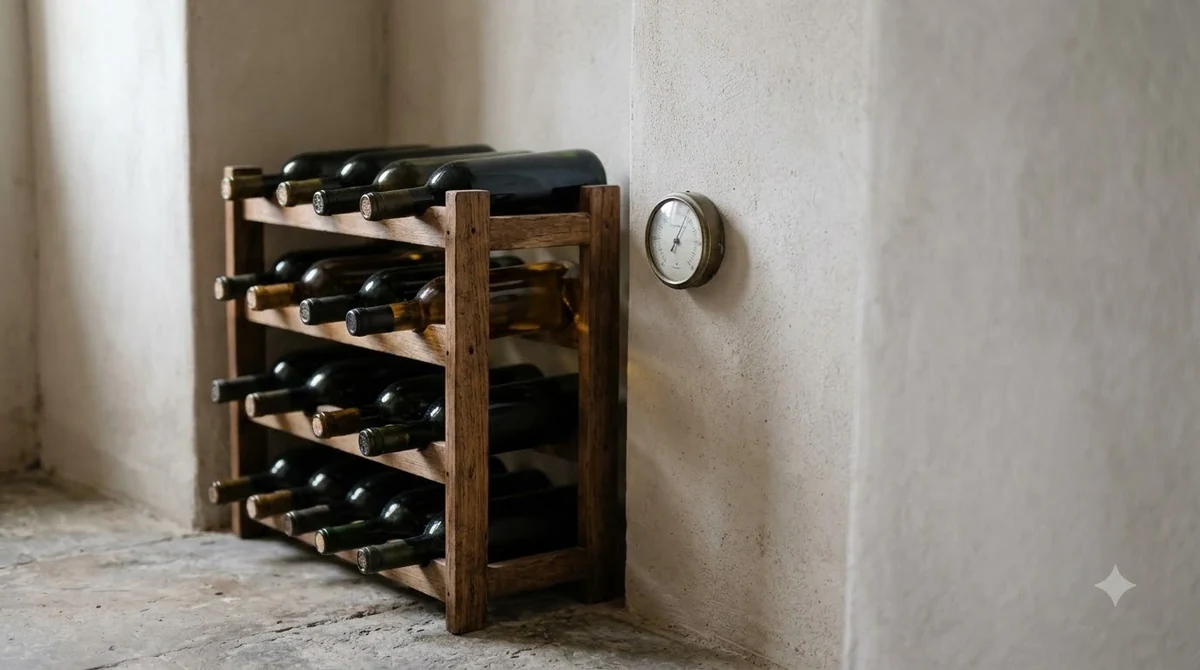
Grilling gives sardines smoky edges and a more concentrated savory character. The natural oils remain prominent, while the heat introduces charred flavors that need a wine with sufficient acidity and aromatic presence.
Albariño, Vinho Verde, and Vermentino are excellent choices. Albariño provides citrus and mineral freshness, while Vinho Verde offers a lighter, sometimes gently sparkling alternative. Vermentino contributes Mediterranean herbal notes that work particularly well when the fish is finished with rosemary, oregano, or parsley.
A useful traditional reference is Portugal, where grilled sardines are an important part of coastal food culture. Wines of Portugal specifically identifies red Vinho Verde as a suitable match for grilled sardines. Its recommendation is a reminder that the right light-bodied, fresh red can sometimes work with oily fish when the structure is appropriate.
Fried Sardines
Frying increases the richness of sardines by adding another layer of oil and a crisp exterior. A dry sparkling wine is particularly effective because its bubbles and acidity refresh the palate between bites.
Try Brut sparkling wine, Cava, or a dry traditional-method sparkling wine. These styles provide freshness and a lively texture that complement the crispy coating. Brut sparkling rosé is another possibility, especially if the sardines are served with tomato, roasted peppers, or Mediterranean herbs.
A crisp Sauvignon Blanc or Albariño also works well with lightly battered sardines. However, sparkling wine is often the more versatile choice when the preparation is especially rich or crunchy.
Fresh Sardines with Lemon and Herbs
Simply cooked fresh sardines have a cleaner, less concentrated flavor than many preserved versions. Their texture and natural richness make them particularly compatible with light coastal whites.
Choose Muscadet, Albariño, or a fresh Vinho Verde. Serve the fish with lemon, parsley, olive oil, and a small amount of sea salt. These ingredients reinforce the wine’s freshness without creating excessive acidity or sweetness.
Wine Enthusiast notes that fresh sardines are firmer and less fishy than canned versions. It also describes grilling fresh sardines for approximately two minutes per side over high heat. This relatively quick preparation preserves their natural character and gives crisp, fresh whites a good opportunity to shine.
Cooking technique can change the pairing considerably. A lightly grilled sardine with lemon does not need the same wine as a heavily smoked, fried, or spicy version. Start with the preparation’s dominant flavor and select a wine with enough acidity to balance its richness.
What Wine Goes with Canned Sardines?
Canned sardines pair best with dry, high-acid wines, but the packing liquid and sauce are especially important. Sardines in olive oil, tomato sauce, chili, and vinegar-based marinades each create a different flavor profile.
Sardines Packed in Olive Oil
Olive oil-packed sardines are rich, savory, and often quite concentrated. Albariño is an excellent choice because its acidity and citrus flavors contrast with the oil. Muscadet and Vinho Verde are also suitable, particularly when the sardines are served with toasted bread, lemon, and fresh parsley.
If the fish is particularly rich, sparkling wine provides another useful option. A dry Brut Cava or traditional-method sparkling wine brings refreshing bubbles and acidity that keep the combination from feeling heavy.
Sardines in Tomato Sauce
Tomato sauce introduces acidity, sweetness, and sometimes a more concentrated savory character. The wine needs enough acidity to remain lively alongside the tomatoes.
Sauvignon Blanc, Albariño, and dry rosé are sensible choices. Sauvignon Blanc complements herbs and fresh tomato flavors, while Albariño provides citrus freshness. Dry rosé is especially appealing when the dish includes roasted vegetables, olives, or Mediterranean seasoning.
A useful rule is to avoid very delicate wines if the tomato sauce is heavily seasoned. Garlic, onion, pepper, and concentrated tomato can make a subtle white seem weak. Choose a wine with moderate aromatic intensity and a refreshing finish.
Spicy Canned Sardines
Chili-seasoned sardines require more care because alcohol and tannin can make spicy heat feel stronger. A very dry, high-alcohol red or heavily oaked white is therefore not the best choice.
Try an aromatic white with a small amount of residual sugar, or a fruit-forward rosé. Off-dry Riesling can work particularly well because its acidity keeps the pairing fresh while its slight sweetness balances the chili. A lightly fruity Vinho Verde is another possibility.
Escabeche and Vinegar-Marinated Sardines
Escabeche typically combines sardines with vinegar, oil, and seasonings. This creates a sharper, more acidic dish than sardines packed in plain olive oil.
Choose a high-acid white such as Albariño, Assyrtiko, or Sauvignon Blanc. A wine with insufficient acidity may taste flat beside the marinade. Sparkling Brut is also a good option when the dish includes onions, herbs, and citrus.
For a simple pantry meal, serve olive oil-packed sardines with Albariño and crusty bread. For tomato-based sardines, try Sauvignon Blanc. For chili-packed sardines, choose an aromatic wine with a little residual sugar. Matching the sauce often makes a bigger difference than choosing a wine based on the fish alone.
Can You Drink Rosé or Red Wine with Sardines?
Rosé and selected light-bodied red wines can work with sardines, although crisp whites remain the most dependable choice. The important factors are acidity, tannin, alcohol, and the intensity of the fish preparation.
Dry Rosé
Dry rosé is one of the most versatile alternatives to white wine. Its fresh red-fruit character can complement the savory flavor of sardines, while its acidity helps balance their oiliness.
Provence rosé is a natural choice for Mediterranean-style sardines served with olives, tomatoes, grilled peppers, and herbs. Rosé from Savoie or other cool-climate regions can also provide the freshness needed for seafood. For a more celebratory meal, sparkling rosé offers both acidity and bubbles.
Wine Enthusiast highlights still and sparkling rosé as successful sardine pairings, citing their balanced acidity and fruit character. These styles are particularly useful when the dish includes ingredients that would make a delicate white seem too restrained.
Light Red Wine
Red wine is possible, but the selection needs to be more precise. Sardines are oily fish, and strongly tannic reds can produce an unpleasant combination with their savory, briny flavor.
Look for light-bodied reds with relatively low tannin and refreshing acidity. Pinot Noir, Gamay, and some lightly chilled Portuguese red Vinho Verde styles are possibilities. Serve these wines slightly cool rather than at typical full-bodied red wine temperatures.
Portuguese red Vinho Verde is an especially interesting regional pairing. Wines of Portugal explicitly recommends it with grilled sardines, reflecting a local food-and-wine tradition. Its fresh character makes it more suitable than a heavily extracted, tannic red.
Red Wines to Avoid
Cabernet Sauvignon is generally a poor choice because its high tannin can clash with the fish’s intense savory flavor. Powerful Syrah can also dominate the seafood, particularly when it has substantial tannin, alcohol, and oak influence.
Merlot is usually softer than Cabernet Sauvignon, but a rich, heavily structured version can still overpower sardines. Pinot Noir is a better starting point if you specifically want red wine, provided it is light and fresh.
For a broader comparison of how fish, meat, and other strongly flavored foods affect wine selection, consider the same balance of acidity and tannin used when choosing what wine goes with beef brisket. The best match depends on the food’s texture and richness rather than its main ingredient alone.
Tip: If you want to serve red wine with sardines, chill a light Pinot Noir or fresh Gamay for approximately 20 to 30 minutes before serving. Avoid heavily tannic Cabernet Sauvignon and powerful Syrah. When in doubt, choose Albariño or sparkling Brut instead.
Serving Temperatures and Practical Pairing Tips
Serving temperature can make a noticeable difference when pairing wine with sardines. Crisp whites should be cool enough to refresh the palate, while sparkling wines need to remain chilled to preserve their lively texture.
Use these practical serving ranges:
- Vinho Verde: 45–50°F.
- Albariño: 45–50°F.
- Muscadet: 45–50°F.
- Sauvignon Blanc: 45–50°F.
- Vermentino: 45–50°F.
- Dry rosé: 45–50°F.
- Sparkling Brut or Cava: 40–50°F.
- Light Pinot Noir: 55–60°F.
Very cold wine can suppress aroma, particularly in aromatic whites such as Albariño and Sauvignon Blanc. If a bottle has been refrigerated for several hours, allow it a few minutes to warm slightly before serving. The wine should feel refreshing without losing its fruit and mineral character.
Choose the Wine According to the Accompaniments
Sardines rarely appear completely on their own. Bread, salads, roasted vegetables, potatoes, olives, and sauces all influence the final combination.
For sardines with lemon and parsley, Sauvignon Blanc or Albariño is an excellent match. For a dish featuring olives, grilled peppers, and oregano, choose Vermentino or dry rosé. Fried sardines with potatoes work particularly well with sparkling Brut, while sardines served with tomato-based pasta can benefit from Albariño or a fresh rosé.
Consider these additional ingredients:
- Garlic: Choose Sauvignon Blanc or Vermentino with fresh herbal character.
- Lemon: Select high-acid whites such as Albariño or Assyrtiko.
- Olives and capers: Choose saline, mineral-driven whites or dry rosé.
- Chili: Avoid high-alcohol wines and consider off-dry Riesling.
- Tomatoes: Choose wines with enough acidity to match the sauce.
- Butter or creamy sauces: Look for a fuller white with sufficient acidity.
Salt can also change how wine tastes. It tends to soften the perception of bitterness and tannin, which helps explain why some light red wines can accompany grilled sardines successfully. However, this does not mean that every red is appropriate. A heavily tannic wine remains a risky choice, especially with intensely flavored fish.
How Much Wine Should You Serve?
A standard wine pour is approximately 5 ounces, and a 750 ml bottle provides about five glasses. For a dinner featuring sardines as the main course, one bottle is generally a practical starting point for two people, depending on the number of courses and individual preferences.
For a relaxed seafood lunch, chill the wine before cooking and open it shortly before serving. Sparkling wines should be opened close to mealtime to preserve their bubbles. If you have leftover still wine, reseal the bottle and refrigerate it; most opened still wines are best consumed within approximately three to five days.
If the meal also includes other substantial dishes, consider how the wines will transition between courses. A crisp white that works with sardines may not be the best match for every subsequent dish. For example, a stronger cheese course may call for a different style, particularly if you are serving blue cheese. A vegetable-based main course may also require another pairing, such as the wine choices discussed in what wine goes with eggplant parmesan.
Frequently Asked Questions
Are sardines and Champagne a traditional pairing?
Champagne and sardines are a well-established modern seafood pairing, although they are not exclusive to one regional food tradition. Brut and Extra Brut styles are particularly useful because their acidity and fine bubbles complement rich fish. Blanc de Blancs Champagne, made primarily from Chardonnay, is an especially appealing option for simply prepared sardines.
Can I serve orange wine with sardines?
Yes, a fresh, dry orange wine can work with grilled sardines, especially when the dish includes Mediterranean herbs or roasted vegetables. However, some skin-contact wines have noticeable tannin and oxidative flavors that may compete with the fish. Choose a fresher, less tannic style rather than a heavily structured bottle.
Does Chardonnay work with sardines?
Chardonnay can work, particularly in a lean, unoaked style with lively acidity. Chablis is a useful example because its freshness and restrained fruit complement seafood without excessive oak influence. Rich, buttery Chardonnay is less versatile with sardines packed in oil or served with acidic marinades.
Should I decant white wine before serving sardines?
Most young, fresh whites suitable for sardines do not require decanting. Albariño, Muscadet, Sauvignon Blanc, and Vinho Verde can generally be opened and poured directly. Older, more complex white wines may benefit from a little time in the glass, but extensive aeration is unnecessary for everyday seafood pairings.
What wine should I serve with sardine pâté?
Sardine pâté has a smoother texture and often includes butter, cream cheese, or mayonnaise, making it richer than whole sardines. A dry sparkling wine, Muscadet, or crisp Sauvignon Blanc can balance that creamy texture. If the pâté includes lemon zest, capers, or fresh dill, Sauvignon Blanc is an especially natural choice.
For most sardine dishes, Albariño and Vinho Verde are the two bottles to consider first, with Muscadet, Vermentino, and Sauvignon Blanc offering equally useful alternatives. Choose dry rosé or sparkling Brut when you want something different, and explore fresh Portuguese red Vinho Verde for a traditional regional pairing. The best bottle is the one that balances the fish’s richness while allowing its distinctive savory character to remain at the center of the meal.
More in Food & Wine Pairing
 Risotto With White Wine Recipe: Make a Creamy Dinner at HomeUpdated Nov 20, 2026
 Wassail With Wine Recipe for a Festive Spiced Holiday DrinkUpdated Nov 20, 2026
 Spritz Veneziano Recipe: Make a Classic Venetian Aperitivo at HomeUpdated Nov 20, 2026
 Summer Wine Punch Recipe for Easy Homemade EntertainingUpdated Nov 20, 2026
 Bishop Recipe: How to Make a Bright, Citrus-Forward Red Wine CocktailUpdated Nov 20, 2026
 Wine Cupcakes Recipe: Bake Rich Chocolate Cupcakes at HomeUpdated Nov 20, 2026