


We may earn a commission when you buy through links on this page, at no extra cost to you. Learn more.
The simplest answer to what wine goes with roast chicken is Chardonnay or Pinot Noir: a rounded white complements the bird’s savory juices, while a bright, low-tannin red works with its browned skin and herbs. Beaujolais, Grüner Veltliner, and dry rosé are also reliable choices. The best bottle depends less on the chicken itself than on its seasoning, sauce, and side dishes.
Roast chicken is one of the most flexible dishes at the table because its flavor is savory but not especially forceful. The meat is mild, the skin adds fat and roasted flavor, and familiar additions such as lemon, garlic, rosemary, pan gravy, and vegetables can point toward different wines. Start with the main cooking style, then adjust for the strongest flavor on the plate.
What Wine Goes With Roast Chicken? The Best Starting Points
For a classic oven-roasted bird, choose Chardonnay for a white wine or Pinot Noir for a red; both have enough flavor to meet roasted skin without burying the chicken. A lightly oaked Chardonnay is especially useful with buttery juices, while Pinot Noir brings red-fruit freshness and restrained tannin.
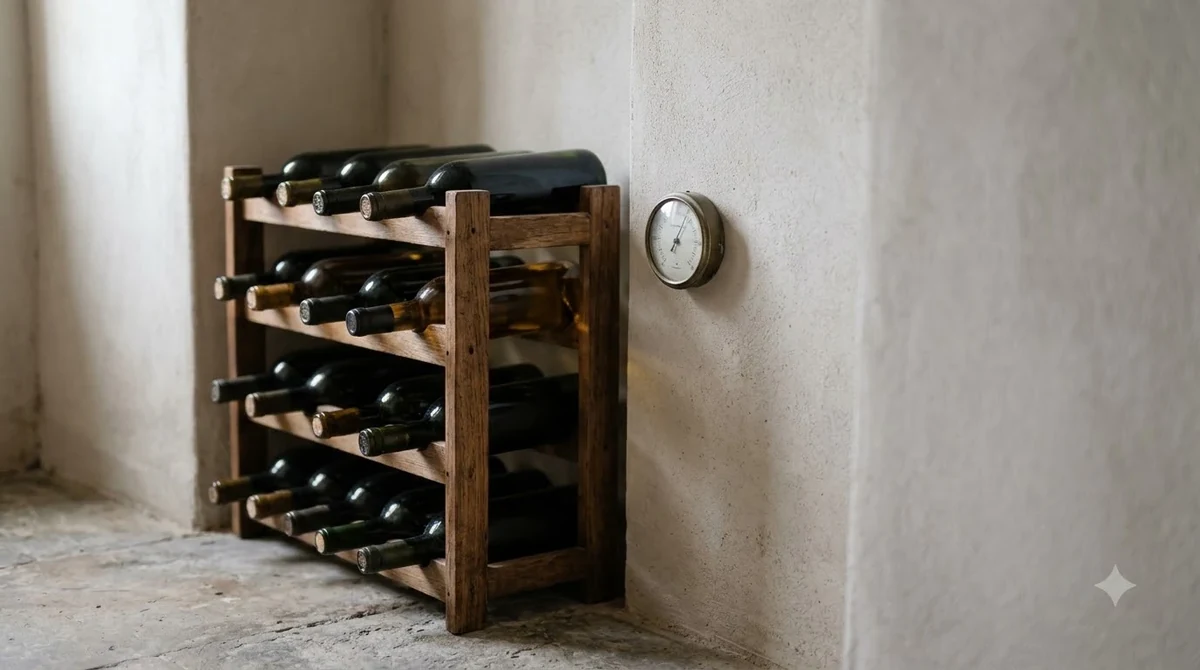
The reason these two choices work is that roast chicken sits between delicate white meat and a richer roasted dish. The meat itself does not need a forceful wine, but crisp skin, pan drippings, and browned edges can make a very lean or faintly flavored bottle seem thin. A wine with medium weight, clear fruit, and balanced acidity bridges those textures. The sommelier guidance in Decanter’s chicken pairing guide likewise treats Chardonnay as a classic match and identifies Pinot Noir, Gamay, and Garnacha as lighter red alternatives.
Use the seasoning as the tie-breaker. A lemon-and-thyme bird favors a crisp, aromatic white; a garlic-and-rosemary bird can take a soft red; and a chicken served with mushrooms often suits Pinot Noir’s earthy side. For an uncomplicated Sunday dinner with roasted potatoes and a modest amount of gravy, either Chardonnay or Pinot Noir is a safe choice. The better option is the one whose weight matches the whole plate, not simply the color of the meat.
Chardonnay and Other White Wines for Roast Chicken
Chardonnay is the most adaptable white pairing because it comes in both crisp, unoaked styles and rounder, barrel-aged versions. Choose a lightly oaked or medium-bodied Chardonnay for golden skin, butter, and pan juices; choose a fresher unoaked style when lemon, herbs, or a lighter vegetable side leads the dish.
White Burgundy, including Bourgogne Blanc and wines from the Mâconnais, offers a classic balance of orchard fruit, texture, and freshness. California and Australian Chardonnay can be riper and broader, which can work well with a bird brushed with butter or served with creamy potatoes. The key is to avoid a wine so heavily oaked or high in alcohol that it overwhelms the chicken’s relatively gentle flavor. For a straightforward roast with garlic and herbs, Williams Sonoma’s poultry guidance also lists Chardonnay as a natural partner.
Several other whites deserve a place on the shortlist. Grüner Veltliner from Austria has lively acidity and a peppery, herbal character that fits lemon, parsley, thyme, and green vegetables. Chenin Blanc can provide a combination of freshness and a rounder mid-palate, particularly from South Africa or the Loire Valley. Pinot Gris is useful when the chicken has a richer texture, while dry white Rhône blends can bring enough body for roasted garlic and pan sauce. Sauvignon Blanc is a better fit for a leaner, lemon-forward bird than for a heavily buttered one.
Choose the white by its texture as well as its grape name. A high-acid, unoaked Chardonnay or Sauvignon Blanc refreshes the palate after fatty skin and gravy. A fuller Chardonnay meets a richer preparation without requiring a strong red. For more detail on how acidity, body, and sauce affect a match, the site’s Wine Pairing basics provide a useful framework.
Pinot Noir, Beaujolais, and Other Red Choices
Red wine works with roast chicken when its tannins stay moderate and its fruit remains lively. Pinot Noir is the leading choice, while Gamay-based Beaujolais, Barbera, and lighter Grenache offer alternatives for herb-seasoned birds and savory sides.
Pinot Noir has low-to-medium tannin and naturally bright acidity, so it is less likely than a heavily structured red to dominate tender chicken. Its cherry, raspberry, and earthy notes work particularly well with browned skin, mushrooms, thyme, and roasted root vegetables. Burgundy is the traditional reference point, but Pinot Noir from Oregon, California, New Zealand, or Chile can also fit when the wine is fresh and not heavily extracted. Look for a style with savory detail and restrained oak rather than intense, jammy fruit.
Beaujolais, made from Gamay, is often juicier and lighter on the palate. A village-level Beaujolais or a cru such as Morgon or Fleurie can match garlic, rosemary, and crisp skin without the drying grip of a big red. Barbera from Piedmont brings high acidity that can cut through roast juices, while a supple Grenache from Spain or southern France can complement paprika, herbs, and a more deeply browned bird. Merlot is another possibility when it is soft, fruit-forward, and not built around firm tannins.
Skip heavily tannic Cabernet Sauvignon, young Syrah, or very extracted red blends for a simple roast chicken. Their grip and weight may mask the meat, particularly when the bird is served without a rich sauce. Salt and fat can soften tannin, so a richer preparation may allow a little more structure, but a large red is rarely the easiest match. Berry Bros. & Rudd’s guide to chicken and wine also describes Chardonnay and fragrant whites as safe choices, with lighter reds suited to some richer chicken dishes.
Herbs, Lemon, Garlic, and the Roast’s Seasoning
Seasoning can change the ideal bottle more than the bird does. Lemon and fresh herbs call for acidity and aromatics, while garlic, rosemary, and browned butter can stand up to a rounder white or a soft, fruit-led red.
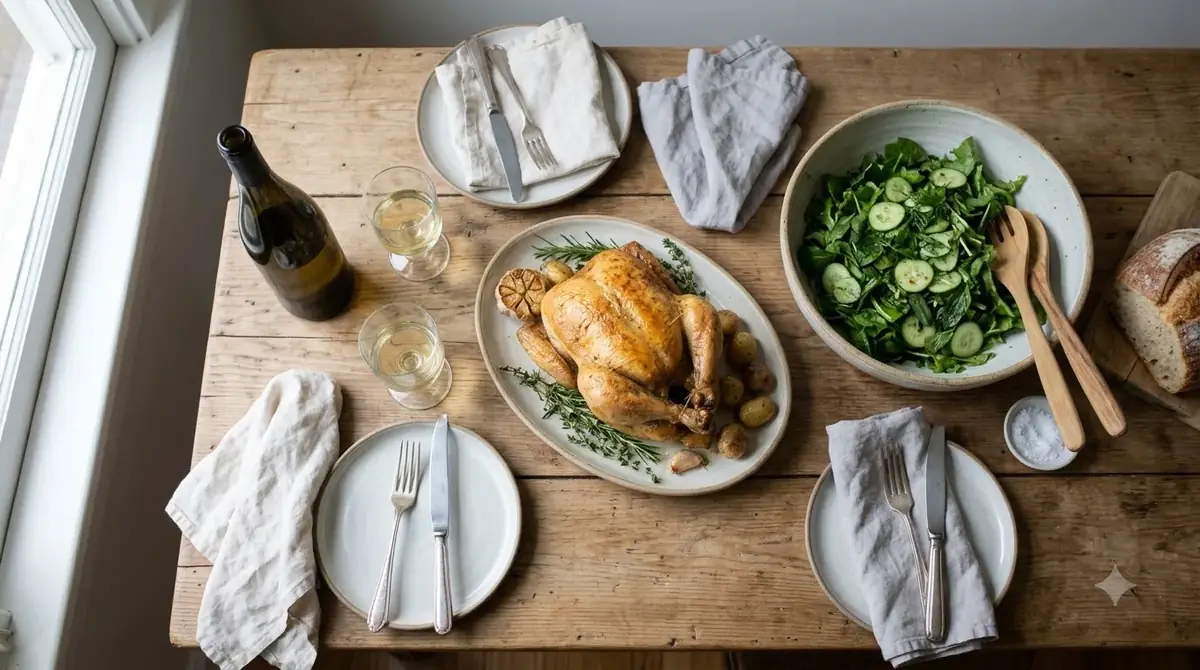
For lemon, thyme, parsley, or tarragon, try Grüner Veltliner, Sauvignon Blanc, or unoaked Chardonnay. Their freshness mirrors citrus and green herbs instead of making the seasoning taste dull. A dry rosé is another good option, especially when the chicken is served warm-weather style with a salad or grilled vegetables. Choose a rosé with enough flavor to match the roast rather than an extremely pale, delicate style that disappears beside browned skin.
Garlic and rosemary make the dish more savory and aromatic. Pinot Noir, Beaujolais, and soft Merlot can echo those roasted flavors, while lightly oaked Chardonnay adds a complementary buttery note. If the garlic is especially prominent, avoid a red with forceful tannin; a dry white with some texture will usually be more comfortable. For a chicken rubbed with smoked paprika or warm spices, Garnacha or a fuller rosé may make more sense than a delicate Sauvignon Blanc.
Sweet glazes require a different decision. Honey, maple, or a sweet barbecue glaze can make a bone-dry wine seem sharper and more tart, so choose a fruit-forward rosé or a red with generous ripe fruit rather than a stern, earthy bottle. A spicy glaze also argues against high alcohol and firm tannin, because chili heat can make both feel more aggressive. For a distinctly smoky, sticky preparation, the site’s advice on what wine goes with BBQ chicken is a closer match than a guide to a traditional herb-roasted bird.
Gravy, Vegetables, and Other Side Dishes
Pair the wine with the strongest side or sauce when it has more flavor than the chicken. Creamy potatoes, mushroom stuffing, tart cranberry relish, and bitter greens each pull the meal in a different direction, so consider the entire plate before opening the bottle.
Pan gravy adds roasted, salty richness and often makes Chardonnay or Pinot Noir an easy choice. A medium-bodied Chardonnay has enough texture for the sauce, while Pinot Noir brings acidity and earthy fruit. If the gravy includes mushrooms, Pinot Noir becomes even more persuasive; its savory character can echo the mushrooms without turning the meal heavy. A lighter Merlot can also work with a mushroom-rich stuffing, particularly if guests prefer a softer red.
Roasted carrots, squash, and sweet onions bring sweetness to the plate. A ripe Chardonnay, Pinot Gris, or Grenache can match their caramelized edges. Green beans, asparagus, and lemony salads are usually easier with a crisp white such as Grüner Veltliner or Sauvignon Blanc. Very acidic accompaniments, including a sharp vinaigrette, need a wine with equal or higher acidity; otherwise the wine can taste flat beside the food.
Rich or salty sides can make a wine seem softer, but sweet sauces need special care. Cranberry sauce, honey-glazed carrots, and fruit chutney can make a dry wine taste austere. When the sides include pork stuffing or a separate roast, adjust the selection to suit that richer meat as well; the site’s what wine goes with pork roast guide can help when pork becomes a major part of the meal. For a heavily spiced chicken curry rather than a simple roast, use a different profile such as aromatic Riesling or Gewürztraminer; see what wine goes with butter chicken for that style.
Serving Temperature, Pour Size, and Timing
Serving temperature matters because a wine that is too cold can seem muted, while a red served too warm can feel heavy. Chill whites and rosé, serve light reds slightly cool, and keep fuller whites just cool enough to show their aroma and texture.
| Wine style | Good examples with roast chicken | Serving temperature | Best fit |
|---|---|---|---|
| Light white | Grüner Veltliner, Sauvignon Blanc | 45–50°F | Lemon, herbs, green vegetables |
| Fuller white | Chardonnay, richer Chenin Blanc | 50–55°F | Butter, crisp skin, pan gravy |
| Rosé | Dry Provence-style rosé | 45–50°F | Warm-weather roast, salad, herbs |
| Light red | Pinot Noir, Beaujolais, Barbera | 55–60°F | Mushrooms, rosemary, roasted roots |
| Sparkling | Brut Champagne or Cava | 40–50°F | Rich skin, salty sides, celebratory meal |
| Full red | Merlot or a restrained Rhône blend | 60–65°F | Rich gravy or a more deeply browned bird |
Wine Enthusiast recommends serving full-bodied whites such as Chardonnay around 50–55°F and light-to-medium reds such as Pinot Noir around 54–60°F. Those ranges explain why a red should not sit beside a warm oven until it reaches a stuffy room temperature. A short chill in the refrigerator can make Pinot Noir and Beaujolais fresher at the table, while an overly cold Chardonnay can hide its aroma and creamy texture.
Plan portions simply: a standard 750-milliliter bottle provides about five 5-ounce glasses. For four diners who each want a glass with dinner, one bottle is usually enough; a second bottle gives more flexibility for a longer meal or a mixed group of white- and red-wine drinkers. Open the white shortly before serving, and let a young, structured red breathe for about 30 minutes if it seems tight. There is no need to decant a delicate Pinot Noir automatically.
Tip: Put a bottle of Pinot Noir in the refrigerator for about 20–30 minutes before dinner if the room is warm. Aim for a cool, refreshing pour rather than a cold one, and let the wine warm gradually in the glass.
If the meal includes guests with different preferences, serve Chardonnay and Pinot Noir side by side in modest pours. Both are classic partners, but one may suit the lemony vegetables while the other fits the mushroom stuffing or gravy. A dry sparkling wine is a useful third option because its acidity and bubbles refresh the palate between rich bites.
Frequently Asked Questions
These quick answers cover common variations that can change the pairing, from rotisserie seasoning to sausage stuffing and cold leftovers. The same principles apply: match the wine to the strongest flavor or texture on the plate.
Does roast chicken need an expensive wine?
No. A well-made regional Chardonnay, Pinot Noir, or Beaujolais can be more appropriate than a prestigious bottle with too much oak or tannin. Choose balance and freshness over reputation, and reserve complex older wines for a dish that can match their subtle flavors.
What wine goes with rotisserie chicken?
Rotisserie chicken often has especially browned, seasoned skin, so Chardonnay and Pinot Noir remain dependable choices. If the seasoning includes a salty spice rub or a smoky finish, a juicy Garnacha or dry rosé can also suit the stronger surface flavors.
Should roast chicken wine be served with the stuffing?
Yes, especially when the stuffing contains sausage, liver, or dried fruit, since those ingredients can contribute more flavor than the breast meat. A savory Pinot Noir is a useful option for mushroom or sausage stuffing, while a fruit-forward white can be a better partner for dried apricots or apples.
Can leftover roast chicken pair with wine?
Yes. Cold chicken in a sandwich or salad generally suits crisp whites such as Chenin Blanc or Pinot Grigio, particularly when mayonnaise or a creamy dressing is present. Add a squeeze of lemon or a sharp vinaigrette and choose a wine with enough acidity to keep pace.
Is sparkling wine a good match for roast chicken?
Yes. Brut Champagne or traditional-method Cava can work especially well when the chicken skin is salty and crisp, because the bubbles and acidity refresh the palate. A richer sparkling wine is more suitable for the main course than an extremely delicate style served only as an aperitif.
For a classic roast, start with Chardonnay if you prefer white wine or Pinot Noir if you prefer red; both offer the right balance of flavor and restraint. Then let the herbs, gravy, vegetables, and serving temperature guide the final choice. The most successful bottle is the one that complements the whole meal without competing with the chicken.
More in Food & Wine Pairing
 Risotto With White Wine Recipe: Make a Creamy Dinner at HomeUpdated Nov 20, 2026
 Wassail With Wine Recipe for a Festive Spiced Holiday DrinkUpdated Nov 20, 2026
 Spritz Veneziano Recipe: Make a Classic Venetian Aperitivo at HomeUpdated Nov 20, 2026
 Summer Wine Punch Recipe for Easy Homemade EntertainingUpdated Nov 20, 2026
 Bishop Recipe: How to Make a Bright, Citrus-Forward Red Wine CocktailUpdated Nov 20, 2026
 Wine Cupcakes Recipe: Bake Rich Chocolate Cupcakes at HomeUpdated Nov 20, 2026