

We may earn a commission when you buy through links on this page, at no extra cost to you. Learn more.
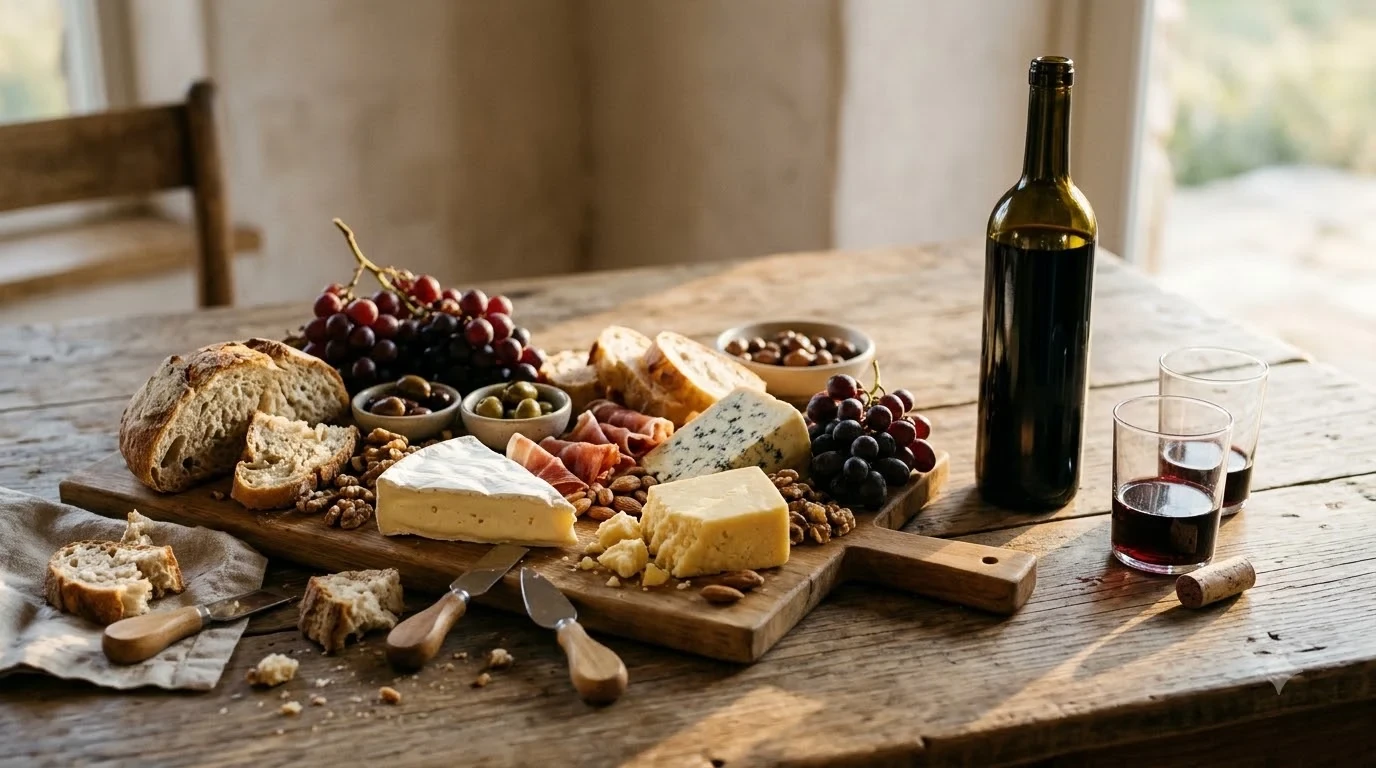
What wine goes with raclette? A dry Swiss Chasselas, also known as Fendant in Valais, is the classic choice because its gentle freshness and moderate acidity complement rich, melted cheese. Other excellent options include Petite Arvine, Pinot Blanc, dry Riesling, and lightly chilled Pinot Noir. The best bottle depends on your raclette toppings, particularly whether you serve potatoes, pickles, cured meats, or vegetables.
Raclette is a traditional Alpine meal built around melted cheese, boiled potatoes, and an assortment of savory accompaniments. Its creamy texture, salty character, and rich flavor call for a wine that brings freshness without overwhelming the food. Fortunately, you do not need to find an expensive Swiss bottle to create a satisfying pairing. Several European and American wine styles can work beautifully when you match their acidity, body, tannins, and serving temperature to the meal.
Chasselas and Fendant: The Classic Raclette Pairing
Chasselas is the traditional wine choice for raclette, particularly when the meal features classic Swiss cheese and boiled potatoes. Its relatively restrained aromas, moderate acidity, and light-to-medium body allow the cheese to remain the center of attention.
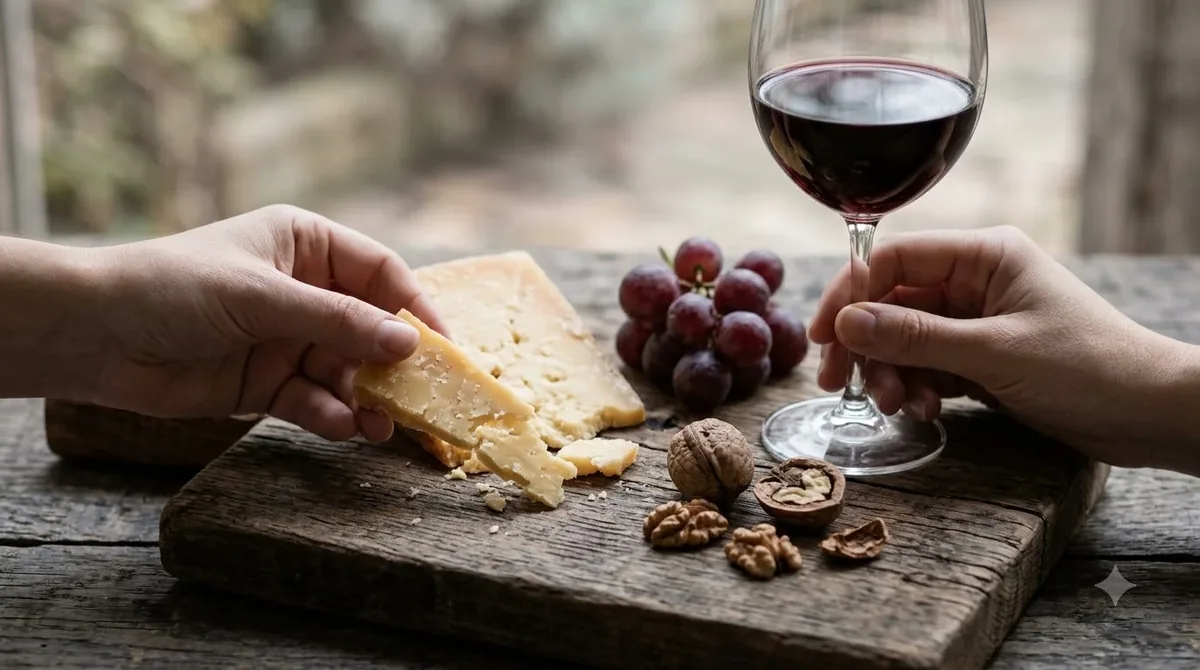
Chasselas is widely associated with Switzerland’s French-speaking wine regions. In Valais, the grape is marketed under the name Fendant, making Fendant du Valais one of the most recognizable traditional pairings for raclette. The wine generally offers delicate fruit, subtle floral notes, and a clean finish rather than intense oak or heavy tropical flavors.
This restrained character matters because melted raclette cheese already has considerable richness and flavor. A highly aromatic or heavily oaked wine can compete with the cheese instead of complementing it. Chasselas provides enough freshness to make successive bites enjoyable while keeping the pairing balanced.
Different Swiss growing areas produce noticeably different expressions of the grape. According to wine expert Peter Keller’s recommendations published by Coop, Dézaley and Saint-Saphorin from Lavaux offer greater complexity than the lighter, fresher Mont-sur-Rolle wines from La Côte. Both styles can accompany raclette, but the more delicate example is particularly appropriate for a simple cheese-and-potato meal.
For a traditional dinner, look for a dry Fendant from Valais or a Chasselas from Vaud. These wines are especially suitable when the table includes mild raclette cheese, boiled potatoes, cornichons, and pickled pearl onions. Their relatively subtle profiles allow the different ingredients to retain their individual flavors.
Chasselas is also a practical option when serving several courses of raclette. It does not introduce excessive sweetness, strong oak flavors, or pronounced tannins that could become tiring as the meal progresses. If guests have different preferences, it makes a dependable starting bottle before introducing other wine styles.
For more information about traditional Swiss combinations, see Coop’s recommendations for wines with raclette.
Other White Wines That Work With Melted Cheese
Chasselas is not the only white wine worth serving with raclette. Petite Arvine, Johannisberg, Pinot Blanc, and Pinot Gris offer different combinations of freshness, texture, and aromatic intensity that can suit particular cheeses and toppings.
Petite Arvine is a distinctive white grape associated with Switzerland’s Valais region. It can offer citrus, stone fruit, floral aromas, and a noticeable mineral character. Its freshness makes it an interesting match for raclette served with mushrooms, roasted vegetables, or savory herbs. Choose a balanced example rather than an extremely concentrated or aggressively acidic bottle.
Johannisberg, the Valais name commonly associated with Sylvaner, offers a softer, rounder alternative. Its relatively gentle profile works with the creamy texture of melted cheese and is useful when guests prefer a white wine that does not emphasize sharp citrus flavors.
Pinot Blanc is another dependable option. Generally lighter and less aromatic than many other white varieties, it can accompany classic raclette without competing with the cheese. Its restrained fruit and approachable texture also make it a sensible choice for guests who find highly aromatic wines distracting.
Pinot Gris, sometimes marketed as Malvoisie in Switzerland, provides a little more body. A dry example from Alsace or Germany can work particularly well when the meal includes mushrooms, roasted onions, or more intensely flavored cheese. Avoid versions with substantial residual sweetness if the main attraction is savory melted cheese.
Dry Riesling and Sauvignon Blanc are additional possibilities, especially when pickles and acidic accompaniments play a prominent role. Their higher acidity can refresh the palate between bites of rich cheese. However, choose a balanced style rather than an aggressively tart wine, particularly if the raclette cheese itself has a pronounced tang.
According to Swissmilk’s raclette pairing recommendations, suitable white varieties also include Heida, Amigne, Humagne Blanche, and Riesling-Sylvaner. These provide useful alternatives when a traditional Fendant is unavailable.
American wine drinkers can apply the same principles without purchasing an imported bottle. An unoaked or lightly oaked Chardonnay from California, Oregon, or Washington can work if it has moderate acidity and restrained fruit. A dry Riesling from Washington State or New York’s Finger Lakes is another useful alternative.
The important distinction is between freshness and intensity. A white wine should complement the cheese rather than overpower it with excessive oak, sweetness, or perfume.
Red Wine With Raclette: Pinot Noir, Gamay, and Other Options
Red wine can accompany raclette successfully, provided it has relatively low tannins, fresh fruit, and moderate body. Pinot Noir and Gamay are two of the strongest choices because their softer structure is generally more compatible with melted cheese than powerful, heavily tannic reds.
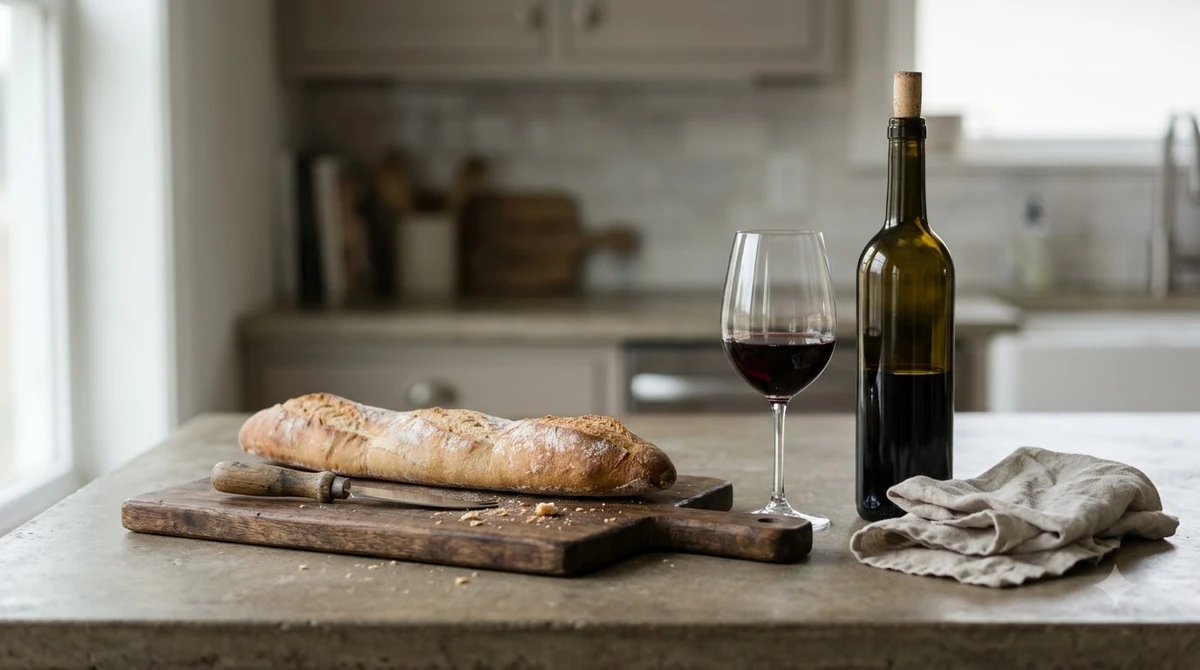
Pinot Noir is a particularly versatile option. Its typical flavors include red cherry, raspberry, strawberry, and subtle earthy notes. With low-to-medium tannins and naturally high acidity, it offers enough freshness to accompany rich cheese while avoiding the aggressive grip associated with varieties such as Cabernet Sauvignon.
Look for a fruit-forward Pinot Noir from Switzerland, Burgundy, Oregon, or California. A lightly structured example is preferable to a heavily extracted, oak-dominated bottle. Swiss Pinot Noir, sometimes called Blauburgunder, is a traditional alternative to Fendant at raclette gatherings.
Gamay is another excellent choice. Commonly associated with Beaujolais in France, this grape produces light-bodied reds with bright red fruit and relatively gentle tannins. Its fresh character makes it suitable for a long raclette dinner, particularly when cured meats and roasted vegetables accompany the cheese.
Serve Gamay slightly chilled rather than at typical warm room temperature. Cooling the wine helps preserve its freshness and makes its fruit more refreshing alongside hot, melted cheese. Avoid chilling it so much that its aromas become difficult to appreciate.
Dôle is a traditional Valais red wine that provides another interesting pairing. According to Coop’s wine expert Peter Keller, Valais Dôle is often a blend containing at least 85% Pinot Noir and Gamay. Its fruit-forward character and relatively gentle tannins make it suitable for cheese-based meals.
Other possibilities include a fruity Austrian Zweigelt or a restrained Syrah. Syrah generally has more tannin and body than Pinot Noir or Gamay, so choose a softer, fruit-driven version rather than a powerful, heavily extracted example. The same principle applies to other red varieties: structure matters more than the grape name alone.
Avoid serving a young, heavily tannic Cabernet Sauvignon, Barolo, or Amarone as the main raclette pairing. Strong tannins can taste bitter or drying alongside salty cheese, while substantial oak and high alcohol can make the overall combination feel heavy. A softer Merlot may be more approachable, but Pinot Noir and Gamay remain safer starting points.
Tip: If your guests prefer red wine, chill Pinot Noir or Gamay for approximately 20–30 minutes before serving. Aim for 55–60°F rather than serving the bottle at a warm room temperature. This preserves the wine’s fruit and freshness alongside the hot cheese.
Matching Wine With Raclette Potatoes, Pickles, and Toppings
The best wine for raclette depends on more than the cheese itself. Potatoes, pickled onions, cornichons, cured meats, mushrooms, and vegetables each influence the overall flavor of the meal, so the ideal bottle should complement the complete plate.
Boiled potatoes: Plain potatoes have a mild, earthy flavor and a starchy texture. They do not need an intensely aromatic wine. Chasselas, Fendant, or Pinot Blanc makes a natural match because these wines provide freshness without overpowering the cheese or potatoes.
Pickles and pearl onions: Vinegar-based accompaniments introduce sharp acidity. A wine with sufficient acidity is important here because an overly soft wine can seem flat beside the pickles. Dry Riesling and Sauvignon Blanc are useful options when the pickled ingredients are particularly prominent.
Cured meats: Prosciutto, salami, ham, and other charcuterie introduce additional salt, fat, and savory flavors. Pinot Noir and Gamay can work especially well with these ingredients. Their fruit provides contrast, while their relatively moderate tannins avoid the harshness that stronger reds can develop with salty food.
Mushrooms: Sautéed mushrooms bring earthy and savory flavors that complement Pinot Noir and dry Pinot Gris. A restrained Chardonnay can also work, especially if the mushrooms are cooked with butter and herbs.
Roasted vegetables: Bell peppers, zucchini, onions, and eggplant add sweetness, texture, and sometimes smoky flavors. A medium-bodied white such as Petite Arvine or a light red such as Gamay can accommodate these variations.
Spicy toppings: Chili oil, hot peppers, and spicy sausage require extra care. Alcohol and tannins can amplify the sensation of chili heat, so a moderately alcoholic white with a gentle profile is generally a safer choice than a powerful red. Avoid wines with pronounced heat from high alcohol.
If you are planning a larger menu, the same food-pairing principles apply to other cheese-rich dishes. For example, the approach used to select what wine goes with blue cheese is different because blue cheese usually has a much stronger flavor and salt concentration. Similarly, the pairing considerations for what wine goes with eggplant parmesan need to account for tomato acidity, herbs, and the richness of baked cheese.
When raclette includes several different toppings, choose a versatile bottle rather than trying to find a separate wine for every ingredient. A dry Chasselas or lightly chilled Pinot Noir can accommodate most traditional combinations without creating unnecessary complications.
Best Serving Temperatures and Wine Quantities for Raclette
Serving temperature can make a noticeable difference to the pairing. White wine that is too cold may seem muted, while red wine served too warm can taste heavy next to hot cheese. Keep bottles away from the raclette oven and serve each style at an appropriate temperature.
For a traditional Fendant or Chasselas, aim for approximately 45–50°F. This range preserves freshness while allowing the wine’s delicate aromas to remain accessible. If the bottle is placed close to the heating equipment, it may warm quickly, so keep an additional chilled bottle available.
Petite Arvine and other fuller-bodied whites can be served slightly warmer, around 50–55°F, to allow their aromas and texture to develop. Pinot Noir and Gamay are best served around 55–60°F. Full-bodied reds generally need 60–65°F, although powerful examples are not the preferred choice for raclette.
The following table provides practical serving recommendations for the most useful wine styles.
| Wine style | Serving temperature | Best raclette combination |
|---|---|---|
| Chasselas / Fendant | 45–50°F | Classic cheese and potatoes |
| Petite Arvine | 50–55°F | Cheese and roasted vegetables |
| Pinot Blanc | 45–50°F | Mild cheese and potatoes |
| Dry Riesling | 45–50°F | Cheese and pickled onions |
| Pinot Gris | 45–50°F | Cheese and mushrooms |
| Pinot Noir | 55–60°F | Cheese and cured meats |
| Gamay | 55–60°F | Cheese and savory toppings |
Wine quantities are equally important when planning a gathering. A standard 750 ml bottle provides approximately five servings when poured at 5 oz per glass. For a dinner lasting several hours, guests may appreciate having both a white and a red option rather than relying on one bottle for everyone.
For four adults, two 750 ml bottles provide approximately ten standard 5 oz glasses. A practical combination would be one bottle of Chasselas and one bottle of Pinot Noir or Gamay. If the group strongly prefers white wine, substitute the red bottle with another dry white.
For larger gatherings, consider the number of guests, the length of the meal, and whether wine is being served alongside other drinks. Keep unopened bottles chilled and open only what you expect to use. Sparkling wine should be served at 40–50°F, while sweet whites generally benefit from temperatures around 43–50°F.
Leftover still wine can generally be stored in the refrigerator for approximately three to five days after opening. Sparkling wine typically keeps for one to three days with an appropriate sparkling-wine stopper. These storage guidelines help preserve the remaining wine if the gathering does not finish every bottle.
Wines to Avoid and How to Choose the Right Bottle
Raclette is rich, savory, and relatively filling, so wines with excessive tannin, strong oak, high alcohol, or pronounced sweetness can make the pairing feel unbalanced. Selecting a bottle with moderate structure and appropriate freshness is usually more successful than choosing the biggest or most aromatic wine available.
High-tannin reds: Cabernet Sauvignon, young Barolo, and some powerful Syrah wines can be difficult matches. Their tannins may become harsh alongside salty cheese, creating a drying sensation that competes with the food. A softer Pinot Noir or Gamay is generally a better option.
Heavily oaked Chardonnay: A buttery Chardonnay with pronounced vanilla, toast, and oak flavors can overwhelm a traditional raclette meal. The combination may feel excessively rich because both the wine and cheese contribute substantial texture. Choose a restrained, unoaked Chardonnay instead if you prefer this grape.
Very sweet white wines: Sweetness is not usually necessary for a savory cheese meal. An off-dry or sweet wine can make the potatoes and cheese seem less balanced, particularly when the meal includes salty cured meats. Dry white wines are generally more suitable.
High-alcohol reds: Wines with elevated alcohol can feel hot and heavy beside warm, melted cheese. They are also less suitable if the table includes chili or spicy sausage, because alcohol can intensify the perception of heat.
Extremely aromatic whites: Gewürztraminer can be interesting, but its pronounced floral, tropical, and spice characteristics may dominate a simple raclette plate. Coop identifies it as a possible alternative while recognizing that its intensity will not suit every palate. If you choose it, consider a restrained, dry example and serve it with strongly flavored toppings rather than plain potatoes.
When selecting a bottle, consider three practical questions. First, is the wine dry enough to accompany savory cheese? Second, does it have sufficient freshness for the richness and accompanying pickles? Third, is its body appropriate for the meal rather than overpowering it?
You can also use the broader principles explained in our Wine Pairing guide to make decisions for other dishes. The same approach works with hearty meals such as what wine goes with beef brisket, although brisket generally calls for a different balance of fruit, body, and tannin than raclette.
For a simple shopping decision, start with a dry Fendant or Chasselas. If you cannot find one, choose a dry Pinot Blanc or balanced Riesling. For red wine drinkers, a lightly chilled Pinot Noir or Gamay is a reliable alternative.
Frequently Asked Questions
Is Fendant the same grape as Chasselas?
Yes. Fendant is the traditional regional name used for Chasselas wines from Valais, Switzerland. The grape is also grown in other Swiss regions, where it is generally marketed under the Chasselas name rather than Fendant. The regional designation therefore provides useful information about the wine’s origin.
Can you cook raclette cheese with wine?
Traditional raclette is prepared by melting cheese and scraping it over potatoes or bread, rather than mixing wine directly into the cheese. Some modern recipes incorporate a small amount of dry white wine into cheese preparations, but this is not necessary for the classic dish. A dry Swiss white can be served alongside the meal instead.
Is sparkling wine suitable for a raclette dinner?
Yes. Dry traditional-method sparkling wines, including Champagne and Cava, can provide refreshing bubbles and acidity alongside melted cheese. Brut styles are generally more appropriate than sweet sparkling wines. Serve them at approximately 40–50°F to preserve their freshness and carbonation.
Can rosé wine accompany raclette?
Dry rosé can be a suitable alternative, particularly when raclette includes ham, grilled vegetables, or other savory toppings. A restrained rosé made from Pinot Noir or Grenache can provide fresh fruit without the stronger tannins found in many red wines. Choose a dry style rather than a noticeably sweet rosé.
Does raclette have to be made with Swiss cheese for the traditional pairing?
No. The classic pairing developed around Swiss raclette traditions, but the same wine principles apply to other melting cheeses. French Raclette de Savoie is another regional cheese with a long Alpine tradition. Its savory character can also work with Fendant, Chasselas, and other restrained dry white wines.
For most raclette dinners, a dry Chasselas or Fendant is the safest and most traditional wine choice. Petite Arvine, Pinot Blanc, and dry Riesling provide excellent white alternatives, while Pinot Noir and Gamay satisfy guests who prefer red wine. Choose a balanced bottle, serve it at the right temperature, and match its character to the cheese and toppings for a relaxed, enjoyable Alpine-inspired meal.
More in Food & Wine Pairing
 Risotto With White Wine Recipe: Make a Creamy Dinner at HomeUpdated Nov 20, 2026
 Wassail With Wine Recipe for a Festive Spiced Holiday DrinkUpdated Nov 20, 2026
 Spritz Veneziano Recipe: Make a Classic Venetian Aperitivo at HomeUpdated Nov 20, 2026
 Summer Wine Punch Recipe for Easy Homemade EntertainingUpdated Nov 20, 2026
 Bishop Recipe: How to Make a Bright, Citrus-Forward Red Wine CocktailUpdated Nov 20, 2026
 Wine Cupcakes Recipe: Bake Rich Chocolate Cupcakes at HomeUpdated Nov 20, 2026