


We may earn a commission when you buy through links on this page, at no extra cost to you. Learn more.
What wine goes with pozole? A dry rosé is the most versatile choice, while Sauvignon Blanc, Riesling, and unoaked Chardonnay suit lighter pozole blanco and verde, and fruity Pinot Noir or Garnacha works with pozole rojo. The best bottle depends on the broth, the meat, the amount of chile, and the garnishes at the table. Choose refreshing acidity, moderate alcohol, and gentle tannins rather than a heavily oaked or powerful red. These qualities let the wine complement the hominy, savory broth, and fresh toppings without overwhelming the dish.
Pozole is one of Mexico’s most recognizable celebratory dishes, and its combination of tender meat, chewy hominy, aromatic broth, and fresh garnishes makes it an interesting wine-pairing challenge. A bowl of pozole blanco tastes quite different from one made with dried red chiles or tangy tomatillos. Fortunately, you do not need a separate expensive bottle for every variation. A few dependable wine styles cover most preparations, and small adjustments based on the ingredients can make the pairing considerably better.
Why Rosé Is the Most Versatile Wine for Pozole
Dry rosé is an excellent starting point because its refreshing acidity balances the richness of pork, while its red-fruit character provides enough flavor for a savory broth. It also has less tannin than many full-bodied red wines, making it comfortable alongside chile seasoning and fresh garnishes.
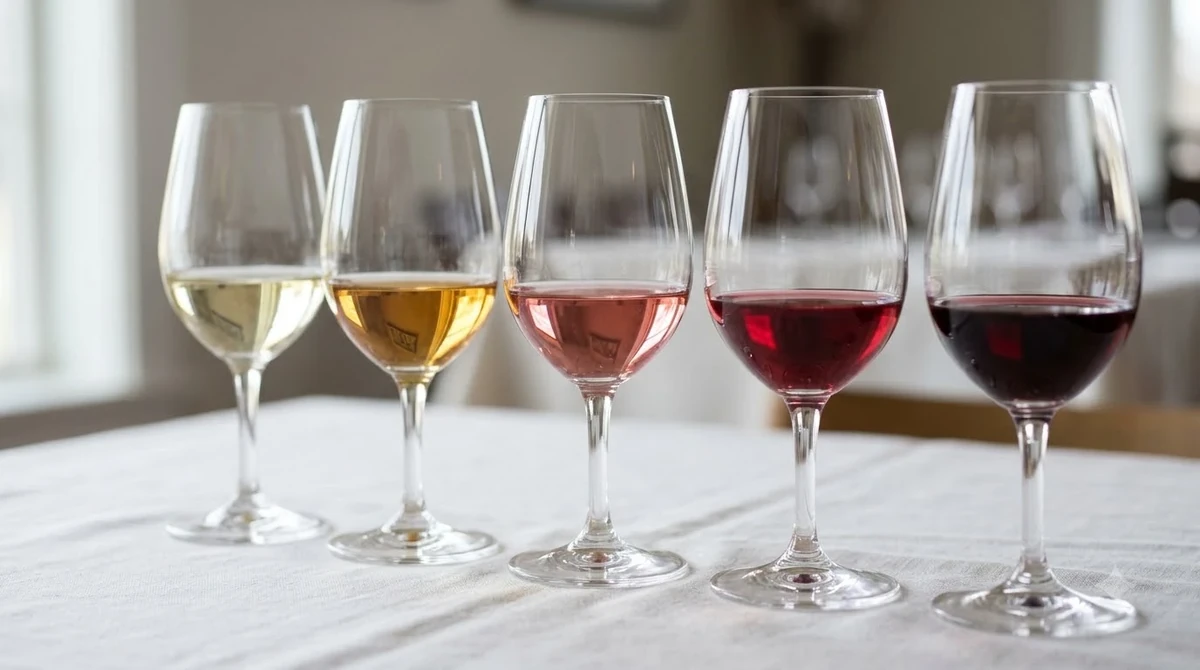
Traditional pozole brings several elements together in one bowl. Hominy supplies a substantial corn flavor, meat contributes savory depth, and the broth carries seasonings that can range from mild to intensely spicy. Radishes, cabbage, oregano, onion, and lime introduce additional freshness and texture. A wine that handles several of these characteristics at once is more practical than one that works with only the meat.
A dry Grenache rosé, Provence-style rosé, or Mexican rosé made from grapes such as Grenache or Sangiovese can all be good options. Look for flavors of strawberry, watermelon, citrus, and red cherry. These fruit characteristics complement the savory broth without making the meal taste sweet. A wine with crisp acidity also refreshes the palate after bites containing pork fat, avocado, or crunchy tostadas.
There is a useful distinction between a light rosé and a fuller rosé. A delicate, pale wine is attractive with chicken pozole or a relatively simple white broth. A rosé with more body and concentrated fruit is better suited to pork pozole, especially when the broth includes dried chiles. The goal is to find enough flavor to accompany the soup without adding aggressive tannin or excessive alcohol.
Mexican wine is a natural place to begin shopping. Rosés from Baja California, particularly those made with Mediterranean red grapes, can offer the fruit and freshness needed for this combination. A Spanish Garnacha rosé or French Côtes de Provence rosé is another sensible choice.
There is also a useful professional perspective behind this recommendation. In a GQ article discussing Mexican food pairings, wine specialist Luis Gómez of Vid Mexicana identifies chilled rosé as a particularly successful choice for pozole, especially when pork contributes richness. The recommendation reflects the dish’s combination of savory meat, broth, and seasoning rather than a simple meat-and-red-wine rule.
For a dinner with several kinds of pozole, rosé is particularly convenient. Guests can choose between white, red, or green preparations without requiring the host to open three different bottles. If the menu includes a variety of rich dishes, the same principles used for what wine goes with beef brisket can help explain why fruit, acidity, and controlled tannin matter with substantial meat preparations.
Best Wines for Pozole Rojo
Pozole rojo generally works best with a fruity rosé or a medium-bodied red wine with moderate tannins. Its dried-chile broth has more intensity than a clear white broth, so the wine needs enough fruit and flavor to remain noticeable without increasing the sensation of heat.

Red pozole commonly gets its color from dried chiles such as guajillo, ancho, and pasilla. These ingredients contribute earthy, smoky, fruity, and sometimes gently sweet characteristics. Pork is a common protein, although chicken is also used. The resulting broth can be substantial, particularly when it has simmered for hours and absorbed the flavor of the meat and seasonings.
Pinot Noir for a lighter red option
Pinot Noir is a particularly useful red wine because it generally has low-to-medium tannins and naturally lively acidity. Its flavors of cherry, raspberry, cranberry, and sometimes earth can complement the savory character of pozole rojo. It also has enough structure to accompany pork without the heavy mouthfeel associated with many Cabernet Sauvignon wines.
Choose a relatively fresh Pinot Noir from Oregon, California, or another cool-climate region. Avoid versions dominated by new oak or unusually high alcohol. A fruit-forward bottle with restrained tannin is more adaptable to the broth, particularly if diners add plenty of chile powder or hot salsa.
Garnacha and Tempranillo for deeper flavors
Garnacha, also known as Grenache, is another useful option. It typically provides generous red-fruit flavors, moderate tannins, and a rounded texture. A young Garnacha can accompany dried-chile flavors and pork without becoming too heavy. Its fruit character is especially appealing when the broth has a slightly sweet impression from the dried peppers.
Young Tempranillo can also work. Look for a version emphasizing red fruit rather than a heavily oaked Rioja Reserva. The grape’s moderate tannins and savory character make it suitable for a more substantial red pozole, particularly one with pork shoulder.
A medium-bodied red is not automatically suitable for every level of chile heat. Capsaicin can make alcohol and tannin feel more aggressive. A wine with 15% alcohol and substantial oak may therefore become unpleasant alongside a very spicy bowl, even if its fruit initially seems appropriate.
When to choose rosé instead
If the pozole rojo is especially hot, a dry rosé is generally the safer option. Its refreshing acidity and lack of substantial tannin keep the pairing from becoming tiring. For guests who prefer a little sweetness, an off-dry rosé can soften the perception of chile heat, provided it is not so sweet that it overwhelms the savory broth.
For the most reliable red-wine pairing, choose Pinot Noir or young Garnacha, serve it slightly cool, and keep the salsa moderate. This approach preserves the wine’s fruit and makes it easier to enjoy alongside the soup.
White Wine Pairings for Pozole Blanco and Verde
Pozole blanco and verde generally pair best with refreshing white wines. Sauvignon Blanc, Riesling, Albariño, and unoaked Chardonnay offer different combinations of acidity, fruit, and texture that work with clear broth, tomatillos, herbs, lime, and lighter proteins.
Pozole blanco has a relatively straightforward flavor profile. The broth emphasizes meat, hominy, and seasonings instead of a pronounced red or green chile base. This makes it easier to pair with a range of white wines, especially those with citrus, apple, pear, or mineral characteristics.
Sauvignon Blanc for pozole verde
Sauvignon Blanc is one of the strongest choices for pozole verde. Its naturally high acidity and characteristic herbal and citrus flavors complement the tomatillos, cilantro, green chiles, and lime often used in the preparation. The wine’s freshness also helps balance the savory qualities of chicken or pork.
New Zealand Sauvignon Blanc is a recognizable example, with citrus, passion fruit, and green herbal notes. Sauvignon Blanc from the Loire Valley can offer a more restrained profile, with citrus, mineral, and grassy characteristics. Both can work, although the best choice depends on how intensely herbal or spicy the broth becomes.
Avoid selecting an excessively alcoholic or heavily oaked Sauvignon Blanc. A fresh, dry style is generally more suitable for green pozole because it keeps the pairing focused on acidity and aromatic freshness.
Riesling for chile and lime
Riesling offers a different approach. It has naturally high acidity, expressive fruit, and styles ranging from bone-dry to noticeably sweet. A dry Riesling is a good choice for mild pozole blanco, while a slightly off-dry Riesling can be particularly helpful if the green or red broth contains significant chile heat.
The small amount of residual sugar in an off-dry Riesling can soften the perception of spice. Its acidity keeps the wine from feeling heavy, and its citrus, peach, and apple flavors complement the soup’s fresh garnishes. Avoid very sweet dessert-style Riesling for an ordinary savory pozole meal.
Unoaked Chardonnay for a richer white wine
Unoaked Chardonnay is suitable for pozole blanco, especially when the soup contains pork, chicken, or a generous amount of avocado. Its medium acidity, apple and pear flavors, and fuller texture can accommodate a savory broth without introducing strong oak or vanilla characteristics.
A lightly oaked Chardonnay is also possible if the broth is particularly rich. However, excessive oak can distract from the corn and fresh toppings. Keep the wine’s texture moderate and avoid versions that taste heavily buttery.
For additional white-wine inspiration, the Michelin Guide’s recommendations for pairing wine with Mexican food include Albariño for raw seafood, dry whites for cooked seafood, and Malvasia from Croatia as a suggested companion for pozole. The broader lesson is that fresh acidity and manageable tannins are particularly useful with Mexican cooking.
How Meat, Broth, and Garnishes Change the Pairing
The protein and toppings can change the ideal wine even when the broth remains the same. Pork usually calls for more body and fruit, chicken often works with lighter whites, and seafood pozole generally favors crisp white wine with minimal oak.
Consider the complete bowl rather than choosing wine from the name of the dish alone. A pozole blanco made with pork shoulder and avocado is richer than one made with chicken breast. Similarly, a green pozole with plenty of tomatillo and lime is more acidic than a mild version with a small amount of green chile.
Pork pozole
Pork shoulder, pork butt, and other fatty cuts contribute richness and savory depth. Dry rosé, Pinot Noir, Garnacha, and medium-bodied Tempranillo are all reasonable options. Their fruit and moderate tannins complement the meat without producing the drying sensation associated with more powerful reds.
Fat can soften the perception of tannin, but this does not mean that every fatty pork dish needs a heavily tannic wine. Pozole remains a broth-based meal, and the liquid, lime, and chile are important parts of the pairing. A fresh wine with sufficient acidity usually provides a more balanced result.
Chicken pozole
Chicken pozole is generally lighter than pork pozole, particularly when prepared with a clear broth. Sauvignon Blanc, Albariño, dry Riesling, and unoaked Chardonnay are all suitable. Dry rosé is another flexible option when the broth contains more seasoning or chile.
Chicken pozole verde is especially compatible with Sauvignon Blanc because its herbal notes relate naturally to cilantro and tomatillo. Chicken pozole blanco can be served with Riesling or Chardonnay, depending on whether you prefer a brighter or fuller-bodied wine.
Seafood pozole
Seafood versions require a more delicate approach. Shrimp, fish, and shellfish generally benefit from crisp white wines such as Albariño, Sauvignon Blanc, or a dry sparkling wine. Avoid heavily tannic red wines because tannin can create an unpleasant metallic or bitter impression alongside fish.
For seafood pozole with lime and green herbs, a high-acid white is particularly useful. If the broth contains a creamy element or richer seafood, a fuller white can be considered, provided it retains enough freshness to accompany the soup.
Vegetarian pozole
Vegetarian pozole can contain mushrooms, beans, zucchini, hominy, peppers, and a range of herbs. Sauvignon Blanc is a reliable option for a green preparation, while unoaked Chardonnay works with a richer white broth. Dry rosé can accommodate a more substantial vegetarian bowl containing mushrooms and roasted vegetables.
Pay attention to the seasoning. A mushroom-heavy broth has more savory depth than a simple vegetable broth, so it can support a light Pinot Noir if the chile level is restrained. A very spicy preparation, however, is usually better with a refreshing white or rosé.
The following table provides a practical starting point for choosing a bottle based on the main preparation.
| Pozole style | Recommended wine | Alternative | Serving temperature |
|---|---|---|---|
| Rojo with pork | Dry rosé | Garnacha or Pinot Noir | 45–50°F for rosé; 55–60°F for light red |
| Rojo with chicken | Dry rosé | Off-dry Riesling | 45–50°F |
| Blanco with pork | Unoaked Chardonnay | Dry rosé | 50–55°F for Chardonnay |
| Blanco with chicken | Sauvignon Blanc | Dry Riesling | 45–50°F |
| Verde with chicken | Sauvignon Blanc | Albariño | 45–50°F |
| Verde with pork | Dry rosé | Unoaked Chardonnay | 45–55°F |
| Seafood pozole | Albariño | Dry sparkling wine | 40–50°F for sparkling; 45–50°F for white |
| Vegetarian pozole | Sauvignon Blanc | Dry rosé | 45–50°F |
Serving Temperature, Spice, and Wine Characteristics
Serving temperature can make a noticeable difference to the pairing. White wines and rosés should be cool enough to feel refreshing, while lighter reds benefit from a short period in the refrigerator before serving.
For pozole, the recommended temperatures are straightforward: serve Sauvignon Blanc and dry rosé at 45–50°F, fuller Chardonnay at 50–55°F, and light Pinot Noir at 55–60°F. Sparkling wine should be served at 40–50°F. These ranges preserve freshness without suppressing the aromas and flavors of the wine.
Why acidity matters
Acidity is one of the most important qualities in a pozole pairing. Lime juice, tomatillos, radishes, and other fresh toppings can make the dish taste distinctly bright. A wine with comparable or higher acidity is less likely to taste flat beside these ingredients.
Sauvignon Blanc, Riesling, and Albariño are especially useful because they naturally have high acidity. Pinot Noir can also provide enough freshness for red pozole, while rosé offers an accessible middle ground. Chardonnay has medium acidity, so its suitability depends more heavily on the richness and acidity of the broth.
Managing chile heat and alcohol
Chile heat deserves special attention. Alcohol and tannin can amplify the sensation of spice, making a powerful red wine feel harsher than it would alongside a less spicy meal. A Cabernet Sauvignon or a high-tannin Syrah is therefore rarely the first choice for a strongly seasoned pozole.
If the bowl contains a lot of hot salsa, choose a wine with moderate alcohol, lively acidity, and gentle tannins. An off-dry Riesling or fruit-forward rosé can be especially useful. The slight sweetness in an off-dry white can balance chile heat, while a dry rosé offers freshness without changing the overall savory character of the dish.
Choosing sparkling wine
Sparkling wine is another practical option, particularly when the table includes tostadas, fried tortilla chips, avocado, and other rich accompaniments. Its bubbles refresh the palate between bites, while its acidity works with lime and other bright flavors.
Brut sparkling wine is generally a good starting point. Cava and traditional-method sparkling wines are useful choices because their acidity and bubbles complement rich food. Prosecco can also work, particularly with milder pozole and lighter toppings.
Pay attention to sweetness. Sparkling wine labels use several terms, including Brut Nature, Extra Brut, Brut, Extra Dry, Dry, Demi-Sec, and Doux. Brut Nature is the driest category, while Doux is the sweetest. For a savory bowl, Brut or Extra Brut is usually a sensible starting point. A sweeter sparkling wine can be reserved for unusually spicy preparations or a sweeter course afterward.
Tip: If you are unsure which wine to serve, chill a dry rosé to 45–50°F. It is a dependable option for a mixed pozole dinner containing pork, chicken, different broth colors, and several garnishes. If the pozole is particularly hot, consider an off-dry Riesling instead.
How to Plan Wine for a Pozole Dinner
A little preparation makes it easier to serve wine successfully at a family-style pozole meal. Estimate the number of guests, consider the different broths and proteins, and choose wines that can accommodate more than one preparation.
How many bottles should you buy?
A standard 750 ml bottle provides approximately five glasses when each serving is 5 ounces. For six adults who each have two glasses, three bottles provide approximately 15 servings. For ten guests having two glasses each, four bottles provide approximately 20 servings.
These estimates assume that wine is the main alcoholic beverage and that the meal lasts long enough for guests to have two pours. If the gathering includes other drinks or many guests who do not drink wine, fewer bottles may be sufficient.
For a dinner featuring several types of pozole, a practical selection might include two bottles of dry rosé, one Sauvignon Blanc, and one Pinot Noir. This gives guests several choices without making the host manage an unnecessarily large selection.
Serve the wine in a useful order
If you are serving more than one wine, begin with sparkling wine or a crisp white. Follow with rosé and then a light red. This sequence moves from refreshing and delicate styles toward wines with more body and flavor concentration.
For a meal where pozole rojo is the main attraction, you can reverse the emphasis and offer rosé first, followed by Pinot Noir or Garnacha. The key is to avoid starting with a very powerful red and then moving to a delicate white. The stronger wine can make the lighter option seem less expressive.
Keep opened bottles fresh
Wine service does not end with the first pour. If you have leftover rosé or white wine, replace the closure and refrigerate the bottle. Most opened still wines retain their best qualities for approximately 3–5 days under refrigeration, although freshness varies with the wine and the amount of air in the bottle.
Opened sparkling wine generally keeps for approximately 1–3 days when properly sealed and refrigerated. Use a sparkling-wine stopper rather than an ordinary cork. If you are serving a light red, you can also refrigerate the remaining wine and allow it to warm slightly before the next serving.
For a gathering that includes other substantial dishes, consider the different requirements of each course. A stronger red may be appropriate for a later beef dish, while a lighter wine can remain on the table for the pozole. The same approach is useful when choosing a bottle for what wine goes with eggplant parmesan, where tomato acidity, cheese, and richness all affect the final choice.
Cheese platters served before or after the soup can also influence the wine selection. If a strong blue cheese is part of the menu, a sweeter or fruitier wine may be more suitable than the dry white chosen for the pozole itself. The pairing principles in what wine goes with blue cheese provide another useful reference for planning the rest of the meal.
Frequently Asked Questions
What wine goes with pozole rojo if I do not like rosé?
Choose Pinot Noir, young Garnacha, or a fruit-forward Tempranillo. These wines provide red-fruit flavors without the aggressive tannins of many powerful reds. A lightly chilled Beaujolais made from Gamay is another option worth considering.
Is Mexican wine a good choice for pozole?
Yes. Baja California produces a range of wines, including rosé, Chardonnay, and red blends that can suit different pozole preparations. Mexican wines made with Grenache, Sauvignon Blanc, or other fresh, fruit-forward varieties are particularly useful starting points.
Can Champagne be served with pozole?
Yes. Brut Champagne can accompany pozole, especially when the meal includes rich pork, tostadas, and fried garnishes. Champagne undergoes its second fermentation in the bottle, which contributes to its characteristic bubbles and texture. Its acidity and effervescence make it a suitable choice for a celebratory meal.
Should I decant Pinot Noir before serving pozole?
Most young Pinot Noir does not require extended decanting. Pouring it into glasses shortly before the meal is generally sufficient. Older Pinot Noir may benefit from careful handling because sediment can develop during bottle aging.
Can I serve the same wine with pozole and dessert?
That depends on the dessert. A dry rosé or white wine can accompany fresh fruit, but a sweet dessert generally needs a wine at least as sweet as the food. A Moscato or demi-sec sparkling wine can provide a more suitable finish when the meal ends with sweet pastries or fruit-based desserts.
The best wine for pozole is one that respects the broth, meat, chile, and fresh garnishes rather than competing with them. Start with dry rosé for versatility, Sauvignon Blanc for green and white preparations, and fruity Pinot Noir or Garnacha for red pozole. Serve the bottle at the right temperature, keep the alcohol and tannins in balance, and let the style of the bowl guide the final choice.
More in Food & Wine Pairing
 Risotto With White Wine Recipe: Make a Creamy Dinner at HomeUpdated Nov 20, 2026
 Wassail With Wine Recipe for a Festive Spiced Holiday DrinkUpdated Nov 20, 2026
 Spritz Veneziano Recipe: Make a Classic Venetian Aperitivo at HomeUpdated Nov 20, 2026
 Summer Wine Punch Recipe for Easy Homemade EntertainingUpdated Nov 20, 2026
 Bishop Recipe: How to Make a Bright, Citrus-Forward Red Wine CocktailUpdated Nov 20, 2026
 Wine Cupcakes Recipe: Bake Rich Chocolate Cupcakes at HomeUpdated Nov 20, 2026