

We may earn a commission when you buy through links on this page, at no extra cost to you. Learn more.
What wine goes with pho? Dry Riesling, dry sparkling wine such as Cava, and light-bodied Pinot Noir are excellent choices for pho because their freshness and balanced structure complement savory broth, rice noodles, meat, and aromatic herbs. For the most versatile pairing, choose a crisp dry sparkling wine that refreshes the palate without overwhelming the soup. If you prefer white wine, Riesling offers refreshing acidity, while Gamay and Pinot Noir provide lighter red alternatives for beef pho. The amount of chili, lime, and hoisin you add can influence which bottle works best.
Pho presents an interesting challenge for wine pairing. Its broth can be deeply savory without being particularly heavy, while fresh basil, cilantro, lime, bean sprouts, and sliced chili introduce several contrasting flavors. Beef pho often has more concentrated richness than chicken pho, but both versions benefit from wines that emphasize freshness rather than powerful tannins or heavy oak. The best approach is to match the wine to the broth first, then consider the meat, herbs, and condiments at the table.
Why Pho Needs Fresh, Balanced Wine
The best wine for pho has refreshing acidity, moderate alcohol, and enough aromatic character to complement the broth without covering its delicate ingredients. Dry sparkling wine and crisp white wine are particularly reliable because they maintain their freshness alongside savory soup, lime, and herbs.
Pho combines several flavors that influence how wine tastes. Beef broth is savory and often contains natural gelatin, fat, and umami from slowly cooked bones and meat. Star anise, cinnamon, cloves, ginger, and charred onion contribute aromatic complexity. Rice noodles provide a relatively neutral foundation, while Thai basil, cilantro, scallions, and lime introduce freshness at the table.
Salt and umami are especially important considerations. Fish sauce, seasoning, and concentrated broth can make tannic red wines taste harsher or more bitter. This is why a young Cabernet Sauvignon or heavily extracted Syrah is generally a less successful choice than Pinot Noir or Gamay. The goal is to preserve the pleasant savory character of the soup instead of introducing an aggressive drying sensation.
Acidity also matters. Lime juice is a common pho condiment, and acidic food can make a low-acid wine seem flat. A wine with equally high or higher acidity is a better choice. Riesling and Sauvignon Blanc are particularly useful because they retain freshness alongside citrus and herbs.
Alcohol level deserves attention when chili is involved. Alcohol can intensify the sensation of chili heat, so a powerful, high-alcohol red may become uncomfortable beside a generously seasoned bowl. A moderate-alcohol white or sparkling wine is usually more adaptable.
Another useful consideration is the amount of sweetness in the wine. Traditional pho broth is savory rather than sweet, so a bone-dry or moderately dry wine generally works best. However, a little residual sugar can be helpful when the bowl includes substantial chili or sweet hoisin sauce.
These principles also apply to other savory dishes. For a richer meat-centered meal, the considerations discussed in what wine goes with beef brisket provide another useful example of balancing concentrated meat flavors with wine structure.
Best White Wines for Beef and Chicken Pho
Dry Riesling is one of the most dependable white wine choices for pho because its bright acidity, citrus character, and aromatic freshness complement broth and herbs. Grüner Veltliner and Sauvignon Blanc are excellent alternatives, while unoaked Pinot Blanc offers a softer option for delicate chicken pho.
Dry Riesling: Riesling works particularly well when the bowl includes lime, cilantro, Thai basil, and fresh bean sprouts. Its natural acidity keeps the palate refreshed, and its citrus and stone-fruit flavors complement the soup without requiring substantial oak or alcohol. German dry Riesling is a particularly useful style, although bottles from Alsace and other cool-climate regions can also work.
Grüner Veltliner: Austrian Grüner Veltliner brings citrus, green apple, fresh herbs, and sometimes a distinctive white-pepper character. These qualities make it an appealing match for ginger, scallions, and aromatic spices. Choose a light or medium-bodied example rather than a heavily textured reserve bottling.
Sauvignon Blanc: Sauvignon Blanc offers high acidity and herbal aromas that work naturally with cilantro, basil, lime, and bean sprouts. Loire Valley examples are often particularly suitable because their restrained fruit and fresh mineral character allow the broth to remain the main attraction. Marlborough Sauvignon Blanc can also work, although especially pungent examples may compete with delicate chicken broth.
Pinot Blanc: Pinot Blanc is a useful choice for chicken pho or beef pho with a lighter broth. It typically has softer aromatics than Sauvignon Blanc and can offer apple, pear, and subtle citrus flavors. Its relatively gentle character makes it suitable when the bowl contains plenty of herbs but little chili or lime.
The following table compares practical choices by wine style, acidity, and serving temperature. Temperatures are in Fahrenheit and represent useful serving targets rather than rigid rules.
| Wine | Acidity | Serving Temperature | Best Pho Match |
|---|---|---|---|
| Dry Riesling | High | 45–50°F | Beef or chicken pho |
| Grüner Veltliner | High | 45–50°F | Herb-heavy pho |
| Sauvignon Blanc | High | 45–50°F | Chicken pho with lime |
| Pinot Blanc | Medium | 45–50°F | Mild chicken pho |
| Cava Brut | High | 40–50°F | Traditional beef pho |
| Pinot Noir | High | 55–60°F | Beef pho with moderate spice |
| Gamay | Medium-high | 55–60°F | Rich beef pho |
For chicken pho, begin with dry Riesling or Pinot Blanc. Chicken broth is often lighter and more delicate than beef broth, so a restrained wine is preferable. Sauvignon Blanc becomes particularly attractive when the bowl includes extra lime, cilantro, and Thai basil.
For beef pho, dry Riesling remains a strong all-purpose choice, but Grüner Veltliner and sparkling Cava deserve consideration too. If the broth has been simmered for many hours and tastes particularly concentrated, a slightly fuller Riesling can provide additional texture without becoming heavy.
For another useful reference, explore our broader Wine Pairing principles to understand how acidity, sweetness, tannin, and body influence the relationship between food and wine.
Why Sparkling Wine Is Excellent With Pho
Dry sparkling wine is one of the strongest overall pairings for traditional beef pho because its acidity and bubbles refresh the palate between spoonfuls of savory broth. Spanish Cava, Brut Champagne, and other dry traditional-method sparkling wines offer freshness without introducing excessive weight.
Spanish Cava is an especially practical choice. Its crisp acidity and persistent bubbles help refresh the palate after the salty, savory flavors of beef broth. The wine can also accompany fresh herbs and lime without competing with the soup’s aromatic ingredients.
Sommelier Yu Yamamoto, featured in the MICHELIN Guide’s discussion of Vietnamese food pairings, recommends dry traditional-method sparkling wine for beef pho. His suggestions include Spanish Cava and Blanc de Blancs Champagne. The latter’s subtle savory character can complement the depth of the broth. His recommendations are discussed in the MICHELIN Guide’s Vietnamese food and wine pairing article.
Champagne is particularly interesting because its second fermentation takes place in the bottle, producing fine bubbles and additional complexity. Blanc de Blancs Champagne, made entirely from white grapes, often has a Chardonnay-driven profile with citrus, mineral, and sometimes lightly toasted notes. These characteristics can complement beef broth without overpowering the meat.
Cava offers a more straightforward alternative for everyday meals. Look for Brut or Extra Brut styles when the broth is savory and the condiments are restrained. Both provide a dry finish that works well with the soup’s natural umami.
Prosecco can also work, although it generally has a fruitier profile and is produced using the tank method. Its primary grape is Glera, and typical alcohol levels are approximately 11–12%. Choose a Brut example rather than a sweeter bottling if the goal is to complement traditional broth.
Understanding sparkling wine sweetness helps make the decision easier. The common categories, from driest to sweetest, are Brut Nature, Extra Brut, Brut, Extra Dry, Dry, Demi-Sec, and Doux. The naming can be confusing because Extra Dry is actually sweeter than Brut.
For a bowl of traditional pho, Brut or Extra Brut is generally the most suitable range. Demi-Sec and Doux styles are usually too sweet unless the meal includes unusually sweet accompaniments.
Can Red Wine Go With Pho?
Red wine can pair successfully with pho, especially beef pho, provided it has low to moderate tannin, fresh acidity, and a relatively light body. Pinot Noir and Gamay are the strongest starting points because their softer structure complements the beef without overwhelming the broth.
Pinot Noir: Pinot Noir is a particularly versatile red wine for beef pho. It generally has low-to-medium tannin and high acidity, with flavors that can include red cherry, raspberry, cranberry, earth, and subtle spice. These characteristics complement the beef and aromatic broth without producing the firm drying sensation associated with more tannic reds.
Choose a lighter example from Burgundy, Oregon, or another cool-climate region. Avoid heavily extracted bottlings with substantial new-oak influence, since their weight can overwhelm the soup. A restrained Pinot Noir is especially effective when the bowl contains sliced brisket, flank steak, or other beef cuts.
Gamay: Gamay is another excellent option, particularly from Beaujolais in France. Its bright red fruit, refreshing acidity, and generally low tannin make it compatible with savory broth. Beaujolais-Villages and Cru Beaujolais can both work, although the lighter examples are generally more appropriate for delicate soup.
Gamay is also useful when the beef has a slightly smoky or roasted character. Its juicy fruit complements the meat while its lighter structure preserves the aromatic qualities of star anise, ginger, and cinnamon.
Other light reds: Some lighter-bodied Grenache blends and restrained Merlot bottlings may work, but they require more attention to alcohol, tannin, and oak. Merlot generally has medium, softer tannin, making it less aggressive than Cabernet Sauvignon, although a rich, heavily extracted version may still be too powerful for pho.
Temperature makes a meaningful difference with red wine. Instead of serving Pinot Noir or Gamay at typical room temperature, chill the bottle slightly to approximately 55–60°F. This keeps the wine refreshing and prevents alcohol from becoming too prominent alongside hot broth.
There are several red wines that are generally less suitable. Cabernet Sauvignon tends to have high tannin, while Syrah can have medium-plus to high tannin and substantial body. Both may overwhelm delicate broth, particularly when the bowl contains considerable fish sauce or fresh chili.
That does not mean these grapes are unsuitable for Vietnamese food generally. Richer grilled or braised beef dishes can support more powerful reds. Pho, however, usually rewards restraint.
How Broth, Meat, Herbs, and Condiments Change the Pairing
The best wine for pho depends on more than whether the bowl contains beef or chicken. Broth concentration, meat selection, lime, chili, hoisin, and fresh herbs can all change the balance, so consider the finished bowl rather than choosing wine based only on the main ingredient.
Beef broth and different cuts
Beef pho with rare steak often has a delicate texture because the thin slices cook in the hot broth. Dry Riesling, Cava, or Pinot Noir can all complement this version. The wine should have enough freshness to match the broth without dominating the lightly cooked meat.
Brisket and flank steak generally contribute a more substantial texture. A richer broth containing these cuts can accommodate Gamay or a slightly fuller Pinot Noir. If the soup has particularly concentrated beef flavors, a medium-bodied wine may be more satisfying than an extremely delicate white.
Oxtail and other richer beef preparations introduce additional gelatin and fat. Sparkling wine becomes particularly appealing here because its bubbles and acidity refresh the palate. A dry Riesling is another good choice.
Chicken pho and aromatic herbs
Chicken pho generally calls for a lighter wine than a deeply flavored beef version. Dry Riesling, Pinot Blanc, and Grüner Veltliner preserve the delicate character of chicken broth while complementing ginger, scallions, cilantro, and basil.
When the broth is particularly clear and mild, avoid heavily oaked Chardonnay. Chardonnay generally has medium acidity, and its richer texture can obscure the subtle character of chicken and herbs. An unoaked example is a better alternative if Chardonnay is preferred.
Lime and fresh herbs
Lime introduces significant acidity, so the wine should have enough natural freshness to keep pace. Dry Riesling and Sauvignon Blanc are reliable choices. A low-acid white may seem dull after a generous squeeze of lime.
Fresh Thai basil, mint, cilantro, and scallions also favor aromatic wines. Grüner Veltliner is particularly useful because its herbal and peppery characteristics can complement the greens without introducing heavy fruit or oak.
Chili, hoisin, and other condiments
Chili changes the pairing more dramatically than many people expect. Alcohol and tannin can amplify the sensation of heat, making a powerful red wine a poor choice for a heavily spiced bowl. A moderately sweet, lower-alcohol Riesling is often more comfortable because residual sugar can soften the perception of chili.
Hoisin introduces sweetness and a thicker texture. If you add a generous amount, an extremely dry wine may taste sharper by comparison. An off-dry Riesling can provide a better balance, especially when the bowl also contains fresh chili.
Fish sauce contributes salt and umami. These flavors tend to expose harsh tannins, so low-tannin reds and crisp whites are safer choices. If you are adding several condiments, consider how their combined sweetness, acidity, and heat affect the entire dish.
Tip: Taste a spoonful of plain broth before adding chili, lime, or hoisin. Start with dry Cava or Riesling, then reassess the pairing after seasoning your bowl. If the chili becomes prominent, switch to a lower-alcohol off-dry Riesling rather than a powerful red.
Serving Temperature, Pour Size, and Wine Selection
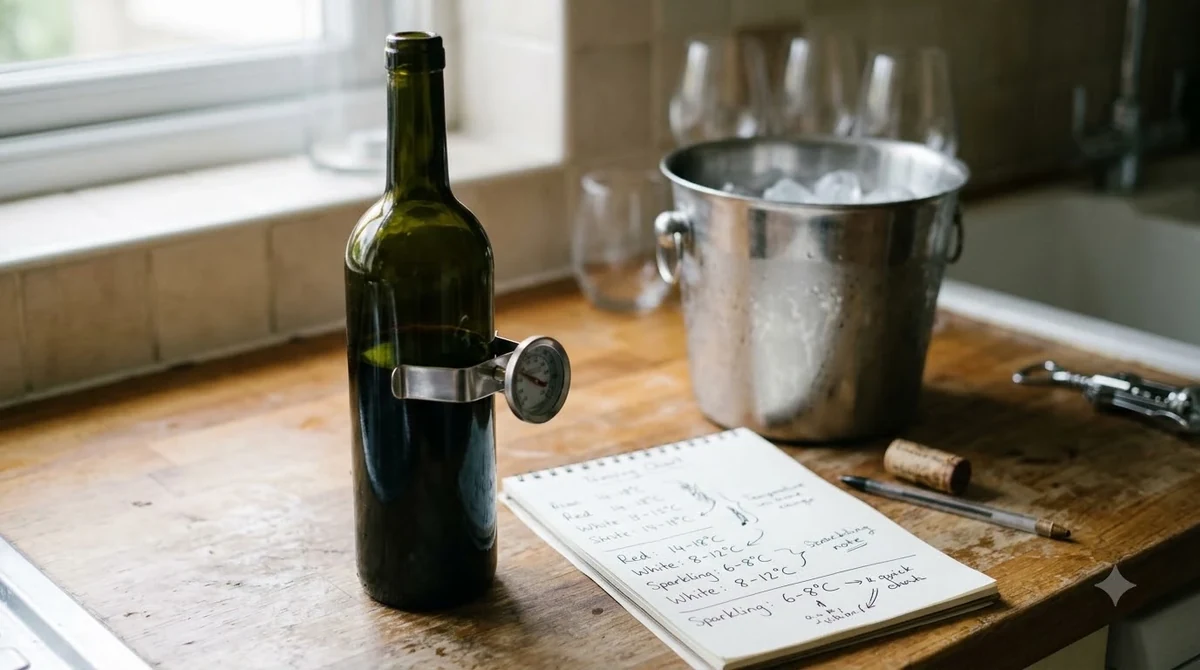
Serve white and sparkling wines properly chilled, while light red wines should be slightly cooler than ordinary room temperature. A 5-ounce pour is a useful standard serving, and a 750-milliliter bottle provides approximately five glasses.
Temperature affects how a wine’s acidity, aromas, alcohol, and sweetness are perceived. A sparkling wine served too warm can seem less refreshing, while an excessively cold white can lose some of its aromatic character.
For pho, these temperature ranges provide a practical starting point:
- Sparkling wine: 40–50°F.
- Dry Riesling and Sauvignon Blanc: 45–50°F.
- Grüner Veltliner and Pinot Blanc: 45–50°F.
- Pinot Noir and Gamay: 55–60°F.
- Full-bodied white wine: 50–55°F.
Place white or sparkling wine in the refrigerator before the meal. If it needs additional chilling, a short period in an ice bucket can help. Red wines can be refrigerated briefly before serving if they are warmer than the recommended range.
There is no need to decant most young Pinot Noir or Gamay before serving pho. These wines are generally enjoyable shortly after opening. Young, full-bodied reds may benefit from 30–60 minutes of decanting, but such wines are not usually the first choice for this dish.
Storage also influences the quality of the bottle. Unopened wine should generally be stored on its side in a cool, dark location near 55°F, with minimal temperature fluctuations. Once opened, sparkling wine typically retains its best qualities for approximately 1–3 days with a suitable closure. Still wines generally last around 3–5 days when refrigerated and properly sealed.
When selecting a bottle, focus on style rather than prestige or price. A straightforward Brut Cava can be more appropriate than an expensive, intensely oaked white. Likewise, a fresh Beaujolais can outperform a powerful red Burgundy if the latter has too much body for the broth.
For a meal shared by several people, consider serving two different styles. A bottle of Brut Cava and a bottle of dry Riesling provide useful alternatives for guests who prefer bubbles or still wine. Both are versatile enough to accompany the herbs, meat, and savory broth without requiring separate pairings for every ingredient.
Wine selection also becomes easier when the meal includes other dishes. Richer meat preparations may need a different structure than pho, while salty and intensely flavored foods introduce additional considerations. For example, the principles behind what wine goes with blue cheese illustrate why sweetness, acidity, and intensity must be considered together rather than choosing a wine solely by its grape variety.
Frequently Asked Questions
What wine do Vietnamese restaurants commonly serve with pho?
There is no single traditional wine served universally with pho, since tea and other nonalcoholic beverages are common accompaniments. Wine-focused restaurants may offer Cava, Riesling, or Pinot Noir as pairing options. The selection often depends on the restaurant’s menu and the style of broth.
Is rosé wine suitable for pho?
Yes, dry rosé can work particularly well with lighter chicken pho and beef pho containing plenty of fresh herbs. Choose a pale, refreshing style with good acidity rather than a heavily structured rosé. A dry Provençal-style rosé is a useful starting point.
Can orange wine pair with Vietnamese pho?
Some lighter orange wines can complement pho, particularly when the broth contains richer beef flavors and the bowl has substantial aromatic herbs. Skin-contact Pinot Gris and other restrained white varieties can offer savory and tea-like notes. Avoid strongly tannic orange wines if the broth is delicate.
Should wine be served before or during a bowl of pho?
Wine can be served alongside the entire meal rather than reserved for a separate course. A small initial sip before the first spoonful helps establish the wine’s flavor, while alternating small sips with broth makes it easier to assess the pairing. Sparkling wines are particularly suitable for this style of service.
Does vegetarian pho require a different wine pairing?
Vegetarian pho often relies on mushrooms, roasted vegetables, and spices for its savory character instead of beef or chicken bones. Dry Riesling and Grüner Veltliner remain excellent options because their freshness complements vegetable broth and herbs. Mushroom-heavy versions can also work with a light Pinot Noir or Gamay.
For most bowls, dry Riesling and Brut Cava are the safest answers to the question of what wine goes with pho, while Pinot Noir and Gamay provide satisfying alternatives for red wine drinkers. Match the wine to the broth, keep tannins modest, and adjust sweetness and alcohol to accommodate your preferred condiments. With those principles in mind, a simple bowl of beef or chicken pho can become an excellent wine-pairing meal.
More in Food & Wine Pairing
 Risotto With White Wine Recipe: Make a Creamy Dinner at HomeUpdated Nov 20, 2026
 Wassail With Wine Recipe for a Festive Spiced Holiday DrinkUpdated Nov 20, 2026
 Spritz Veneziano Recipe: Make a Classic Venetian Aperitivo at HomeUpdated Nov 20, 2026
 Summer Wine Punch Recipe for Easy Homemade EntertainingUpdated Nov 20, 2026
 Bishop Recipe: How to Make a Bright, Citrus-Forward Red Wine CocktailUpdated Nov 20, 2026
 Wine Cupcakes Recipe: Bake Rich Chocolate Cupcakes at HomeUpdated Nov 20, 2026