

We may earn a commission when you buy through links on this page, at no extra cost to you. Learn more.
What wine goes with mushroom risotto? Pinot Noir is the best all-around choice because its earthy aromas, gentle tannins, and refreshing acidity complement mushrooms, butter, and Parmesan. For a white wine, choose Chardonnay, particularly an aged or lightly oaked style. Italian reds such as Barbera and Dolcetto also work beautifully, while aged Chenin Blanc and Riesling offer interesting alternatives for richer preparations.
Mushroom risotto is one of the more rewarding dishes to pair with wine because it brings together several flavors and textures. Mushrooms contribute savory depth, short-grain rice creates a creamy consistency, and butter and Parmesan add richness and saltiness. The right wine should complement those characteristics without overwhelming the delicate rice or masking the mushrooms. Whether the dish features everyday cremini mushrooms, dried porcini, wild mushrooms, or fragrant truffles, there are excellent red and white options to consider.
Why Mushroom Risotto Needs the Right Wine
Mushroom risotto calls for a wine that balances earthy flavors with creamy richness. Its combination of umami, starch, butter, and Parmesan makes acidity, moderate body, and savory aromas particularly useful pairing qualities.
Mushrooms contain umami, the savory taste associated with foods such as aged cheese, soy sauce, and cooked meat. This quality gives mushroom risotto its depth, especially when the mushrooms are browned before being incorporated into the rice. Wines with earthy aromas, gentle spice, and restrained fruit can complement those flavors instead of competing with them.
The second consideration is texture. Risotto becomes creamy through the gradual release of starch from short-grain rice, usually Arborio or Carnaroli. Butter and grated Parmesan are commonly stirred in at the end, producing a rich consistency that can make a low-acid wine seem heavy. A wine with good acidity refreshes the palate between spoonfuls and helps the meal remain balanced.
Saltiness also matters. Parmesan brings a savory, nutty character that can soften the perception of tannin in a wine. However, a young, strongly tannic Cabernet Sauvignon may still overpower a relatively delicate mushroom preparation. A lighter red such as Pinot Noir usually offers a better balance.
Preparation changes the final decision. A simple risotto with button mushrooms needs a gentler wine than one containing dried porcini, wild mushrooms, or black truffle. Cream, garlic, thyme, shallots, and additional cheese can also shift the balance. The most reliable approach is to match the wine to the finished dish rather than selecting it based on mushrooms alone.
Pinot Noir: The Best Red Wine for Mushroom Risotto
Pinot Noir is the classic red wine pairing for mushroom risotto because its earthy aromas, red-fruit character, high acidity, and low-to-medium tannin complement the dish without overpowering it. Look for cool-climate examples with restrained oak and a savory finish.
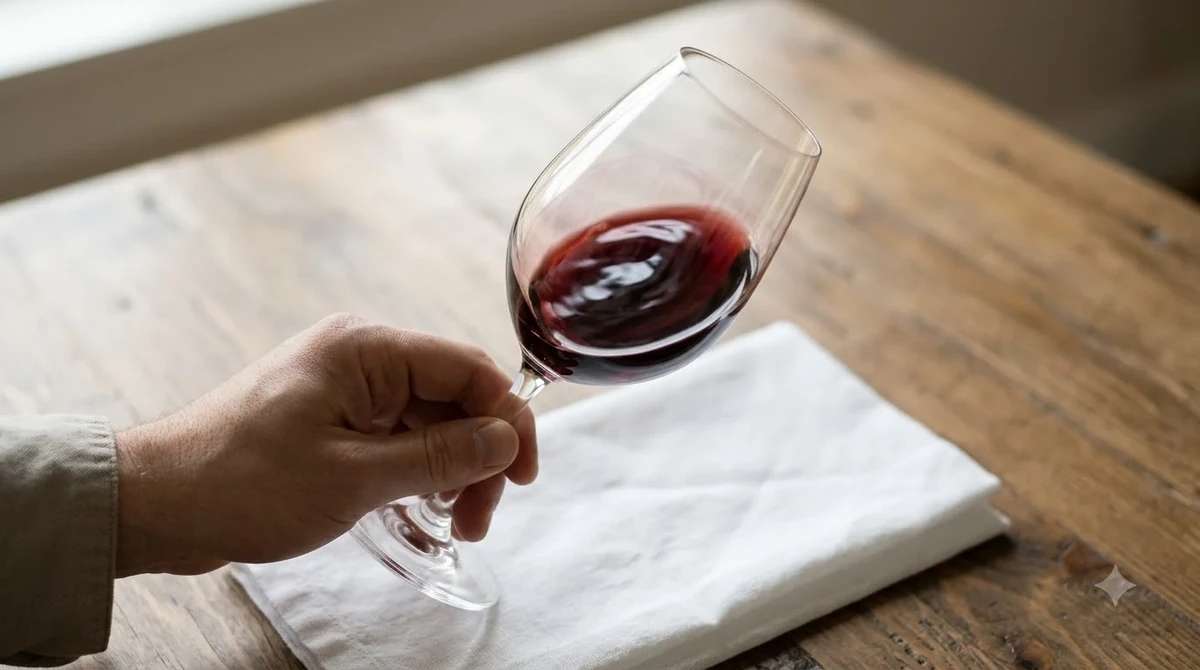
Good Pinot Noir can offer aromas of red cherry, cranberry, raspberry, forest floor, dried leaves, and subtle spice. These characteristics make it particularly compatible with browned mushrooms and the savory depth of Parmesan. The wine’s freshness also provides a useful contrast to the buttery consistency of the rice.
Good regions to consider include Burgundy in France, Oregon’s Willamette Valley, and California’s cooler coastal growing areas. Burgundy often provides restrained red fruit and earthy complexity, while Oregon examples can combine bright acidity with cherry and mushroom-like notes. California Pinot Noir varies by growing area, so cooler-climate styles are especially useful when the risotto is delicate.
Serving temperature is important. Light-bodied Pinot Noir generally shows best between 55 and 60°F. A slightly cool serving temperature preserves freshness and prevents alcohol from becoming too prominent alongside the warm, creamy rice.
Pinot Noir is particularly effective with cremini mushrooms, shiitake mushrooms, and porcini. It also works with recipes containing thyme, garlic, shallots, and a moderate amount of Parmesan. If the dish includes bacon or pancetta, its acidity and fruit can provide an additional contrast to the salty, smoky ingredients.
Decanter’s risotto and wine pairing recommendations explain why mushroom preparations can work with earthy, mature whites as well as reds. Pinot Noir remains a dependable starting point for anyone who prefers red wine with the dish.
Choose a relatively light Pinot Noir rather than an especially concentrated, heavily extracted bottle. The goal is to complement the mushroom flavors, not replace them with excessive oak, alcohol, or dark fruit.
Chardonnay and Other White Wines for Creamy Risotto
Chardonnay is the leading white wine choice for creamy mushroom risotto because its medium acidity, rounded texture, and potential buttery and nutty flavors complement the rice and Parmesan. A lightly oaked or aged bottle is especially suitable for recipes with generous butter and cheese.
Chardonnay offers considerable stylistic variety. Unoaked versions tend to emphasize citrus, apple, pear, and mineral characteristics, while oak-aged examples can develop notes of vanilla, toast, hazelnut, and baking spice. Both styles can work, but the best choice depends on the dish.
For a relatively light mushroom risotto, try an unoaked Chardonnay or a restrained white Burgundy. These wines provide enough freshness to balance the starch without introducing excessive oak flavors. For a richer recipe with extra butter, cream, or aged Parmesan, a fuller Chardonnay can provide a more harmonious texture.
Chardonnay from Burgundy, particularly the Mâconnais and other suitable areas, is a useful starting point. California Chardonnay can also work, especially when its oak treatment and richness remain balanced by acidity. Avoid choosing a very heavy, intensely buttery wine for a simple mushroom risotto because it may make the entire combination feel too rich.
Chardonnay is not the only appropriate white. Several other grapes offer excellent alternatives:
- Chenin Blanc: Its lively acidity, apple and quince flavors, and occasional honeyed or earthy characteristics work with Parmesan and mushrooms.
- Riesling: A dry, mature Riesling can provide citrus freshness, mineral character, and developing savory aromas that complement earthy ingredients.
- Grüner Veltliner: Its fresh acidity, subtle pepper, and herbal notes can work especially well with mushroom risotto containing thyme or parsley.
- Gavi: This Piedmont white offers a fresh, restrained profile that suits straightforward risotto preparations.
- Verduzzo: This Friuli grape offers an Italian alternative for earthy mushroom dishes, particularly when a distinctive regional pairing is desired.
Decanter’s sommelier recommendations include aged Riesling, Grüner Veltliner, Chenin Blanc, and Chardonnay for mushroom and Parmesan preparations. The recommendations emphasize that the ingredients and preparation should guide the choice of wine rather than a strict red-versus-white rule. Its discussion of Italian wines also identifies Verduzzo and Vitovska from Friuli as interesting options.
For serving, lighter whites are generally best at 45 to 50°F, while fuller-bodied Chardonnay is better at 50 to 55°F. Allow a bottle that has been chilled too thoroughly to warm slightly in the glass so its aromas become more apparent.
Italian Red Wines: Barbera, Dolcetto, and Nebbiolo
Italian red wines are natural companions for mushroom risotto, particularly when the recipe includes porcini, aged Parmesan, or truffle. Barbera offers bright acidity, Dolcetto provides approachable fruit, and Nebbiolo brings greater structure and savory complexity.
Barbera is one of the most practical alternatives to Pinot Noir. This Piedmont grape is known for its high acidity and relatively low tannin. Its flavors commonly include sour cherry, red plum, blackberry, and subtle spice. That freshness works well against the butter and Parmesan, while its fruit provides an appealing contrast to the mushrooms.
Consider Barbera d’Asti or Barbera d’Alba when preparing a risotto with browned cremini mushrooms, porcini, or roasted garlic. The wine’s acidity makes it particularly useful when the dish has a generous amount of butter. A moderately structured example is preferable to an intensely concentrated style.
Dolcetto is another approachable choice. Compared with Barbera, it generally offers softer acidity and more immediately accessible dark-fruit flavors. It can work with simple mushroom risotto, especially when the recipe includes herbs and moderate amounts of cheese.
Nebbiolo is better suited to more intensely flavored preparations. Wines made from this grape can display aromas of dried roses, red cherries, tar, licorice, and earthy spices. Barolo and Barbaresco are well-known examples, and mature bottles can develop savory characteristics that complement truffle and porcini.
However, Nebbiolo has high tannin and substantial structure. A young, powerful Barolo can overwhelm a simple risotto made with button mushrooms. A more mature bottle or a less concentrated Langhe Nebbiolo is generally a more practical option. Save the most structured examples for particularly intense truffle preparations.
Other Italian options include lighter Valpolicella and selected Sangiovese wines. Their fruit, acidity, and moderate structure can complement mushrooms without dominating the creamy rice.
For light Italian reds, aim for 55 to 60°F. More structured reds can be served between 60 and 65°F, although a slightly cooler temperature can help maintain freshness at the dinner table.
Matching Wine to Porcini, Truffle, and Different Mushrooms
The mushroom variety can change the ideal wine pairing significantly. Mild button mushrooms suit delicate wines, while porcini and truffles can support more complex reds and mature whites with pronounced earthy characteristics.
Button mushrooms have a relatively mild flavor, making them easy to overpower. A straightforward Pinot Noir, unoaked Chardonnay, or fresh Gavi is generally a better match than a powerful Nebbiolo. Keep the wine relatively restrained if the recipe contains only mushrooms, rice, stock, butter, and a little Parmesan.
Cremini mushrooms have a deeper flavor and firmer texture. They can support Pinot Noir, Barbera, and moderately rich Chardonnay. If the mushrooms are browned thoroughly before cooking, their savory character becomes more pronounced, making an earthy red particularly appealing.
Porcini mushrooms have an intense, distinctive aroma. Fresh porcini can contribute a concentrated forest-like flavor, while dried porcini add considerable depth when rehydrated. Pinot Noir remains a dependable choice, but mature Nebbiolo, Barbera, and aged Chardonnay can also work well.
Chanterelles have a more delicate, sometimes fruity and peppery character. A restrained Pinot Noir, dry Riesling, or Chenin Blanc can complement their flavor without introducing too much weight. Their delicate texture makes very tannic wines less desirable.
Black truffle creates a different pairing challenge. Its aromatic intensity can support a more complex wine than an ordinary mushroom risotto. Mature Nebbiolo and aged Chardonnay are useful options, especially when the dish includes generous Parmesan and butter. A mature white Burgundy can provide both texture and savory complexity.
Consider the following guide when selecting a bottle:
| Risotto preparation | Recommended wine | Reason |
|---|---|---|
| Button mushrooms | Pinot Noir or Gavi | Delicate flavors and balanced acidity |
| Cremini mushrooms | Pinot Noir or Barbera | Earthy aromas and refreshing acidity |
| Porcini mushrooms | Pinot Noir or aged Chardonnay | Complements concentrated savory flavors |
| Chanterelles | Dry Riesling or Chenin Blanc | Freshness without excessive weight |
| Black truffle | Mature Nebbiolo or Chardonnay | Matches aromatic intensity and richness |
| Mixed wild mushrooms | Pinot Noir or Barbera | Balances varied earthy flavors |
| Mushroom and bacon | Pinot Noir or Valpolicella | Complements savory, salty ingredients |
These are starting points rather than fixed rules. The proportion of mushrooms, the intensity of the stock, and the amount of cheese can change the result. A simple mushroom risotto with a little Parmesan may need a lighter wine than a version with dried porcini, truffle oil, and additional aged cheese.
Alternative Pairings: Barbera, Fino Sherry, and Sparkling Wine
Beyond conventional Pinot Noir and Chardonnay, Barbera, dry Sherry, and dry sparkling wine provide interesting alternatives for mushroom risotto. Each offers a different way to complement the dish’s savory flavors and creamy texture.
Sherry is an especially interesting option. Produced in Spain, dry styles offer distinctive nutty, savory character, often accompanied by saline and mineral notes. Amontillado and Fino provide different expressions of this style, and both can be considered for mushroom preparations.
The official Sherry Wines recipe specifically pairs mushroom risotto with Amontillado. It uses portobello mushrooms, Arborio rice, shallots, butter, and Parmesan, creating a dish with substantial savory character. The recipe also incorporates Fino Sherry during cooking. Its combination of mushrooms and fortified wine demonstrates that Sherry can be used both in the preparation and alongside the finished dish.
Serve Amontillado slightly chilled, generally around 54 to 57°F. Its concentrated character and nutty profile make it an interesting alternative to conventional Chardonnay or Pinot Noir. For more detail, the Sherry Wines mushroom risotto recipe provides a specific preparation and serving recommendation.
Dry sparkling wine is another possibility. Champagne, traditional-method Crémant, and Cava develop bubbles through a second fermentation in the bottle. Their acidity and carbonation refresh the palate after rich spoonfuls of rice and Parmesan.
Champagne can be particularly interesting with mushroom risotto because its yeast-derived aromas can include bread, toast, and biscuit. These characteristics provide an appealing connection to browned mushrooms and the creamy texture of the dish. A dry Blanc de Noirs or a well-balanced Brut Champagne is a useful starting point.
Italian sparkling wine can work too, although style matters. Prosecco is made primarily from Glera using the tank method and generally has an alcohol content of 11 to 12% ABV. Its fresh fruit and bubbles can complement a lighter mushroom risotto, although a more complex traditional-method sparkling wine is often a stronger match for an especially rich recipe.
Another possibility is an oxidative or skin-contact white. These wines can offer nutty, herbal, and savory characteristics that complement mushrooms. They are more distinctive choices, so they work best when the dish has enough flavor intensity to support them.
For more ideas about balancing savory dishes and wine, the broader principles in our Wine Pairing guide can help with selecting wines for other ingredients and cooking styles.
Serving Temperature, Cooking Wine, and Common Pairing Mistakes
Serving temperature and preparation can make a noticeable difference to the success of a mushroom risotto pairing. Pinot Noir generally benefits from light chilling, Chardonnay needs a little more warmth, and the wine used in cooking should be dry, clean, and suitable for drinking.
Use the following temperature ranges as a practical reference:
| Wine style | Serving temperature | Practical guidance |
|---|---|---|
| Pinot Noir and other light reds | 55–60°F | Serve slightly cool to preserve freshness |
| Fuller-bodied reds | 60–65°F | Allow savory aromas and texture to develop |
| Light white wines | 45–50°F | Keep crispness and acidity prominent |
| Full-bodied Chardonnay | 50–55°F | Allow fuller aromas to emerge |
| Dry sparkling wine | 40–50°F | Preserve freshness and carbonation |
| Sweet white wine | 43–50°F | Suitable for wines with noticeable sweetness |
Cooking wine deserves attention as well. Most mushroom risotto recipes use a small quantity of white wine after the rice has been toasted. The wine deglazes the pan and introduces acidity before the stock is added. A dry Pinot Grigio, Sauvignon Blanc, or unoaked Chardonnay is generally appropriate.
There is no requirement to use the exact same bottle for cooking and serving. However, using wines with compatible flavor profiles can create continuity between the dish and the glass. Avoid sweet wines, heavily oaked whites, and poor-quality cooking wine, which can introduce unpleasant flavors.
Red wine is also possible in mushroom risotto. A light Pinot Noir or Gamay can work when the recipe is designed around a more pronounced mushroom flavor. Decanter’s recommendations for cooking risotto include both crisp, dry whites and light reds, with Pinot Noir and Gamay among the suggested red varieties.
Several mistakes are worth avoiding:
- Choosing excessive tannin: A young Cabernet Sauvignon can dominate delicate mushrooms and creamy rice.
- Ignoring acidity: A soft, low-acid wine may taste heavy alongside butter and Parmesan.
- Choosing excessive oak: Strong vanilla and toast flavors can compete with the mushrooms.
- Serving red wine too warm: Excessive warmth can make alcohol seem more prominent and reduce freshness.
- Ignoring additional ingredients: Bacon, cream, truffle, and lemon can all change the best pairing.
Tip: If you are unsure which bottle to open, choose a moderately styled, cool-climate Pinot Noir served at 55 to 60°F. It is a reliable partner for most mushroom risotto recipes, from simple cremini preparations to richer porcini versions. For a white alternative, choose a balanced Chardonnay served at 50 to 55°F.
Wine portions also matter when planning a meal. A standard serving is 5 ounces, and a 750 ml bottle provides approximately five glasses. For a dinner with four people, one bottle is generally sufficient for a single glass each, while a second bottle gives guests the opportunity to compare a red and a white pairing.
Once opened, still wines generally keep for approximately three to five days in the refrigerator when properly resealed. Sparkling wines typically retain their best qualities for one to three days with an appropriate stopper. Store unopened bottles on their sides in a cool, consistent environment near 55°F when using cork closures.
If the risotto is served with another dish, consider the full menu. For example, a richer meat course may require a different wine from the one selected for the mushroom starter. Our guides to what wine goes with mushroom soup and what wine goes with beef brisket offer useful comparisons for planning a meal around multiple courses.
Frequently Asked Questions
Can you pair mushroom risotto with rosé wine?
Yes. A dry, structured rosé made from Pinot Noir or Sangiovese can work with lighter mushroom risotto. Look for a style with fresh acidity and restrained fruit rather than a sweet, highly aromatic rosé. Serve it between 45 and 50°F.
Does mushroom risotto pair with orange wine?
Yes. Orange wine is made from white grapes fermented with their skins, which can contribute additional tannin, texture, and savory aromas. A restrained skin-contact wine can complement porcini, herbs, and aged cheese. Wines with particularly firm tannins are less suitable for delicate, lightly seasoned risotto.
Can you pair mushroom risotto with Merlot?
Merlot can work, particularly when the recipe includes roasted mushrooms, bacon, or a concentrated mushroom stock. Its medium tannin and softer texture make it more approachable than a strongly structured young Cabernet Sauvignon. Choose a restrained Merlot without excessive oak or jammy fruit.
What wine pairs with mushroom risotto made without dairy?
A dairy-free mushroom risotto often has less richness because it does not contain butter or Parmesan. Pinot Noir, Barbera, and dry Chenin Blanc remain useful options, while a crisp Vermentino can work with a lighter preparation containing parsley and lemon. The best choice depends on the mushroom intensity and the vegetable stock used.
Does mushroom risotto pair with sake instead of wine?
Yes. Junmai sake is a particularly interesting alternative because its rice-based character and savory qualities can complement mushrooms and Parmesan. It can be served lightly chilled or closer to room temperature, depending on its style. A fuller, umami-rich example is particularly suitable for porcini preparations.
For most mushroom risotto recipes, Pinot Noir is the safest red wine choice, while Chardonnay is the strongest all-purpose white alternative. Barbera, mature Nebbiolo, Chenin Blanc, and Amontillado provide additional possibilities depending on the mushrooms and preparation. Choose a wine with enough freshness to balance the creamy rice and enough character to complement the earthy ingredients, and the pairing will feel natural from the first spoonful to the last.
More in Food & Wine Pairing
 Risotto With White Wine Recipe: Make a Creamy Dinner at HomeUpdated Nov 20, 2026
 Wassail With Wine Recipe for a Festive Spiced Holiday DrinkUpdated Nov 20, 2026
 Spritz Veneziano Recipe: Make a Classic Venetian Aperitivo at HomeUpdated Nov 20, 2026
 Summer Wine Punch Recipe for Easy Homemade EntertainingUpdated Nov 20, 2026
 Bishop Recipe: How to Make a Bright, Citrus-Forward Red Wine CocktailUpdated Nov 20, 2026
 Wine Cupcakes Recipe: Bake Rich Chocolate Cupcakes at HomeUpdated Nov 20, 2026