

We may earn a commission when you buy through links on this page, at no extra cost to you. Learn more.
What wine goes with moussaka? Agiorgitiko from Nemea, Greece, is an excellent choice because its bright acidity, juicy red fruit, and soft tannins complement the spiced meat sauce, roasted eggplant, and creamy béchamel. Xinomavro from northern Greece is another excellent option if you prefer more acidity and structure. If Greek wine is unavailable, try Chianti, Nero d’Avola, or a medium-bodied Grenache. The best bottle should balance the dish’s richness without overwhelming its delicate vegetable layers.
Moussaka is one of Greece’s most recognizable baked dishes, combining savory meat, tender eggplant, tomato sauce, warm spices, and a golden layer of béchamel. These ingredients create several different pairing challenges in one serving. The meat needs enough wine structure, the tomatoes benefit from acidity, and the creamy topping calls for moderate tannins. Fortunately, Greek wine offers several natural matches. Understanding the differences between the main grapes, alternative regions, and cooking styles makes choosing a bottle considerably easier.
Agiorgitiko Is the Best Starting Point for Moussaka
Agiorgitiko is an especially good match because it combines ripe red-fruit flavors, approachable tannins, and refreshing acidity. Its texture complements the creamy topping while its fruit and savory character work with the meat and tomato layers.
Agiorgitiko is a red grape traditionally associated with Nemea in the Peloponnese region of southern Greece. Wines made from this variety can range from fresh, approachable reds to more concentrated, oak-aged examples. For moussaka, a fresh or moderately structured style is generally the most versatile choice.
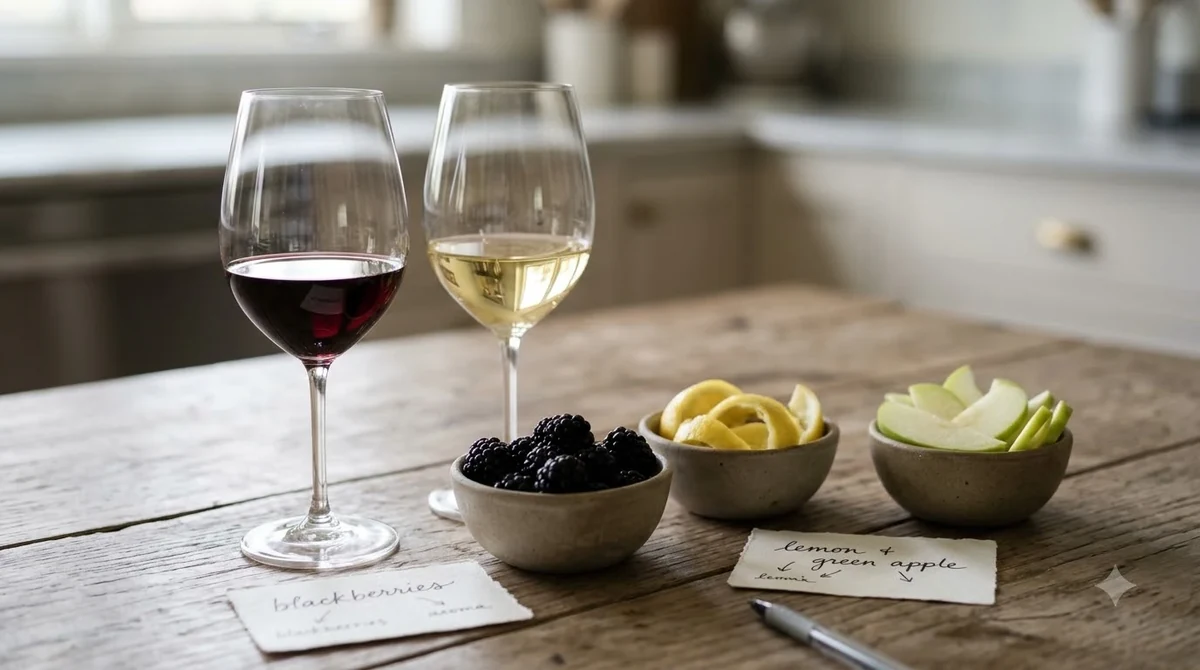
The grape’s fruit profile often includes cherry, raspberry, plum, and sometimes blackberry. These flavors complement browned lamb or beef without competing with the eggplant. Its relatively soft tannins also make it more accommodating alongside a thick dairy-based sauce than a heavily structured Cabernet Sauvignon.
Another advantage is acidity. Tomato sauce introduces a bright, sometimes sharp flavor into moussaka. A wine with insufficient acidity can seem flat beside it, whereas a lively red retains its freshness throughout the meal. Agiorgitiko provides a useful balance between fruit, acidity, and moderate structure.
Wine Enthusiast highlights Agiorgitiko as a particularly suitable pairing for moussaka, pointing to its silky tannins, brightness, and tomato-leaf-like character. These qualities connect naturally with the dish’s tomato sauce, eggplant, and savory seasoning. Its discussion of the pairing also emphasizes the relationship between the wine’s texture and the richness of béchamel and cheese. Read the Wine Enthusiast recommendations for Greek food and wine pairings for additional regional combinations.
For the best result, look for a younger Agiorgitiko with fresh fruit and restrained oak. A lighter-bodied example can also be served slightly chilled, especially when the moussaka is particularly rich or the weather is warm.
Xinomavro Offers More Acidity and Structure
Xinomavro is an excellent alternative for people who enjoy more savory, structured reds. Its pronounced acidity and firmer tannins can complement tomato-rich meat sauce, although a softer, more approachable example is preferable alongside creamy béchamel.
Xinomavro is strongly associated with northern Greece, particularly Naoussa. It is known for its savory character and distinctive acidity, making it a useful choice for hearty Mediterranean cooking. Compared with Agiorgitiko, it generally offers a more assertive structure and a less immediately plush impression.
Its flavor profile can include sour cherry, dried tomato, herbs, earthy notes, and spice. These characteristics complement the lamb, oregano, cinnamon, and tomato components of moussaka. The acidity is particularly useful when the recipe contains a generous amount of tomato sauce.
However, the style matters. A young, highly tannic Xinomavro can make the creamy topping seem less pleasant and can dominate the eggplant. Look for a balanced bottling or one with some bottle age if you prefer this grape. The goal is to retain its savory character without introducing excessive astringency.
Naoussa Xinomavro is a particularly interesting option for traditional meat-based moussaka. Its northern Greek origins also make it an appealing regional pairing. If you enjoy structured Italian reds such as Sangiovese or Aglianico, this grape is worth exploring.
For a useful comparison, Agiorgitiko is generally the easier choice for a mixed group of diners, while Xinomavro is more suitable for people who appreciate firm acidity and a pronounced savory profile.
How Eggplant, Meat, Tomato, and Béchamel Affect the Pairing
Moussaka is not simply a lamb dish, so choosing wine based only on the meat can lead to an unbalanced combination. Eggplant, tomato, spices, and béchamel each influence how the wine tastes.
Eggplant brings earthy, roasted flavors
Eggplant develops a soft, savory character when roasted or fried. Its mild earthiness works well with reds that offer fresh fruit and herbal complexity rather than aggressive oak or excessive alcohol.
Roasted eggplant also has a relatively delicate texture. A powerful, heavily tannic red can overwhelm it, particularly when the vegetable layer is substantial. Agiorgitiko, Pinot Noir, and medium-bodied Grenache offer more suitable levels of intensity.
Lamb and beef need moderate structure
Traditional moussaka frequently uses ground lamb, although beef is also common. Lamb contributes savory depth and richness, making a medium-bodied red a natural companion. Its browned flavors work particularly well with cherry, plum, pepper, and Mediterranean herb notes.
Beef versions can support slightly firmer reds, especially when the meat sauce is concentrated. However, the béchamel remains part of the dish, so there is little reason to automatically choose a heavily tannic wine. A balanced Merlot or Sangiovese can be more successful than a powerful Cabernet Sauvignon.
Tomato sauce calls for acidity
Tomatoes bring acidity and savory intensity. Wine with equally good or higher acidity is usually more successful because it remains lively rather than tasting dull beside the sauce.
This is one reason Xinomavro and Sangiovese work well. Both can offer the freshness needed to accompany tomato-based cooking. Agiorgitiko also provides a pleasing combination of fruit and acidity, especially in fresher styles.
Béchamel favors softer tannins
The creamy topping is one of the most important considerations. Butter, milk, flour, eggs, and cheese create a rich texture that can make strongly tannic wines feel rough or drying.
Moderate tannins are generally more comfortable. Merlot and Agiorgitiko are useful options because they can provide enough body for the meat without creating an excessively drying finish.
The same principle applies to cheese. Salt and fat can soften the perception of tannin, but the overall combination still benefits from a wine with balance rather than excessive extraction.
Best Wine Alternatives When Greek Reds Are Unavailable
You do not need a Greek bottle to enjoy moussaka. Several Italian, French, and American wines provide similar combinations of acidity, fruit, and moderate tannins.
Chianti and other Sangiovese-based wines: Sangiovese is a particularly dependable alternative because its acidity complements tomato sauce, while its cherry fruit and savory herbal character work with lamb and oregano. Chianti is a natural place to start. Choose a balanced example rather than an especially concentrated, heavily oaked version.
Nero d’Avola: This Sicilian red often offers dark cherry, plum, and warm spice. Its generous fruit complements browned meat and cinnamon seasoning. Choose a fresher, medium-bodied style rather than one with excessive alcohol or oak.
Aglianico: This southern Italian grape offers acidity, structure, and savory depth. It can be particularly successful with beef moussaka or a concentrated lamb sauce. However, some examples have substantial tannins, so a softer or more mature style is preferable alongside béchamel.
Grenache: Grenache provides ripe red fruit, moderate tannins, and a warm Mediterranean character. A Southern Rhône red can be a practical alternative, especially when the recipe includes garlic, oregano, and cinnamon. Avoid especially high-alcohol examples if the dish contains noticeable chile heat.
Carignan: Carignan offers acidity, dark fruit, and savory notes that work well with tomato-based meat dishes. It can be a particularly interesting alternative when you want something less familiar than standard Italian reds.
Merlot: Merlot is a useful option for people who prefer softer reds. Its medium tannins and rounded fruit can complement the creamy topping and savory meat. Choose a medium-bodied example with sufficient freshness rather than an excessively rich, heavily oaked bottling.
Pinot Noir: Pinot Noir works especially well with vegetable-forward moussaka or versions containing less meat. Its lower-to-medium tannins and high acidity allow the eggplant and tomato flavors to remain prominent. Oregon and Burgundy are two regions worth considering.
Fiona Beckett of Matching Food & Wine also identifies Agiorgitiko, Xinomavro, Aglianico, Negroamaro, Nero d’Avola, Zinfandel, and Carignan as possible pairings. Her recommendations reinforce the usefulness of Mediterranean reds with this Greek casserole. Her moussaka wine-pairing recommendations also include fuller-bodied white Grenache and orange or amber wine for people who prefer alternatives to red.
For further comparisons with other substantial meat dishes, see our guide to what wine goes with beef brisket. The same general principles of balancing meat richness, acidity, and tannin can help when selecting a bottle.
Can White Wine and Rosé Work With Moussaka?
Red wine is the most straightforward choice, but white wine and rosé can also work. The key is choosing enough body and flavor intensity to stand alongside roasted eggplant, tomato sauce, and creamy béchamel.
White Grenache
White Grenache is a useful option for people who do not drink red wine. Its fuller texture can complement the richness of béchamel, while its fruit character provides contrast with roasted eggplant and savory meat.
Choose a dry example with good freshness. Very light, delicate whites can disappear beside a substantial serving of moussaka, particularly when the dish contains a large amount of lamb or beef.
Chardonnay
Chardonnay can work, especially when it has a medium body and a balanced level of acidity. A lightly oaked or unoaked example is generally easier to pair than a heavily buttery, high-alcohol style.
Its apple, citrus, and sometimes subtle nutty flavors can complement the creamy topping. The wine should retain enough freshness to balance the tomato sauce rather than simply matching the dish’s richness.
Orange wine
Orange wine is made from white grapes fermented with some or all of their skins. This technique can produce wines with deeper color, more texture, and a noticeable savory or herbal character.
These characteristics can make orange wine an interesting partner for roasted eggplant. A dry, moderately structured example can connect with the vegetable’s earthy flavor while providing enough texture for the other layers.
Fiona Beckett specifically identifies orange or amber wine as an adventurous alternative for eggplant-based dishes. This is particularly useful if your moussaka is vegetable-forward rather than dominated by meat.
Dry rosé
A dry Mediterranean rosé is another practical choice, particularly for summer meals. Look for a rosé with enough concentration to complement the meat sauce, rather than an extremely delicate style designed mainly for light appetizers.
Agiorgitiko rosé is worth considering because it brings a connection to the same grape used in the recommended red pairing. Its freshness can make it particularly pleasant with lighter versions of the casserole.
Tip: If you are serving both moussaka and a selection of Greek appetizers, a medium-bodied Agiorgitiko is a versatile red choice. If the meal includes substantial seafood or lemon-dressed salads, consider adding a crisp white such as Assyrtiko rather than expecting one bottle to suit every dish.
Choose Wine According to the Moussaka Recipe
Not every moussaka tastes the same. The amount of meat, the cooking method, the seasoning, and the thickness of the béchamel can all change the ideal wine choice.
For a traditional lamb version with tomato sauce and cinnamon, Agiorgitiko is the most reliable starting point. Its fruit complements the meat, while its softer tannins respect the creamy topping.
For a beef-heavy version with a concentrated tomato sauce, try Xinomavro, Chianti, or a balanced Aglianico. These wines have the acidity and savory character needed to stand alongside a more intense meat layer.
Vegetarian moussaka often places greater emphasis on eggplant, potatoes, zucchini, mushrooms, or lentils. In this case, a lighter red such as Pinot Noir or a fresh Agiorgitiko can be more successful than a powerful wine. A dry rosé or textured orange wine is also worth considering.
For a version with extra cinnamon, allspice, or nutmeg, choose a red with ripe fruit and a gentle spice profile. Grenache and Nero d’Avola can work particularly well. Avoid wines with excessive alcohol, as warm spices and chile heat can make alcoholic warmth more noticeable.
Cheese content matters, too. A generous amount of Parmesan, Pecorino, or another salty cheese adds savory intensity. Moderate tannins and fresh fruit help maintain balance. If the topping is especially rich, avoid choosing a wine solely because it has a powerful flavor.
The following table provides practical starting points for common versions of the dish.
| Moussaka style | Recommended wine | Why it works |
|---|---|---|
| Traditional lamb | Agiorgitiko | Soft tannins, red fruit, and freshness |
| Beef and tomato | Xinomavro | High acidity and savory structure |
| Extra-rich béchamel | Merlot | Medium tannins and rounded fruit |
| Vegetarian eggplant | Pinot Noir | High acidity and lighter tannins |
| Extra cinnamon and spice | Grenache | Ripe fruit and Mediterranean spice |
| Concentrated tomato sauce | Chianti | Bright acidity and savory cherry |
| White-wine preference | White Grenache | Fuller texture and food-friendly character |
| Summer vegetable version | Dry rosé | Freshness and moderate flavor intensity |
These are starting recommendations rather than strict rules. A particularly rich vegetarian casserole may need more body than a lighter lamb version. Likewise, a tomato-heavy recipe benefits from more acidity than one with a relatively small amount of tomato sauce.
For more guidance on adjusting wine choices to different ingredients and preparation methods, explore our Wine Pairing resources.
Serving Temperature, Glasses, and Dinner Planning
Serving temperature has a noticeable effect on how wine tastes with moussaka. A slightly cool red can feel fresher and more balanced, while an overly warm bottle may emphasize alcohol and make the combination seem heavy.
For Agiorgitiko and other lighter reds, aim for approximately 55–60 F. Medium-bodied reds such as Grenache and Chianti are generally comfortable at 60–65 F. Xinomavro can also be served toward the cooler end of the full-red range if it is particularly structured.
Full-bodied reds should generally be served around 60–65 F rather than at a warm room temperature. This is particularly important in warmer climates, where an indoor dining room may be considerably hotter than a traditional European cellar.
White wines and rosés should be served cooler. Light whites and rosés are best around 45–50 F, while fuller-bodied whites such as Chardonnay generally benefit from 50–55 F. These temperatures preserve freshness without suppressing every aromatic detail.
How much wine should you serve?
A standard wine pour is approximately 5 ounces. A 750 ml bottle contains about 25.4 fluid ounces, providing roughly five standard glasses. For a dinner with four adults, one bottle may be sufficient if wine is served moderately and other drinks are available.
For a larger gathering, plan around the number of guests who will drink wine rather than simply the total number of people attending. If moussaka is the main course and the dinner lasts several hours, having a second bottle available is sensible.
What glass should you use?
A standard red wine glass with a reasonably broad bowl works well for Agiorgitiko, Xinomavro, and Italian alternatives. It provides enough room for the aromas to develop without requiring specialist glassware.
White wine can be served in a smaller-bowled glass, particularly when the wine is aromatic and intended to be served chilled. A universal wine glass is also perfectly adequate if you are serving several different styles at one meal.
Should you decant the wine?
Most young Agiorgitiko does not require extensive decanting. Simply opening the bottle shortly before dinner is often sufficient. More structured young reds, including some Xinomavro and Aglianico, may benefit from 30–60 minutes of decanting.
Decanting can soften the initial impression of a young, concentrated red and allow its aromas to develop. However, it is not essential for every bottle. Lighter wines are often best enjoyed without prolonged exposure to air.
For a practical dinner schedule, open the red wine while the moussaka rests after baking. This gives the wine time to breathe and allows the casserole’s layers to settle. A 30-minute resting period is useful for helping the casserole hold its shape when sliced.
Serve the moussaka warm rather than piping hot. Excessive heat can make it harder to appreciate the wine’s more subtle fruit and herbal characteristics.
Frequently Asked Questions
Is Greek wine essential for an authentic moussaka pairing?
No. Greek Agiorgitiko and Xinomavro provide excellent regional connections, but the grape variety matters more than the wine’s country of origin. A balanced Italian Sangiovese or French Grenache can provide a similarly successful combination of acidity, fruit, and moderate tannins.
How do you pronounce Agiorgitiko?
Agiorgitiko is commonly approximated in English as ah-yor-YEE-tee-koh. The name is associated with Saint George, reflecting the grape’s Greek heritage. If you are asking for it at a wine shop, saying Nemea Agiorgitiko is a helpful way to communicate the style you want.
Does moussaka traditionally contain potatoes?
Some Greek moussaka recipes include a layer of sliced potatoes beneath or alongside the eggplant, while others emphasize eggplant alone. The choice depends on the recipe and household tradition. Potato-rich versions can feel more substantial, making a fresh, medium-bodied red especially useful.
Can you pair moussaka with sparkling wine?
Yes, although it is not the conventional first choice. A dry traditional-method sparkling wine with good acidity can refresh the palate between bites of creamy béchamel. Cava is one possibility, and its bottle-fermented character provides more texture than many simple sparkling wines.
Should you choose an old or young Agiorgitiko?
A younger, fruit-forward Agiorgitiko is generally the easiest match for everyday moussaka. More mature examples may develop additional earthy and savory characteristics that suit richer recipes, although their oak and tannin levels vary by producer. The choice depends on whether you prefer freshness or greater complexity.
For most traditional moussaka dinners, start with a bottle of Agiorgitiko from Nemea. Its fresh fruit, moderate tannins, and acidity provide a particularly balanced match for the eggplant, tomato, meat, and creamy topping. If you prefer a more structured red, choose Xinomavro; if Greek wine is unavailable, Chianti, Grenache, and Nero d’Avola are dependable alternatives. The best pairing is the one that complements the entire casserole rather than overpowering any single ingredient.
More in Food & Wine Pairing
 Risotto With White Wine Recipe: Make a Creamy Dinner at HomeUpdated Nov 20, 2026
 Wassail With Wine Recipe for a Festive Spiced Holiday DrinkUpdated Nov 20, 2026
 Spritz Veneziano Recipe: Make a Classic Venetian Aperitivo at HomeUpdated Nov 20, 2026
 Summer Wine Punch Recipe for Easy Homemade EntertainingUpdated Nov 20, 2026
 Bishop Recipe: How to Make a Bright, Citrus-Forward Red Wine CocktailUpdated Nov 20, 2026
 Wine Cupcakes Recipe: Bake Rich Chocolate Cupcakes at HomeUpdated Nov 20, 2026