

We may earn a commission when you buy through links on this page, at no extra cost to you. Learn more.
What wine goes with jerk chicken? Off-dry Riesling is one of the best choices because its refreshing acidity and gentle sweetness balance Scotch bonnet heat, smoky grilling, and warm Jamaican spices. A fruity, slightly sweet rosé is another excellent match, particularly for traditional grilled jerk chicken. If you prefer red wine, choose a lightly chilled Pinot Noir or a fruit-forward Grenache rather than a heavily tannic Cabernet Sauvignon.
Jerk chicken presents a different pairing challenge from simply grilled or roasted chicken. Its combination of pepper heat, allspice, thyme, garlic, ginger, and smoke calls for a wine with enough flavor to complement the seasoning without making the heat feel stronger. The best choice also depends on the marinade, cooking method, and side dishes. Understanding a few basic pairing principles makes it easier to choose a bottle that works for the entire meal.
Why Jerk Chicken Needs a Different Wine Pairing
Jerk chicken combines several strong flavors that influence how wine tastes. Scotch bonnet peppers provide heat, allspice and cinnamon contribute warm spice, and grilling adds smoky, savory notes that ordinary roasted chicken does not have.
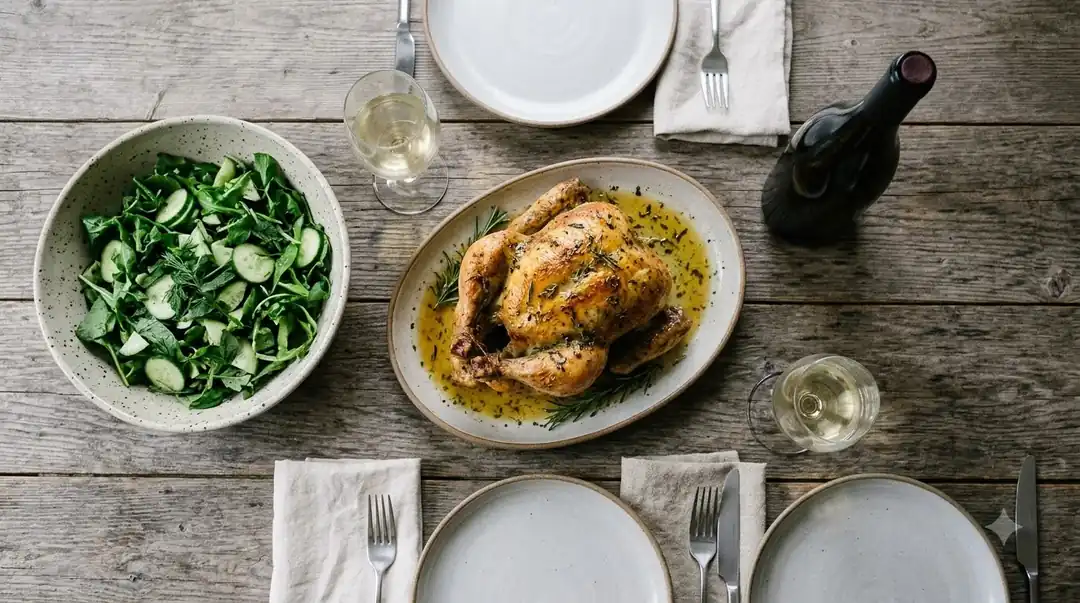
Traditional Jamaican jerk seasoning is built around allspice, thyme, and Scotch bonnet peppers. Depending on the cook, it may also contain garlic, ginger, scallions, black pepper, nutmeg, cinnamon, brown sugar, lime juice, and vinegar. The result is a layered seasoning that can be hot, aromatic, tangy, and slightly sweet at the same time.
That complexity explains why a delicate, neutral white wine can disappear beside a strongly seasoned piece of chicken. At the same time, an intensely alcoholic or tannic red can make the pepper heat feel more aggressive. The goal is to find a wine with enough fruit and freshness to hold its own while keeping the overall combination balanced.
Acidity and moderate sweetness are particularly useful. Acidity refreshes the palate after smoky, oily bites, while a little residual sugar helps soften the sensation of chili heat. This does not mean that every jerk chicken pairing should involve a sweet wine. Rather, the wine should have enough fruit and balance to complement the seasoning.
Wine Enthusiast discusses this principle in its Caribbean food pairing recommendations. Chef Andre Fowles specifically recommends a crisp, fruity, off-dry Columbia Valley rosé for Jamaican jerk chicken, noting that its acidity and slight sweetness can offset the heat of both wet and dry marinades. This is a useful starting point for anyone choosing wine for a traditional jerk meal.
Another important consideration is the strength of the seasoning. Mild jerk chicken with restrained pepper can accommodate a wider range of wines than a heavily marinated version loaded with Scotch bonnet. If the chicken is particularly hot, prioritize lower alcohol, refreshing acidity, and noticeable fruit rather than powerful tannins or oak.
Best Overall Wines for Jerk Chicken
Off-dry Riesling, fruity rosé, and aromatic Gewürztraminer are three dependable choices for jerk chicken. Each offers a different balance of fruit, acidity, and sweetness, making it possible to match the wine to the level of pepper heat and the intensity of the marinade.
Off-dry Riesling: Riesling is an especially reliable option because its naturally high acidity keeps the wine refreshing, while residual sugar can soften the perception of Scotch bonnet heat. Look for a bottle with noticeable apple, peach, citrus, or tropical fruit flavors. A lightly off-dry style is generally more versatile than a very sweet dessert-style Riesling for a complete jerk chicken dinner.
Fruity rosé: Rosé is particularly effective when the chicken is grilled outdoors and served with several side dishes. A cool-climate rosé with bright acidity and a modest touch of sweetness complements the smoky crust without overwhelming the meat. Columbia Valley rosé is a particularly relevant choice because it is specifically recommended for Jamaican jerk chicken by chef Andre Fowles in Wine Enthusiast.
Gewürztraminer: This aromatic white wine can work beautifully with the warm spices in jerk seasoning. Its floral character and flavors of lychee, peach, and exotic fruit complement allspice, ginger, and cinnamon. Choose a dry or slightly off-dry version with sufficient freshness rather than an excessively alcoholic or heavy example.
Other possibilities include Pinot Gris and fruit-forward Chenin Blanc. Both can provide a combination of refreshing acidity and appealing fruit. Their suitability depends on the individual bottle, particularly whether the wine is very dry or has a little residual sweetness.
The following comparison helps narrow the choices according to the food’s intensity and the style of wine you enjoy.
| Wine | Acidity | Sweetness to choose | Best use |
|---|---|---|---|
| Riesling | High | Off-dry | Hot, peppery jerk |
| Rosé | Medium-high to high | Dry to slightly off-dry | Smoky grilled chicken |
| Gewürztraminer | Medium | Dry to off-dry | Strong aromatic seasoning |
| Chenin Blanc | High | Dry to off-dry | Lime and ginger marinades |
| Pinot Gris | Medium to high | Dry to off-dry | Mild to moderately spicy jerk |
| Pinot Noir | High | Dry, fruit-forward | Milder grilled jerk |
| Grenache | Medium | Dry, fruit-forward | Smoky, moderately spicy chicken |
These are general pairing profiles rather than guarantees for every bottle. Winemaking choices, climate, alcohol level, and residual sugar can produce meaningful differences between wines made from the same grape. When comparing two Rieslings, for example, the slightly off-dry bottle will usually be more comfortable with particularly hot jerk seasoning than a bone-dry version.
Tip: If you are unsure how spicy the chicken will be, start with an off-dry Riesling or a fruity rosé. Both offer refreshing acidity and fruit, making them flexible choices for guests with different preferences for chili heat.
White Wines That Complement Scotch Bonnet Heat
White wines are often the easiest choice for spicy jerk chicken because they can combine refreshing acidity, expressive fruit, and moderate alcohol. Riesling is the leading option, but Sauvignon Blanc, Chenin Blanc, and Gewürztraminer also deserve consideration when their individual styles suit the seasoning.
Riesling is particularly useful because its acidity remains refreshing even when the wine has noticeable sweetness. A bottle with green apple, lemon, peach, and floral aromas can provide a pleasant contrast to smoky chicken and warm spices. The sweetness does not need to be pronounced. A modest amount of residual sugar can make a substantial difference when Scotch bonnet peppers are prominent.
German Riesling is a useful category to explore, especially bottles described as off-dry. Some Australian Rieslings are much drier and more citrus-driven, which can work better with milder jerk recipes. For a particularly spicy marinade, the important factor is not the country of origin but the balance of sweetness, acidity, and alcohol.
Sauvignon Blanc is another option, especially when the marinade contains plenty of lime juice or vinegar. Its high acidity and citrus-driven character complement the tangy side of the seasoning. New Zealand and Loire Valley examples often provide recognizable citrus, herb, and green fruit notes that work with thyme and scallions.
However, very dry Sauvignon Blanc can taste sharper beside a hot, pepper-heavy marinade. It is therefore a better choice for a moderate level of jerk seasoning, particularly when lime and fresh herbs are more prominent than chili. A fruitier example may be more comfortable than an extremely lean, austere style.
Chenin Blanc offers another useful balance. Depending on the region and winemaking approach, it can show apple, pear, quince, honey, and citrus flavors. Its naturally high acidity helps refresh the palate, while an off-dry example can provide the sweetness needed for stronger Scotch bonnet seasoning.
Gewürztraminer is worth choosing when the jerk marinade is especially aromatic. The wine’s floral character and exotic fruit can complement ginger, cinnamon, and allspice. It is generally fuller and more intensely aromatic than Riesling, so it is best served with a dish that has enough seasoning to match its personality.
For most dinners, an off-dry Riesling remains the safest white wine recommendation. Sauvignon Blanc works better when acidity and citrus are the dominant food characteristics, while Gewürztraminer is attractive when the warm spices are especially noticeable.
Red Wines That Work With Grilled Jerk Chicken
Red wine can pair with jerk chicken, but the choice requires more attention to tannin and alcohol. Pinot Noir is the most dependable starting point, while Grenache and softer Merlot can work with moderately spicy, smoky preparations.
Pinot Noir generally has low-to-medium tannin and relatively high acidity. These characteristics make it a more comfortable red wine choice than Cabernet Sauvignon for chicken with pepper heat. Its flavors of red cherry, raspberry, cranberry, and subtle earth can complement the grilled surface and herbs without dominating the meat.
Choose a fresh, fruit-forward Pinot Noir rather than a heavily oaked or particularly high-alcohol bottle. Cool-climate examples can be especially attractive because their freshness helps balance the smoky, savory character of grilled chicken. A slightly chilled serving temperature also makes the wine more refreshing alongside a spicy meal.
Grenache is another good possibility. It typically offers red berry fruit, moderate tannin, and sometimes a peppery or herbal character. Those qualities can work with allspice, thyme, and the smoky exterior of jerk chicken. A fruit-forward Grenache from Spain, France, or another established growing region is worth considering.
Grenache-based blends can also work, particularly when the blend emphasizes juicy fruit rather than heavy extraction and strong oak. However, pay attention to alcohol. A powerful, high-alcohol red can intensify the impression of chili heat even if its fruit profile initially seems appropriate.
Merlot offers a softer alternative for people who prefer a more familiar, medium-bodied red. Its medium tannin and plum, black cherry, and herbal notes can complement grilled chicken. Choose a fruit-forward style with restrained oak, especially if the jerk marinade is moderately spicy rather than extremely hot.
Syrah is a more conditional option. Its savory, peppery character can echo the seasoning, but Syrah often has medium-plus to high tannin and a fuller structure. A moderate-alcohol, approachable version can work with a less fiery recipe, especially when the chicken has a pronounced smoky crust.
Cabernet Sauvignon is generally a less suitable choice. Its high tannin can make the combination of chili heat and wine feel harsh, particularly when the chicken is heavily seasoned. A powerful Cabernet with substantial oak and alcohol is likely to overwhelm the meal rather than complement it.
For anyone who prefers red wine, the practical order of preference is Pinot Noir first, followed by a softer Grenache and then a fruit-forward Merlot. The hotter the chicken becomes, the more important it is to avoid strong tannin and excessive alcohol.
Pairing Wine With Jerk Chicken Marinades and Cooking Styles
The seasoning and cooking method can change the best wine choice considerably. A citrus-heavy wet marinade, a concentrated dry rub, and a smoky charcoal-grilled preparation create different flavor profiles, even when all three are described as Jamaican jerk chicken.
Wet jerk marinade: Wet marinades often include lime juice, vinegar, onions, scallions, garlic, ginger, thyme, and Scotch bonnet peppers. The citrus and vinegar introduce noticeable acidity, while the fresh ingredients provide herbal aromas. An off-dry Riesling or aromatic Gewürztraminer can complement these characteristics, particularly when the chili level is substantial.
A recipe published by SBS Food illustrates the complexity of this preparation. Its jerk marinade includes 80 ml of lime juice, 60 ml of cane or rice vinegar, 2 tablespoons of thyme leaves, and 1½ tablespoons of ground allspice. It also uses Scotch bonnet or habanero peppers, ginger, garlic, and brown sugar. These ingredients explain why a wine needs both freshness and enough fruit to complement the seasoning.
Dry-rubbed jerk chicken: A dry rub generally creates a more concentrated seasoning layer on the outside of the meat. Allspice, thyme, black pepper, cinnamon, and nutmeg can become especially prominent as the chicken cooks. A fruity rosé is a versatile choice, while Pinot Noir can work if the rub is not excessively hot.
Charcoal-grilled jerk: Grilling introduces smoke and browned, savory flavors. These characteristics can support a fruit-forward rosé, Grenache, or Pinot Noir. However, the wine should remain refreshing enough to prevent the combination from feeling heavy.
Traditional wood-fired cooking can contribute a distinctive smoky character, and the strength of that smoke matters. Lightly smoked chicken can work with a more delicate Pinot Noir, while intensely smoky pieces may need a fuller-fruited rosé or Grenache.
Oven-baked jerk chicken: Oven cooking may produce less smoke than grilling, although a well-seasoned crust can still provide plenty of flavor. This preparation often allows more flexibility with white wines. Riesling, Chenin Blanc, and Sauvignon Blanc are all possibilities depending on the heat and acidity of the marinade.
For a useful comparison, SBS Food’s Jamaican recipe marinates the chicken overnight and then cooks it on a barbecue, ideally using a wood-fired grill for additional smoky flavor. Its preparation demonstrates how marinating time, fresh ingredients, and cooking method contribute to the finished dish. You can read the SBS Food jerk chicken recipe for a more detailed look at this traditional flavor combination.
The key is to match the intensity of the wine to the intensity of the finished chicken. More smoke does not automatically mean a bigger red wine, and more chili does not mean a sweeter wine is always necessary. Fruit, acidity, tannin, and alcohol should be considered together.
Choosing Wine for Jerk Chicken Side Dishes
Jerk chicken rarely appears alone on the plate. Rice and peas, coconut rice, fried plantains, grilled corn, and fresh lime can all influence which wine works best, sometimes more than the chicken itself.
Rice and peas: This traditional accompaniment commonly combines rice, kidney beans, thyme, and coconut milk. The creamy texture and mild richness make fruity rosé particularly useful. Off-dry Riesling is another strong option because its acidity refreshes the palate while its sweetness complements the softer flavors of the rice.
When the rice is particularly rich in coconut milk, an aromatic white wine can also be attractive. Gewürztraminer offers expressive fruit and floral notes, while Chenin Blanc can provide a balance of acidity and ripe fruit. Avoid very heavy, aggressively oaked whites that compete with the seasoning.
Fried plantains: Sweet, ripe plantains introduce another layer of sweetness to the meal. They can make a very dry wine taste more acidic or austere. An off-dry Riesling or fruit-forward rosé is therefore a sensible match, especially when the chicken itself has substantial chili heat.
The sweetness of the plantains also makes it important to consider the wine’s fruit character. A wine with ripe peach, apple, or red berry notes can complement the side dish without requiring pronounced dessert-like sweetness. The objective is a balanced combination rather than a wine that tastes noticeably sweeter than everything else on the plate.
Grilled corn: Corn introduces mild sweetness and a lightly smoky character. A crisp rosé, Sauvignon Blanc, or Pinot Gris can work particularly well, depending on how much butter and seasoning are added. Butter-rich corn tends to soften the perception of tannin, but there is little reason to choose a heavily tannic red for this meal.
Fresh lime and salads: Lime wedges, cucumber, tomato, and fresh herbs can bring acidity and freshness to a jerk chicken plate. These accompaniments favor wines with enough acidity to match. Sauvignon Blanc and Riesling are particularly useful, although a bright rosé is often the easiest choice for serving alongside several different sides.
If the meal includes a particularly sweet sauce, the wine should also have enough sweetness to remain balanced. The general rule is that wine should be at least as sweet as the dessert or sweet element it accompanies. This does not mean that a sweet plantain requires a dessert wine, but it does explain why a bone-dry wine can sometimes seem harsh next to a noticeably sweet accompaniment.
For a complete pairing, consider the dominant side dish. Coconut rice and peas favor Riesling or rosé, fried plantains work with fruity wines, and lime-heavy salads favor high-acid whites. A single bottle of off-dry Riesling can comfortably cover many of these combinations.
Wine Serving Temperatures and Practical Pairing Tips
Serving temperature has a noticeable effect on the balance of wine alongside spicy jerk chicken. Cool whites and rosé provide refreshing contrast, while lightly chilled red wines can feel less heavy and more approachable than reds served too warm.
For a typical meal, use these serving temperatures:
- Riesling and other light whites: 45–50°F.
- Gewürztraminer and fuller white wines: 50–55°F.
- Rosé: 45–50°F.
- Pinot Noir and other light reds: 55–60°F.
- Fuller-bodied red wines: 60–65°F.
- Sparkling wines: 40–50°F.
For a bottle of off-dry Riesling, 45–50°F is a useful target. At this temperature, the wine remains refreshing and its fruit character can complement the seasoning. Rosé benefits from a similar range, especially during an outdoor barbecue where the ambient temperature can quickly warm the wine in the glass.
Pinot Noir is best served slightly cooler than a traditional room-temperature red. Aim for 55–60°F rather than allowing the bottle to become warm on the dining table. This helps preserve freshness and prevents the alcohol from becoming too prominent beside the chili.
There are several other practical considerations that help make the pairing successful:
- Consider the chili level first. A mild jerk preparation gives you more freedom to choose dry wines, while heavy Scotch bonnet seasoning favors off-dry, fruity styles.
- Pay attention to alcohol. Lower to moderate alcohol is generally more comfortable alongside spicy food than a powerful red with a high alcohol level.
- Avoid excessive tannin. Cabernet Sauvignon and strongly structured Syrah can make a very hot meal feel more aggressive.
- Keep the wine refreshing. High acidity helps the wine remain lively beside lime, vinegar, grilled meat, and rich accompaniments.
- Do not overchill aromatic wines. Excessively cold serving temperatures can mute the floral and fruit aromas that make Gewürztraminer and Riesling appealing.
- Use a standard pour. A 5-ounce glass provides enough wine for a proper pairing without filling the glass to the rim.
If you are hosting a group, serving two different wines is often a practical solution. An off-dry Riesling can accommodate guests who prefer white wine and stronger chili heat, while a fruity rosé gives everyone a versatile alternative. A lightly chilled Pinot Noir can be offered for those who specifically prefer red wine.
For a broader understanding of how acidity, sweetness, tannin, and food intensity interact, the Wine Pairing principles provide a useful foundation for making choices beyond jerk chicken.
These same principles apply to other seasoned chicken dishes, although the exact wine can change with the sauce. For a creamy, aromatic Indian preparation, see what wine goes with butter chicken. For smoky, sweet barbecue sauces, the recommendations in what wine goes with BBQ chicken provide another useful comparison.
Frequently Asked Questions
Does Champagne pair with jerk chicken?
Yes. Brut sparkling wine can work with moderately spicy jerk chicken, particularly when served with fried plantains or crispy grilled skin. Traditional Champagne and Cava undergo their second fermentation in the bottle, creating their characteristic bubbles. Choose a fruit-forward rosé sparkling wine if the meal has pronounced pepper heat, or a slightly sweeter sparkling style if the side dishes are noticeably sweet.
Is Zinfandel a good wine with jerk chicken?
Fruit-forward Zinfandel can work with moderately spicy jerk chicken, particularly when the chicken has a smoky, caramelized exterior. However, many examples have relatively high alcohol and substantial body, which can intensify Scotch bonnet heat. Choose a fresher, less alcoholic example rather than a powerful, heavily extracted bottle.
Can sparkling rosé work with spicy Jamaican chicken?
Yes. Sparkling rosé combines refreshing acidity with carbonation, making it a useful option for grilled chicken and rich accompaniments. Brut rosé is suitable for moderately spicy preparations, while a slightly sweeter sparkling style can work better with hotter seasoning. Serve sparkling wine at approximately 40–50°F.
What wine pairs with leftover jerk chicken served cold?
Cold jerk chicken can pair well with rosé, Riesling, or Sauvignon Blanc, especially when served in a salad or sandwich. The cooler temperature of the chicken can make its seasoning seem less smoky, allowing the wine’s fruit and acidity to become more noticeable. A bright rosé is particularly versatile with leftover chicken accompanied by lettuce, tomatoes, or citrus dressing.
Does oak-aged Chardonnay work with Jamaican jerk chicken?
Heavily oaked Chardonnay is generally not the first choice because its buttery texture and pronounced oak can compete with Scotch bonnet heat and warm spices. A fresher, unoaked Chardonnay can work with a mild jerk preparation, especially when the chicken is served with coconut rice. However, Riesling or rosé is usually a more dependable option for traditional spicy jerk chicken.
For most Jamaican jerk chicken dinners, off-dry Riesling and fruity rosé are the strongest wine choices because they combine refreshing acidity with fruit that balances pepper heat and smoky seasoning. Pinot Noir and Grenache offer appealing alternatives for red wine drinkers, particularly with moderately spicy grilled chicken. Match the wine to the marinade and side dishes, serve it at the right temperature, and you will have a pairing that complements the entire meal.
More in Food & Wine Pairing
 Risotto With White Wine Recipe: Make a Creamy Dinner at HomeUpdated Nov 20, 2026
 Wassail With Wine Recipe for a Festive Spiced Holiday DrinkUpdated Nov 20, 2026
 Spritz Veneziano Recipe: Make a Classic Venetian Aperitivo at HomeUpdated Nov 20, 2026
 Summer Wine Punch Recipe for Easy Homemade EntertainingUpdated Nov 20, 2026
 Bishop Recipe: How to Make a Bright, Citrus-Forward Red Wine CocktailUpdated Nov 20, 2026
 Wine Cupcakes Recipe: Bake Rich Chocolate Cupcakes at HomeUpdated Nov 20, 2026