

We may earn a commission when you buy through links on this page, at no extra cost to you. Learn more.
The best answer to what wine goes with hot dogs is a bright, low-tannin wine such as Riesling, Gamay, or dry rosé, with the toppings guiding the final choice. These wines have enough freshness for mustard, relish, and sauerkraut without burying the savory sausage. For richer dogs piled with chili, bacon, or cheese, choose a juicy red or sparkling wine that can refresh the palate between bites.
Hot dogs look simple, but a New York frank with sauerkraut tastes very different from a Chicago dog covered in pickles or a Sonoran dog wrapped in bacon. The bun, sausage, smoke, condiments, and side dishes all influence the match. Start with the strongest topping, then choose a wine with the right acidity, fruit, body, and tannin.
The Most Versatile Wines for Hot Dogs
For a classic hot dog with a mix of savory sausage and familiar condiments, start with an off-dry Riesling, a juicy Gamay, or a dry rosé. Each brings freshness without the weight or firm tannins that can make a casual cookout pairing feel heavy.
Riesling is especially useful when mustard, sauerkraut, or pickles are involved. Its lively acidity keeps the wine from seeming flat beside tangy toppings, while a small amount of sweetness can soften mustard’s heat. Choose an off-dry style rather than a dessert-sweet bottle; the goal is to take the edge off the condiment, not make the wine taste sugary. Riesling also works with a plain frank because its citrus and orchard-fruit character gives the salty sausage a refreshing counterpoint.
Gamay, most often encountered as Beaujolais, is a reliable red choice. Its red-berry fruit, bright acidity, and generally gentle tannins suit grilled or steamed sausages, onions, and a modest amount of ketchup. Dry rosé is similarly flexible: it has enough fruit for smoky meat and enough acidity for relish or pickles. For a cookout where guests bring several different toppings, those three styles offer a useful starting point rather than forcing one highly structured red to cover every flavor. For more detail on the basic logic behind matching acidity, weight, and flavor, see this guide to Wine Pairing.
Pairing Wine With Mustard, Sauerkraut, Ketchup, and Relish
Condiments often have more influence on the pairing than the frank itself. Mustard and sauerkraut are sharp, ketchup is sweet and acidic, and relish can combine sugar with vinegar; a wine needs enough freshness and fruit to meet those flavors rather than disappear behind them.
Spicy brown mustard is a strong reason to reach for off-dry Riesling. A very dry wine can seem harder or more bitter next to mustard’s pungency, while Riesling’s acidity keeps it lively and its touch of sweetness eases the heat. Sauerkraut points in a similar direction. Its fermented tang and salty bite are comfortable alongside Riesling, including a dry version when the kraut is the main topping and the mustard is restrained. A Portland sommelier quoted by VinePair pairs a mustard-, sautéed-onion-, and sauerkraut-topped hot dog with Riesling, noting that the wine’s aromas echo the kraut.
Ketchup changes the balance because its tomato sweetness and acidity can make a bone-dry wine taste lean. Choose a fruit-forward red such as Gamay, or a rosé with ripe strawberry and cherry notes. Sweet pickle relish also favors fruit, but its vinegar needs a wine with clear acidity. If the dog has both relish and mustard, choose a slightly off-dry Riesling rather than a heavy red. These same principles help with layered spicy meals; the approach to balancing sweet heat in what wine goes with hot pot is useful when a hot dog carries chili oil, jalapeño sauce, or other fiery toppings.
Regional Hot Dog Styles and Their Best Wine Matches
Regional hot dogs bring distinct combinations of smoke, spice, acidity, fat, and texture, so matching a named style can be easier than choosing wine by sausage meat alone. Look at what sits on top: a New York dog is tangy, a Chicago dog is herbaceous and crunchy, and a Sonoran dog is rich and layered.
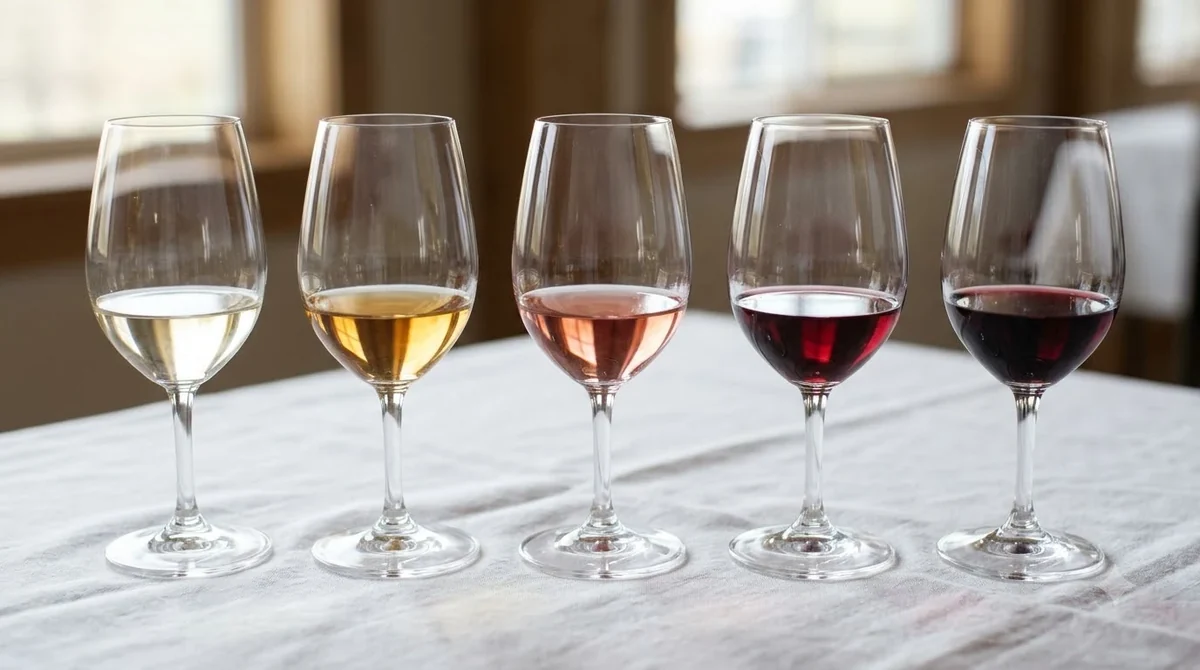
A New York-style dog with spicy brown mustard and sauerkraut is a natural match for off-dry German Riesling. The acidity works with the fermented cabbage, and a touch of residual sugar can soften the mustard without turning the meal into a sweet-and-sour combination. If the dog has tomato-based onion sauce instead of kraut, keep the Riesling bright or move to a juicy Gamay. A Chicago dog takes a different path: tomatoes, pickles, relish, sport peppers, celery salt, and onions bring green, herbal, and acidic notes. Sancerre or another Sauvignon Blanc fits those flavors, while Grüner Veltliner adds a peppery character that makes sense beside crunchy vegetables and peppers.
A Michigan Coney topped with meat sauce, mustard, and onions has more savory depth. Dry Alsace Pinot Gris is one option because its texture and baked-fruit character can stand up to sausage and sauce; a red drinker can choose Beaujolais, Grenache, Primitivo, or Nero d’Avola, ideally with freshness rather than heavy oak. A Cincinnati Coney carries a different flavor profile: cinnamon- and clove-scented chili, mustard, onion, and shredded cheddar. Juicy Grenache is a strong fit because ripe cherry fruit and soft tannins can meet the spice and cheese, while chilled Lambrusco offers bubbles and dark fruit between bites.
The bacon-wrapped Sonoran dog, with pinto beans, avocado, tomato, onion, jalapeño sauce, mustard, and mayonnaise, needs a wine that refreshes instead of competing with every topping. Dry rosé is a practical choice, and rosé Champagne adds bubbles that refresh the palate alongside bacon and mayonnaise. The D.C. half-smoke is smokier and more assertive, often served with mustard, onions, and chili; Syrah or Australian Shiraz can echo its peppery, savory character. These six styles show why the toppings should lead the decision, a principle also reflected in Wine Enthusiast’s regional hot dog pairings.
Red Wines That Work Without Overpowering the Sausage
Red wine can be excellent with hot dogs, but freshness and moderate tannin matter more than sheer concentration. Gamay, Pinot Noir, and Grenache are often safer choices than heavily oaked Cabernet Sauvignon or a very tannic Syrah when the toppings include mustard, vinegar, or pickles.
Gamay offers a particularly useful balance of juicy fruit and brisk acidity. Beaujolais-Villages is a casual match for a grilled beef or pork frank, while a Beaujolais Cru can bring more depth for a dog with browned onions or a savory meat sauce. Serve the bottle slightly cool so the fruit stays lively outdoors. Pinot Noir is another flexible option, especially with a lightly smoked sausage, sautéed onions, or mushrooms. Its lower-to-medium tannin and higher acidity make it less likely to overwhelm the sausage than a firm, structured Cabernet.
Grenache brings riper red fruit and spice, making it a good partner for chili dogs, cheese, and smoky toppings. A young Grenache-based wine from the Southern Rhône is a classic partner for pork sausages, and a California Grenache can work with a Cincinnati-style chili dog. Decanter also lists young Grenache-led reds and Gamay-based Beaujolais Cru among the options for pork sausages; its pork pairing advice is a useful reference for this lighter red-wine approach. Syrah is better reserved for a bolder half-smoke or heavily grilled sausage, where black pepper and savory flavors can match the char. It has more tannin than Gamay or Pinot Noir, so it is less versatile with sharp mustard and pickles. If the chili is genuinely hot rather than gently spiced, choose a lower-alcohol, lower-tannin rosé or off-dry Riesling instead; alcohol and tannin can make chili heat feel more intense. For a smoky beef-heavy cookout plate, similar flavor considerations come up in what wine goes with beef brisket.
White, Rosé, and Sparkling Wines for Loaded Dogs
White, rosé, and sparkling wines are not backup choices for hot dogs; they can be the most precise matches for sharp, spicy, or rich toppings. Sauvignon Blanc, Grüner Veltliner, Riesling, dry rosé, and sparkling rosé each bring a different kind of freshness.
Sauvignon Blanc is most convincing with a Chicago dog or another version loaded with pickles, peppers, tomato, and onion. Its herbal character echoes green toppings, and its high acidity keeps the combination crisp. Sancerre is a classic example, but Sauvignon Blanc from other regions can also work. Grüner Veltliner offers a related option with white-pepper notes; choose it when the dog has celery salt, sport peppers, or crunchy vegetables. If the hot dog has strong mustard, Riesling usually offers a better balance because its fruit and possible hint of sweetness soften the condiment’s pungency.
Dry rosé is the flexible choice for mixed toppings, bacon, or a hot dog served with potato salad. It bridges red-fruit flavors and refreshing acidity, while its moderate body does not overwhelm the sausage. Rosé Champagne is especially effective with a Sonoran dog because the bacon and mayonnaise bring richness, the beans add weight, and the salsa brings acidity and spice. The bubbles refresh the palate, while the wine’s red-fruit notes suit the bacon and tomato. A dry sparkling wine can also work with grilled sausages when the meal includes several sauces and side dishes.
For a smoky half-smoke with mustard, an aged, textured white such as Timorasso can offer an interesting alternative to Syrah. Its savory depth meets the sausage, while freshness still helps with the condiment. An Alsace Pinot Gris is another white to consider for meat sauce and onions, especially if the dog has a rich topping but little vinegar. Avoid choosing a white solely because it is white: acidity, body, sweetness, and flavor intensity still determine whether it suits the specific hot dog.
Serving Temperature and Cookout Planning
Serving temperature can make a bigger difference than changing grape varieties. A wine that is too warm can taste alcoholic and heavy beside a salty sausage, while an over-chilled bottle can hide fruit and texture.
Use these practical ranges as a starting point. Sparkling wine is best at 40–50°F; light whites and rosé at 45–50°F; fuller-bodied whites at 50–55°F; light reds at 55–60°F; and fuller reds at 60–65°F. Riesling, Sauvignon Blanc, Grüner Veltliner, and dry rosé belong in the chilled range. Gamay and Pinot Noir are light reds, so a short time in the refrigerator before serving helps them stay refreshing. For Grenache or Syrah, avoid leaving the bottle in direct sun or beside the grill, where the wine can warm quickly.
| Wine style | Serving temperature | Hot dog match |
|---|---|---|
| Sparkling wine | 40–50°F | Bacon-wrapped Sonoran dog, rich toppings |
| Light white or dry rosé | 45–50°F | Chicago dog, pickles, peppers, mustard |
| Fuller-bodied white | 50–55°F | Meat sauce, onions, savory sausage |
| Light red | 55–60°F | Plain frank, grilled onions, mild chili |
| Fuller red | 60–65°F | Smoky half-smoke or substantial chili dog |
Plan pours and bottle quantities around the meal rather than treating wine like a formal tasting. A standard pour is 5 ounces, and a 750-milliliter bottle provides about five glasses. Offer water as well as wine, especially when the toppings are spicy or salty. Keep unopened bottles in shade and put opened still wines back in the refrigerator between servings; most hold their best quality for about 3–5 days once opened, though a cookout bottle will usually be finished sooner.
Tip: Chill a light red such as Gamay for 20–30 minutes before serving, then pour small glasses as the hot dogs come off the grill. It will feel fresher with mustard, grilled onions, and smoky sausage than a warm, full-bodied red.
Frequently Asked Questions
These quick answers explain sparkling-wine labels such as Extra Dry, the difference between Prosecco and Champagne, and how to choose a wine for a vegetarian frank.
Does “Extra Dry” sparkling wine mean it is drier than Brut?
No. The common sparkling-wine sweetness sequence runs from Brut Nature and Extra Brut to Brut, then Extra Dry, Dry, Demi-Sec, and Doux. Extra Dry is therefore a little sweeter than Brut, despite how its name sounds.
Is all Riesling sweet?
No. Riesling ranges from bone-dry to sweet, and the grape name alone does not tell you the final sweetness. German terms such as “trocken” indicate a dry style, while “feinherb” is commonly used for an off-dry style.
Is Prosecco made the same way as Champagne?
No. Prosecco is made primarily from Glera and commonly uses the tank method for its second fermentation. Champagne and Cava use a second fermentation in the bottle, which creates a different texture and style of bubbles.
Can Lambrusco be dry rather than sweet?
Yes. Lambrusco is made in styles ranging from dry to sweet, and the dry examples can be especially useful with savory foods. Its bubbles and juicy fruit make it a natural candidate for a chili dog with cheddar or onions.
What wine works with a vegetarian hot dog?
Match the wine to the plant-based frank and its toppings, since meat-free sausages vary in seasoning and texture. A grilled mushroom or vegetable-based dog with smoky edges can work with Pinot Noir, while one topped with fresh peppers, herbs, or pickles can suit Sauvignon Blanc. A soy- or wheat-protein frank with sweet barbecue sauce may call for a fruit-forward rosé.
The best hot dog wine is the one that suits the toppings and stays refreshing from the first bite to the last. Keep a bright white, a chilled light red, or a dry rosé on hand, and save more powerful reds for smoky sausages and rich chili. With that simple approach, even a casual cookout can make room for a thoughtful glass of wine.
More in Food & Wine Pairing
 Risotto With White Wine Recipe: Make a Creamy Dinner at HomeUpdated Nov 20, 2026
 Wassail With Wine Recipe for a Festive Spiced Holiday DrinkUpdated Nov 20, 2026
 Spritz Veneziano Recipe: Make a Classic Venetian Aperitivo at HomeUpdated Nov 20, 2026
 Summer Wine Punch Recipe for Easy Homemade EntertainingUpdated Nov 20, 2026
 Bishop Recipe: How to Make a Bright, Citrus-Forward Red Wine CocktailUpdated Nov 20, 2026
 Wine Cupcakes Recipe: Bake Rich Chocolate Cupcakes at HomeUpdated Nov 20, 2026