


We may earn a commission when you buy through links on this page, at no extra cost to you. Learn more.
For “what wine goes with gouda,” choose high-acid Sauvignon Blanc, Riesling, or sparkling wine for young cheese, and off-dry Riesling, Madeira, or fruity Gamay for aged Gouda. The best match depends more on the cheese’s age and flavor than on the word Gouda alone. Smoked versions and Gouda served in a rich dish call for a slightly different approach.
Gouda begins with a buttery, nutty character, then develops firmer texture and deeper flavors as it matures. That range gives you several good directions: crisp whites to refresh the palate, aromatic wines to echo caramel and spice, and supple reds when you want a fruit-driven contrast. Start by identifying the cheese’s style, then match the wine’s acidity, sweetness, tannin, and weight.
Best Wine Styles for Gouda at a Glance
Gouda’s mix of butter, salt, nuttiness, and age-driven caramel makes bright whites, aromatic wines, and selected reds useful starting points. For a mixed cheese board, dry Riesling or Gamay is a flexible first pour, while Madeira is a distinctive option for nutty cheese.
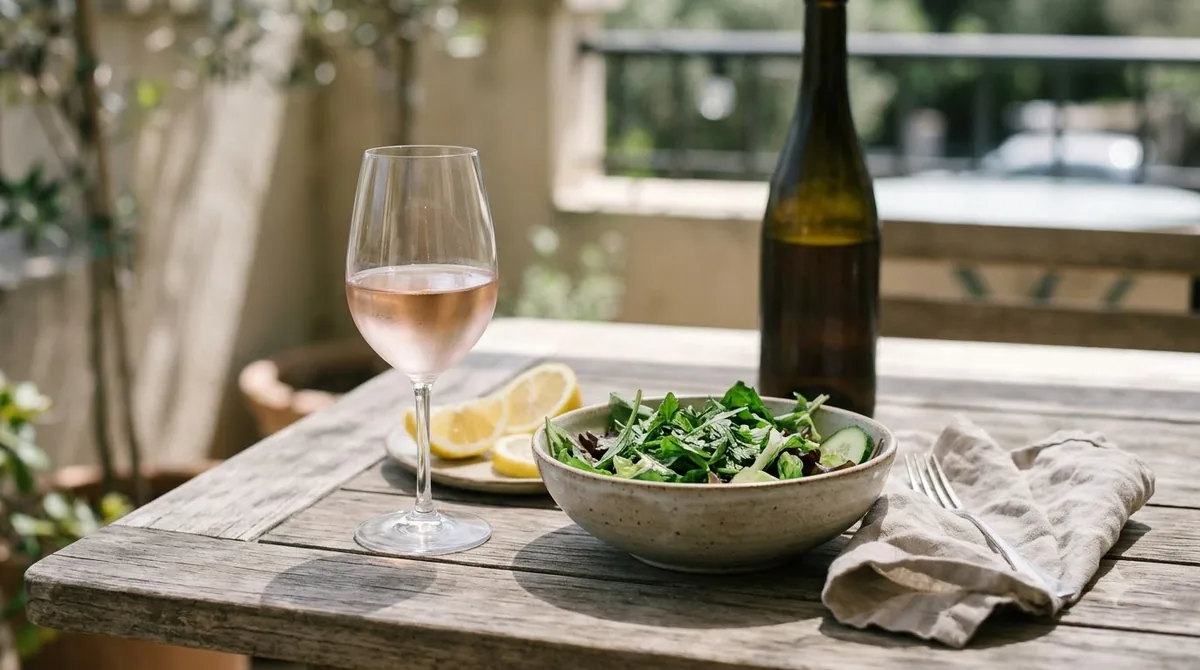
Think about pairing in two ways: complement the cheese with a wine that shares its flavors, or contrast the richness with freshness or sweetness. A buttery young Gouda can work with a rounded white, while a crisp, high-acid wine can clear the palate after each bite. For an older wedge with concentrated caramel and savory notes, a wine with more aromatic depth makes better sense than a very delicate bottle.
Acidity is especially useful because Gouda is rich and often salty. Sauvignon Blanc and Riesling have high acidity, so they can refresh the mouth; Chardonnay is usually more moderate and tends to feel broader and softer. Bubbles also help with the cheese’s creamy texture. Decanter’s cheese-and-wine matching advice describes both complementary and contrasting pairings, including sparkling wine with rich cheese.
For a straightforward board, set out one white and one red rather than trying to find a single bottle that covers every age of Gouda. A dry Riesling or Sauvignon Blanc gives the board freshness; Gamay offers red fruit without the firm tannins found in Cabernet Sauvignon. If the cheese is clearly aged and nutty, add a small pour of Sercial Madeira as a separate after-dinner-style pairing. Wine Enthusiast’s Gouda-specific pairing suggestions also separate younger nutty cheese from sharper and more caramelized aged styles.
Young Gouda Favors Crisp Whites and Bubbles
Young Gouda is soft, pliable, mildly sweet, and often buttery or nutty, so it needs a wine that refreshes rather than overwhelms it. Sauvignon Blanc, dry Riesling, and bright sparkling wines are dependable choices because their acidity balances the cheese’s richness.
A dry Riesling is a particularly versatile match: its citrus and orchard-fruit character gives a clean counterpoint to the cheese, while its high acidity keeps the finish lively. Sauvignon Blanc offers a sharper, more herbal profile that works well when Gouda is served with apples, grapes, or fresh herbs. If the Gouda tastes especially mild, avoid a very forceful red; its tannin can dominate the cheese’s gentle flavor.
Brut sparkling wine is another strong option. Prosecco is made from Glera and uses the tank method, while Champagne and Cava undergo their second fermentation in the bottle; all can bring freshness and bubbles to a cheese board. Choose a dry style rather than a sweet sparkling wine for mild Gouda, and serve it cold enough to feel crisp without muting all of its aroma.
Chardonnay can work when the cheese is creamy and the meal includes bread, roasted vegetables, or a mild chicken dish. Its acidity is generally medium rather than high, so it gives a softer, rounder match than Sauvignon Blanc or Riesling. An unoaked or lightly oaked version is usually easier to pair than a very rich, heavily oaked Chardonnay.
Aged Gouda Works With Riesling, Madeira, and Gamay
As Gouda matures, it becomes firmer and more concentrated, with flavors that can move toward butterscotch, toffee, spice, and savory depth. Off-dry Riesling, nutty Sercial Madeira, and low-tannin Gamay each address a different part of that profile.
Start with off-dry Riesling for Gouda aged around a year or longer. The wine’s acidity refreshes the palate, while a touch of sweetness echoes the cheese’s caramel notes and balances its salt. This is a particularly useful match when the cheese is served in small pieces with dried apricots, apple slices, or toasted walnuts. Keep the wine off-dry rather than dessert-sweet so the cheese remains the focus.
Gamay is the red-wine route for aged Gouda when you want freshness instead of power. Its cherry and berry fruit, lively acidity, and relatively low tannin can soften the perception of the cheese’s sharpness without creating a drying finish. A light-bodied Pinot Noir can fill a similar role, especially with Gouda that is mature but not extremely hard or intensely savory.
Sercial Madeira is worth trying with Gouda that has a clear nutty, buttery profile. Its nut-like character mirrors the cheese, and its acidity helps prevent the match from feeling heavy. For very old Gouda with pronounced crunchy crystals and an intense umami finish, a bolder red such as Sagrantino is an adventurous contrast; its tannin is much more assertive, so treat this as a niche pairing rather than the safest first choice.
Smoked Gouda and Seasoned Gouda Need Bolder Fruit
Smoke changes Gouda’s balance by adding a roasted, savory edge, while pepper, cumin, or herbs can shift the cheese toward spice. Choose a wine with enough fruit and body to meet those flavors, but avoid excessive tannin or alcohol when the cheese itself is hot or peppery.
For smoked Gouda, try a fruit-forward Pinot Noir, Merlot, or Grenache. Pinot Noir brings red-cherry flavors and relatively modest tannin; Merlot is usually softer than Cabernet Sauvignon; Grenache can offer ripe berry character without the same firm grip as a heavily tannic red. A dry rosé is useful when the smoke is subtle and the cheese is part of a lighter lunch rather than a rich barbecue plate.
Smoked cheese often appears on sandwiches, burgers, and charcuterie boards, so think about the whole bite. With grilled onions, mushrooms, or roast beef, a medium-bodied red can connect the browned flavors in the food and cheese. With pickled vegetables or mustard, move back toward a high-acid white such as Riesling or Sauvignon Blanc so the wine does not taste flat beside the sharp condiments.
For a cumin- or herb-seasoned wedge, aromatic whites can be more interesting than a big red. Riesling and Gewürztraminer can echo spice and fragrance, while their freshness keeps the cheese from feeling heavy. For a deeper breakdown of the smoke-specific decision, use this guide to what wine goes with smoked gouda; the key is to treat smoke, pepper, and sweetness as separate flavors rather than assuming every flavored Gouda needs the same bottle.
Serving Temperature and Cheese-Board Setup
Temperature affects both the wine’s balance and the cheese’s aroma, so give each part of the pairing a little attention before serving. Bring Gouda out of the refrigerator ahead of time, and serve whites, bubbles, and reds cooler or warmer according to their style rather than using one temperature for every bottle.
Decanter recommends taking cheese out of the refrigerator 45–60 minutes before serving so its aromas and texture can open up. Cut a few portions from each wedge and let guests follow those examples; that helps everyone get a similar balance of paste and rind. Arrange the board from mild young Gouda to stronger aged or smoked pieces so the most intense cheese does not flatten the first pairing.
The following service ranges give you a practical starting point. They are style ranges, not rigid rules: a slightly warmer white may show more aroma, while a slightly cooler red can feel fresher beside rich cheese.
| Wine style | Serving temperature | Gouda match |
|---|---|---|
| Sparkling wine | 40–50°F | Young or creamy Gouda |
| Light white wine or rosé | 45–50°F | Young or smoked Gouda |
| Full-bodied white wine | 50–55°F | Richer, mature Gouda |
| Sweet white wine | 43–50°F | Salty, caramel-toned aged Gouda |
| Light red wine | 55–60°F | Mature Gouda with mild tannin |
| Full-bodied red wine | 60–65°F | Very aged Gouda with concentrated flavor |
For a small gathering, plan around a standard 5-ounce wine pour. A 750-milliliter bottle provides about five glasses at that serving size, which makes it easy to estimate how much Riesling, sparkling wine, or Gamay to open. Offer water and plain crackers between stronger cheeses, and keep strongly flavored jams or chutneys in a separate spot so guests can taste the cheese and wine without every bite becoming sweet or spicy.
Tip: Open the wine before guests arrive, but do not leave every bottle on the table. Keep sparkling wine and light whites chilled, then pour small tastes as the board moves from young Gouda to aged and smoked styles.
Build the Plate Around Gouda’s Salt, Fat, and Flavor
Gouda often appears with more than crackers, and the supporting food can change which wine works best. Think about whether the bite is rich, acidic, sweet, spicy, or smoky, then choose a wine that can handle the strongest element on the plate.
Fresh apples, pears, grapes, and toasted nuts are easy companions for young or medium Gouda. Their sweetness and crunch echo the cheese’s mild fruit and nut notes without adding much weight. A tart apple or pickled garnish needs a wine with equal or higher acidity; Sauvignon Blanc and Riesling are useful because they stay lively alongside acidic food. Salt and fat can soften a red wine’s tannin, which is why a softer Merlot or a more structured Syrah can work with a richer beef dish.
When Gouda is melted into a burger, grilled-cheese sandwich, or casserole, match the wine to the main ingredient as well as the cheese. A beef sandwich or brisket plate can stand up to Merlot, Syrah, or a fruit-forward red, while a vegetable-heavy sandwich may be better with Riesling or sparkling wine. For the meat-focused version of the decision, see what wine goes with beef brisket; a smoked Gouda topping adds another savory layer, but the meat remains the main pairing cue.
Be cautious with chili heat. Alcohol and tannin can make spicy food feel hotter, so a high-alcohol Cabernet Sauvignon or tannic Syrah is a poor default for pepper-jack-style Gouda or a dish loaded with hot peppers. A slightly off-dry Riesling, a fruity rosé, or a low-tannin red is usually more forgiving. For a board that includes a strong blue cheese alongside Gouda, treat the blue as its own pairing problem; the sweet-wine approach for what wine goes with blue cheese may be quite different from the dry-white match for young Gouda. These decisions are part of broader Wine Pairing principles: balance intensity, keep enough acidity beside acidic ingredients, and let the dominant food flavor guide the bottle. Gouda is flexible, but it is not a blank canvas; its age, smoke, salt, and place in the meal all matter.
Frequently Asked Questions
Why does aged Gouda have crunchy crystals?
The small crunchy flecks in long-aged Gouda are amino acid crystals that develop as the cheese matures. They are a normal feature of many well-aged wheels, not a sign that the cheese has spoiled. Their savory, concentrated character is one reason older Gouda can stand up to more intense wines.
Are the red or black coatings on Gouda edible?
Many familiar Gouda wheels are covered with wax or a plastic coating to protect the cheese during storage and aging. Those coatings are not part of the cheese and should be removed before serving. A natural rind is different, so ask the cheesemonger when the outside is not clearly a manufactured coating.
What does Gouda Holland PGI tell a shopper?
It identifies a protected Dutch product made from milk sourced from dairy farms in the Netherlands and naturally matured there. Noord-Hollandse Gouda PDO is a separate protected name tied specifically to milk from the province of Noord-Holland. The designations help distinguish these products from generic Gouda-style cheese made elsewhere.
Why are Gouda curds washed during cheesemaking?
In washed-curd cheesemaking, some whey is removed and replaced with warm water after the curds are cut and stirred. This reduces the lactose available to bacteria, which helps produce a less acidic cheese with a sweeter, caramel-like character. It is one reason Gouda can taste mellow and sweet even before extended aging.
Can Gouda be served as part of dessert?
Yes. Aged Gouda can sit comfortably on a dessert board with pears, dried figs, dark chocolate, or nuts, especially when the portion is small and the accompaniments are not overly sweet. Choose a wine that is at least as sweet as the dessert elements, or keep the fruit and chocolate modest so an off-dry Riesling or Madeira still tastes balanced.
The most reliable starting point is simple: choose crisp white wine or bubbles for young Gouda, then move toward off-dry Riesling, Madeira, or low-tannin red wine as the cheese becomes older and more intense. For smoked or seasoned varieties, let the added flavor lead the decision and taste the wine with the complete bite. A board with two contrasting bottles will usually show more of Gouda’s range than one wine asked to do everything.
More in Food & Wine Pairing
 Risotto With White Wine Recipe: Make a Creamy Dinner at HomeUpdated Nov 20, 2026
 Wassail With Wine Recipe for a Festive Spiced Holiday DrinkUpdated Nov 20, 2026
 Spritz Veneziano Recipe: Make a Classic Venetian Aperitivo at HomeUpdated Nov 20, 2026
 Summer Wine Punch Recipe for Easy Homemade EntertainingUpdated Nov 20, 2026
 Bishop Recipe: How to Make a Bright, Citrus-Forward Red Wine CocktailUpdated Nov 20, 2026
 Wine Cupcakes Recipe: Bake Rich Chocolate Cupcakes at HomeUpdated Nov 20, 2026