


We may earn a commission when you buy through links on this page, at no extra cost to you. Learn more.
What wine goes with creme brulee? Sauternes is the classic choice, thanks to its honeyed sweetness, refreshing acidity, and apricot flavors that complement vanilla custard and caramelized sugar. Late-harvest Riesling and Tokaji are excellent alternatives, while Moscato d’Asti offers a lighter, gently sparkling option. The best pairing is a wine at least as sweet as the dessert, with enough acidity to balance its rich creaminess.
Crème brûlée is a relatively simple dessert, but its combination of textures and flavors makes choosing the right wine important. Beneath its brittle caramelized topping is a smooth custard made with cream, egg yolks, sugar, and vanilla. A successful wine pairing should complement the vanilla, echo the toasted sugar, and refresh the palate rather than adding excessive sweetness or weight. Whether serving a traditional French version or experimenting with chocolate, citrus, or seasonal spices, several dessert wine styles can make an excellent match.
Why Sauternes Is the Classic Wine for Crème Brûlée
Sauternes is one of the strongest pairings for traditional crème brûlée because its concentrated sweetness, lively acidity, and honeyed fruit complement both the vanilla custard and the caramelized topping. Its richness matches the dessert’s texture, while its freshness helps prevent each spoonful from feeling too heavy.

Produced in Bordeaux, France, Sauternes is particularly associated with sweet white wines made from grapes affected by Botrytis cinerea, commonly known as noble rot. This beneficial fungus changes the grapes and concentrates their sugars and flavors. Sémillon is an important grape in the region, often accompanied by Sauvignon Blanc and Muscadelle. The resulting wines can develop flavors of honey, apricot, peach, ginger, citrus, and dried fruit.
These characteristics explain why Sauternes works so naturally with crème brûlée. Honeyed fruit complements the vanilla, while apricot and citrus bring a brighter dimension to the creamy custard. The caramelized sugar crust introduces toasted and slightly bitter notes that make the wine’s fruit flavors seem more complex.
Another advantage is the wine’s acidity. Cream and egg yolks create a rich mouthfeel, and a sweet wine without sufficient freshness can make the combination feel overly dense. Sauternes provides a counterpoint without sacrificing the sweetness required for a dessert pairing.
For a classic dinner-party combination, serve a small glass of chilled Sauternes alongside a traditional vanilla crème brûlée. The pairing is particularly successful when the sugar topping is deeply caramelized rather than merely warmed and lightly colored.
What to look for in a Sauternes
Choose a wine with recognizable honey, apricot, citrus, and stone-fruit characteristics. Younger examples can emphasize fresh fruit and lively acidity, while mature bottles may develop more pronounced dried-fruit, spice, and honeyed characteristics. Both approaches can work, although the more concentrated styles are especially appropriate for a rich custard with a deeply caramelized surface.
For readers interested in how sweetness and acidity interact across different meals, the principles behind Wine Pairing provide a useful starting point.
Late-Harvest Riesling and Tokaji for a Brighter Pairing
Late-harvest Riesling and Hungarian Tokaji are excellent alternatives to Sauternes when you want a sweet wine with noticeable freshness and aromatic complexity. Both can complement vanilla custard while providing fruit and acidity that keep the caramelized finish from dominating the pairing.
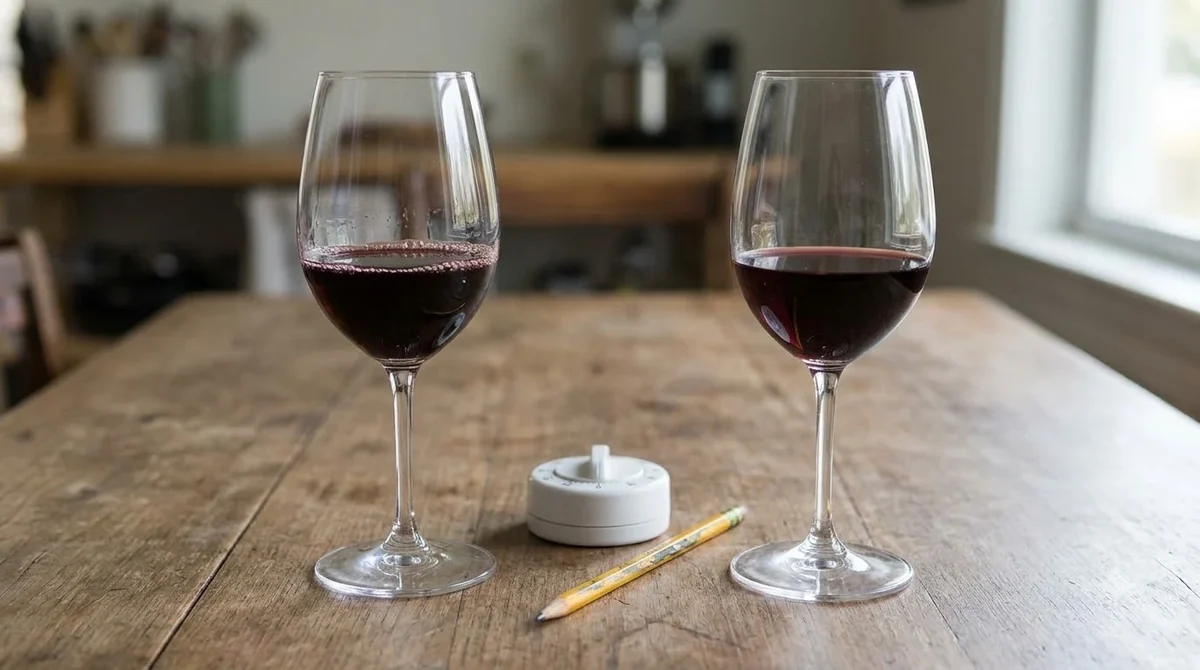
Late-harvest Riesling is made from grapes harvested later than those used for many standard dry Rieslings. The additional ripeness allows producers to create wines with greater sweetness and concentrated fruit character. Depending on the region and production style, flavors can include peach, apricot, ripe apple, honey, and citrus.
The grape’s naturally high acidity is particularly useful with crème brûlée. Rather than simply adding another layer of sweetness, the wine refreshes the palate after the rich custard. Its citrus notes also provide contrast to the darker, toasted flavors of the sugar crust.
For the most reliable match, choose a genuinely sweet late-harvest Riesling rather than assuming every bottle labeled Riesling has the same sweetness. A dry Riesling can taste sharp beside a sugary dessert. A sweeter example with good acidity is a much better choice.
Why Tokaji works with caramelized sugar
Tokaji, especially the sweet Tokaji Aszú style from Hungary, offers another appealing combination of concentrated sweetness and acidity. Depending on the wine, aromas and flavors can include apricot, orange peel, honey, dried fruit, and spice.
These flavors create several connections with crème brûlée. Apricot and honey complement the custard, while citrus and spice bring contrast to the caramelized surface. The result can feel more aromatic and layered than a pairing based entirely on matching sweetness.
Tokaji is particularly suitable when the dessert has a slightly darker caramel crust or includes additional ingredients such as orange zest, cinnamon, or toasted nuts. Its complexity can stand up to these additions without overwhelming the vanilla base.
The Michelin Guide’s discussion of dessert pairings also highlights Sauternes and Tokaji, emphasizing the value of combining complementary flavors with contrasting citrus and tropical notes. Its featured restaurant sommeliers stress that the wine and dessert should have comparable intensity rather than allowing one to overpower the other. Read the Michelin dessert wine pairing advice for additional professional perspectives.
Moscato, Muscat, and Sweet Sparkling Wines for a Lighter Finish
Moscato d’Asti and other sweet Muscat wines are good choices when you want a lighter, more refreshing partner for crème brûlée. Their floral aromas, gentle sweetness, and, in some examples, delicate bubbles offer a different experience from the concentrated richness of Sauternes or Tokaji.
Moscato is an aromatic grape family associated with fragrances of orange blossom, peach, citrus, and fresh grapes. Moscato d’Asti, from Italy’s Piedmont region, is particularly approachable because it is lightly sparkling and generally lower in alcohol than many still dessert wines. Its gentle carbonation adds freshness between spoonfuls of creamy custard.
The fruit character is also a natural match for vanilla. Peach and orange blossom add an aromatic dimension without competing with the dessert’s main ingredients. The bubbles help break up the impression of richness, making this a useful choice after a substantial meal.
The International Wine & Food Society specifically lists Muscat or Moscatel as an appropriate pairing for crème brûlée, alongside Sauternes and late-harvest Sauvignon Blanc and Sémillon. Its recommendations provide a useful reminder that the best pairing does not always need to be the richest wine available.
When sweet sparkling wine makes sense
Sweet sparkling wines can work especially well when serving crème brûlée as part of a celebratory meal. A demi-sec Champagne or another suitably sweet sparkling wine brings bubbles, acidity, and enough residual sugar to complement the dessert. A sweet sparkling rosé can also be interesting if the custard includes strawberries or raspberries.
Pay close attention to the sweetness designation on sparkling wines. The common sweetness categories progress from Brut Nature and Extra Brut through Brut, Extra Dry, Dry, Demi-Sec, and Doux, with Doux being the sweetest category. The terminology can be confusing because Extra Dry is sweeter than Brut.
For crème brûlée, Demi-Sec or Doux is generally a more suitable starting point than Brut Nature or Brut. Very dry sparkling wine can seem sour and thin when tasted beside a sweet custard.
Prosecco is another possibility, although its sweetness varies by style. Its primary grape is Glera, and the traditional production approach uses the tank method. Many Proseccos are made in a fresh, fruity style, but a dry example is not automatically suitable for a sugary dessert. Select a sweeter bottling if you want to serve it with crème brûlée.
Tawny Port, Madeira, and Other Fortified Wines for Caramel Flavors
Tawny Port and sweet Madeira are especially interesting choices when the caramelized sugar topping is the main attraction. Their developed flavors of nuts, dried fruit, toffee, and spice connect with the toasted crust, creating a deeper pairing than a simple match based on vanilla and fresh fruit.
Tawny Port is made in Portugal’s Douro region and develops its characteristic oxidative flavor profile through maturation in wood. Depending on its age and style, it may offer notes of toasted almonds, walnuts, dried figs, dates, caramel, and butterscotch.
These characteristics make it particularly suitable for crème brûlée with a deeply browned sugar topping. The toasted nut flavors complement the caramel, while the wine’s sweetness matches the custard. It is also a useful alternative when serving a variation containing brown sugar, coffee, cinnamon, or toasted hazelnuts.
However, Tawny Port is generally richer and more concentrated than Moscato d’Asti. A small serving is usually sufficient, particularly after a substantial dinner. The wine should complement the dessert rather than dominate its delicate vanilla flavors.
Madeira and Sherry alternatives
Madeira offers another route for pairing with caramelized custard. Sweet styles made from Bual or Malmsey grapes can develop flavors of toasted nuts, dried fruit, caramel, and spice. Their acidity helps balance the sweetness and provides a useful counterpoint to the cream.
Pedro Ximénez Sherry is an especially concentrated option. It is known for flavors of raisins, dates, figs, molasses, and dark caramel. Its intense sweetness can suit a dessert with a strong burnt-sugar character, although it may overwhelm a delicate classic crème brûlée if served in a large portion.
For a lighter approach, consider a sweet Muscat or a moderately sweet oxidative wine rather than the most concentrated fortified styles. The important consideration is matching the wine’s intensity to the custard and its topping.
The International Wine & Food Society also recommends Tawny Port for caramelized banana and Pedro Ximénez for salted caramel ice cream. These neighboring dessert pairings illustrate why nutty, oxidative wines can work so well with caramel-focused sweets.
Choosing Wine for Chocolate, Fruit, Coffee, and Spiced Crème Brûlée
The best wine changes when crème brûlée includes additional ingredients. Chocolate, citrus, coffee, fruit, and warming spices can shift the balance of sweetness and flavor, so the most successful bottle should match the strongest additional ingredient as well as the custard.
Classic vanilla crème brûlée provides a relatively straightforward pairing because vanilla, cream, and caramelized sugar work with several sweet white wines. Adding chocolate or coffee creates deeper flavors, while berries and citrus make the dessert brighter and more aromatic.
Chocolate crème brûlée
Chocolate adds bitterness and richness, so a sweeter and more concentrated wine may be necessary. Ruby Port is a good option for a chocolate-forward version because its dark-fruit character can complement cocoa. Tawny Port can also work when the chocolate is accompanied by caramel or toasted nuts.
A sweet Madeira may be another suitable choice, particularly with dark chocolate and a lightly caramelized surface. Avoid assuming that a dry red wine will work simply because chocolate is involved. Dry reds with substantial tannin can taste harsh against the sweetness and creamy texture of the dessert.
Citrus and berry variations
Lemon or orange zest changes the character of crème brûlée by introducing a more noticeable citrus aroma and, depending on the recipe, additional acidity. A sweet Riesling with bright citrus flavors can provide a particularly good match. Sauternes also works when its fruit concentration is balanced by enough freshness.
For raspberry or strawberry crème brûlée, consider a sweet sparkling rosé or a gently sparkling red dessert wine such as Brachetto d’Acqui. These styles can provide berry aromas that connect with the fruit while their sweetness complements the custard.
Coffee, caramel, and spice
Coffee crème brûlée is often better with an oxidative wine than with a delicate floral Muscat. Tawny Port, sweet Madeira, and Pedro Ximénez can bring nutty and roasted characteristics that connect with coffee’s deeper flavors.
For pumpkin, cinnamon, or chai-inspired custard, consider Tawny Port or sweet Madeira. Their dried-fruit and spice notes complement warming seasonings, while their sweetness supports the custard. A sweet late-harvest Riesling is another option if you prefer a lighter wine with brighter fruit.
These variations demonstrate why it helps to consider the entire dessert rather than selecting wine based only on its name. The more intense the chocolate, coffee, or spice, the more concentrated the wine can generally be. For a lighter fruit variation, an aromatic sweet white or sparkling wine is often more appropriate.
Serving Temperature, Portions, and Practical Pairing Tips
Serve sweet white wines chilled, generally around 43–50 degrees Fahrenheit, to preserve freshness and keep their sweetness from feeling heavy. Use smaller dessert portions of concentrated wine, and coordinate the wine’s intensity with the size and richness of the custard.
Temperature makes a noticeable difference to the experience. A warm dessert wine can emphasize alcohol and sweetness, while excessive chilling can mute delicate aromas. Sauternes, Tokaji, and late-harvest Riesling are generally enjoyable when served within the sweet-white temperature range.
Lightly sparkling Moscato d’Asti benefits from chilling too, especially because its bubbles contribute to the refreshing character of the pairing. Sweet sparkling wines can be served in sparkling wine glasses or tulip-shaped glasses that allow their aromas to develop.
Fortified wines such as Tawny Port and Madeira can be served slightly warmer than delicate sweet whites, depending on their style. Avoid serving them excessively warm, as alcohol can become more noticeable and obscure the wine’s fruit and nutty characteristics.
Recommended serving guide
| Wine style | Serving temperature | Suggested pairing | Serving approach |
|---|---|---|---|
| Sauternes | 43–50°F | Classic vanilla crème brûlée | Small dessert pour |
| Late-harvest Riesling | 43–50°F | Vanilla or citrus custard | Small to moderate pour |
| Tokaji Aszú | 43–50°F | Deeply caramelized custard | Small dessert pour |
| Moscato d’Asti | 40–50°F | Vanilla or berry custard | Small sparkling wine pour |
| Demi-Sec Champagne | 40–50°F | Fruit-topped crème brûlée | Small sparkling wine pour |
| Tawny Port | 55–60°F | Caramel or coffee custard | Small fortified wine pour |
| Sweet Madeira | 50–55°F | Spiced or caramel custard | Small fortified wine pour |
These temperatures are practical serving targets rather than strict requirements. A particularly delicate sweet white may benefit from being served toward the cooler end of its range, while an aromatic, mature dessert wine can reveal more complexity with a little additional warmth.
How much wine should you pour?
Unlike a standard dinner wine pairing, dessert wine is often served in smaller quantities because its sweetness and concentration can be substantial. A 2–3-ounce serving is a practical starting point for Sauternes, Tokaji, and fortified wines. Moscato d’Asti and sweet sparkling wine can be served in somewhat larger portions if the overall meal is light.
For a 750-milliliter bottle, five standard 5-ounce glasses is the usual approximate serving calculation. Dessert portions are smaller, so the same bottle can provide considerably more servings when poured in 2–3-ounce quantities.
Tip: Taste the crème brûlée before pouring the wine. If the caramel topping is deeply browned and slightly bitter, choose a sweet wine with enough acidity and fruit to provide contrast. If the custard is particularly sweet, make sure the wine is at least as sweet as the dessert so it does not taste sour or thin.
It also helps to serve the wine alongside the first spoonful rather than drinking it well before the dessert arrives. This makes it easier to notice how the wine’s sweetness, acidity, and aromas interact with the custard and caramel.
For more examples of matching wine with rich foods, the approaches used for what wine goes with blue cheese and what wine goes with beef brisket demonstrate how sweetness, richness, and flavor intensity influence a successful match. Dessert pairings follow the same broad principle: balance the weight and character of both elements.
Frequently Asked Questions
Does crème brûlée traditionally come from France?
Crème brûlée is strongly associated with French cuisine and is widely served in French restaurants. Its name translates to burnt cream, referring to the caramelized sugar surface. Similar custard desserts appear in other European culinary traditions, including Spain’s crema catalana and England’s burnt cream.
What is the difference between crème brûlée and crema catalana?
Crema catalana is a Spanish custard traditionally associated with Catalonia and is commonly flavored with lemon or orange peel and cinnamon. Crème brûlée typically emphasizes vanilla and is finished with a caramelized sugar crust. Their different aromatic ingredients can influence which sweet wine provides the closest flavor match.
Can you make crème brûlée ahead of time?
Yes. The custard can generally be prepared and chilled in advance, making it convenient for dinner parties. The caramelized sugar topping is best prepared shortly before serving so it retains its characteristic brittle texture instead of absorbing moisture from the custard.
Why is the sugar topping traditionally torched?
Applying direct heat melts and caramelizes the sugar, creating a thin, crisp layer that contrasts with the soft custard underneath. The process produces aromatic compounds associated with toasted sugar and caramel. A culinary torch allows the topping to brown without significantly heating the chilled custard.
Which grapes are traditionally associated with Tokaji Aszú?
Tokaji Aszú is traditionally made from a blend of permitted varieties that can include Furmint, Hárslevelű, and Sárgamuskotály. Furmint is particularly important because its naturally high acidity helps balance the concentrated sweetness of the finished wine. This combination contributes to Tokaji’s distinctive freshness and aging potential.
For classic vanilla crème brûlée, Sauternes remains an excellent first choice, while late-harvest Riesling and Tokaji offer equally interesting alternatives with different aromatic profiles. Choose Moscato d’Asti for a lighter finish or Tawny Port for a deeper caramel and nut pairing. Above all, match the wine’s sweetness and intensity to the dessert, serve it at an appropriate temperature, and let the vanilla custard and caramelized sugar remain the stars of the final course.
More in Food & Wine Pairing
 Risotto With White Wine Recipe: Make a Creamy Dinner at HomeUpdated Nov 20, 2026
 Wassail With Wine Recipe for a Festive Spiced Holiday DrinkUpdated Nov 20, 2026
 Spritz Veneziano Recipe: Make a Classic Venetian Aperitivo at HomeUpdated Nov 20, 2026
 Summer Wine Punch Recipe for Easy Homemade EntertainingUpdated Nov 20, 2026
 Bishop Recipe: How to Make a Bright, Citrus-Forward Red Wine CocktailUpdated Nov 20, 2026
 Wine Cupcakes Recipe: Bake Rich Chocolate Cupcakes at HomeUpdated Nov 20, 2026