

We may earn a commission when you buy through links on this page, at no extra cost to you. Learn more.
What wine goes with carne asada? Argentine Malbec is an excellent overall choice because its dark fruit, moderate acidity, and savory character complement grilled beef, smoky char, and citrus-based marinades. Spanish Tempranillo, Grenache, and softer Cabernet Franc are also strong red-wine options. For a lighter pairing, choose dry rosé, Spanish Txakoli, or Sauvignon Blanc, particularly when lime, cilantro, and spicy salsa play prominent roles.
Carne asada brings together several flavors that can make wine pairing interesting: savory beef, browned edges, citrus, garlic, cumin, fresh herbs, and sometimes hot peppers. The best bottle depends on which of these elements dominates the plate. A simply seasoned steak can handle a more structured red, while tacos covered in lime juice, jalapeño, and fresh salsa usually benefit from brighter acidity, softer tannins, and restrained alcohol. Understanding those differences makes it easier to choose a wine that complements the whole meal rather than competing with one ingredient.
Why Malbec Is a Reliable Match for Carne Asada
Malbec is one of the most dependable choices for carne asada because it has enough flavor and structure to stand alongside grilled beef without requiring an elaborate preparation. Its dark-fruit character complements browned meat, while its savory and sometimes peppery qualities work naturally with garlic, cumin, and smoky seasoning.
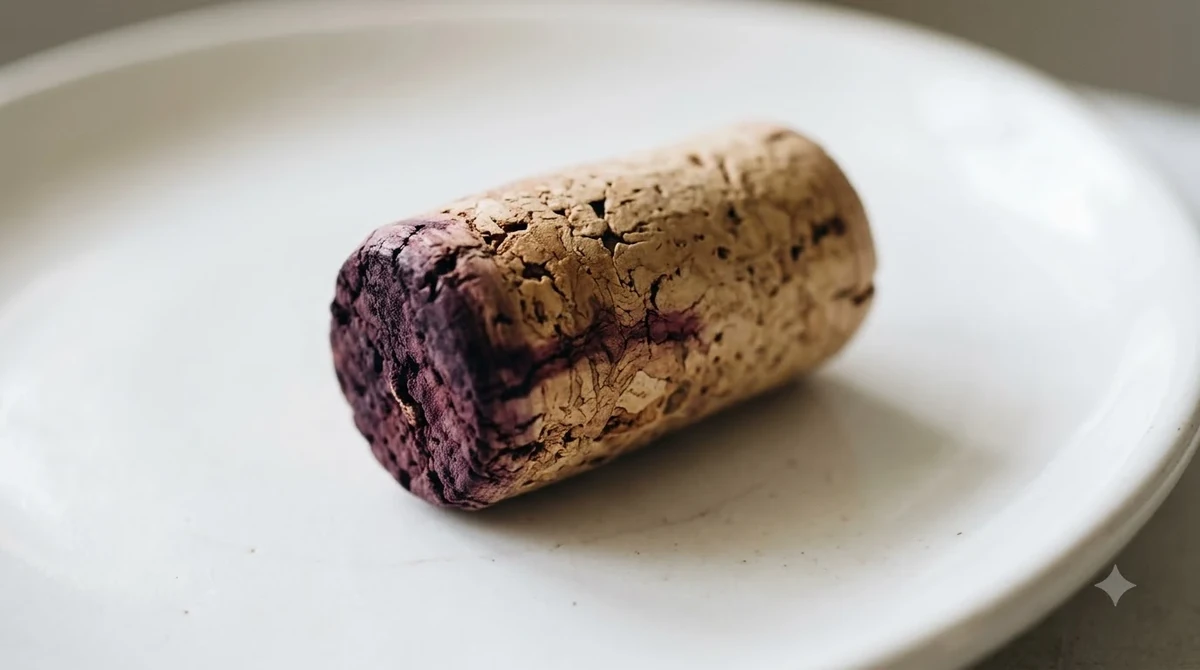
Argentine Malbec is an especially useful starting point. The grape is closely associated with Argentina, where its wines often show blackberry, plum, dark cherry, and hints of spice. Those flavors make sense beside skirt steak or flank steak cooked over a hot grill. The fruit provides a pleasant contrast to charred edges, and the wine’s body gives it enough presence to accompany a substantial serving of beef.
There is also a practical reason to consider Malbec when the marinade contains citrus. A well-balanced example has enough freshness to remain lively beside orange and lime, rather than making the combination feel excessively heavy. Beef Loving Texans’ carne asada wine recommendations highlight Argentine Malbec for this dish, noting how its flavors work with citrus marinade and the deeper notes of black pepper and cumin. That recommendation makes Malbec particularly suitable for a traditional preparation with aromatic seasoning.
Choose a fruit-forward Malbec with moderate alcohol and balanced oak rather than automatically selecting the biggest, most powerful bottle. Excessive alcohol can make jalapeño and chili heat feel stronger, while heavily toasted oak can overwhelm fresh cilantro and lime. A moderate-bodied version is often more versatile, especially when the meal includes several toppings.
Malbec also works well when carne asada is served as a main course instead of being tucked into tacos. A generous slice of grilled steak, roasted peppers, charred onions, and black beans creates a hearty plate that welcomes a red wine with dark fruit and enough structure to match the beef. If the steak has a particularly pronounced crust, the wine’s fruit can soften the contrast between smoky and savory flavors.
For a simple dinner, serve Malbec with steak, grilled onions, warm tortillas, and a mild tomato salsa. For a more substantial spread, add refried beans, roasted poblano peppers, and grilled corn. These accompaniments reinforce the wine’s savory character without introducing too much sweetness or chili heat.
Malbec is not the only Argentine grape worth considering, but it is a sensible first bottle when the meal centers on beef. Its combination of dark fruit, accessible texture, and savory flavor gives it a broad pairing range, making it suitable for both straightforward grilled steak and more elaborate carne asada platters.
Other Red Wines That Complement Grilled Beef
Tempranillo, Grenache, Cabernet Franc, and selected Syrah wines offer useful alternatives to Malbec. Their differences in acidity, tannin, and fruit intensity allow the wine to match the particular cut of beef, cooking method, and seasoning.
Tempranillo: Spanish Tempranillo is a particularly good choice for carne asada tacos. It commonly offers red cherry, plum, dried herbs, and savory spice, with enough acidity to remain refreshing alongside lime and tomato salsa. Rioja is a familiar regional expression, although the style can vary with production and aging.
A younger Tempranillo is often preferable when the plate contains fresh cilantro, onion, jalapeño, and citrus. It tends to emphasize fruit and freshness rather than the stronger oak and developed flavors found in some aged bottlings. A more mature Rioja can be suitable for a larger steak dinner with grilled vegetables and a relatively restrained salsa.
Grenache: Grenache offers ripe red fruit, moderate tannin, and a softer texture than many more structured red grapes. Raspberry, strawberry, and gentle spice can complement the caramelized edges of grilled beef. It is particularly useful when carne asada includes moderate chili seasoning because the fruit provides a friendly contrast without introducing excessively firm tannins.
Cabernet Franc: Cabernet Franc is worth considering when the marinade contains oregano, cilantro, and black pepper. Its aromatic profile can include red fruit, herbs, and pepper, which echo several ingredients commonly found in carne asada. Loire Valley examples, particularly those with moderate body and fresh acidity, can be more suitable than very powerful Cabernet-based reds.
Syrah: Syrah has a more substantial profile, with dark fruit, black pepper, and savory notes. It can work beautifully with heavily charred steak, roasted peppers, and smoky seasonings. However, Syrah can have medium-plus to high tannin, so a softer, fruit-forward example is a better choice when the meal includes hot salsa.
Barbaresco: This Italian Nebbiolo-based wine offers a more structured alternative for a simply seasoned steak. Beef Loving Texans identifies Barbaresco as a possible match for carne asada containing oregano, cumin, and clove. Its aromatic dried-flower and herbal qualities can complement the seasoning, although its higher acidity and substantial tannin make it better suited to relatively mild preparations than very hot salsa.
The same principle applies to Cabernet Sauvignon. Its high tannin can match a substantial beef steak, particularly when the dish contains little chili. However, a heavily seasoned taco with jalapeño, habanero, or spicy salsa is usually better served with a softer red. If the dinner also includes another rich beef preparation, the guidance in what wine goes with beef brisket offers a useful comparison of fuller-bodied red-wine styles.
| Wine style | Tannin level | Best carne asada preparation |
|---|---|---|
| Malbec | Medium to medium-plus | Classic grilled steak with cumin and garlic |
| Tempranillo | Medium | Steak tacos with tomato salsa and lime |
| Grenache | Low to medium | Carne asada with moderate chili seasoning |
| Cabernet Franc | Medium | Herb-seasoned beef with cilantro and oregano |
| Syrah | Medium-plus to high | Heavily charred steak with mild salsa |
| Cabernet Sauvignon | High | Simply seasoned steak with grilled vegetables |
| Pinot Noir | Low to medium | Lighter carne asada with fresh herbs |
These tannin descriptions are general style guidelines, not guarantees for every bottle. Climate, winemaking, oak treatment, and aging can change how a particular wine feels. The main objective is to avoid combining aggressively tannic wine with a dish whose chili heat is already prominent.
White Wine and Rosé Options for Carne Asada
Red wine is a natural partner for grilled beef, but white wine and rosé can be excellent with carne asada, particularly when citrus, fresh herbs, and salsa contribute more flavor than the meat’s char. Dry Txakoli, Sauvignon Blanc, Albariño, and crisp rosé provide freshness without overwhelming the plate.
Txakoli: This Spanish wine is a particularly interesting alternative. Traditionally associated with the Basque Country, Txakoli is known for its refreshing acidity and light character. Some examples have a gentle natural spritz, making them especially appealing with lime-heavy marinades and fresh salsa.
Beef Loving Texans specifically recommends dry white Txakoli and Txakoli rosé for carne asada. The recommendation makes sense for a meal featuring citrus, herbs, and moderate seasoning. Rather than competing with the steak, the wine refreshes the palate between bites. It is especially suitable for tacos with plenty of onion, cilantro, and lime.
Sauvignon Blanc: Sauvignon Blanc is another useful option because it typically has high acidity and recognizable herbal or citrus aromas. Lime, green apple, grapefruit, and grassy notes can complement cilantro and fresh green salsa. An unoaked or lightly oaked example is generally the most versatile choice.
Although white wine with steak may seem unusual, the combination becomes more logical when the preparation includes substantial citrus and fresh herbs. A grilled carne asada taco with lime, onion, tomato, and a modest amount of jalapeño can work better with Sauvignon Blanc than with a heavy red wine. The wine’s acidity echoes the citrus while its aromatic character supports the herbs.
Albariño: This Spanish white grape is another candidate when the meal has a fresh, coastal character. Its lively acidity and citrus-driven flavors work with lime, tomatoes, and lighter toppings. Albariño is particularly useful if carne asada is served alongside grilled vegetables, corn, or a fresh salad rather than a heavy bean-based side.
Dry rosé: A dry rosé offers a middle ground between red and white wine. It can provide refreshing acidity, red-fruit flavors, and enough body for grilled beef. Spanish rosado, Provençal rosé, and other dry examples are useful choices when a table includes different toppings and varying preferences.
Rosé is particularly effective for outdoor meals because it can be served cool without becoming excessively cold. Its fruit can complement charred meat, while its acidity keeps the combination lively. A dry style is preferable to a noticeably sweet one when the carne asada is savory and the salsa contains tomatoes, onion, and herbs.
Chardonnay: Chardonnay can work with carne asada when it has moderate acidity and restrained oak. An unoaked or lightly oaked example is a better match for citrus-heavy steak than a heavily buttery, oak-driven wine. The richer style can become too dominant beside fresh cilantro and lime, particularly when the dish is served as tacos rather than a large steak portion.
White wines are also useful when the meal includes people who prefer not to drink red wine. Rather than treating them as second-best alternatives, select a bottle that reflects the plate’s actual flavors. The Wine Pairing principles of matching acidity and considering seasoning are especially useful for these lighter combinations.
Matching Wine With Marinades, Salsa, and Taco Toppings
The sauce and toppings can change the ideal wine more dramatically than the cut of beef. Lime, jalapeño, tomato salsa, creamy guacamole, and herbaceous chimichurri each influence the balance between fruit, acidity, alcohol, and tannin.

Lime and orange marinade: Citrus-forward carne asada needs a wine with sufficient acidity to keep the combination fresh. Malbec remains a reliable red option, but Tempranillo, Txakoli, Sauvignon Blanc, and dry rosé are also suitable. Avoid wines that taste noticeably flat or excessively oaky beside the fresh citrus.
Acidic food generally needs a wine with equal or higher acidity. Otherwise, the wine may taste dull when served alongside the dish. This is why bright white wines can work so well with carne asada tacos even though the principal ingredient is beef. The citrus marinade changes the character of the pairing.
Tomato salsa and pico de gallo: These toppings contribute acidity, fresh herbs, onion, and sometimes chili. Tempranillo and Grenache are useful red choices because their fruit and moderate tannins can work alongside those flavors. Sauvignon Blanc is a strong white alternative, particularly when the salsa includes plenty of lime and cilantro.
For a salsa with a noticeable amount of jalapeño, choose a wine with fruit and restrained alcohol. A softer Grenache or a fresh rosé is generally safer than a heavily tannic Cabernet Sauvignon. The objective is to keep the pepper’s heat from making the wine seem harsher.
Hot salsa and chipotle: Chili heat makes wine selection more demanding. Alcohol and tannin can amplify the sensation of heat, so a powerful Syrah or high-alcohol Cabernet may become uncomfortable beside a spicy sauce. A fruit-forward red with moderate alcohol, dry rosé, or slightly off-dry Riesling is usually a more forgiving choice.
A small amount of residual sugar can help a wine feel more balanced alongside spicy food. The wine should not be sweeter than necessary, however. The general pairing rule is that wine should be at least as sweet as the dessert, but savory carne asada usually calls for dry wines unless the accompanying sauce introduces substantial sweetness.
Guacamole and avocado: Creamy avocado adds richness and a soft texture. Sauvignon Blanc, Txakoli, and dry rosé can provide a refreshing contrast, while Tempranillo offers enough fruit for a combination of beef and avocado. A very tannic red may seem less harmonious when the taco includes delicate vegetables and creamy toppings.
Chimichurri: This herb-based sauce often contains parsley, garlic, oil, vinegar, and other seasonings. Cabernet Franc, Tempranillo, and moderately structured Malbec are suitable red options because their savory and herbal qualities complement the sauce. A crisp white wine can also work when vinegar and fresh herbs dominate the preparation.
Cheese and crema: These toppings soften the overall character of the dish and introduce additional richness. Moderate tannin and fresh acidity are useful because they balance the creamy texture without overwhelming the beef. A fruity Grenache or dry rosé is an approachable choice. For another example of how richness and salt influence wine selection, see what wine goes with blue cheese.
Think of the plate as a complete combination rather than treating steak as the only ingredient. If the salsa is mild and the beef is heavily charred, red wine can take the lead. If lime and spicy peppers dominate, a refreshing white or rosé may provide the more satisfying match.
Choosing Wine for Different Carne Asada Meals
The best bottle also depends on how carne asada is served. A large steak dinner, a platter of tacos, and a casual outdoor cookout have different balances of richness, acidity, seasoning, and texture.
Traditional steak dinner: For a plate centered on grilled flank or skirt steak, choose Malbec, Tempranillo, or Cabernet Franc. These wines provide enough structure for beef while maintaining flavors that complement cumin, garlic, black pepper, and browned edges. Add grilled onions, peppers, and roasted potatoes to create a more substantial pairing.
A more powerful steak preparation can also accommodate Syrah or Cabernet Sauvignon. However, the seasoning should remain relatively restrained. When the meat is seasoned primarily with salt, pepper, and herbs, the tannins have less competition from chili heat. This makes a fuller red wine more appropriate than it would be alongside heavily spiced tacos.
Carne asada tacos: Tempranillo, Grenache, dry rosé, and Txakoli are especially versatile with tacos. The smaller portions of beef are mixed with tortillas, salsa, onion, cilantro, and lime, so the wine needs to work with several ingredients at once. A very concentrated red can overpower the fresh toppings.
For tacos with mild salsa, a young Rioja or fruit-forward Malbec is an excellent choice. For tacos with generous jalapeño and lime, move toward dry rosé or a lighter red. If the toppings are particularly spicy, a slightly off-dry Riesling can provide additional balance.
Carne asada burritos: Burritos typically contain more ingredients than simple steak tacos. Rice, beans, cheese, avocado, and salsa add richness and texture. Malbec and Tempranillo work well with beef-based burritos, while a medium-bodied Grenache can suit preparations with more vegetables and less meat.
For a burrito with steak, rice, and beans, a Rioja Reserva is another option. Michelin Guide’s Mexican-food pairing discussion identifies Rioja Reserva as a suitable choice for this combination. The same general principle applies to carne asada burritos: match the wine to the dominant filling and sauce, not simply the name of the dish.
Outdoor grilling: A barbecue spread often contains several foods at once, including grilled corn, peppers, tortillas, onions, and different salsas. Malbec is a reliable all-purpose red for the steak, while dry rosé or Txakoli can accommodate lighter sides. Serving more than one style is a practical solution when the meal includes a variety of flavors.
Spicy carne asada bowls: Rice bowls with grilled beef, beans, avocado, corn, and salsa can be paired with Grenache, Tempranillo, or dry rosé. These wines provide sufficient flavor without demanding that every component of the dish be meat-focused. When the bowl contains a lot of lime and fresh vegetables, Sauvignon Blanc is also worth considering.
Leftover carne asada: Chopped leftover steak can become quesadillas, nachos, or breakfast tacos. The added cheese and toppings change the pairing slightly. A medium-bodied Malbec or Tempranillo remains useful, while a fresh rosé is a good choice for lighter preparations with tomatoes, avocado, and herbs.
For a meal that includes both beef and other strongly flavored dishes, consider the sauce before selecting a single bottle. The same wine does not need to match every item perfectly, but it should complement the dominant flavors without making the overall meal feel heavy.
Serving Temperature and Practical Wine Pairing Tips
Serving temperature can make a meaningful difference to the pairing. Light whites and rosé should be served around 45–50 F, while full-bodied reds are generally more enjoyable around 60–65 F rather than warm room temperature.
Malbec and Tempranillo are often served too warm, which can make their alcohol more noticeable beside chili and smoky seasoning. A brief period of chilling can help the wine retain freshness and keep its fruit in balance. The same applies to Grenache and other medium-bodied reds served with carne asada tacos.
The following temperatures provide a practical starting point for different wine styles:
| Wine category | Serving temperature | Useful pairing |
|---|---|---|
| Sparkling wine | 40–50 F | Spicy tacos and rich toppings |
| Light white wine | 45–50 F | Lime-heavy carne asada |
| Dry rosé | 45–50 F | Tacos with salsa and avocado |
| Full-bodied white wine | 50–55 F | Grilled beef with creamy sides |
| Light red wine | 55–60 F | Herb-seasoned steak tacos |
| Full-bodied red wine | 60–65 F | Simply seasoned grilled steak |
| Sweet white wine | 43–50 F | Spicy salsa and chili toppings |
These temperatures are useful starting points rather than rigid requirements. A bottle that is slightly cooler than recommended will warm in the glass, especially during an outdoor meal. Avoid serving a full-bodied red at excessive room temperature, as warmth can make alcohol feel more pronounced.
Wine quantity is another simple consideration when planning a carne asada dinner. A standard 750 ml bottle provides approximately five 5 oz glasses. For four adults, one bottle can be sufficient for a moderate serving, while a second bottle gives guests more flexibility when the meal lasts several hours.
When offering both red and white wine, choose styles that cover different parts of the meal. Malbec or Tempranillo can accompany the steak, while Txakoli, Sauvignon Blanc, or dry rosé can suit citrus-heavy tacos and fresh toppings. This approach also gives guests a choice without requiring an extensive wine selection.
Tip: If the carne asada includes hot salsa, avoid serving a very tannic, high-alcohol red wine. Choose fruit-forward Grenache, moderately structured Tempranillo, dry rosé, or a slightly off-dry Riesling instead. Chill reds lightly when serving outdoors so the alcohol does not dominate the pairing.
Glassware does not need to be complicated. A standard red-wine glass works for Malbec and Tempranillo, while a smaller white-wine glass is suitable for Txakoli and Sauvignon Blanc. For a casual taco dinner, simple all-purpose wine glasses are perfectly adequate.
Opened bottles should also be handled properly. Refrigerate still wines after opening and aim to finish them within 3–5 days. Sparkling wines generally retain their best qualities for approximately 1–3 days with an appropriate stopper. Keep the bottles sealed between servings rather than leaving them open beside the grill.
For unopened bottles, a cool, consistent storage environment near 55 F is a useful target. Bottles with natural corks are generally stored on their sides. These practical steps help preserve the wine’s intended fruit, acidity, and freshness for the next carne asada dinner.
Frequently Asked Questions
Does Mexican wine pair with carne asada?
Yes. Mexican red wines made from varieties such as Cabernet Sauvignon, Merlot, and Tempranillo can accompany grilled beef. Baja California is an important Mexican wine-producing region, and its wines provide interesting alternatives to familiar Argentine and Spanish bottles. Choose a medium-bodied red when the steak includes citrus and fresh herbs.
Can sparkling wine go with carne asada?
Yes. Brut sparkling wine can work with carne asada tacos, particularly when the meal includes salty toppings, grilled vegetables, and moderately spicy salsa. Traditional Champagne and Cava undergo their second fermentation in the bottle, while Prosecco is generally made using the tank method. A dry sparkling wine provides refreshing acidity and carbonation between bites.
Is Zinfandel a good choice for carne asada?
Yes. Zinfandel’s ripe berry and black-fruit character can complement charred beef and smoky seasonings. Choose a version with balanced alcohol and moderate oak when serving it with spicy salsa. Its generous fruit is particularly useful with grilled onions and roasted peppers.
Should wine be decanted before serving carne asada?
Decanting is optional, but young, full-bodied red wines can benefit from approximately 30–60 minutes of aeration. This is particularly useful for structured Malbec, Syrah, and Cabernet Sauvignon. Lighter reds and most crisp white wines generally do not require decanting before a casual meal.
How much wine should be poured per person?
A standard wine serving is approximately 5 oz. A 750 ml bottle contains roughly 25.4 fluid ounces and provides about five standard glasses. For a dinner with four adults, one bottle offers approximately 20 oz per person across the table, although individual preferences and the length of the meal affect the amount needed.
For most carne asada dinners, Argentine Malbec is the easiest place to start, with Tempranillo and Grenache providing excellent alternatives. If citrus, cilantro, and spicy salsa dominate the plate, dry Txakoli, Sauvignon Blanc, or rosé can be even more satisfying. Match the wine to the seasoning and toppings as carefully as the beef, and the entire meal will feel more balanced.
More in Food & Wine Pairing
 Risotto With White Wine Recipe: Make a Creamy Dinner at HomeUpdated Nov 20, 2026
 Wassail With Wine Recipe for a Festive Spiced Holiday DrinkUpdated Nov 20, 2026
 Spritz Veneziano Recipe: Make a Classic Venetian Aperitivo at HomeUpdated Nov 20, 2026
 Summer Wine Punch Recipe for Easy Homemade EntertainingUpdated Nov 20, 2026
 Bishop Recipe: How to Make a Bright, Citrus-Forward Red Wine CocktailUpdated Nov 20, 2026
 Wine Cupcakes Recipe: Bake Rich Chocolate Cupcakes at HomeUpdated Nov 20, 2026