

We may earn a commission when you buy through links on this page, at no extra cost to you. Learn more.
When deciding what to mix with white wine, the best options are chilled club soda, fruit liqueurs like crème de cassis or elderflower liqueur, fresh citrus juice, and clear spirits such as gin or blanco tequila. Crisp, dry white wines pair naturally with effervescent mixers and botanical liqueurs because their bright acidity balances added sweetness without turning syrupy. Classic builds include a simple spritzer made with two ounces of white wine and four ounces of soda water, a Burgundian Kir topped with blackcurrant liqueur, and fruit-steeped white sangria.
Mixing white wine is one of the easiest ways to stretch an open bottle, cool down on a warm afternoon, or build low-alcohol cocktails with minimal prep. Unlike tannic red wines that can clash with citrus or bitter mixers, dry and off-dry white wines act like a bright, aromatic base spirit. Understanding how different styles interact with bubbles, bitters, juices, and botanicals lets you turn nearly any bottle in the fridge into a balanced drink.
Sparkling Water and Soda Mixers for Classic Spritzers
Club soda, sparkling mineral water, and flavored seltzers are the most versatile mixers for white wine because they add lift and dilution without masking the grape’s natural aromatics. According to Wine Enthusiast’s white wine spritzer guide, a standard low-alcohol ratio combines two ounces of chilled white wine with four ounces of chilled soda water over ice with a lime wheel.
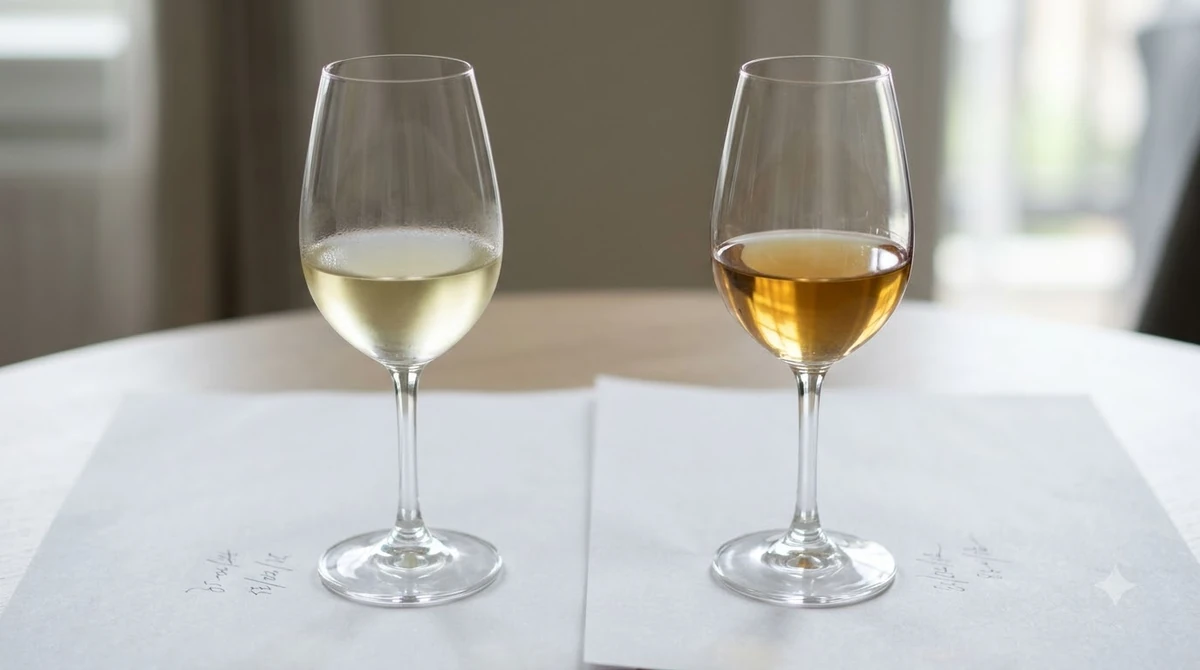
The type of carbonated water you pour noticeably changes the texture in the glass. Plain club soda delivers neutral carbonation that keeps a delicate Pinot Grigio or Albariño crisp, while sparkling mineral waters contribute subtle salinity that amplifies citrus notes in Sauvignon Blanc. If you prefer a sweeter profile, swapping half of the soda water for ginger ale or lemon-lime soda rounds out tart wines, though dry styles generally taste cleaner with unsweetened bubbles.
Adjusting the wine-to-soda ratio lets you control both flavor intensity and alcohol strength. A three-to-one split of wine to club soda keeps the varietal character front and center for an evening aperitif, whereas flipping the ratio to two parts soda and one part wine creates an ultra-light afternoon refresher. Always chill both the wine and the mixer beforehand so ice cubes melt slowly and preserve carbonation.
Fruit Liqueurs and Botanical Modifiers
Adding a small measure of fruit or herbal liqueur transforms a plain glass of white wine into an aromatic French-style aperitif in seconds. Classic modifiers include blackcurrant crème de cassis, elderflower liqueur, orange curaçao, and bitter Italian aperitifs like Aperol or Campari.
The traditional Kir remains the benchmark for liqueur-and-wine pairings, originating in Burgundy where dry Aligoté is poured over a splash of crème de cassis. The dark berry sweetness softens high acidity while turning the glass a jewel-toned ruby. Elderflower liqueur works along similar lines, bridging floral white grapes like Sauvignon Blanc or Dry Riesling with notes of lychee, pear, and honeysuckle.
Bitter citrus liqueurs offer a sharper contrast that appeals to fans of aperitivo culture. Combining three ounces of dry white wine with two ounces of Campari or Aperol and a splash of sparkling water yields an Italian Bicicletta, a bittersweet cooler traditionally garnished with a fresh orange wheel. Because liqueurs carry concentrated sugar and flavor, starting with half an ounce to one ounce per glass keeps the wine from feeling heavy.
Fresh Juices, Citrus, and Pitcher Sangria
Freshly squeezed citrus and stone-fruit juices bring body, color, and natural sweetness to white wine punches and single-serve coolers. Lemon, lime, pink grapefruit, white peach purée, and pineapple juice all complement white wine’s natural orchard and tropical fruit notes.
White sangria relies on sliced fruit and fresh juice macerating together so the flavors meld before serving. A standard batch starts with one 750-milliliter bottle of dry white wine combined with orange liqueur, a splash of brandy, honey or simple syrup, and sliced peaches, green apples, citrus wheels, and fresh mint. Chilling the pitcher for at least two hours allows the fruit to infuse the wine, and topping each glass with club soda right before serving adds lively fizz.
For single-glass drinks, tart juices work better than heavy, pulpy nectars unless you plan to top the glass with sparkling water. Mixing four ounces of crisp white wine with two ounces of fresh watermelon juice, muddled mint, and a squeeze of lime produces a bright summer cooler without refined sugar. Grapefruit juice paired with a dash of aromatic bitters also brings out the zesty, pithy edge in unoaked white wines.
Distilled Spirits That Pair Cleanly with White Wine
Splitting the base of a cocktail between white wine and a distilled spirit adds structure and complexity while keeping the drink lighter than a full-strength mixed drink. Clear, botanical, or agave-based spirits integrate smoothly without overwhelming white wine’s delicate aromatics.
Gin is a natural partner because its juniper and citrus-peel botanicals echo the herbal and floral notes found in aromatic white varieties. As detailed in Wine Enthusiast’s Crisp Martini recipe, shaking one and a half ounces of gin with one ounce of elderflower liqueur and half an ounce of fresh lemon juice before topping with one ounce of Sauvignon Blanc creates a bright, wine-forward cocktail that drinks like an upscale spritz.
Blanco tequila and vodka also adapt well to white wine builds. In a white wine margarita, combining three ounces of dry white wine with one ounce of blanco tequila, one ounce of fresh lime juice, and half an ounce of agave nectar softens the spirit’s earthy bite while preserving crisp citrus snap. Vodka works best when you want extra backbone in fruit-driven coolers without introducing competing herbal flavors.
Warm Spices and Mulling Ingredients for Cold Weather
White wine does not have to stay chilled; gently warming dry or off-dry white bottles with whole spices, honey, and orchard fruit creates an aromatic alternative to red mulled wine. Traditional European recipes such as French vin chaud blanc pair crisp mountain whites with warming pantry aromatics.
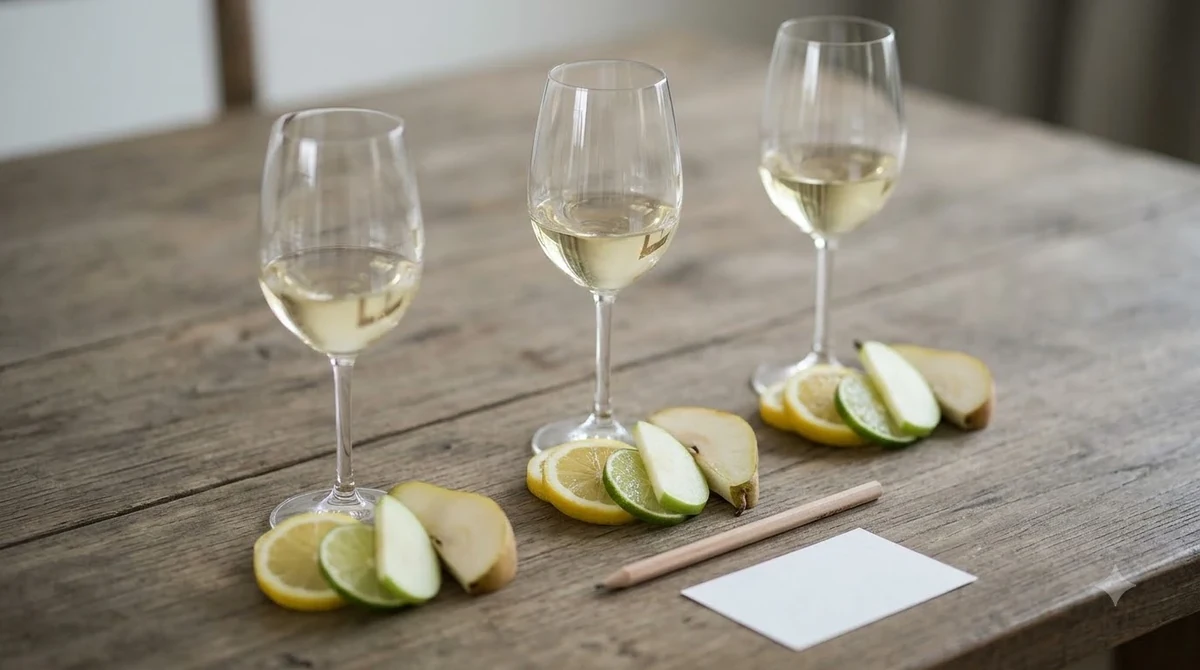
Whole spices infuse cleanly into white wine without turning the liquid cloudy or bitter. Simmering a 750-milliliter bottle of dry Riesling or Viognier over low heat with two tablespoons of honey, cinnamon sticks, green cardamom pods, star anise, sliced fresh ginger, and black peppercorns builds layered warmth in about thirty minutes. Keeping the pot below a boil prevents the alcohol from evaporating and preserves the wine’s fresh fruit character.
Citrus peel, sliced pears, and cloudy apple cider also work naturally in warm white wine mugs. Adding a small splash of brandy or honey herbal liqueur deepens the finish for fireside serving, while thin slices of firm red pear or clove-studded lemon wheels make practical garnishes that release aroma as the drink cools.
Matching Mixers to White Wine Styles
Choosing the right mixer depends on the acidity, sweetness, and oak influence of the wine in your glass. Crisp, unoaked bottles handle almost any mixer effortlessly, whereas rich, heavily oaked whites require more selective pairings so flavors do not clash.
| White Wine Style | Key Flavor Traits | Best Mixers | Avoid Mixing With |
|---|---|---|---|
| Sauvignon Blanc | High acidity, lime, green herbs, grapefruit | Club soda, gin, elderflower liqueur, jalapeño, lime juice | Heavy cream liqueurs or overly sweet syrups |
| Pinot Grigio | Light body, green apple, lemon, neutral finish | Sparkling water, peach purée, Aperol, fresh berries, vodka | Strong dark spirits that overpower its subtlety |
| Dry Riesling | Racy acidity, stone fruit, floral aromatics | Crème de cassis, ginger, mulling spices, club soda, pear juice | Artificial sour mixes |
| Unoaked Chardonnay | Medium body, crisp apple, melon, citrus | Apple cider, brandy, white sangria fruit, tonic water | Sugary colas |
| Oaked Chardonnay | Full body, vanilla, butter, toasted oak | Spiced apple cider, pear brandy, ginger syrup | Tart citrus juices or bitter tonic water |
Crisp, high-acid wines such as Pinot Grigio, Sauvignon Blanc, Albariño, and Vinho Verde are the most reliable all-purpose cocktail bases. Their natural tartness balances liqueurs, fruit purées, and simple syrups, keeping mixed drinks refreshing rather than cloying. Vinho Verde already carries a gentle natural spritz and lower alcohol, making it especially easy to lengthen with citrus and herbs.
Full-bodied, barrel-aged Chardonnay behaves differently in a shaker or pitcher because vanilla and toasted oak notes taste jarring alongside sharp lime juice or bitter Campari. If you have an oaked bottle open, lean into autumn flavors like apple cider, ginger syrup, cinnamon, or pear liqueur, which harmonize with wood spice. Paying attention to regional climate and what is terroir in wine also helps you predict whether a bottle will lean lean and mineral or plush and tropical before you start pouring.
Tip: Chill both your white wine and carbonated mixers thoroughly before building a spritzer, and pour the bubbles down the side of a tilted glass last so you keep maximum fizz.
Frequently Asked Questions
What is the best white wine to use for mixed drinks?
Dry, crisp, unoaked white wines such as Pinot Grigio, Sauvignon Blanc, Albariño, and Dry Riesling work best for mixing. Their bright acidity balances sweet liqueurs and fruit juices without tasting heavy, and they blend cleanly with club soda or clear spirits.
Can you mix white wine with Sprite or ginger ale?
Yes, mixing dry white wine with lemon-lime soda or ginger ale creates an easy, sweeter variation of a classic spritzer. Use a dry wine like Pinot Grigio or Sauvignon Blanc so the finished drink stays balanced rather than overly sugary, and serve it over plenty of ice with a squeeze of fresh lemon or lime.
What is the standard ratio for a white wine spritzer?
A light, low-alcohol spritzer typically uses two ounces of chilled white wine to four ounces of club soda, while a stronger aperitif pour uses three ounces of wine to one or two ounces of soda water. You can adjust the split depending on how much wine flavor and alcohol strength you want in the glass, keeping in mind how many glasses of wine is too much over a long afternoon.
How long do white wine cocktails and sangria last in the fridge?
Pitcher drinks like white sangria taste best within one to two days in the refrigerator before sliced citrus rinds turn bitter and fresh herbs wilt. If you make warm spiced wine in winter, storage rules mirror how long does mulled wine last, while carbonated spritzers should always be mixed right before serving so they do not go flat.
From a two-ingredient club soda spritzer to a spiced pot of warm vin chaud, white wine adapts to almost any season or occasion when paired with clean, complementary mixers. Stick with crisp, unoaked bottles for citrus, herbal, and sparkling builds, and save fuller styles for orchard fruit and warm spices. For more practical tips on serving temperatures, glassware, and grape styles, explore our wine basics Q&A.
More in Wine Basics
 Which Rose Is Best for Your Taste, Budget, and Food PairingsUpdated Nov 21, 2026
 Is Cheap Wine Bad? How to Find Bottles Worth DrinkingUpdated Nov 21, 2026
 What To Write On A Wine Gift Tag: Thoughtful Messages For Every OccasionUpdated Nov 21, 2026
 Which Wine Is Best For Weight Loss? Compare Lower-Calorie ChoicesUpdated Nov 21, 2026
 What Is The Best Wine For Mimosas? Choose Bubbly That Balances Orange JuiceUpdated Nov 20, 2026
 Which Prosecco Is Best for Your Taste and OccasionUpdated Nov 20, 2026