

We may earn a commission when you buy through links on this page, at no extra cost to you. Learn more.
What to eat with champagne? Salty snacks, fried foods, fresh seafood, and creamy cheeses are classic partners, because the bubbles and acidity cut through richness and refresh the palate. Wine Folly’s Champagne guide notes that the wine goes well with foods that are salty, fried, or fishy, and it suggests serving Champagne with the main course rather than only as an aperitif.
Champagne is often treated as a celebration drink for toasts and first sips, but it is one of the most flexible wines at the table. Its acidity, fine bubbles, and range of sweetness let it match a wide spread of dishes. This guide walks through the foods that pair well, the styles that suit each course, and the simple mistakes to avoid when planning a meal around a bottle.
Why Champagne works with so many foods
Champagne is a sparkling wine from the Champagne region of France, and its structure gives it a useful balance. Bright acidity brings lift to rich foods, so the wine can refresh the mouth after a bite of fried or buttery dish. The bubbles scrub the palate, which makes each new bite taste as fresh as the first. Many sparkling wines share this quality, but Champagne’s layered flavors of citrus, toast, and orchard fruit give it extra range with food.
This is why the wine is less of a single-purpose drink than many people assume. Rather than saving it for toasts, a host can pour it from the first course through dessert, adjusting the style as the meal moves along. The guide to where champagne comes from explains how the region’s chalky soils and cool climate create the acidity that makes these pairings work.
Salty and fried foods
Salty and fried foods are among the best matches for Champagne. Wine Folly describes the wine as going well with foods that are salty, fried, or fishy, and that advice is a practical starting point. A bowl of potato chips, a plate of fried chicken, or a platter of popcorn with sea salt all work well, because the salt makes the wine taste brighter and the bubbles clear the palate after each bite.
Fried seafood is another strong partner. Tempura, fried calamari, and battered fish cut through the oil and leave the mouth ready for the next sip. A dry or brut style is usually the best choice here, because a sweeter bottle can make salty food taste flat.
| Food type | Suggested Champagne style | Why it works |
|---|---|---|
| Fried foods and salty snacks | Brut or extra brut | Acidity and bubbles cut through oil and salt |
| Oysters and raw shellfish | Brut or blanc de blancs | Crisp citrus matches clean sea flavors |
| Soft cheeses and creamy dishes | Brut or rosé | Acid balances butter and cream |
| Fruit desserts | Demi-sec | Some sweetness matches ripe fruit |
Tip: Serve the wine very cold but not icy, and pour a small amount at first so the bubbles stay lively through the course.
Seafood, oysters, and light dishes
Seafood is a natural partner for Champagne, especially oysters, scallops, and simple shrimp dishes. The wine’s citrus notes and fine acidity match the clean, saline character of raw shellfish. A blanc de blancs, made only from white grapes, often feels especially sharp and fresh with oysters, while a classic brut adds more toasty depth for cooked seafood.
Lighter dishes also benefit from a glass of Champagne. Grilled vegetables, herb salads with lemon, and cucumber or avocado dishes all share the wine’s crisp profile. The key is to keep the seasoning gentle, so the wine can stand beside the food instead of fighting with strong spices.
Creamy dishes, cheese, and richer plates
Creamy and buttery foods gain a lift from Champagne’s acidity. A risotto finished with butter, a plate of soft cheese, or a dish of scrambled eggs with cream all become brighter when served with the wine. Rosé Champagne adds a little red-fruit character that suits salmon, duck, and other richer proteins, and it can tie a meal together when guests order different plates.
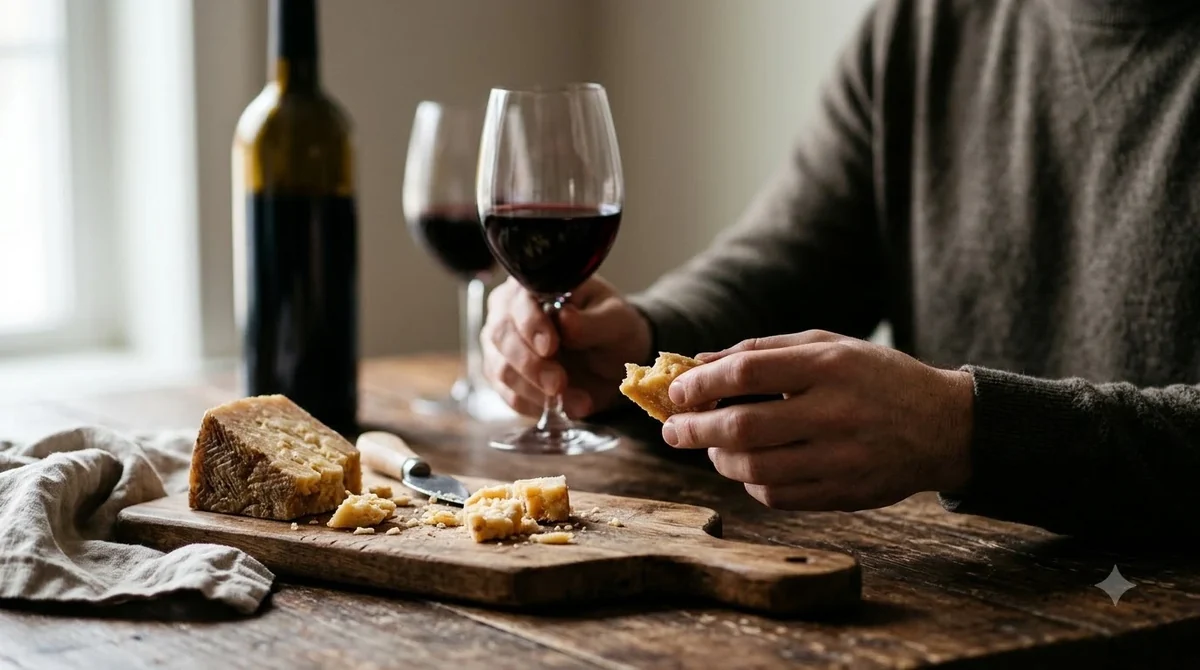
Aged cheeses are a more delicate match. Hard, nutty cheeses can work with a mature bottle, while very strong blue cheeses may overwhelm the wine. For a cheese board, offer a mix of soft and mild options, and let guests choose their favorites between sips.
Sweet desserts and when to match sweetness
Champagne can also accompany dessert, but the sweetness level of the bottle matters. Brut is the most common style and is quite dry, so it can taste sour beside a very sweet cake. Demi-sec Champagne has more sugar and works better with fruit tarts, pears, or berries. The general rule is that the wine should be as sweet as the dessert, or sweeter, so the dessert does not make the wine taste thin.
Fruit-forward desserts are the easiest pairing. A simple dish of strawberries, a lemon tart, or a pear dessert can match the wine’s citrus and orchard notes. Chocolate is trickier, because dark chocolate is often more bitter than the wine, so a milder milk or white chocolate dessert tends to fit better.
Common mistakes when pairing Champagne
Most pairing problems come from a few avoidable habits. Serving the wine too warm can make it taste flat and heavy, so chill it properly before the meal. Guides on how to chill champagne quickly and how to keep champagne bubbly cover the practical steps, and a short rest in an ice bath often does more than a long wait in the fridge. Choosing a very sweet style for salty snacks can make the food taste dull, and pairing a delicate wine with heavy spice can hide the bubbles and fruit. Another common error is to open the bottle too early, which lets the bubbles fade before the food arrives.
Glassware is another small detail that shapes the experience. A tall flute keeps the bubbles visible and concentrates the aromas, while a wider glass lets the wine open up more and show its toasty notes. Either choice works, but a host who pours the same glass for every course keeps the tasting simple and avoids confusion at the table.
Portion size also matters. A few small servings with different dishes usually work better than one large glass with a single course. This approach lets guests taste how the wine changes from one plate to the next, and it keeps the experience light across a longer meal.
Tip: Keep a second, drier bottle on hand. If the dessert turns out sweeter than expected, the drier wine can be poured with the savory courses instead.
Frequently Asked Questions
What is the best food to eat with champagne?
Fried foods, salty snacks, oysters, and soft cheeses are reliable choices. Wine Folly’s Champagne guide describes the wine as pairing well with foods that are salty, fried, or fishy, which covers many common party dishes.
Should Champagne be served with the main course?
Many wine writers suggest it, because Champagne has enough structure to handle a full meal. Wine Folly recommends serving it with the main course rather than limiting it to an aperitif.
Does brut or demi-sec work better with food?
Brut is the more versatile style for savory food, because it is dry and crisp. Demi-sec is better suited to fruit desserts, since its sweetness balances ripe fruit without tasting sour.
Can rosé Champagne be paired with dinner?
Yes. Rosé Champagne has red-fruit notes that suit salmon, duck, and richer plates. It is a good choice when a meal includes a mix of seafood and meat dishes.
Champagne is far more adaptable than its reputation suggests. Choose a dry style for fried and salty foods, a blanc de blancs for oysters, a rosé for richer dishes, and a demi-sec for fruit desserts. Serve it cold, pour it through the meal, and let the bubbles do their work between bites.
More in Wine Basics
 Which Rose Is Best for Your Taste, Budget, and Food PairingsUpdated Nov 21, 2026
 Is Cheap Wine Bad? How to Find Bottles Worth DrinkingUpdated Nov 21, 2026
 What To Write On A Wine Gift Tag: Thoughtful Messages For Every OccasionUpdated Nov 21, 2026
 Which Wine Is Best For Weight Loss? Compare Lower-Calorie ChoicesUpdated Nov 21, 2026
 What Is The Best Wine For Mimosas? Choose Bubbly That Balances Orange JuiceUpdated Nov 20, 2026
 Which Prosecco Is Best for Your Taste and OccasionUpdated Nov 20, 2026