

We may earn a commission when you buy through links on this page, at no extra cost to you. Learn more.
What is trebbiano? Trebbiano is the name used for several Italian white wine grape varieties, best known for producing fresh, high-acid wines with delicate fruit flavors and relatively neutral aromas. Trebbiano Toscano is the most widely recognized variety, while Trebbiano d’Abruzzo is associated with a distinctive regional wine from central Italy. Depending on the grape variety, growing region and winemaking approach, Trebbiano can produce crisp everyday whites, more structured food-friendly wines, blends and grapes for brandy production.
Trebbiano is an important name in Italian wine, although it can be confusing for anyone encountering it for the first time. Unlike a grape name that always identifies one specific variety, Trebbiano covers several related-sounding but distinct grapes grown in different parts of Italy. Understanding the differences helps explain why one bottle can be light and restrained while another has more concentrated fruit, texture and regional character. From Tuscany to Abruzzo, this versatile white grape family offers plenty of reasons to explore Italian white wine beyond the familiar Pinot Grigio and Chardonnay.
What Is Trebbiano Wine Made From?
Trebbiano wine is made from white grapes belonging to a family of varieties traditionally cultivated across Italy. The name does not identify just one genetically identical grape, which is why the region or full varietal name on a bottle can make a meaningful difference to the wine’s style.
Wine Enthusiast identifies at least six Italian grape varieties primarily known by the Trebbiano name. Among the best-known are Trebbiano Toscano, Trebbiano Abruzzese, Trebbiano Romagnolo, Trebbiano Spoletino and Trebbiano Giallo. These varieties have different identities, growing characteristics and winemaking uses. Some produce straightforward, refreshing white wines, while others can contribute greater aromatic interest and structure. The Wine Enthusiast Trebbiano grape profile provides a useful overview of these distinctions.
Trebbiano Toscano is generally the variety meant when a wine is described simply as Trebbiano. It is widely cultivated in Italy and is also important in France, where it is called Ugni Blanc. Its natural acidity and relatively neutral flavor make it useful for producing fresh white wines and for blending with other grapes. It is also an important grape for producing the acidic base wines used in Cognac and Armagnac distillation.
Trebbiano d’Abruzzo is a particularly important regional expression. The DOC designation identifies a wine produced under rules specific to Abruzzo, rather than simply naming a single grape. Its permitted grape composition can include Trebbiano Abruzzese and Trebbiano Toscano, with other non-aromatic white varieties allowed in limited proportions. This distinction explains why the word Trebbiano on a label does not always tell the entire story.
For wine drinkers, the practical takeaway is simple: look beyond the shared name. A bottle labeled Trebbiano Toscano, Trebbiano d’Abruzzo or Trebbiano Romagnolo can represent a different combination of grape identity, regional conditions and winemaking decisions. If you are learning to identify individual grape characteristics, our Wine by Type resource provides a useful starting point for comparing white wine styles.
Where Does Trebbiano Grow?
Trebbiano varieties are strongly associated with Italy, particularly Central Italy, but their influence extends well beyond the country’s borders. Tuscany and Abruzzo are two especially useful regions to understand because they illustrate the difference between a widely cultivated grape variety and a regional wine designation.
Trebbiano Toscano is found throughout Italy, with significant historical importance in Central Italy. It is permitted in numerous Italian DOC appellations, including Frascati, Orvieto and Soave. In these wines, it may appear alongside other permitted grapes rather than being the only variety in the bottle. Its acidity and relatively restrained aroma make it a useful blending component, especially when winemakers want freshness without introducing an overpowering aromatic character.
In Tuscany’s Maremma area, Trebbiano Toscano is commonly known as Procanico. The Consorzio Tutela Vini della Maremma Toscana also records synonyms including Biancame, Albanella, Trebbianone and Trebbianello. The grape has a late-ripening growth cycle and considerable vine vigor. It adapts to different soils but generally prefers conditions that are not excessively fertile, very windy or too dry.
Abruzzo offers another important interpretation. Trebbiano d’Abruzzo DOC covers a broad production area across the region, including territories in the provinces of Chieti, Pescara, Teramo and L’Aquila. Its production regulations specify vineyard conditions and permitted grape varieties, helping establish the regional identity of the wine.
The denomination was recognized in 1972. Its production specification permits Trebbiano Abruzzese and/or Trebbiano Toscano to account for at least 85% of the grapes, with up to 15% other suitable non-aromatic white varieties. This flexibility means that the designation is not necessarily a guarantee that every bottle contains exactly the same grape composition.
Outside Italy, Trebbiano Toscano is especially significant in France under the name Ugni Blanc. It is widely used in the Cognac and Armagnac regions, where its acidity is valuable for producing wines destined for distillation. It is also grown in Portugal under the name Tália, as well as in several other wine-producing countries.
The international naming differences can be confusing, but they reveal how one grape variety can serve different purposes depending on the local wine industry. For another example of how grape names vary between countries, see our article on the Airén grape.
What Does Trebbiano Taste Like?
Trebbiano typically produces a light to medium-bodied white wine with refreshing acidity, restrained aromas and delicate fruit flavors. The most familiar expressions are dry, crisp and easy to drink, although individual varieties and regional winemaking techniques can create more distinctive profiles.

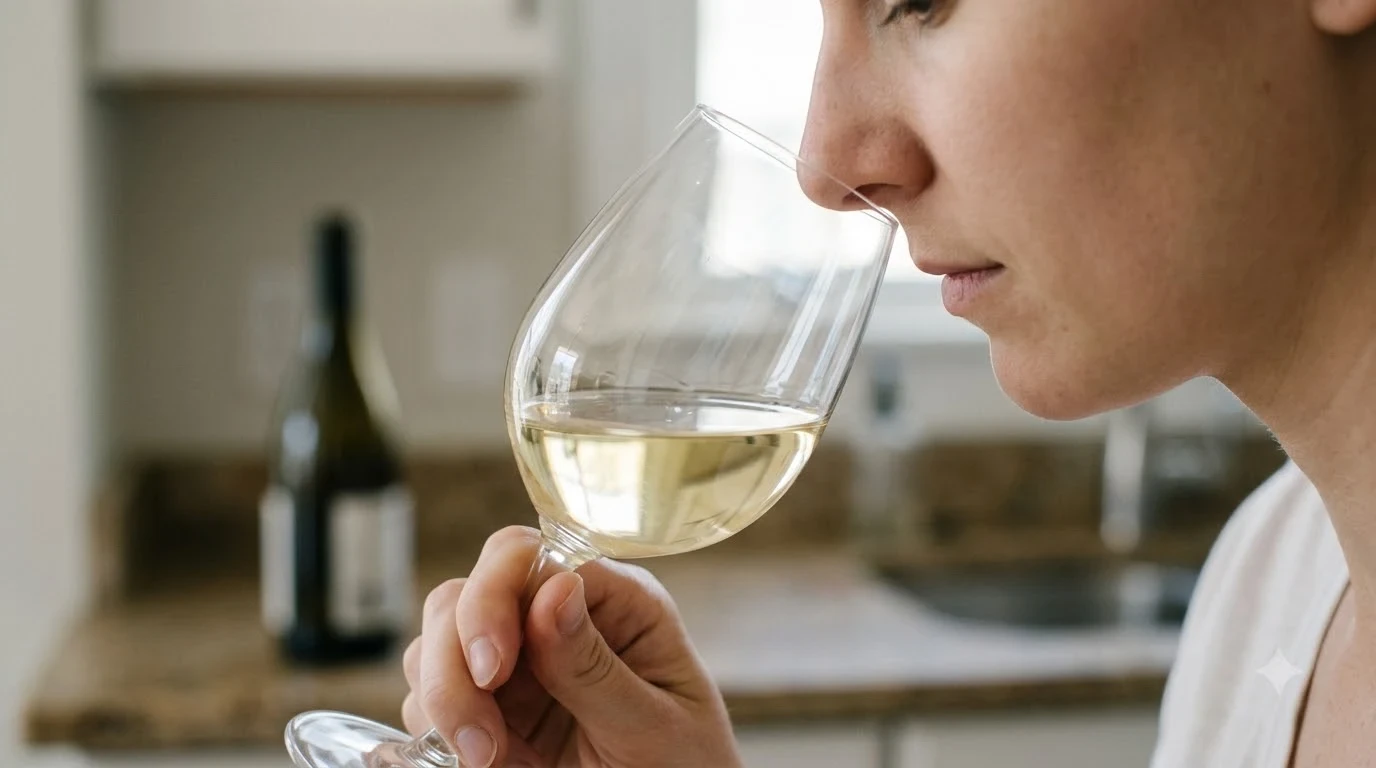
In the glass, Trebbiano Toscano is often straw yellow. Its aromas tend to be subtle rather than intensely perfumed, with delicate white-fruit notes. Depending on the growing conditions and producer, you may notice hints of green apple, pear, lemon, citrus peel or light floral character. These are useful tasting expectations rather than fixed characteristics shared by every bottle.
The wine’s acidity is one of its defining features. Rather than relying on strong tropical fruit aromas or heavy oak flavors, many Trebbiano wines offer a clean, refreshing sensation. The acidity makes the wine particularly useful at the dinner table because it can refresh the palate between bites and complement foods with natural acidity of their own.
Trebbiano d’Abruzzo can offer a somewhat different experience. Wine Enthusiast describes these wines as having stronger fruit character than might be expected from other Trebbiano varieties. Depending on the producer and the specific wine, the profile may include more pronounced fruit, a fuller impression on the palate and a distinctive savory quality.
Some more developed examples can show additional mineral, almond or floral characteristics. These qualities are particularly relevant in regional expressions where the grape, vineyard conditions and cellar practices combine to create greater complexity.
Oak treatment can also influence the final impression. Many basic Trebbiano wines are made to emphasize freshness and uncomplicated fruit rather than obvious wood character. However, certain wines can spend time in wooden vessels, adding texture and subtle notes of spice or toasted wood. The result depends on the size of the vessel, the length of aging and the winemaker’s intentions.
It is also important to distinguish acidity from sweetness. A wine can taste crisp and lively while remaining completely dry. Trebbiano’s natural acidity may make the wine seem especially refreshing, but it does not automatically mean that the wine contains noticeable residual sugar.
Trebbiano Wine Styles and Regional Differences
Trebbiano does not have one universal flavor profile because its different varieties serve several purposes. Comparing Trebbiano Toscano, Trebbiano d’Abruzzo and Trebbiano Romagnolo provides a practical way to understand the differences between the main styles.
Trebbiano Toscano
Trebbiano Toscano is the familiar reference point for the broader Trebbiano name. It generally produces high-acid, relatively neutral wines that can be enjoyed on their own or blended with other white grapes. Its restrained character makes it particularly useful in wines where freshness and balance are more important than powerful aromatic expression.
In Tuscany, this grape is also known as Procanico in the Maremma area. The local wine consortium identifies its straw-yellow color, delicate white-fruit aromas and good acidity as characteristic features. Depending on the appellation, it may appear in still wines, sparkling wines, late-harvest styles and Vin Santo.
Trebbiano d’Abruzzo
Trebbiano d’Abruzzo is the best-known regional denomination associated with the name. Its wines are generally dry or slightly off-dry, with a straw-yellow color and a delicate but recognizable aromatic profile. They can offer more fruit expression than the neutral style commonly associated with Trebbiano Toscano.
The DOC rules provide important details about its production. The base wine must contain at least 85% Trebbiano Abruzzese and/or Trebbiano Toscano, while other non-aromatic white grapes can account for no more than 15%. The minimum total alcohol level at consumption is 11.5% by volume, and the minimum total acidity is 4.5 grams per liter expressed as tartaric acid.
Trebbiano Romagnolo
Trebbiano Romagnolo is another distinct grape variety, particularly significant in Emilia-Romagna. It is used in blends and varietal wines, including Trebbiano di Romagna DOC. Its wines are generally associated with fresh acidity and restrained flavor, making them suitable for uncomplicated white wine styles.
Although Trebbiano Romagnolo and Trebbiano Toscano can produce wines with some similar characteristics, they should not be treated as interchangeable names for the same grape. Their separate identities are important when comparing Italian regional wines.
Trebbiano Spoletino and Other Varieties
Trebbiano Spoletino is another distinct Italian white grape associated with Umbria. It can produce more aromatic and structured wines than the relatively neutral profile often associated with Trebbiano Toscano. This is one reason why the wider Trebbiano family should not be judged exclusively by the simplest examples of the grape.
Other varieties, including Trebbiano Giallo, contribute to the diversity of Italian white wine. Each has its own regional history and potential uses, reinforcing the importance of identifying the complete grape name rather than assuming that all Trebbiano wines will taste alike.
| Wine or grape | Main association | Typical style | Key characteristic |
|---|---|---|---|
| Trebbiano Toscano | Central Italy and Tuscany | Dry white | High acidity and restrained fruit |
| Trebbiano d’Abruzzo | Abruzzo, Italy | Dry to slightly off-dry white | Fresh acidity and more pronounced fruit |
| Trebbiano Romagnolo | Emilia-Romagna | Dry white and blends | Fresh, relatively neutral profile |
| Trebbiano Spoletino | Umbria, Italy | Dry white | More aromatic and structured expressions |
| Ugni Blanc | France | Distillation base wine | High acidity and restrained flavor |
These are broad style descriptions, not guarantees about every bottle. A producer’s decisions about harvesting, fermentation, blending and aging can change the finished wine considerably. For a useful comparison with another Portuguese white grape, explore our guide to Arinto wine, which also demonstrates how natural acidity contributes to a refreshing white wine style.
How Trebbiano Is Made and Why Its Acidity Matters
Trebbiano’s winemaking potential comes partly from its naturally high acidity and productive vines. Depending on the intended style, producers can use it for fresh still whites, blends, sparkling wine bases and wines intended for distillation.
Trebbiano Toscano is a vigorous, late-ripening grape. Its growth characteristics can produce substantial crops, making vineyard management and harvest decisions particularly important. The final wine depends on the relationship between grape ripeness, acidity, sugar accumulation and the producer’s desired style.
For a straightforward dry white wine, the grapes are generally harvested with freshness in mind. After picking, the fruit is pressed to separate the juice from the skins. The juice is then fermented, often in temperature-controlled stainless-steel tanks when the aim is to preserve delicate aromas and fresh fruit character.
Fermentation converts grape sugar into alcohol. For a dry Trebbiano, the process typically continues until most fermentable sugar has been consumed. The finished wine may then be clarified, stabilized and bottled relatively young, preserving its refreshing character.
Not every producer follows exactly the same approach. Some may use lees contact to add texture, while others may employ larger fermentation vessels or wooden aging. Blending is another important tool, especially for Trebbiano Toscano, whose restrained flavor can provide acidity and structure without dominating other varieties.
Trebbiano’s acidity is also valuable beyond ordinary table wine. In France, Ugni Blanc is a major grape for Cognac and Armagnac production. These spirits begin with wine that is generally low in alcohol and high in acidity, qualities that make the grape particularly suitable for distillation.
The distinction between the wine’s intended use and its final presentation is important. A Trebbiano-based wine made for distillation is not necessarily intended to be enjoyed as a finished table wine. The same grape can serve very different purposes depending on the production region and the requirements of the beverage being made.
Trebbiano d’Abruzzo has its own regulatory framework. According to the regional DOC production specification, its base-wine grape yield is limited to 17 metric tons per hectare, and its base wine cannot be released for consumption before January 1 of the year following the harvest. These requirements help define the production and release of the regional wine.
Tip: When comparing Trebbiano bottles, pay attention to the complete grape or appellation name. Trebbiano Toscano, Trebbiano d’Abruzzo and Trebbiano Romagnolo can have noticeably different profiles, so comparing them is more informative than treating every bottle labeled Trebbiano as the same wine.
Best Food Pairings for Trebbiano
Trebbiano is particularly well suited to seafood, fish, vegetables, delicate soups and fresh cheeses. Its refreshing acidity and relatively light body make it a natural partner for dishes that benefit from a clean, palate-refreshing white wine.
Seafood is one of the strongest pairing choices. Try Trebbiano with grilled shrimp, steamed mussels, calamari, clams or a simple seafood salad. The wine’s acidity complements the natural sweetness and delicate texture of shellfish without overwhelming the food.
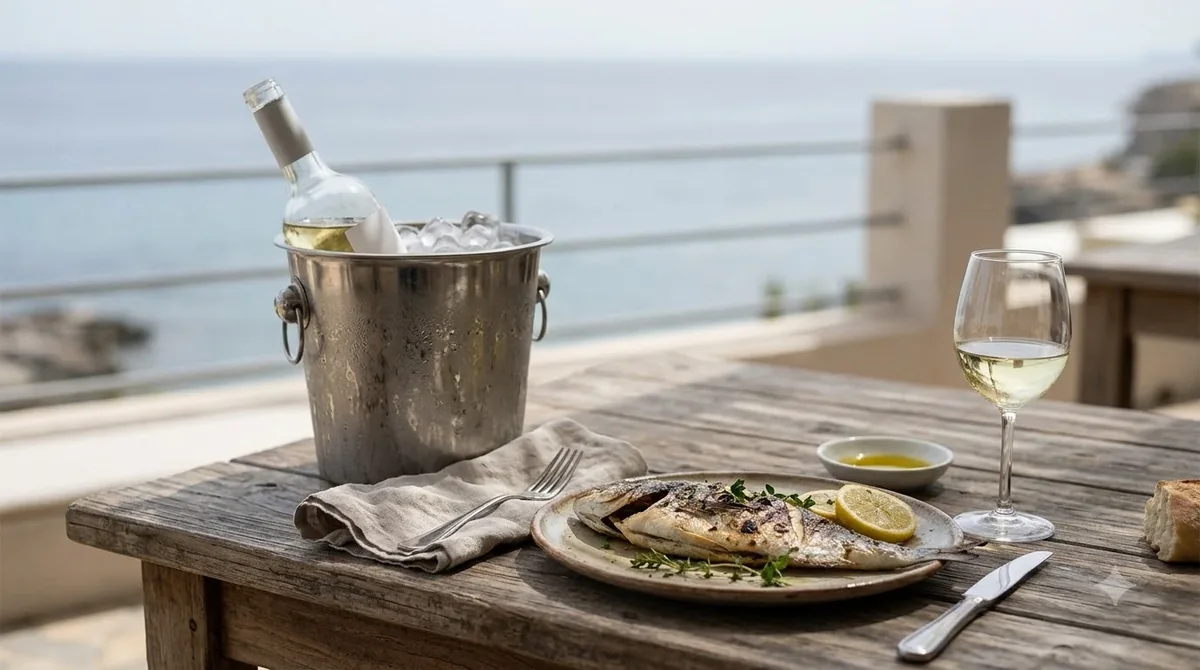
Fish dishes are equally suitable, especially when prepared with lemon, olive oil, fresh herbs or light sauces. Grilled sea bass, baked cod and pan-seared sole are good options. The wine’s restrained flavor allows the fish to remain the focus of the meal.
For pasta, consider dishes with light seafood sauces, olive oil, garlic, herbs or vegetables. Spaghetti alle vongole, for example, combines clams, garlic and olive oil in a preparation that works naturally with Trebbiano’s fresh acidity. Vegetable risotto and simple minestrone can also be excellent choices.
Fresh cheeses offer another appealing combination. Ricotta, fresh mozzarella and mild goat cheese have gentle flavors and creamy textures that complement a light, refreshing white. A cheese plate with fresh bread, olives and mild herbs makes a simple pairing for a relaxed lunch.
Trebbiano can also work with roasted vegetables, grilled zucchini, asparagus and lightly dressed salads. Foods with a little citrus or vinegar can pair particularly well when the wine has comparable acidity. A dish with strong acidity should not overwhelm the wine, so keep the seasoning balanced.
Foods to Approach Carefully
Rich, heavily seasoned dishes may overpower a delicate Trebbiano. Strong blue cheeses, intensely smoky meats and heavily spiced sauces can make the wine seem less expressive. If you want to serve it with richer food, choose a more structured Trebbiano d’Abruzzo rather than a very light, uncomplicated expression.
Chili-heavy dishes also require some care. Alcohol and tannin can amplify the sensation of chili heat, although Trebbiano is generally not a tannic wine. A moderately spicy seafood dish may work, but very hot sauces can overwhelm its delicate flavors.
For dessert, remember that the wine should be at least as sweet as the dish. Most dry Trebbiano wines are better suited to savory courses than sweet desserts. If you want a sweet pairing, choose a wine specifically made in a sweeter style rather than assuming that every Trebbiano will have enough residual sugar.
How to Serve, Store and Choose Trebbiano
Serve Trebbiano chilled but not excessively cold. A temperature of 45–50°F is a good starting point for most light white expressions, allowing the wine’s acidity and delicate aromas to remain balanced.
Very cold temperatures can make subtle aromas difficult to detect, especially in wines with restrained fruit character. If a bottle has been stored in a refrigerator, give it a few minutes at room temperature before pouring if it seems too cold. More structured or fuller-bodied expressions can be served slightly warmer, around 50–55°F.
A standard wine glass with a moderately sized bowl is suitable. Pour approximately 5 ounces per serving, leaving room in the glass to release aromas. A 750 ml bottle provides approximately five standard servings.
Most young Trebbiano wines are intended for relatively early enjoyment. Their appeal usually comes from fresh acidity, delicate fruit and clean flavors rather than extended bottle aging. More serious regional expressions may develop additional complexity, but the ideal drinking window depends on the producer, vintage and wine style.
For storage, keep unopened bottles in a cool, dark location with a relatively consistent temperature near 55°F. Bottles sealed with traditional corks are generally best stored horizontally to help keep the cork from drying out. Avoid direct sunlight, strong temperature fluctuations and prolonged exposure to heat.
Once opened, reseal the bottle and place it in the refrigerator. Most still Trebbiano wines remain enjoyable for approximately 3–5 days when properly stored, although their freshest aromas are generally most noticeable shortly after opening.
Choosing a Bottle
If you are new to Trebbiano, a straightforward Trebbiano Toscano is a sensible starting point. Its fresh acidity and restrained character make it easy to understand and suitable for casual meals. It is also a useful introduction to the broader family of Italian white grapes.
For a wine with more regional character, look for Trebbiano d’Abruzzo DOC. Its permitted blend composition and regional production standards make it a useful category to explore when comparing Italian whites. A good example can offer a combination of freshness, fruit and savory character that works especially well with food.
If you prefer more aromatic wines, investigate Trebbiano Spoletino or other distinct varieties rather than assuming all Trebbiano wines have the same flavor. These grapes may provide a more expressive experience and are useful for understanding the diversity hidden behind the shared name.
Finally, consider the occasion. A simple, crisp Trebbiano works well as an aperitif or with a light lunch, while a more structured regional wine can accompany a full seafood dinner. Matching the wine’s body and acidity to the food is generally more useful than choosing a bottle solely because it carries a familiar grape name.
Frequently Asked Questions
Is Trebbiano the same as Pinot Grigio?
No. Trebbiano and Pinot Grigio are different grape varieties with distinct identities. Pinot Grigio is the Italian name for Pinot Gris, while Trebbiano refers to several Italian white grapes. Both can produce refreshing white wines, but their aromas, vineyard characteristics and typical flavor profiles differ.
Is Trebbiano related to the grape used for Cognac?
Yes. Trebbiano Toscano is known as Ugni Blanc in France and is an important grape in Cognac production. It is also used for Armagnac base wine. Its naturally high acidity and relatively neutral flavor make it suitable for producing wine that will subsequently be distilled.
Can Trebbiano be used to make sparkling wine?
Yes. Trebbiano varieties can be used in sparkling wine production, although the exact style depends on the producer and regional regulations. The grape’s natural acidity can provide freshness in sparkling wines. The Maremma Toscana DOC framework also recognizes a Bianco Spumante category in which Trebbiano can contribute alongside Vermentino and Viognier.
What does Procanico mean on an Italian wine label?
Procanico is a regional synonym for Trebbiano Toscano used particularly in the Maremma area of Tuscany. It does not identify a completely unrelated grape in this context. The name reflects local wine-growing terminology and is useful to recognize when exploring Tuscan white wines.
Can Trebbiano wine be aged for several years?
Some examples can develop additional complexity with bottle age, particularly more structured regional wines made with aging in mind. However, most simple Trebbiano whites are designed to be enjoyed relatively young. Their fresh acidity and delicate fruit are generally most appealing before extended storage diminishes their freshness.
Trebbiano is a versatile part of Italy’s white wine heritage, encompassing several distinct grapes and a wide range of wine styles. Start with a fresh Trebbiano Toscano or a regional Trebbiano d’Abruzzo, then compare other varieties to discover how differently this grape family can express itself. Whether served with seafood, fresh cheese or a simple Italian lunch, Trebbiano offers a refreshing introduction to the diversity of Italian white wine.
More in Wine Types & Grapes
 Zinfandel Sugar Content: Dry Red vs. White Zinfandel GramsUpdated Nov 21, 2026
 Best Zinfandel Substitute Options for Sipping and CookingUpdated Nov 21, 2026
 Zweigelt Food Pairing: Best Dishes, Cheeses, and Serving TipsUpdated Nov 21, 2026
 Zinfandel Tannins Explained: How Structure Shapes Every BottleUpdated Nov 21, 2026
 Zinfandel Sweetness Level: Dry Red vs. Sweet White Zin ExplainedUpdated Nov 21, 2026
 Xinomavro Food Pairing: Best Dishes, Styles, and Serving TipsUpdated Nov 21, 2026