

We may earn a commission when you buy through links on this page, at no extra cost to you. Learn more.
If you are wondering what is tokaji aszu, it is Hungary’s famous golden dessert wine made primarily from Furmint grapes shriveled on the vine by noble rot (Botrytis cinerea). Produced in the historic Tokaj wine region in northeastern Hungary, it combines intense natural sweetness with high, mouthwatering acidity. Rather than tasting cloying or syrupy, a well-made bottle delivers layered flavors of dried apricot, orange marmalade, honey, ginger, and saffron.
Prized by European royalty for centuries—King Louis XIV of France famously called it the “Wine of Kings, King of Wines”—this rare sweet wine requires painstaking hand-harvesting across multiple passes through the vineyard. Understanding how it is made, what the numbers on the label mean, and how to pour it will help you appreciate one of the wine world’s most distinctive bottles.
What It Is
Tokaji Aszú is a botrytized sweet wine crafted by macerating individually handpicked, raisined grapes—called aszú berries—into a base must or young dry wine. The secret behind its concentration is Botrytis cinerea, a beneficial vineyard fungus known as noble rot that punctures grape skins, evaporates water, and concentrates sugars, acids, and aromatic compounds.
Unlike standard late-harvest wines where whole clusters are picked at once, workers walk the rows several times each autumn to pluck only the shriveled, botrytis-affected berries by hand. According to Wine Folly’s Tokaji Aszú guide, these shriveled berries are mixed with base wine and left to macerate so their sugars and complex aromatics infuse the liquid before pressing and fermentation. Under Hungarian wine regulations, producers only use six permitted native white grape varieties, led by Furmint and supported by Hárslevelű, Sárgamuskotály (Muscat Blanc), Kabar, Kövérszőlő, and Zéta.
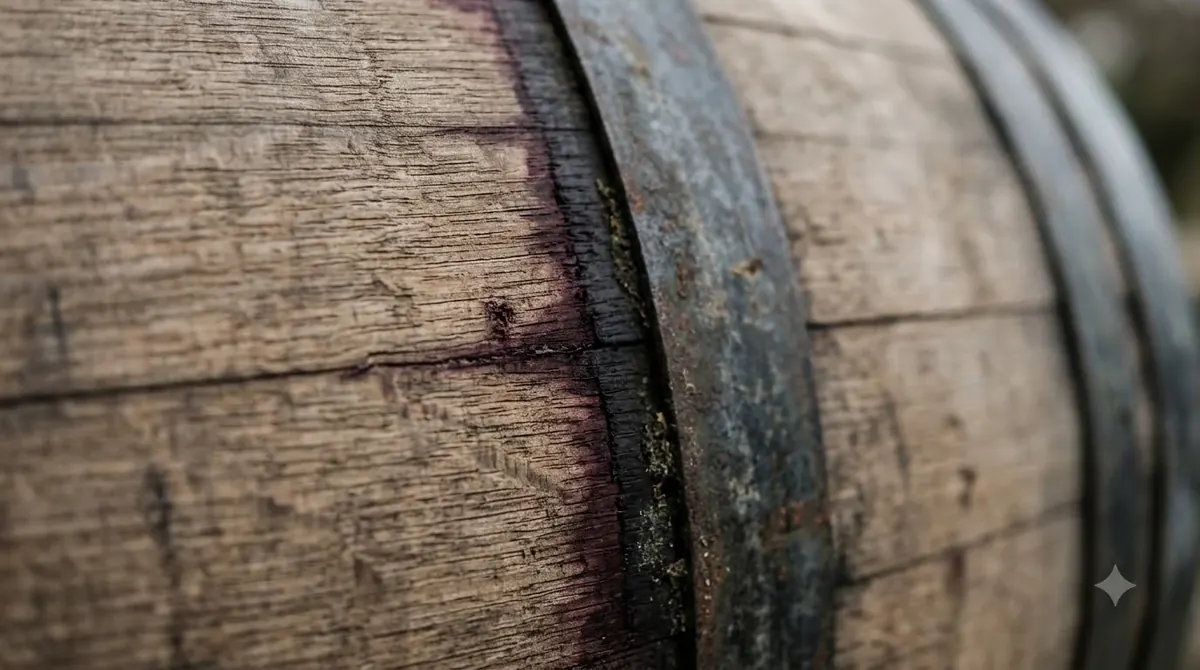
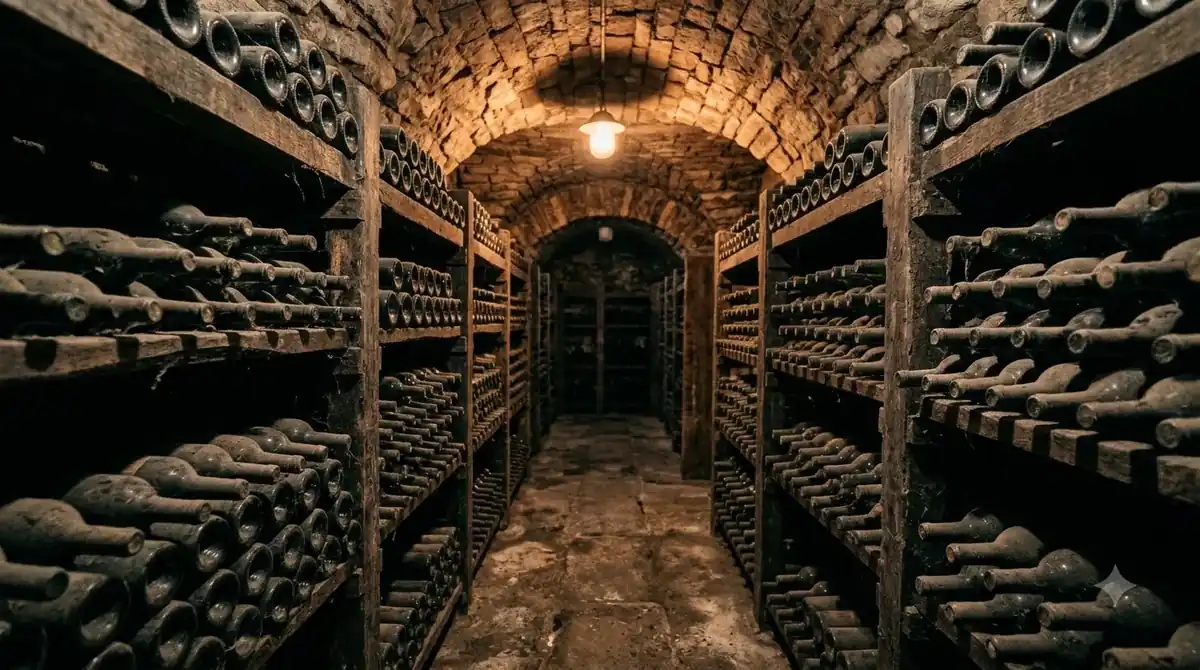
Once pressed and fermented, the wine matures in traditional Hungarian oak barrels inside cool volcanic cellars. Hungarian regulations require aging for at least 18 months in wood, and bottles cannot be released to the market before January 1 of the third year following the harvest. This slow maturation deepens the wine’s color from bright gold to rich amber while integrating subtle notes of toasted nuts, beeswax, and sweet baking spices.
If you are unsure how to ask for a bottle at a wine shop, brush up on how to pronounce tokaji aszu before your next visit, as the Hungarian spelling looks quite different from how it sounds.
Flavor and Styles
Tokaji Aszú is defined by the tension between lush, honeyed sweetness and razor-sharp natural acidity, creating a finish that feels bright and clean rather than heavy. Primary aromas typically center on dried stone fruits, candied citrus peel, and wildflower honey, backed by exotic spice notes imparted by noble rot.
When you swirl a glass of young Aszú, expect vibrant notes of apricot jam, tangerine, orange blossom, and acacia honey. Because Furmint naturally retains fierce acidity even when overripe, the palate stays lively and refreshing from the first sip to the lingering finish. As bottles age for ten, twenty, or even fifty years in a cellar, those bright fruit tones evolve into dried fig, marzipan, roasted hazelnuts, ginger, saffron, and a delicate waxy texture.
Historically, producers measured sweetness using a unit called puttonyos, which referred to the number of 25-kilogram wooden hods (baskets) of aszú berry paste added to a 136-liter barrel of base wine. While older vintages carried designations from 3 to 6 puttonyos, modern rules implemented starting with the 2013 harvest raised the minimum residual sugar floor to 120 grams per liter. Today, any bottle labeled simply as Tokaji Aszú meets or exceeds that 120 g/L threshold, though many wineries still print 5 Puttonyos or 6 Puttonyos on the label to signal richness.
| Tokaji Style | Minimum Residual Sugar | Winemaking Method | Typical Profile |
|---|---|---|---|
| Tokaji Aszú (5 Puttonyos equivalent) | 120 g/L | Hand-selected aszú berries macerated in base wine or fermenting must | Apricot, orange peel, honey, bright acidity |
| Tokaji Aszú 6 Puttonyos | 150 g/L | Higher proportion of hand-selected aszú berries soaked in base wine | Deep amber, dried fig, ginger, saffron, dense texture |
| Tokaji Eszencia | 450 g/L or higher | Free-run juice collected solely from the weight of stacked aszú berries | Syrupy nectar, extremely low alcohol, intense concentration |
| Édes Szamorodni | Varies (sweet style) | Whole grape bunches containing both healthy and botrytized berries pressed together | Lighter sweetness, floral, baked apple, honeyed citrus |
Alongside Aszú, the region produces a rare, ultra-concentrated elixir called Tokaji Eszencia. Made strictly from the free-run juice that oozes naturally from harvested aszú berries under their own weight, Eszencia contains so much natural sugar that yeast struggles to ferment it, often resulting in a wine under 5 or 6 percent alcohol that is traditionally served by the crystal spoonful.
Where It Grows
All authentic Tokaji Aszú comes from the Tokaj wine region in northeastern Hungary, situated near the border with Slovakia at the foothills of the Zemplén Mountains. Recognized by royal decree in 1737—and preceded by a vineyard classification system initiated in 1730—Tokaj stands as the world’s oldest officially classified wine region, predating both Bordeaux and Port.
The region’s geography is uniquely engineered for noble rot. Two rivers, the Tisza and the Bodrog, converge at the southern edge of the wine district. During autumn, cool morning mists rise off the rivers and drift across the hillside vineyards, encouraging Botrytis cinerea to colonize the thin-skinned Furmint and Hárslevelű grapes. By midday, warm, dry winds sweep down from the slopes and evaporate the moisture, halting the fungus before it turns into destructive gray rot.
Beneath the vines lies a complex patchwork of ancient volcanic soils—including rhyolite, andesite, and zeolite—topped in many spots by windblown loess. According to Wine Enthusiast’s Tokaji overview, while dry white wines from the region have gained international acclaim in recent years, the sweet botrytized wines remain its historic crown jewel. The name “Tokaji” itself simply means “from Tokaj” in Hungarian, so mastering how to pronounce tokaji helps when exploring both the dry and sweet bottlings from this volcanic terroir.
How to Serve
Serve Tokaji Aszú chilled to bring its vibrant acidity into sharp focus and keep the sweetness from feeling heavy on the palate. Pouring it in modest dessert-sized portions allows the complex aromatics to shine without overwhelming your senses.
The ideal window for serving is cool, roughly between 45°F and 55°F (7°C to 12°C). Pull the bottle from your refrigerator about 15 to 20 minutes before pouring so the cold does not mute its delicate saffron, ginger, and floral aromatics. For detailed guidance on adjusting temperatures between younger 5 Puttonyos bottles and older, more viscous vintages, check our complete guide to tokaji aszu serving temperature.
Use a standard tulip-shaped white wine glass or a dedicated dessert wine glass rather than a tiny liqueur cordial glass. A bowl with a gentle taper concentrates the bouquet of marmalade and dried stone fruit while giving you room to swirl. Because the wine has high sugar and acidity, a standard pour is 2 to 3 ounces (60 to 90 milliliters), which means a traditional 500-milliliter half-liter bottle comfortably serves six to eight guests.
Tip: Unlike dry white wines that oxidize within a day or two, an opened bottle of Tokaji Aszú stays fresh in the refrigerator for one to two weeks when tightly recorked.
Food Pairing
Tokaji Aszú shines at the dining table when paired with rich, salty, or savory foods that play off its sweetness and high acidity. While many people automatically reach for sweet wine at dessert, sommeliers frequently serve it earlier in the meal alongside savory courses.
Classic savory pairings rely on contrast. Creamy, pungent blue cheeses—such as Roquefort, Stilton, or Gorgonzola—create a memorable sweet-and-salty harmony as the wine’s honeyed apricot notes tame the cheese’s sharp bite. Rich liver preparations like foie gras or duck pâté are equally traditional matches, because the wine’s bright acidity slices cleanly through heavy fats.
If you prefer serving Tokaji Aszú with dessert, follow the golden rule of sweet wine pairing: ensure the wine is sweeter than the dish on the plate. Pair it with lightly sweetened fruit tarts featuring apricots, peaches, or pears, roasted nuts, almond cake, or crème caramel. Avoid pairing it with dark chocolate or overly sugary frostings, which can clash with the wine’s delicate citrus acidity and make it taste flat.
How to Choose a Bottle
Shopping for Tokaji Aszú becomes straightforward once you know how to read the traditional 500-milliliter bottle labels and match sweetness levels to your occasion. Because production depends heavily on autumn weather conditions, producers only craft Aszú in vintages when noble rot develops cleanly.
Start by checking the puttonyos designation or vintage year. If you are new to Hungarian sweet wines, a bottle labeled 5 Puttonyos—or an unnumbered modern Tokaji Aszú from 2013 onward—offers an approachable balance of bright citrus fruit, floral lift, and concentrated sweetness. When you want a denser, more opulent pour for a milestone celebration or a blue cheese course, look for a 6 Puttonyos bottling, which guarantees at least 150 grams per liter of residual sugar and extra depth.
Keep an eye out for respected estates known for clean botrytis selection and balanced oak aging, such as Royal Tokaji, Oremus, Disznókő, Szepsy, Château Pajzos, and Gróf Degenfeld. You can also explore how these botrytized bottles compare against other classic dessert styles across our broader Wine by Type resource. Whether you buy a young, vibrant vintage to pour tonight or tuck an older bottle away in a cool dark closet, properly stored Tokaji Aszú can age gracefully for decades.
Frequently Asked Questions
What does Tokaji Aszú taste like?
Tokaji Aszú tastes like a vibrant blend of dried apricots, candied orange peel, wildflower honey, and warm baking spices such as ginger and saffron. Despite its high sugar content, the wine finishes crisp and refreshing thanks to the naturally high acidity of the Furmint grape.
Is Tokaji Aszú stronger than regular wine?
No, Tokaji Aszú typically has lower alcohol than standard dry table wine, usually ranging between 10 percent and 12.5 percent ABV. Fermentation naturally stops early because the yeast leaves behind high levels of unfermented grape sugar.
Why are Tokaji Aszú bottles usually smaller than standard wine bottles?
Tokaji Aszú is traditionally bottled in 500-milliliter (half-liter) squat, clear glass bottles rather than standard 750-milliliter bottles. The smaller format reflects both the labor-intensive harvest of individual botrytized berries and the smaller 2- to 3-ounce serving sizes typically poured at the table.
How long can you age a bottle of Tokaji Aszú?
Thanks to its combination of high residual sugar and piercing acidity, well-made Tokaji Aszú is one of the longest-lived wines in the world. Most bottles drink beautifully upon release and can continue evolving in a cool, dark cellar for 20 to 50 years or more.
From its misty volcanic slopes in northeastern Hungary to its painstaking berry-by-berry harvest, Tokaji Aszú earns its reputation as one of the world’s benchmark sweet wines. Pour a chilled glass alongside salty blue cheese or an apricot tart, and you will immediately taste why this golden nectar has captivated wine lovers for centuries.
More in Wine Types & Grapes
 Zinfandel Sugar Content: Dry Red vs. White Zinfandel GramsUpdated Nov 21, 2026
 Best Zinfandel Substitute Options for Sipping and CookingUpdated Nov 21, 2026
 Zweigelt Food Pairing: Best Dishes, Cheeses, and Serving TipsUpdated Nov 21, 2026
 Zinfandel Tannins Explained: How Structure Shapes Every BottleUpdated Nov 21, 2026
 Zinfandel Sweetness Level: Dry Red vs. Sweet White Zin ExplainedUpdated Nov 21, 2026
 Xinomavro Food Pairing: Best Dishes, Styles, and Serving TipsUpdated Nov 21, 2026