

We may earn a commission when you buy through links on this page, at no extra cost to you. Learn more.
If you have wondered what is spatburgunder, it is the traditional German name for Pinot Noir, the world-famous red wine grape originally native to Burgundy, France. Translating literally to “late Burgundian,” Spätburgunder is Germany’s most widely planted red grape variety, occupying roughly 11,519 hectares (about 11 percent of the country’s total vineyard area) and making Germany the third-largest Pinot Noir producer in the world. It typically produces dry, light- to medium-bodied red wines with bright acidity, moderate alcohol (around 12 to 14 percent ABV), and layered notes of red cherry, wild strawberry, earth, and subtle spice.
While Riesling still dominates international conversations around German wine, red wine accounts for roughly a third of Germany’s vineyard plantings, and Spätburgunder sits squarely at the center of that movement. Across steep slate river valleys, volcanic hillsides, and limestone slopes, German winemakers craft expressions that rival top-tier French Burgundy in complexity while maintaining a distinct, cool-climate freshness that shines at the dinner table.
What It Is
Genetically identical to Pinot Noir, Spätburgunder is an ancient member of the Burgundian grape family that has been cultivated in German-speaking territories for over a millennium. Historical records indicate that Emperor Charles the Fat brought the vine to the Lake Constance area in 884 AD, and by the thirteenth century, Cistercian monks were tending plantings along the Rhine River.
The name itself breaks down into two German words: spät, meaning “late,” and Burgunder, referring to its ancestral home in Burgundy. Winemakers gave it this label to distinguish the grape from Frühburgunder (“early Burgundian,” known internationally as Pinot Madeleine), a natural mutation that ripens roughly two weeks earlier in August. In parts of southern Baden, local growers also refer to the grape by the regional synonym Klevner, while across neighboring Austria and Switzerland, you will often see it labeled as Blauburgunder.
Because Pinot Noir is a notoriously thin-skinned, finicky grape prone to early budbreak and frost damage, it demands careful site selection and low vineyard yields. Historically, much of Germany’s cooler climate produced pale, tart, sometimes lightly off-dry red wines. Over the past four decades, however, warmer growing seasons, clonal selection, and modern cellar techniques—such as extended skin contact and aging in French oak barriques—have transformed German Spätburgunder into an internationally respected category of dry red wine.
Flavor and Styles
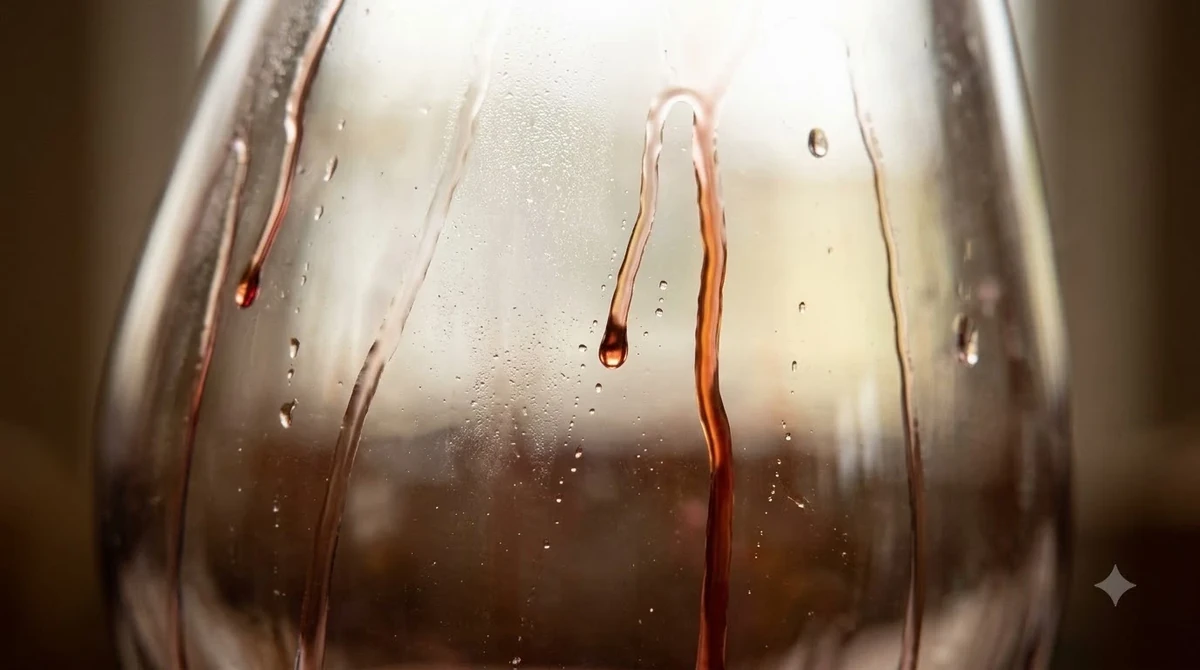
Spätburgunder is prized for aromatic transparency rather than sheer weight, offering a translucent ruby-to-garnet color in the glass alongside silky, fine-grained tannins. According to Wine Enthusiast, the best bottles balance vibrant red fruit with earthy minerality and lifted acidity that leaves a mouthwatering impression on the finish.
On the nose and palate, classic flavor markers include sour cherry, raspberry, cranberry, and wild strawberry, often layered with savory undertones of forest floor, dried herbs, clove, and cracked black pepper. As top bottlings age in bottle for seven to fifteen years, those primary fruit notes evolve into dried rose petal, truffle, leather, and autumn leaves. Depending on regional climate and winemaker philosophy, you will encounter several distinct styles across the wine by type spectrum:
- Classic Light Dry Red: Unoaked or aged in large, neutral wooden casks (Fuder), emphasizing tart red berries, floral lift, and brisk acidity for early drinking.
- Modern Oak-Aged Dry Red: Fermented with longer maceration and matured in 228-liter Burgundian barrels, delivering deeper color, firmer tannin structure, and subtle baking spice.
- Weißherbst (Rosé): A traditional German single-varietal rosé pressed immediately from Spätburgunder grapes, offering crisp strawberry and citrus notes with refreshing acidity.
- Sekt (Sparkling Wine): Used both as a single-varietal blanc de noirs and blended with Chardonnay and Pinot Meunier in traditional-method German sparkling wines.
Tip: Look for the word Trocken on the label if you want a classic dry table wine—though most serious modern Spätburgunder bottlings are fermented completely dry even when the term is omitted.
Where It Grows
Spätburgunder is cultivated in all 13 of Germany’s official wine regions (Anbaugebiete), yet soil composition and latitude create dramatic differences from valley to valley. Because the spatburgunder grape acts as a sensitive mirror of its terroir, learning a few core regions helps predict what will be inside the bottle.
Baden, Germany’s warmest and southernmost wine region stretching along the Rhine opposite Alsace, holds the largest share with roughly 5,029 hectares planted. Within Baden, the volcanic basalt soils of the Kaiserstuhl hills yield riper, darker-fruited, full-bodied expressions, whereas the limestone and marl slopes of the Breisgau favor linear elegance. Further north in the dramatic, steep-sided Ahr Valley, vines cling to dark slate and greywacke terraces; even though the Ahr is compact, red grapes dominate its hillsides, producing smoky, mineral-driven Spätburgunder with taut acidity.
Other essential regions include the Pfalz and Rheinhessen, where active limestone and colored sandstone soils generate textured, balanced reds that combine ripe cherry fruit with an herbal, savory edge. Meanwhile, western Franken—particularly around Bürgstadt and Klingenberg—is renowned for iron-rich red sandstone (Buntsandstein) that yields intensely aromatic, lacy, spicy wines, and the Rheingau village of Assmannshausen has been famous for structured, quartzite-grown Spätburgunder for centuries.
| German Wine Region | Primary Soil Types | Typical Spätburgunder Style |
|---|---|---|
| Baden (Kaiserstuhl & Breisgau) | Volcanic basalt, loess, limestone, marl | Riper dark cherry and plum fruit, fuller body, supple texture |
| Ahr Valley | Dark slate and greywacke | Pale ruby color, cranberry and sour cherry, smoky stony minerality |
| Pfalz & Rheinhessen | Limestone, marl, colored sandstone | Balanced medium body, red berries, forest floor, savory herbal finish |
| Franken (Bürgstadt & Klingenberg) | Iron-rich red sandstone (Buntsandstein) | Delicate, aromatic, spicy red fruit with fine, transparent structure |
| Rheingau (Assmannshausen) | Red slate and quartzite | Firm tannin grip, tart red fruit, long cellar aging potential |
How to Serve
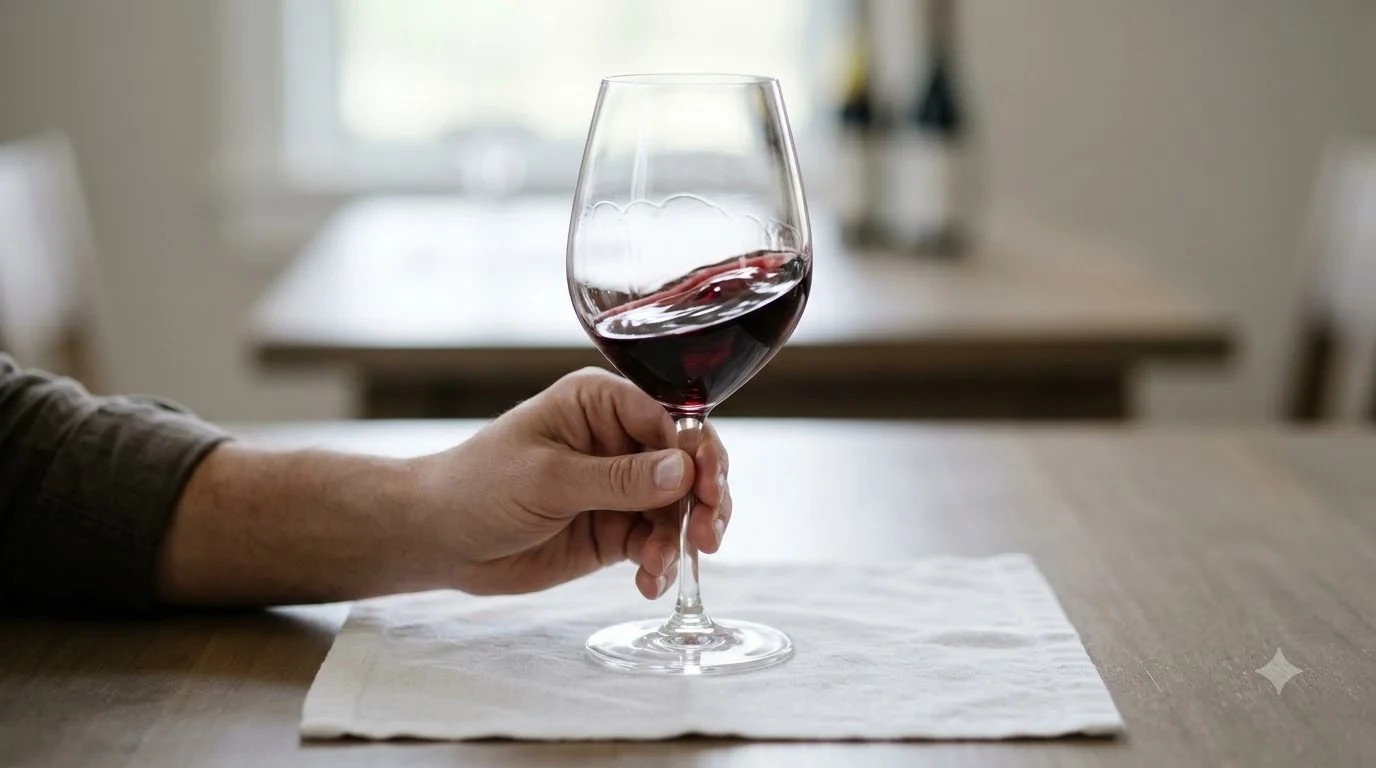
Serving Spätburgunder slightly below standard room temperature is the single easiest way to keep its delicate aromatics sharp and its alcohol integrated. According to Wine Folly, light- to medium-bodied Pinot Noir shines best when served cool, around 55 to 60°F (12 to 15°C), whereas fuller-bodied, barrel-aged reserve bottlings can be poured slightly warmer at 60 to 64°F (15 to 18°C). Storing a bottle at room temperature in a warm dining room—often 70°F or higher—will dull its vibrant acidity and make the alcohol feel heavy on the nose.
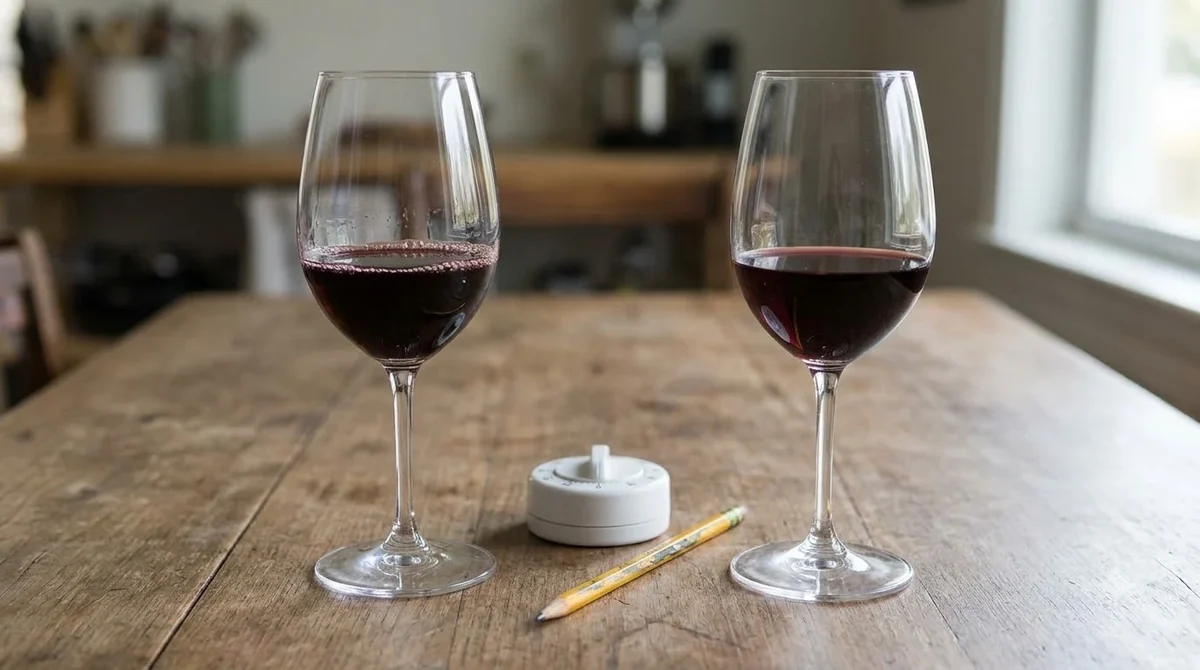
A brief 20- to 30-minute chill in the refrigerator before opening brings a room-temperature bottle right into the ideal zone. For younger, entry-level bottlings, decanting is unnecessary; simply pour and let the wine open in the glass over 15 minutes. If you are opening an older single-vineyard bottle or a structured Grosses Gewächs (Germany’s Grand Cru equivalent), giving it 30 to 45 minutes in a decanter helps soften youthful tannins and release complex earthy aromas.
Glassware also plays a meaningful role with aromatic red varieties. A wide-bowled Burgundy glass gathers volatile floral and red-berry aromatics toward the rim while directing the wine onto the center of the palate, highlighting its silky texture rather than its brisk acidity.
Food Pairing
Thanks to naturally high acidity, low-to-moderate tannins, and moderate alcohol, Spätburgunder is one of the most food-friendly red wines you can bring to the table. Rather than overwhelming delicate ingredients with heavy oak or astringency, it refreshes the palate between bites and bridges savory, earthy, and subtly sweet flavors—a versatility explored further in our dedicated spatburgunder food pairing guide.
In Germany, classic regional pairings lean toward roasted meats and hearty comfort dishes: crispy duck breast with sour cherry reduction, roasted pork loin, pork schnitzel, and braised beef dishes like Sauerbraten. Because its earthy forest-floor notes echo umami-rich ingredients, Spätburgunder is equally rewarding alongside wild mushroom risotto, lentil stews, roasted beets, and truffled pasta.
It also handles lighter fare that would clash with bolder reds like Cabernet Sauvignon or Syrah. Grilled salmon, herb-roasted chicken, charcuterie boards, and washed-rind or semi-hard alpine cheeses (such as Gruyère or Comté) all harmonize effortlessly with a slightly chilled glass. Unlike fuller-bodied reds or crisp white varieties such as the airen grape, Spätburgunder comfortably spans everything from weekday poultry to holiday roasts.
How to Choose a Bottle
Reading a German wine label becomes straightforward once you recognize a few quality tiers and producer cues. At the entry level, look for Gutswein (estate wine) or regional bottlings labeled simply with the grape name and region, such as “Baden Spätburgunder” or “Pfalz Pinot Noir.” These wines are crafted for freshness, bright red fruit, and immediate drinkability within two to five years of the vintage.
If you want greater depth and site character, look for village-level wines (Ortswein) or bottles carrying the eagle-and-grape-cluster logo of the VDP (Verband Deutscher Prädikatsweingüter), an association of top German estates. Within the VDP hierarchy, Erste Lage designates premier vineyard sites, while Grosse Lage represents top Grand Cru-level parcels; dry wines from these elite sites are labeled Grosses Gewächs (often abbreviated as GG on the bottle or capsule) and offer remarkable aging potential.
Finally, pay attention to vintage conditions and producer reputation. Cooler vintages tend to yield paler, higher-acid wines with pronounced cranberry and herbal character, while warmer years produce riper black-cherry fruit and rounder tannins. Prominent estates widely respected by critics—such as Bernhard Huber, Meyer-Näkel, Rudolf Fürst, Friedrich Becker, Franz Keller, and Jean Stodden—consistently showcase how expressive German Pinot Noir can be across every tier.
Frequently Asked Questions
Is Spätburgunder the exact same grape as Pinot Noir?
Yes, Spätburgunder and Pinot Noir are genetically identical and refer to the exact same black grape variety. The name Spätburgunder has been used in Germany for centuries and translates to “late Burgundian,” honoring the grape’s origins in Burgundy, France, and its later ripening window compared to Frühburgunder.
Is Spätburgunder a dry or sweet wine?
Modern Spätburgunder is almost always fermented completely dry, featuring crisp acidity and zero noticeable residual sugar. While sweet red versions do exist in rare quantities, virtually all quality German Spätburgunder exported to the United States is dry table wine.
How do you pronounce Spätburgunder?
Spätburgunder is pronounced “SHPAYT-boor-goon-der,” with the primary emphasis on the first syllable. In German, the “sp” at the start of a word makes a “shp” sound, and the umlaut over the “ä” gives it a long “ay” vowel sound.
How does German Spätburgunder compare to French Burgundy?
Both are made from the same grape variety and share silky tannins, bright acidity, and red-fruit-and-earth complexity. German Spätburgunder often leans slightly fresher and more mineral-driven—especially from slate and sandstone regions—while offering strong quality relative to similarly styled bottles from Côte de Beaune or Côte de Nuits.
Understanding Spätburgunder opens up an entire side of German winemaking that goes far beyond crisp white wines. Whether you pour a lightly chilled village bottling with weeknight roast chicken or cellar a single-vineyard Grosses Gewächs for a special dinner, German Pinot Noir rewards curiosity with unmistakable elegance, balance, and sense of place.
More in Wine Types & Grapes
 What Is Vinho Tinto? A Clear Guide to Portuguese Red WineUpdated Nov 21, 2026
 What Is Vidal Blanc? Grapes, Flavor Styles, and Serving TipsUpdated Nov 21, 2026
 What Is Ugni Blanc? A Guide to France’s Crisp White GrapeUpdated Nov 21, 2026
 What Is Touriga Nacional and Why Wine Lovers Should Try Portugal’s Signature RedUpdated Nov 21, 2026
 What Is Tokaji Aszu and Why Do Wine Lovers Prize It?Updated Nov 21, 2026
 What Is Tavel? Inside France’s Boldest Dry Rosé WineUpdated Nov 21, 2026