

We may earn a commission when you buy through links on this page, at no extra cost to you. Learn more.
The spatburgunder grape is Germany’s traditional name for Pinot Noir, the thin-skinned red wine variety famous for producing translucent, high-acid, aromatic wines. Grown across roughly 27,911 acres (11,300 hectares) of German vineyards, it makes Germany the third-largest producer of Pinot Noir in the world behind France and the United States. While genetically identical to French Pinot Noir, German examples stand out for their bright red-berry fruit, crisp natural acidity, and distinct stony minerality.
For decades, international drinkers associated Germany almost exclusively with crisp white Riesling, leaving its red wines for domestic tables. Yet winemakers along the Rhine and its tributaries have cultivated this Burgundian variety since the Middle Ages, refining a cool-climate expression that rivals fine red Burgundy in precision and elegance. Understanding how the spatburgunder grape behaves in German soils opens up an entire category of food-friendly reds, rosés, and sparkling wines worth exploring alongside other classic Wine by Type.
What Is the Spatburgunder Grape?
Spatburgunder—spelled Spätburgunder in German—literally translates to “late-ripening Burgundian,” a nod to both its French origins in Burgundy and its harvest timing relative to earlier-ripening mutations in German vineyards. Despite the distinct local name, ampelographers confirm that it is the exact same grape variety as Pinot Noir, known elsewhere in Central Europe as Blauburgunder or Pinot Nero.
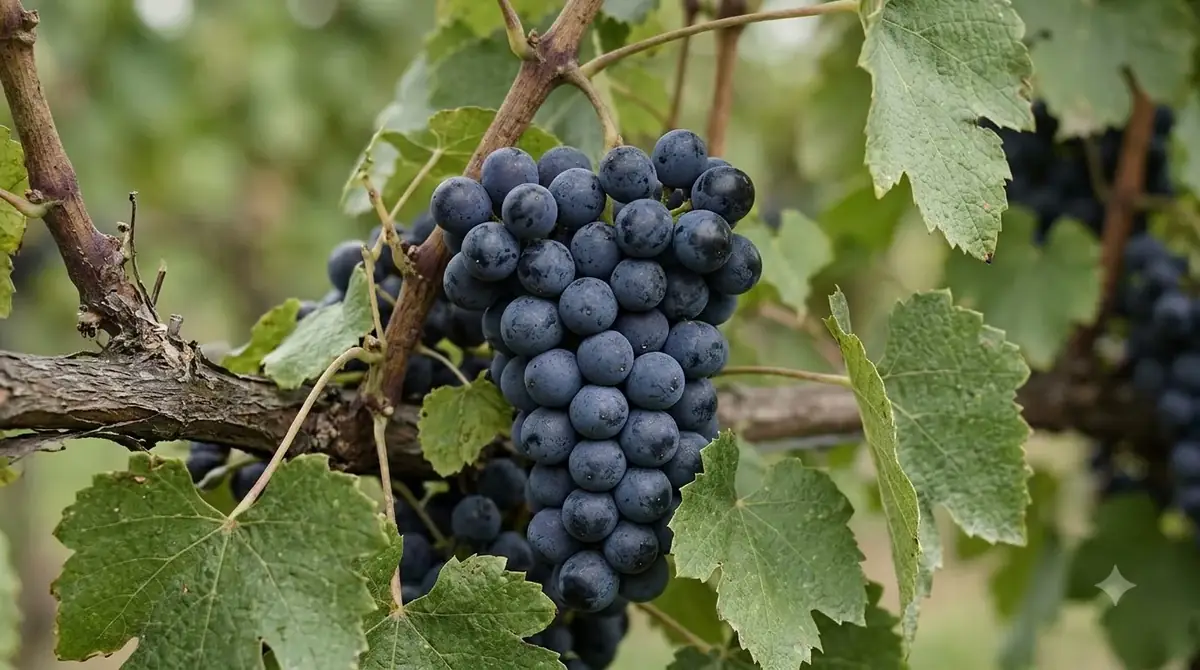
Historical records trace the arrival of the vine in German-speaking lands back more than a thousand years. According to wine historians, Emperor Charles the Fat introduced vines from Burgundy to the Lake Constance area in 884, and Cistercian monks later expanded plantings in the Rheingau during the 12th and 13th centuries. Over centuries of propagation in cool northern latitudes, local growers selected specific clones adapted to shorter growing seasons and steep river valleys.
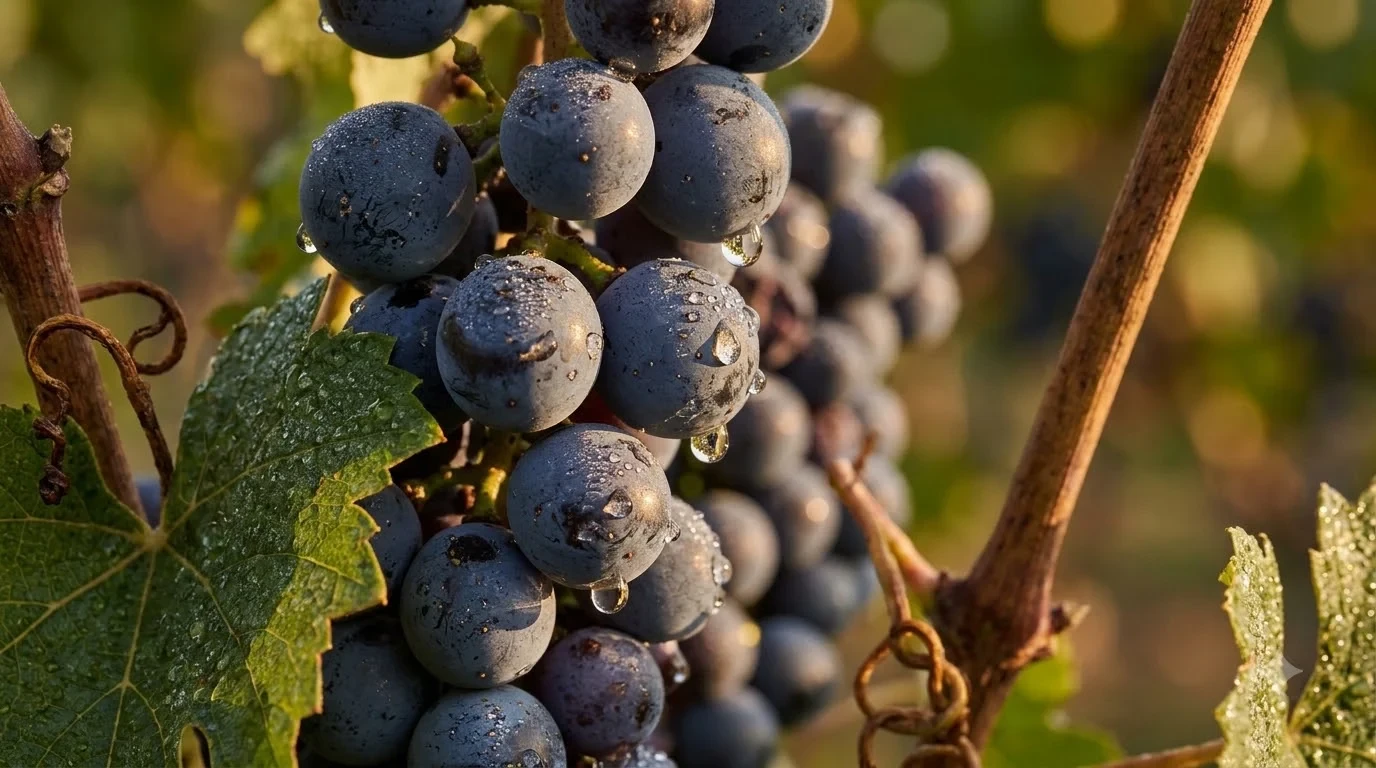
In the vineyard, the spatburgunder grape is famously demanding to farm. It buds early in spring—leaving young shoots vulnerable to late frosts—and carries thin skins that make the tight clusters sensitive to damp autumn weather. Those thin skins are also responsible for the wine’s signature visual trait: a pale ruby to translucent garnet hue that looks noticeably lighter in the glass than deeper-colored German reds made from the dornfelder grape.
Flavor Profile and Wine Styles
In the glass, dry red Spätburgunder balances vivid red fruit with mouthwatering acidity, moderate alcohol—typically around 12.5% to 13.5% ABV—and fine-grained tannins. Rather than the jammy richness common in warm-climate Pinot Noir, German versions lean toward crunchy cranberry, sour cherry, wild raspberry, and red currant, layered with forest floor, dried herbs, and subtle spice.
Modern German winemaking spans two main red stylistic camps. Traditionalists favor a paler, lighter-bodied expression aged in large neutral oak casks or stainless steel, emphasizing transparent fruit and brisk stony tension. Meanwhile, a newer generation of quality-focused estates ferments with native yeasts and matures top parcels for 12 to 18 months in 225- to 228-liter French oak barriques, building silky texture, savory complexity, and cellar longevity without masking the vineyard’s character with heavy toast.
Beyond still dry reds, winemakers turn the spatburgunder grape into two other beloved styles. Pressed gently with brief skin contact, it produces crisp, salmon-hued rosé—often labeled locally as Weissherbst when made from a single red variety. Harvested early while acidity is razor-sharp, it also serves as a foundational grape in traditional-method German sparkling wine, known as Winzersekt, adding red-fruit depth and structure to bottle-fermented cuvées.
Where Spatburgunder Grows Best
Germany’s 13 official wine regions sit near the northern limit for ripening red wine grapes, meaning site selection—steep south-facing slopes, heat-retaining soils, and river valleys that moderate temperature swings—is critical. Soil composition varies dramatically from region to region, giving each German Pinot Noir hub a recognizable signature.
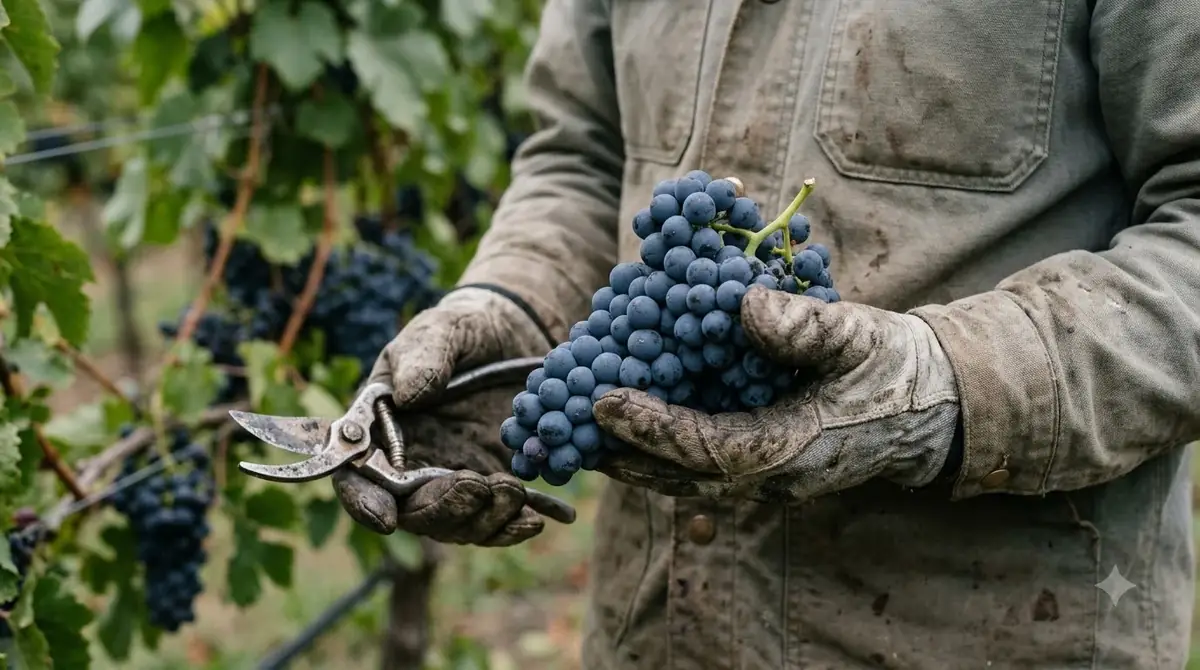
Baden, Germany’s warmest and southernmost wine region bordering French Alsace, holds the largest plantings of Spätburgunder in the country. Within Baden, the extinct volcanic hills of the Kaiserstuhl yield darker-fruited, structured wines with firm mineral grip, while the limestone and loess slopes of the Breisgau produce poised, perfumed bottlings. Further north in the Pfalz and Rheinhessen, warm microclimates and limestone-rich soils generate generous, velvety reds with plush cherry fruit and fine spice.
At the northern end of Germany’s red-wine map lies the tiny Ahr Valley, a dramatic gorge of steep slate and greywacke cliffs where Pinot Noir accounts for roughly 65% of all vineyard acreage. Ahr bottlings are prized for their smoky minerality, cranberry tartness, and garnet tint. In Franken, iron-rich red sandstone (Buntsandstein) shapes a sleek, spicy, and finely etched style that rewards patient cellaring.
| German Region | Dominant Soil Types | Typical Spätburgunder Profile |
|---|---|---|
| Baden (Kaiserstuhl & Breisgau) | Volcanic basalt, limestone, loess | Riper red and dark cherry fruit, fuller structure, volcanic or chalky grip |
| Ahr Valley | Dark slate and greywacke | Pale garnet color, tart cranberry, smoky stony minerality, taut acidity |
| Pfalz | Limestone, sandstone, marl | Supple, generous red berries, balanced acidity, subtle herbal spice |
| Franken | Red sandstone (Buntsandstein) | Filigree, transparent structure, bright cherry, white pepper and spice |
| Rheinhessen | Limestone sediments, loess-clay | Silky medium body, ripe cherry and raspberry, savory earthy undertones |
How to Serve Spatburgunder
Serving temperature makes a noticeable difference with thin-skinned, high-acid reds like Spätburgunder. Pouring the wine slightly cool—between 55°F and 61°F (13°C to 16°C)—keeps its vibrant red-berry aromatics crisp and prevents the alcohol from feeling warm on the palate.
Lighter, tank-aged estate wines shine toward the cooler end of that range, around 55°F to 57°F (13°C to 14°C), which takes roughly 15 to 20 minutes in a standard kitchen refrigerator before opening. More concentrated, barrel-aged single-vineyard bottlings open up best closer to 59°F to 61°F (15°C to 16°C), where subtle notes of forest floor, clove, and savory earth emerge alongside the fruit.
Glassware and aeration also play a practical role. A wide-bowled Burgundy glass captures the wine’s delicate floral and berry perfume far better than a narrow standard red glass. Young, entry-level bottlings need little more than a quick swirl in the glass, whereas structured top-tier wines benefit from 30 to 60 minutes in a decanter to soften their youthful tannins.
Tip: Put your bottle of Spätburgunder in the refrigerator for 15 minutes before dinner—a slight chill sharpens its cranberry and cherry aromatics and makes the texture feel even silkier.
Food Pairing Ideas
Because Spätburgunder combines bright, palate-cleansing acidity with low-to-moderate tannins, it ranks among the most versatile dinner wines on the table. It rarely overwhelms delicate proteins, yet its savory, earthy complexity holds up effortlessly beside roasted meats and rich sauces.
Classic regional pairings highlight this balance. In southern Germany, locals pour dry Spätburgunder alongside pan-roasted duck breast, herb-crusted pork tenderloin, and traditional egg noodles like spaetzle topped with caramelized onions and wild mushrooms. The wine’s natural acidity cuts cleanly through rich poultry fat and creamy mushroom gravies without clashing.
At home, lean into umami-rich and lightly charred dishes. Grilled salmon, cedar-plank trout, roasted beet salads with goat cheese, and lentil stews all echo the grape’s earthy undertones. Avoid heavily sugary barbecue glazes or fiery chili heat, which can make the wine’s crisp acidity taste sharp; instead, stick to herbs, roasted garlic, and aged semi-hard cheeses like Comté or Gruyère.
How to Choose a Bottle
German wine labels carry helpful clues about style, dryness, and vineyard pedigree once you know which terms to scan. First, look for the word trocken on the label, which confirms the wine was fermented completely dry rather than left with noticeable residual sugar.
If you see a stylized eagle emblem on the bottle’s neck capsule, the producer belongs to the VDP (Verband Deutscher Prädikatsweingüter), an association of top German estates that classifies dry wines by vineyard origin:
- VDP.Gutswein: Entry-level regional or estate blends built for fresh, approachable drinking within two to four years of vintage.
- VDP.Ortswein: Village-level wines sourced from premier local sites, offering deeper mineral expression and mid-term aging potential.
- VDP.Erste Lage & Grosses Gewächs (GG): Premier and grand cru single-vineyard bottlings harvested at low yields for maximum concentration, structured to cellar for seven to 15 years or longer.
Beyond VDP classifications, pay attention to regional origins and vintage notes. Critics at Wine Enthusiast point out that modern German Pinot Noir producers focus on freshness and balance rather than heavy over-ripeness, delivering remarkable quality across village and single-vineyard tiers. While high-acid whites like the airen grape serve mostly as crisp table wines or brandy bases, and sweet sparkling reds from the brachetto grape suit dessert courses, Spätburgunder spans everything from casual weeknight pours to serious collector bottles.
Frequently Asked Questions
Is Spätburgunder the exact same grape as Pinot Noir?
Yes, Spätburgunder and Pinot Noir are genetically the exact same grape variety. The German name translates to “late-ripening Burgundian,” reflecting the vine’s historic migration from Burgundy, France, into German river valleys during the Middle Ages.
Is German Spätburgunder sweet or dry?
Almost all modern red Spätburgunder is vinified completely dry, featuring crisp acidity and savory red-fruit flavors rather than sweetness. Checking the label for the German word trocken (dry) or a VDP quality tier guarantees a dry style.
How does Spätburgunder taste compared to French Burgundy or Oregon Pinot Noir?
According to wine educators at Wine Folly, German Spätburgunder stands out for its lively natural acidity and mineral tension. Compared to richer New World styles, it tends to be lighter in color, slightly lower in alcohol, and focused on tart cherry, cranberry, and earthy spice rather than lush dark fruit.
How long can you age a bottle of Spätburgunder?
Entry-level estate bottlings are crafted for immediate enjoyment and drink best within two to four years of the harvest date. Top single-vineyard selections—especially VDP Grosses Gewächs wines aged in French oak—develop complex leather, mushroom, and spice notes over 10 to 15 years in a cool cellar.
Whether you start with a crisp, slate-driven bottle from the Ahr Valley or a velvety, volcanic-soil expression from Baden, the spatburgunder grape rewards anyone who loves nuanced, food-friendly red wine. Keep an eye out for German Pinot Noir on restaurant lists and wine shop shelves—its combination of bright acidity, silky texture, and terroir clarity makes it one of Europe’s most compelling cool-climate reds.
More in Wine Types & Grapes
 Zinfandel Sugar Content: Dry Red vs. White Zinfandel GramsUpdated Nov 21, 2026
 Best Zinfandel Substitute Options for Sipping and CookingUpdated Nov 21, 2026
 Zweigelt Food Pairing: Best Dishes, Cheeses, and Serving TipsUpdated Nov 21, 2026
 Zinfandel Tannins Explained: How Structure Shapes Every BottleUpdated Nov 21, 2026
 Zinfandel Sweetness Level: Dry Red vs. Sweet White Zin ExplainedUpdated Nov 21, 2026
 Xinomavro Food Pairing: Best Dishes, Styles, and Serving TipsUpdated Nov 21, 2026