

We may earn a commission when you buy through links on this page, at no extra cost to you. Learn more.
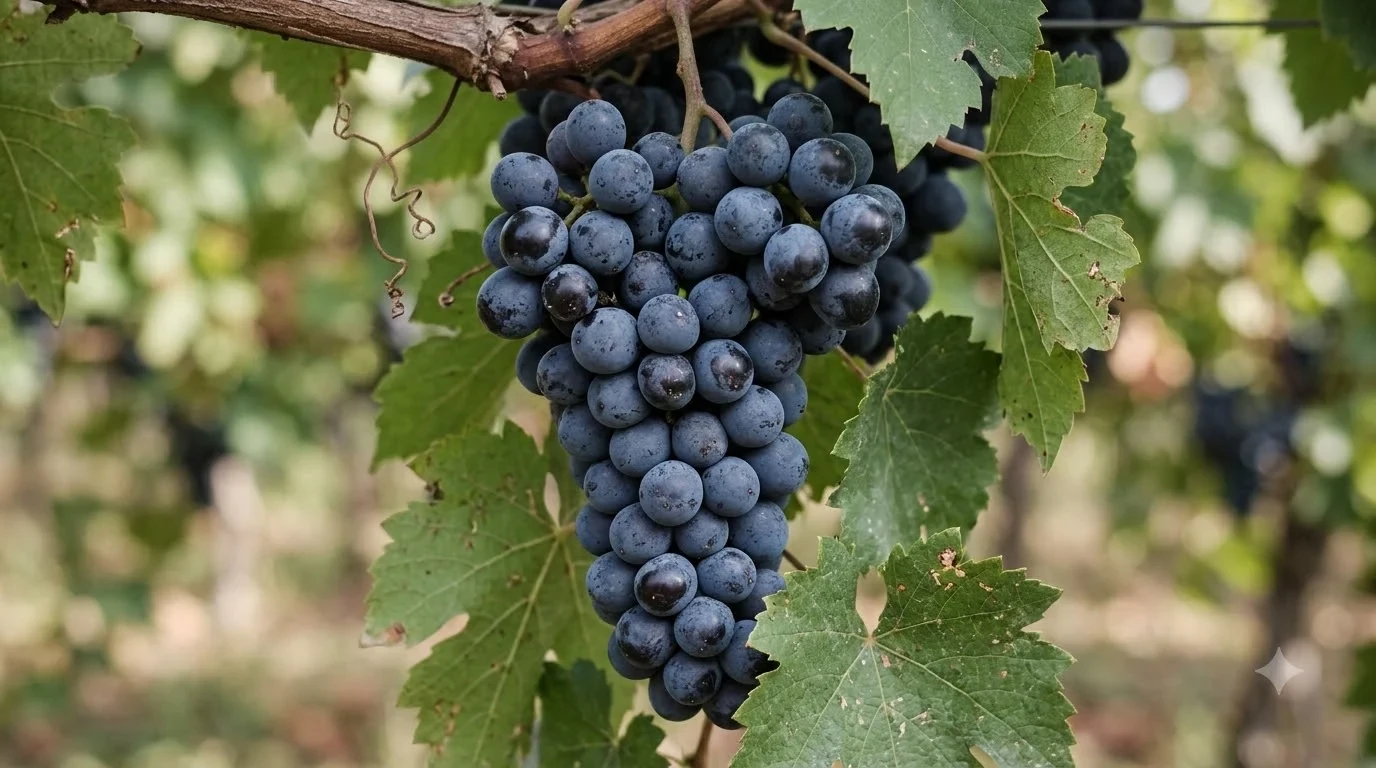
What is passito? It is an Italian sweet wine made from grapes that have been dried until they lose a large share of their water, which concentrates their sugar, acid, and flavor before fermentation begins. The word names both the finished wine style and the drying step, which Italian producers call appassimento. Because the sweetness comes from concentrated grape sugar, passito usually tastes rich and honeyed. It is typically poured in small glasses after a meal.
Passito is one of those labels that looks familiar at first glance and then raises questions. You may spot it on a bottle from Pantelleria, on a Veneto label beside the word Amarone, or in a wine shop’s dessert section near Port and Sauternes. The short answer is that passito describes the drying step, and the final wine depends on the grape variety, the place where the grapes dry, and how the winemaker stops fermentation. The sections below cover the method, the main Italian styles, the best-known island bottling, serving and storage, and food pairing.
Where the Name and the Method Come From
Passito names both a product type and the production method behind it. In practice, the label tells you about the process as much as it tells you about sweetness.
Italian producers call the drying step appassimento, and Decanter explains that the term means drying grapes off the vine. Grapes that shrivel while still hanging on the plant fall outside the definition. The practice is almost as old as winemaking itself, and Decanter notes records that go back to ancient Greece. Today it survives in the Veneto, on the island of Pantelleria, and in Piedmont, where Caluso Passito is made from the Erbaluce grape.
Labelling is also formal. The UK’s protected food and drink names register describes passito as a traditional term for Italian wine and states that passito and vino passito are reserved for protected designation of origin and protected geographical indication wines made from grapes dried naturally or artificially under product specifications. A label that uses the word should therefore point back to a documented drying process, not just a sweet taste. That is what links a Pantelleria passito to a Valpolicella Recioto, even though the two wines taste very different.
How Grapes Are Dried Before Pressing
Drying can take three to six months in a ventilated warehouse, or a much shorter spell in hot sun, and the setting shapes the finished wine. Each method trades speed for complexity in its own way.
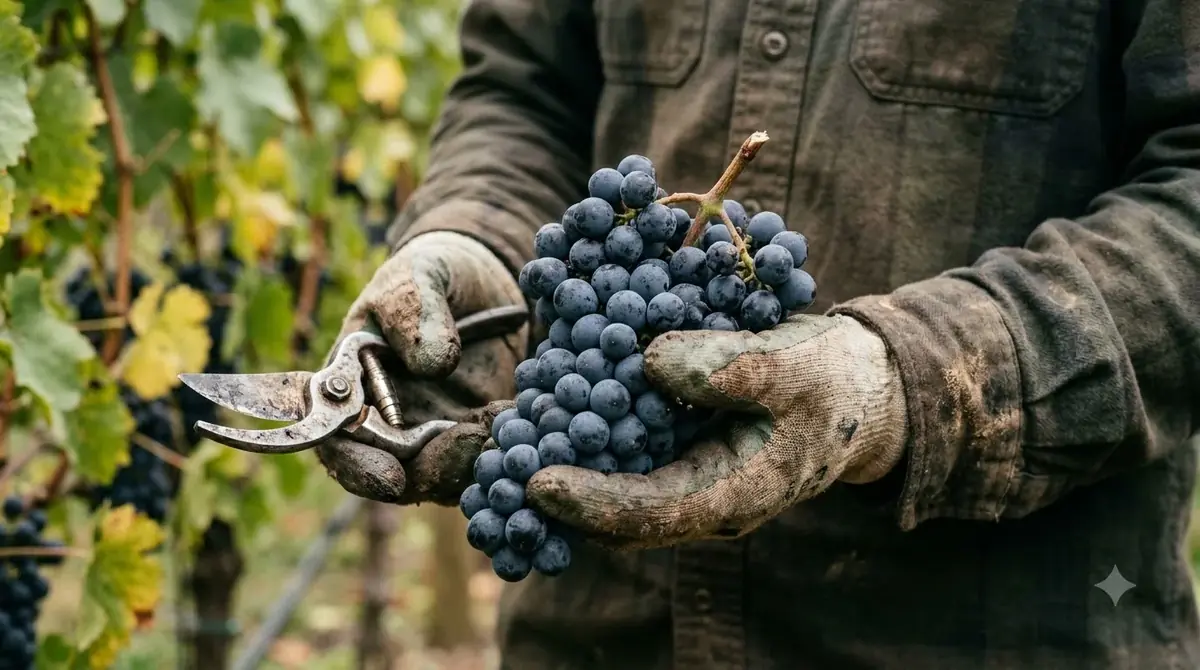
Harvest comes first. According to Decanter’s guide to appassimento wines from Veneto, growers usually pick the fruit by hand so that only the healthiest grapes are chosen, then place them in small crates to avoid bruising or crushing. In the Veneto, the bunches rest on wooden or plastic boxes inside naturally ventilated warehouses called fruttai, where they dry slowly through the winter. Drying Garganega for white Recioto, or Corvina, Corvinone and Rondinella for red styles, takes three to four months, and up to six months for Recioto.
Pantelleria and Santorini take a faster route. Grapes dry under the sun on those islands, which speeds the process and produces the distinct caramelised aromas common in their sweet wines. The Veneto method is slower, which gives the grapes more time to develop a broader mix of aromas and flavors before fermentation.
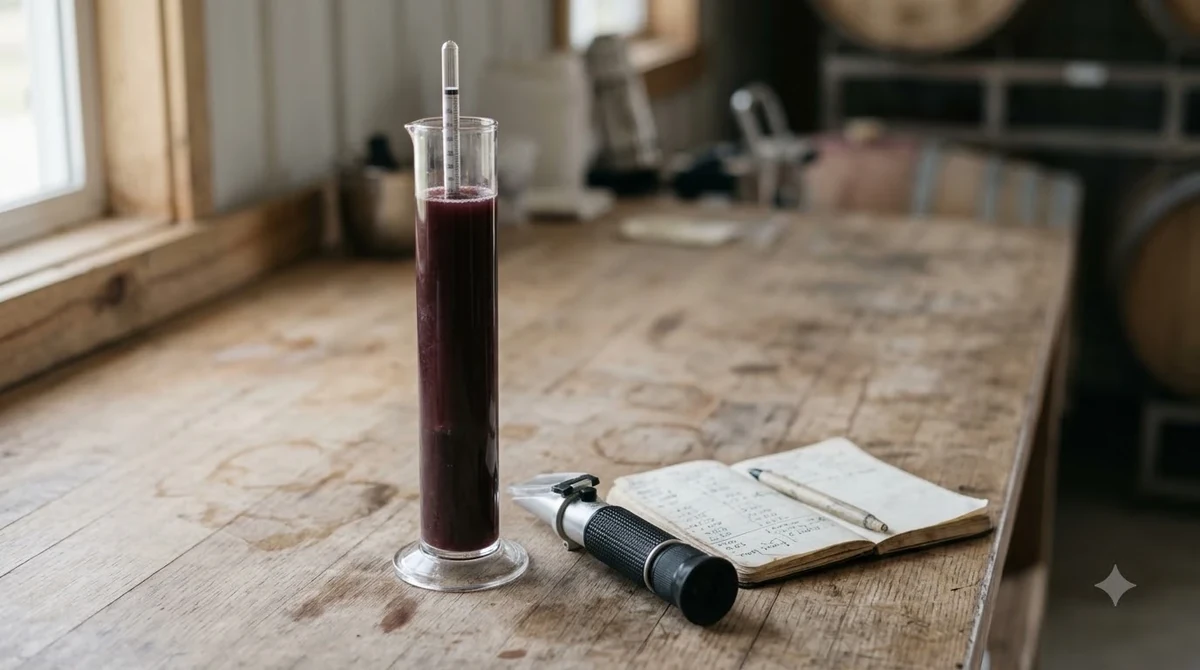
Water loss does not change everything at the same pace. Drying concentrates sugar and flavor compounds, but acidity rises more slowly. Decanter gives a clear example: at 40 percent dehydration, total acidity rises by around 25 percent rather than 40 percent. That imbalance is part of why a well-made passito can taste sweet while still feeling lively rather than heavy. Botrytis, or noble rot, can also appear during drying. Most producers avoid it, but many use its effect on purpose to add more sugar and layered aromas.
The Main Italian Styles and What Separates Them
Most Italian passito-style wines differ in three ways: the grape variety, the drying setting, and how much sugar remains in the finished bottle. The table below places the main examples side by side.
Recioto della Valpolicella is the classic sweet wine of Valpolicella, near Verona. Decanter describes it as made from raisined grapes dried in fruttai, with fermentation halted well before the sugars convert to alcohol. Winemakers usually stop it by cooling the must to suppress the yeast and then filtering it. The style must contain at least 46 grams of residual sugar per liter and at least 12 percent alcohol by volume, which leaves a wine that is sweet and bright without reaching high strength.
Recioto di Soave is the white counterpart from the Soave area, and it must contain at least 70 percent Garganega with no more than 30 percent Trebbiano di Soave. Caluso Passito, from Piedmont, is built on the Erbaluce grape, which Wine Folly singles out as rare. Passito di Pantelleria is Muscat-based, according to Wine Folly, and that Muscat character is what gives the island style its perfumed, honeyed profile.
| Style | Where the grapes dry | Drying time | Key numbers |
|---|---|---|---|
| Recioto della Valpolicella | Fruttai in the Veneto | Three to four months, up to six | Minimum 46 g/L residual sugar, minimum 12% ABV |
| Recioto di Soave | Veneto, white Garganega | Three to four months, up to six | At least 70% Garganega, up to 30% Trebbiano di Soave |
| Passito di Pantelleria (one Donnafugata bottling) | Sun and wind on Pantelleria | Faster than the Veneto method | 203 g/L residual sugar, 14.13% ABV, 7.16 g/L total acidity |
The table shows why the category looks so varied. The Veneto styles dry for months in warehouses and then meet legal minimums, while the Pantelleria bottling reaches far higher residual sugar through a different sequence of drying and fermentation.
Passito di Pantelleria: The Island Style
Passito di Pantelleria is made from Zibibbo, a Muscat-family grape grown on a volcanic island off Sicily, and it shows the sun-drying side of the category at its most concentrated. The producer’s technical material explains how the vineyard and cellar decisions work together to produce that intensity.
The vineyard setup is unusual. Donnafugata’s technical sheet describes Zibibbo vines hand-cultivated in basins in the alberello pantesco system, with two to four branches and 2,500 to 3,600 plants per hectare. Some vines are more than 100 years old. The harvest runs about four weeks, from mid August to mid September, because ripening varies from district to district. The estate also selects grapes from higher, later-ripening vineyards with more acidity for drying, since dehydration concentrates acid as well as sugar and helps balance the sweetness.
Drying happens in the sun and the wind, and the dried clusters are added to the fermenting must several times rather than all at once. In one bottling, Donnafugata reports that more than 70 kilograms of dried grapes went into every 100 liters of must, a grape-wine yield of 25 percent. The analysis lists 14.13 percent alcohol by volume, total acidity of 7.16 grams per liter, a pH of 3.82, and 203 grams per liter of residual sugar. Those numbers explain why the wine tastes honeyed and sweet while still holding a clean, lively line of acid.
The producer’s description lists dates, dried figs, carob, apricot, and Mediterranean scrub, and it recommends medium tulip glasses for service. That profile makes the style a useful starting point for a first bottle, because the wine is intense without feeling heavy.
Serving and Storing an Open Bottle
Passito is best served cool in a small glass, and an open bottle should go back in the fridge between pours. Both habits keep the sweetness clean and the wine lively.
Serve white passito at 43 to 50 F, a bit cooler than many people expect. Warm sweet wine can taste syrupy and flat, while a modest chill sharpens the acidity and makes the finish feel cleaner. Use a small tulip or copita rather than a large red-wine glass. Wine Folly notes that dessert wines are meant to be enjoyed in small glasses and treasured like a glass of Scotch, which is a good way to think about pour size.
A standard pour is 5 ounces, so a 750 milliliter bottle yields about five glasses. Passito is usually poured in smaller amounts than that, which means one bottle can stretch across a dinner party or an evening over cheese and fruit. Keep the extra wine chilled between pours, because a glass left on the table warms quickly.
Once opened, a still wine generally keeps three to five days in the fridge with the stopper back in place. Sparkling wines last only one to three days, so a passito has more room to be enjoyed over a few evenings.
Tip: Pour small amounts and keep the rest chilled. Taste a little first, because passito sweetness can feel heavier once the glass has warmed on the table.
Pairing Passito at the Table
Match passito with desserts and cheeses that are as sweet as the wine or sweeter, and check acidity before pairing anything tart. Those two checks cover most successful matches.
The most reliable rule is that the wine should be at least as sweet as the dish. A Pantelleria passito with around 203 grams of residual sugar per liter can handle ricotta cake, apricot tart, or almond pastry, but it will taste thin next to a very sweet chocolate dessert. Donnafugata suggests blue or aged cheeses and ricotta-based desserts for its Pantelleria bottling, and it also names gianduia chocolate as a good match.
Acidity matters with tart desserts. Lemon tart, citrus sorbet, and fruit crumble need a wine with equal or higher acidity, or the dessert will make the wine taste flat. Blue and aged cheeses can stand up to concentrated sugar, and the contrast between salt and sweetness is much of the appeal. Keep the cheese plate simple, so the wine stays the focus.
If you want a lighter Piedmont red for a similar dessert moment, the brachetto grape guide covers a wine that Wine Folly describes as still or bubbly, with floral and strawberry aromas and an affinity for cured meats. For a broader view of styles, browse Wine by Type.
Frequently Asked Questions
These five answers cover points the earlier sections do not repeat, from the difference between passito and Amarone to storage and the wider world of dried-grape wines.
Is passito the same as Amarone?
No, although both start with dried grapes. Decanter says Amarone is fermented almost to dryness, with a maximum of 12 grams of residual sugar per liter and a minimum of 14 percent alcohol by volume. Its potential alcohol often reaches 15 to 17 percent.
Is passito fortified like Port?
Not usually. The UK register allows a fortified version, the vino passito liquoroso category, but only for PGI wines. Donnafugata describes its Pantelleria bottling as naturally sweet and not fortified, with potential alcohol around 27 percent before fermentation.
What is the difference between passito and Vin Santo?
Vin Santo is usually made from Trebbiano and Malvasia grapes, and Wine Folly describes its flavors as rich, nutty, and date-like. Several regional styles are made across Italy. Passito di Pantelleria, by contrast, is built on a Muscat-based grape.
How should I store an unopened bottle of passito?
Store bottles on their side near 55 F, which keeps the cork in contact with the wine. A cool cupboard or cellar works well, and the bottle does not need refrigerator cold until you are ready to serve.
Are there passito-style wines outside Italy?
Yes. Wine Folly lists French Vin de Paille from the Jura, made with Chardonnay and ancient Savagnin grapes, and Austrian and German Schilfweins made from Muscat and Zweigelt. Greece also produces Vinsanto from high-acid Assyrtiko grapes.
Passito is easiest to understand as a drying method first and a sweetness level second. Once you know whether the grapes dried in a warehouse or in the sun, the label becomes much easier to read. A small pour of a Pantelleria bottling or a Veneto Recioto is a good way to see how the method shows up in the glass.
More in Wine Types & Grapes
 Zinfandel Sugar Content: Dry Red vs. White Zinfandel GramsUpdated Nov 21, 2026
 Best Zinfandel Substitute Options for Sipping and CookingUpdated Nov 21, 2026
 Zweigelt Food Pairing: Best Dishes, Cheeses, and Serving TipsUpdated Nov 21, 2026
 Zinfandel Tannins Explained: How Structure Shapes Every BottleUpdated Nov 21, 2026
 Zinfandel Sweetness Level: Dry Red vs. Sweet White Zin ExplainedUpdated Nov 21, 2026
 Xinomavro Food Pairing: Best Dishes, Styles, and Serving TipsUpdated Nov 21, 2026