

We may earn a commission when you buy through links on this page, at no extra cost to you. Learn more.
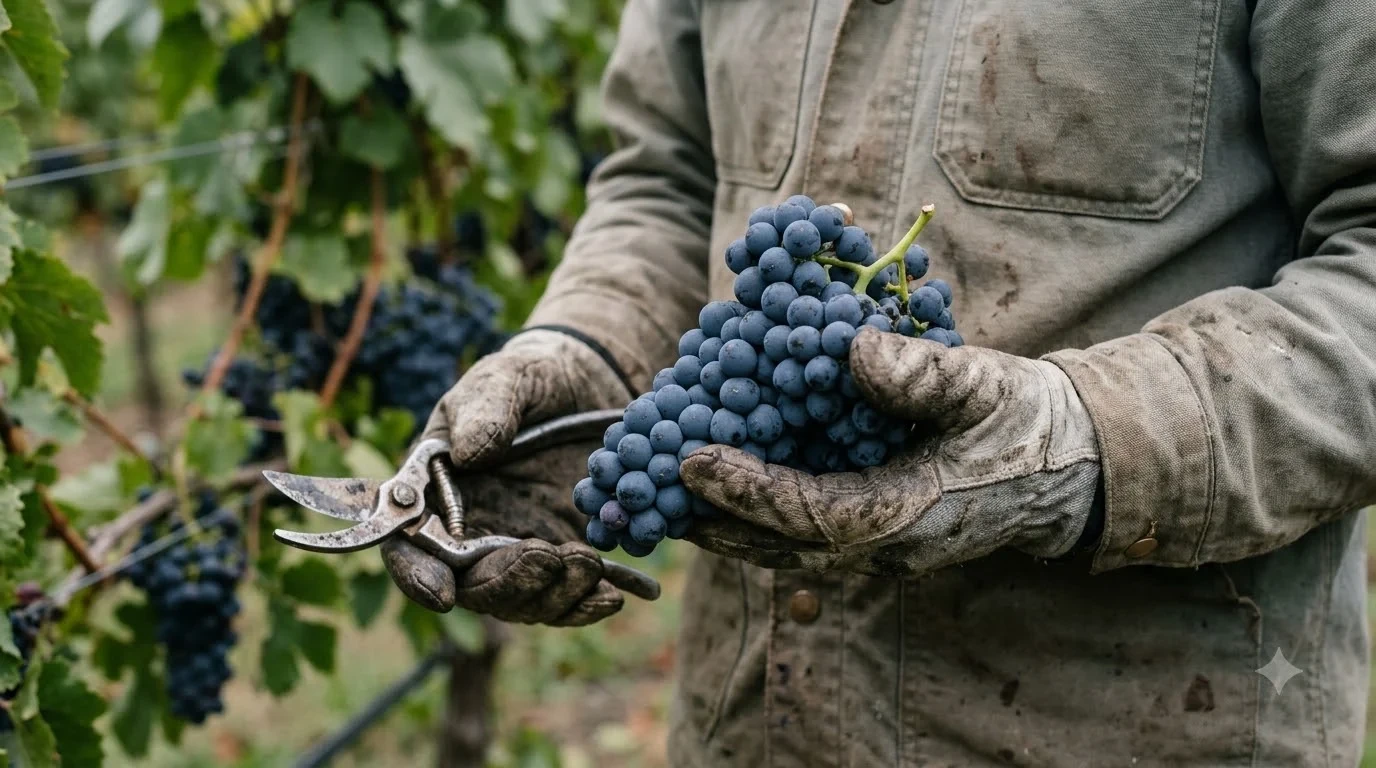
What is palomino? It is a white grape variety, best known as the main grape used to make sherry in southern Spain. On its own, the grape makes a wine that is low in both acidity and sugar, so it is rarely enjoyed as a table wine. Its real value is in fortified sherry styles such as Fino, Manzanilla, and Oloroso, where the wine’s neutral base takes on the character of the winemaking. The word palomino also describes a golden horse coat, which can confuse first-time searchers.
If you have seen palomino on a sherry label or a wine list, you may wonder what the word means. The answer depends on the context. In wine, it almost always refers to the grape. This guide explains what the palomino grape is, where it grows, how it is used in sherry, and what the wine tastes like when it is not fortified.
What the Palomino Grape Is
Palomino is a white variety of the species Vitis vinifera. It is widely grown in Spain, and it is also planted in South Africa, where it goes by other local names. The grape is known for its ability to produce a large crop in warm conditions, but it does not have much natural acidity or sugar. That makes it a difficult grape to turn into a balanced still wine.
The grape is sometimes known by other names in different places. In the Canary Islands, it is called Listán Blanco. In South Africa, it appears under names such as Fransdruif. The name you see on a label may change with the region, but the grape is the same.
Palomino and Sherry
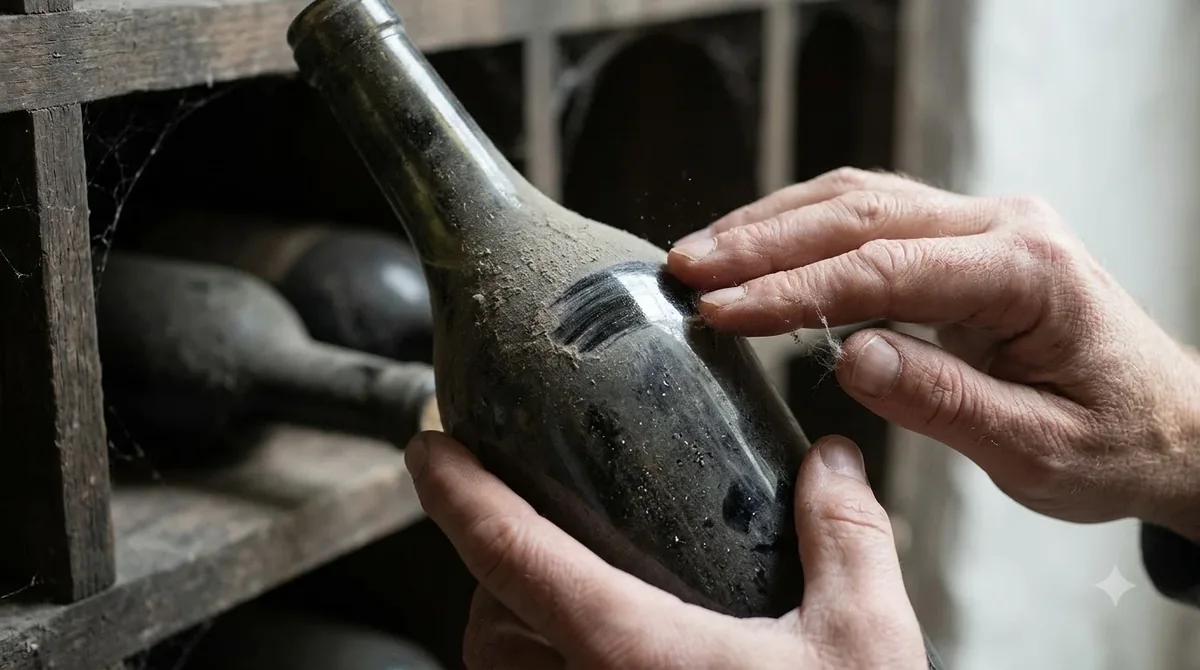
Palomino is the backbone of sherry. The grape is planted heavily in Andalusia, the region in southern Spain where sherry is made. According to the Wikipedia entry on the grape, the variety is best known for its use in sherry production. The Wikipedia entry notes that the grape is widely planted in Andalusia for this purpose, and that it is the fourth most common white variety in Spain by planted area.
Sherry styles take the neutral palomino base and shape it in different ways. Fino and Manzanilla are aged under a layer of yeast called flor, which gives them a dry, saline, and yeasty character. Amontillado and Oloroso are aged with more oxygen exposure, which deepens the color and adds nutty and caramel notes. The grape stays the same, but the winemaking changes the result.
| Sherry style | How the palomino base is aged | Typical taste |
|---|---|---|
| Fino | Under flor yeast | Dry, saline, bread notes |
| Manzanilla | Under flor, near the coast | Dry, briny, light |
| Amontillado | Flor first, then oxidative aging | Nutty, dry, deeper |
| Oloroso | Oxidative aging without flor | Rich, nutty, full-bodied |
What Palomino Wine Tastes Like Without Fortification
When palomino is made into a still wine, the result is usually neutral and thin. The grape’s low acidity means that a table wine from palomino can taste flat unless the winemaker adds acid or uses a careful process. Its sugar level is also modest, so the wine does not show the ripe fruit that many drinkers expect from a white.
Sherry producers do not need the wine to show much fruit on its own. The base is meant to be a clean canvas, and the aging process supplies the flavor. That is why a glass of unfortified palomino is rarely a highlight, while a glass of Fino or Oloroso can be one of the most interesting wines in the cellar.
Where Palomino Is Grown
Most palomino vineyards are in Spain. Andalusia has the largest share for sherry, and the Canary Islands and Galicia also have plantings. Outside Spain, the grape is grown in Portugal’s Douro region, in Australia, and in California, where it is mainly used for fortified wines. South Africa has a long history with the grape as well.
The planted area is substantial. The Wikipedia entry reports about 20,261 hectares planted in Spain in 2015, which made palomino the fourth most common white variety in the country at that time. That scale shows how central the grape is to Spanish wine production, even though it rarely appears on its own.
How to Serve Sherry Made From Palomino
Serving temperature matters for sherry. Fino and Manzanilla are best served chilled, since cool temperatures bring out their dryness and freshness. Amontillado and Oloroso can be served a little warmer, which helps their nutty and dried-fruit notes come forward. Use a small glass, because sherry is strong and usually poured in small amounts.
Tip: Once opened, most sherry keeps well in the fridge for a few weeks, and dry styles like Fino are best within days. Check the bottle’s guidance for the style you have.
Food Pairings for Palomino-Based Sherry
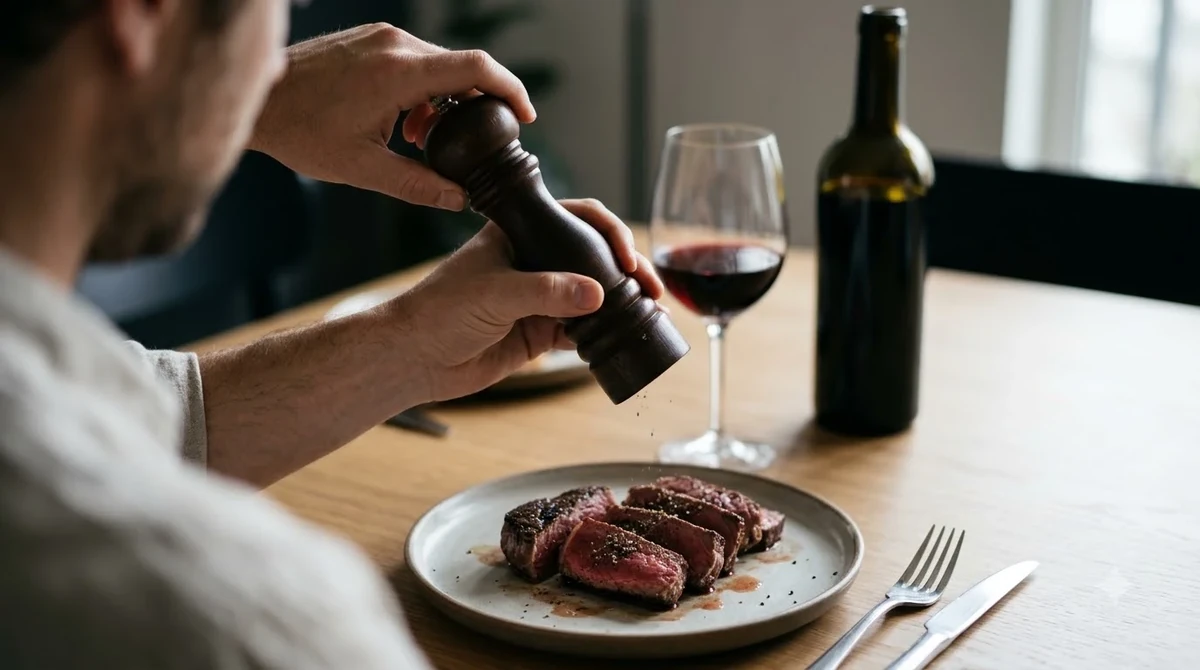
Sherry is one of the most food-friendly wines in the world, and palomino-based styles fit a wide range of dishes. The dry styles suit salty snacks, cured ham, and olives, while the richer styles pair with roasted nuts, aged cheeses, and slow-cooked dishes. A glass of Fino with a bowl of almonds is a simple pairing that shows how the flavors support each other.
Dry sherries made from palomino suit tapas, olives, almonds, and seafood. Manzanilla is a classic match for shellfish and fried fish. Amontillado pairs well with rich cheeses and mushroom dishes. Oloroso can stand up to braised meat and dark chocolate desserts, where its nutty depth matches the richness.
Choosing a Palomino Wine or Sherry
If you want to try palomino, start with a sherry rather than a still white. Look for the style name on the label, since Fino, Manzanilla, Amontillado, and Oloroso each taste very different. A bottle from an established sherry house is a good place to begin, and the staff at a wine shop can help you match the style to the meal.
Sherry is also a useful way to learn about the grape because the style list is short. Start with a Fino, which is dry and light, then move to an Amontillado to see how oxidative aging changes the same base. Each step shows how much the winemaking shapes the final glass, even when the grape stays constant.
Readers who want to see how the grape appears in a still wine can read the palomino wine guide. For more background on the variety itself, the palomino grape profile covers its growing habits and history. If you enjoy a sweet, rich white, the auslese wine guide shows a very different style from a different country.
Frequently Asked Questions
What is palomino?
Palomino is a white grape variety grown mainly in southern Spain. It is the main grape used to make sherry, and it is rarely bottled as a still wine.
Is palomino a wine or a grape?
It is a grape, and the wine made from it is usually called palomino wine. In Spain, the grape is most often used for sherry rather than for still table wine.
Is palomino sweet?
Palomino has low sugar and low acidity. Sherry made from it can be dry, as in Fino and Manzanilla, or richer and nuttier, as in Oloroso.
Does palomino also mean a horse color?
Yes. Palomino is also a horse coat color, a golden coat with a pale mane and tail. In a wine context, the word refers to the grape.
Palomino is a grape that makes most of its impact in the sherry cellar. Try a dry Fino or Manzanilla with tapas to see the grape at its best. For a wider look at Spanish and European styles, visit the Wine by Type guide.
More in Wine Types & Grapes
 Zinfandel Sugar Content: Dry Red vs. White Zinfandel GramsUpdated Nov 21, 2026
 Best Zinfandel Substitute Options for Sipping and CookingUpdated Nov 21, 2026
 Zweigelt Food Pairing: Best Dishes, Cheeses, and Serving TipsUpdated Nov 21, 2026
 Zinfandel Tannins Explained: How Structure Shapes Every BottleUpdated Nov 21, 2026
 Zinfandel Sweetness Level: Dry Red vs. Sweet White Zin ExplainedUpdated Nov 21, 2026
 Xinomavro Food Pairing: Best Dishes, Styles, and Serving TipsUpdated Nov 21, 2026