

We may earn a commission when you buy through links on this page, at no extra cost to you. Learn more.
The answer to “what is nebbiolo” is a red wine grape native to Italy’s Piedmont region, best known as the sole grape in Barolo and Barbaresco. It produces wines with high acidity, firm tannins, and a surprisingly light garnet color, often marked by aromas of rose, cherry, violet, and tar. Depending on its appellation and winemaking, Nebbiolo can be approachable in a few years or structured for long cellar aging. Its combination of floral fragrance and substantial grip makes it one of northern Italy’s most distinctive red grapes.
For American wine drinkers, Nebbiolo can be a useful point of comparison with Pinot Noir and Cabernet Sauvignon, but it does not fit neatly into either category. It is lighter in color than many powerful reds, more tannic than Pinot Noir, and notably aromatic. Learning the grape’s home region, common styles, and serving needs makes it easier to choose a bottle for dinner or a special occasion.
What Nebbiolo Is and Where It Began
Nebbiolo is an indigenous red grape from Piedmont, in northwestern Italy, where the foothills of the Alps meet the Langhe hills. It is the foundation of Barolo and Barbaresco, two celebrated wines that take their names from villages in the province of Cuneo, and it has a long documented history in the region.
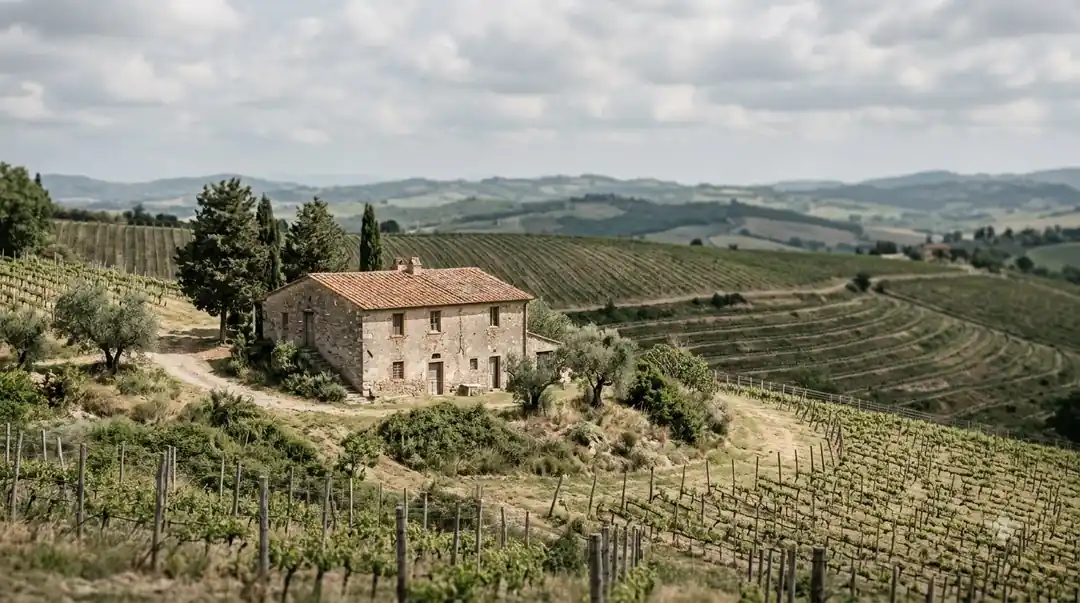
The grape’s name is commonly linked to nebbia, the Italian word for fog. Autumn fog is a familiar feature of the Langhe, and the name suits a variety that ripens late, often remaining on the vine well into the fall. Wine Enthusiast records a written reference to Nebbiolo in 1268, while later local records show how established the vine had become: in 1402, La Morra issued an order against damaging Nebbiolo vines. Those dates place the grape deep in the agricultural history of Piedmont rather than among varieties introduced for modern fashion.
Its identity is closely connected to place. The best-known plantings are in the Langhe, Roero, and other parts of Piedmont, while the grape also has an important presence in Valtellina, across the regional border in Lombardy. Outside northwestern Italy, plantings are comparatively limited. Growers in California, Australia, and other wine regions have explored it, but its strongest reputation remains tied to the soils, hillsides, and growing conditions of its Italian home.
Barolo and Barbaresco must be made entirely from Nebbiolo, not simply contain a large percentage of it. That distinction matters when reading a label: a bottle marked Barolo or Barbaresco identifies a protected regional wine, while a bottle labeled Langhe Nebbiolo or Nebbiolo d’Alba points to a different designation and often a different style. For a broader overview of grape-led bottles, the Wine by Type directory can help place Nebbiolo alongside other red varieties.
Nebbiolo Flavor, Aroma, and Structure
Nebbiolo is prized for a vivid perfume, high acidity, and pronounced tannin. The classic shorthand is “tar and roses,” but a glass can show a wider range of red fruit, flowers, herbs, and savory notes, with the balance changing as the wine ages.
Young Nebbiolo commonly suggests sour cherry, raspberry, cranberry, and sometimes plum. Rose petal and violet are familiar floral notes; anise, licorice, fennel, dried herbs, and spice may add detail. With time in bottle, the fruit can become more dried or subdued, while aromas associated with leather, tobacco, earth, mushroom, and truffle may become more prominent. Tar is a traditional descriptor for a dark, smoky, resinous impression rather than a literal flavor ingredient.
The palate often surprises people who judge the wine by its appearance. Nebbiolo can look pale ruby or garnet, with a translucent rim, yet it has firm, sometimes gripping tannins and lively acidity. That combination gives it structure and helps explain why well-made Barolo and Barbaresco can age for many years. The tannins create a drying sensation along the gums, while acidity keeps the wine fresh and gives food-friendly lift.
Body varies with the vineyard, vintage, and cellar choices, but the most famous examples feel substantial rather than delicate. Alcohol is often moderately high, and the fruit profile tends to remain more red-fruited and savory than jammy. To compare the details by sight and smell before opening a bottle, see the site’s Nebbiolo tasting notes. For the separate visual question of why the wine can appear lighter than its structure suggests, the Nebbiolo color article offers a focused explanation.
Growing Conditions in Piedmont
Nebbiolo is demanding in the vineyard because it buds early but ripens late, so it needs a long growing season and a suitable hillside site. In the Barolo production area, regulations reserve the grape for hillside vineyards between 170 and 540 meters above sea level, with soils that may be clayey, calcareous, siliceous, or combinations of those types.
Exposure and drainage are important because the grape needs enough warmth and sunlight to reach full maturity before autumn weather closes in. The Barolo rules exclude flat, damp valley-floor sites and specify a minimum planting density of 3,500 vines per hectare for newly registered or replanted vineyards. These requirements do not mean every vineyard is identical: slope, altitude, soil depth, and exposure still vary from one site to another, and those differences can influence ripeness, tannin texture, and the wine’s aromatic expression.
Piedmont’s climate contributes another part of the equation. The region has warm, sunlit days, cool nights, and foggy mornings, a pattern that helps grapes retain acidity while developing flavor. The sunny south-facing slopes are particularly associated with Nebbiolo, while other local red varieties, such as Dolcetto, are often planted on cooler sites. The grape can ripen fully in the right position but may struggle where the season is too short or the site is poorly exposed.
Soil is often discussed in connection with Nebbiolo, especially the calcareous marl found in parts of the Langhe. Soil is one influence among several, alongside slope, exposure, altitude, weather, and vineyard work. Together, those factors help explain why nearby hillside sites can produce different balances of fruit, perfume, and tannin.
Barolo, Barbaresco, and Other Nebbiolo Styles
Barolo and Barbaresco are the best-known Nebbiolo appellations, but they are not the only ones worth recognizing. Their rules, locations, and aging requirements help explain why two wines made from the same grape can have distinct personalities and release schedules.
Barolo comes from a defined area that includes the municipality of Barolo and parts or all of neighboring communes such as La Morra, Serralunga d’Alba, Monforte d’Alba, and Castiglione Falletto. Its regulations require 100% Nebbiolo and at least 38 months of aging, including 18 months in wood. Barolo Riserva requires at least 62 months total aging, also with 18 months in wood. The wine is typically structured, dry, and full-bodied, with a firm tannic frame that can benefit from time in bottle.
Barbaresco is produced in the municipalities of Barbaresco, Neive, and Treiso, along with part of Alba, and is also made from 100% Nebbiolo. The regional consortium specifies a minimum of two years of aging, including at least nine months in oak; after four years, the wine may be designated Riserva. Its profile is often elegant and aromatic, with raspberry, violet, spice, and savory complexity. It can be approachable earlier than some Barolos, yet serious examples also develop over time. The Barbaresco DOCG profile from the regional consortium outlines the appellation’s grape and aging requirements.
| Wine designation | Grape requirement | Minimum aging | Wood aging within the minimum |
|---|---|---|---|
| Barolo | 100% Nebbiolo | 38 months | 18 months |
| Barolo Riserva | 100% Nebbiolo | 62 months | 18 months |
| Barbaresco | 100% Nebbiolo | 2 years | 9 months |
| Barbaresco Riserva | 100% Nebbiolo | 4 years before Riserva designation | At least 9 months for the base aging requirement |
Other Piedmont designations offer different ways to explore the grape. Langhe Nebbiolo and Nebbiolo d’Alba can provide a more direct, earlier-drinking expression, often with less extended aging than Barolo. Roero is another important area, while Gattinara and Ghemme in Alto Piemonte offer distinctive expressions shaped by a cooler climate and different soils. In Valtellina, Nebbiolo is known locally as Chiavennasca and can produce a more alpine, finely framed style. The label’s place name is often the clearest first clue to the style in the glass. The table summarizes core minimums rather than every production rule; these are legal aging requirements, not promises that every wine will taste fully mature at release.
How to Serve, Decant, and Store Nebbiolo
Serve Nebbiolo cool enough to keep its acidity lively and its alcohol in balance. A practical range for a structured red is 60–65°F, while a lighter, less tannic bottle can be served closer to 55–60°F; avoid pouring it warm from a heated room.
Young Barolo and other full-bodied Nebbiolo wines often benefit from 30–60 minutes in a decanter. Air can soften the first impression of firm tannin and help the wine’s rose, cherry, and savory aromas become more expressive. A broader glass with room for swirling also helps release the perfume. For a lighter Langhe Nebbiolo, a short pause in the glass may be enough, so extended decanting is not automatically necessary for every bottle.
Older Nebbiolo calls for a gentler approach. Bottle age can soften tannin and develop delicate aromas, but it can also leave sediment. Stand the bottle upright before opening so the sediment can settle, then pour carefully; decant only as much as needed to separate the clear wine from the deposit. A long exposure to air may cause a mature wine’s most fragile aromas to fade.
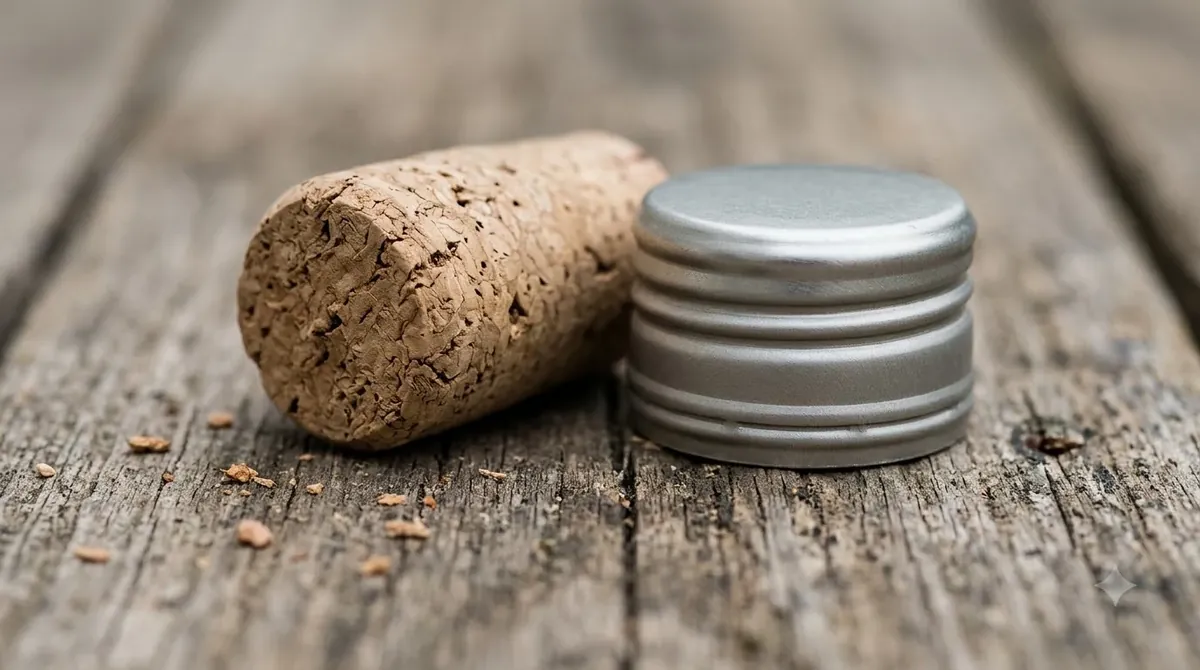
For storage, keep bottles away from direct light, heat, and repeated temperature swings. A cool environment near 55°F is a useful target, and bottles with natural corks are generally stored on their sides to keep the cork from drying out. Large Barolo and Barbaresco can reward patient cellaring, but the ideal drinking window depends on the producer, vintage, vineyard, and storage conditions. A less ambitious Langhe bottling is usually better approached as a wine for the nearer term rather than a bottle to forget for decades.
Tip: If a young Nebbiolo tastes hard or drying on its own, serve it with dinner before deciding it needs many more years in the cellar. A rich dish and 30–60 minutes of air can make the tannins feel more integrated.
Food Pairings for Nebbiolo
Nebbiolo is especially good with dishes that bring fat, protein, and savory depth to the table. Its high acidity can refresh the palate, while rich food helps soften the sensation of firm tannin, making it a natural partner for the hearty cooking of Piedmont.
Classic matches include braised beef, veal shanks, lamb, roast pork, and slow-cooked game. A beef ragù over tajarin or another egg pasta works well because the sauce has enough richness to meet the wine’s structure. Mushroom risotto and dishes with truffles echo Nebbiolo’s earthy and savory aromas, while roasted root vegetables can connect with the wine’s dried-herb and autumnal notes. Salt and fat help soften tannin, so a dish with a little richness is usually a better match than a very lean plate.
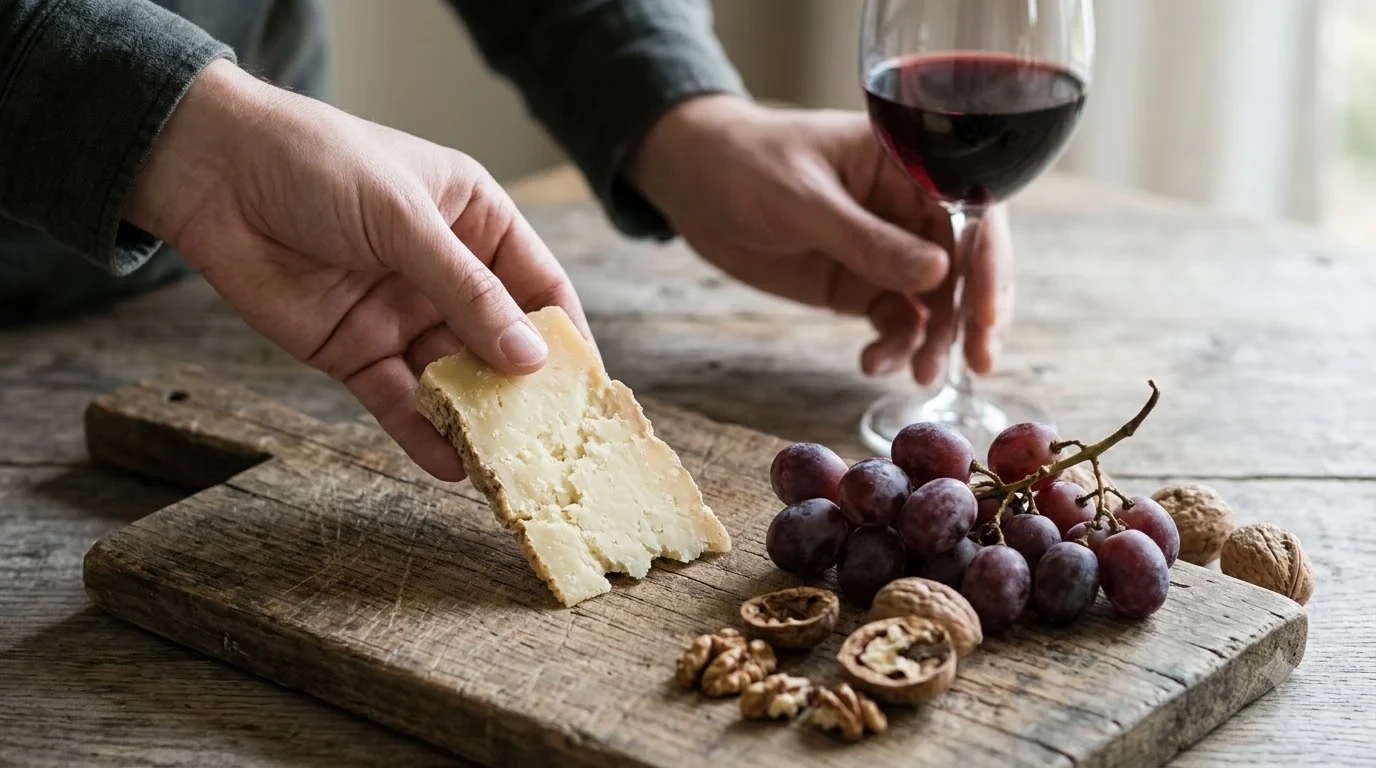
Cheese is another strong option. Try aged Parmigiano-Reggiano, Castelmagno, or a firm alpine cheese with a mature Barolo or Barbaresco. For a younger and more fruit-forward Nebbiolo, roasted chicken with herbs, pork tenderloin, or a mushroom tart can be a better fit than an intensely aged cheese. The goal is to match the weight and intensity of the bottle rather than assuming every Nebbiolo needs the richest dish on the menu.
Acidity in food deserves attention. A tomato-based sauce, vinaigrette, or other sharply acidic ingredient can make a wine seem less lively if the food has more acidity than the wine. Choose a Nebbiolo with enough freshness for the dish, and avoid serving it with strongly acidic sides that dominate the palate. Similarly, very hot chili heat can make the alcohol and tannin feel more aggressive; dishes with moderate seasoning and savory depth are usually more comfortable partners. Delicate white fish and oily fish can be overwhelmed by Nebbiolo’s tannins, and an especially spicy dish may exaggerate the wine’s heat and grip. Very sweet desserts can make a dry red taste harsh; for dessert, choose a wine at least as sweet as the food. Keeping the pairing savory, rich, and balanced gives Nebbiolo room to show both fragrance and structure.
Frequently Asked Questions
Nebbiolo has a few useful details beyond the familiar Barolo and Barbaresco labels. Its local names, historical references, and less common wine styles can help explain why the grape appears under several different identities.
How do you pronounce Nebbiolo?
In English wine settings, it is commonly pronounced “neb-ee-OH-low,” with the emphasis on the third syllable. The name is Italian, and the double “b” is held slightly longer than a single consonant in careful Italian pronunciation.
Does Nebbiolo have other names?
Yes. In Valtellina, the grape is called Chiavennasca, while Spanna is a traditional name used in parts of Alto Piemonte. Other recorded synonyms include Picotendro and Prunent, reflecting the variety’s long regional history.
Can Nebbiolo be made into something other than red wine?
Yes. Although dry red wine is its best-known form, Nebbiolo grapes are also used for rosé, sparkling, and dessert wines. These are less familiar than Barolo and Barbaresco, so the wine’s designation and producer information are especially useful clues.
What is Barolo Chinato?
Barolo Chinato is an aromatized wine made using Barolo as its base and flavored with botanicals that include cinchona bark. It is a separate specialty from ordinary dry Barolo, and its designation is specifically covered in the Barolo production regulations.
How old is the written history of Nebbiolo?
Wine Enthusiast’s Piedmont region history cites a written reference to the grape from 1268. A 1402 order from the town of La Morra also imposed a penalty on anyone caught damaging Nebbiolo vines, showing how important the variety had already become to local growers.
Nebbiolo rewards attention to origin, age, and food more than a quick glance at its pale color might suggest. Start with a younger Langhe Nebbiolo to learn its floral, red-fruited character, then compare it with Barbaresco or Barolo to see how site and aging shape the same grape.
More in Wine Types & Grapes
 Zinfandel Sugar Content: Dry Red vs. White Zinfandel GramsUpdated Nov 21, 2026
 Best Zinfandel Substitute Options for Sipping and CookingUpdated Nov 21, 2026
 Zweigelt Food Pairing: Best Dishes, Cheeses, and Serving TipsUpdated Nov 21, 2026
 Zinfandel Tannins Explained: How Structure Shapes Every BottleUpdated Nov 21, 2026
 Zinfandel Sweetness Level: Dry Red vs. Sweet White Zin ExplainedUpdated Nov 21, 2026
 Xinomavro Food Pairing: Best Dishes, Styles, and Serving TipsUpdated Nov 21, 2026