


We may earn a commission when you buy through links on this page, at no extra cost to you. Learn more.
What is frappato? Frappato is an indigenous red wine grape from southeastern Sicily, Italy, known for producing light-bodied, aromatic red wines with fresh strawberry, cherry, raspberry, and floral flavors. Unlike many fuller-bodied Italian reds, Frappato typically has gentle tannins, lively acidity, and moderate alcohol. It is delicious as a single-variety wine and plays an important role in Cerasuolo di Vittoria, Sicily’s distinctive red wine blend.
Italian red wine does not always mean powerful flavors, heavy tannins, or long aging in oak barrels. Frappato offers a different experience: a bright, fragrant wine that emphasizes fresh fruit, floral aromas, and refreshing drinkability. Its home is Sicily, particularly the Vittoria area, where local growing conditions and generations of winemaking have shaped its identity. Whether you enjoy lighter reds, want something interesting to serve with dinner, or are exploring indigenous Italian grapes, Frappato deserves attention.
Frappato’s Sicilian Origins and History
Frappato is a native Sicilian red grape with a particularly strong connection to Vittoria in the southeastern province of Ragusa. Its history stretches back several centuries, and its traditional home remains the area around Vittoria, where the grape has become an important part of local wine culture.
Frappato is sometimes called Frappato di Vittoria, and other recorded synonyms include Frappato Nero, Frappatu, Surra, and Nero Capitano. These names reflect the variety’s long association with Sicilian agriculture and the different naming traditions that developed among local growers.
Historical documentation places Frappato in Sicily at least as far back as the late 18th century. Firriato’s grape variety profile identifies Ragusa as a likely place of origin and early dissemination. This history makes Frappato more than a recent discovery for international wine drinkers: it is an established part of southeastern Sicily’s viticultural heritage.
Modern interest in Frappato has grown as drinkers have become more interested in aromatic, lighter-bodied reds. Its delicate structure offers an alternative to concentrated wines made from varieties such as Nero d’Avola, Syrah, or Cabernet Sauvignon.
The grape is particularly associated with the provinces of Ragusa and Siracusa, although plantings can be found elsewhere in Sicily. Vittoria remains its best-known center of production, and bottles from this area are a useful starting point for anyone discovering the variety.
Frappato is also grown outside southeastern Sicily. For example, Firriato cultivates the variety at its Borgo Guarini and Baglio Soria estates in the Trapani countryside of western Sicily. These vineyards demonstrate that Frappato can produce different expressions outside its traditional heartland.
The variety’s thin skins are an important part of its identity. They help explain why Frappato can produce relatively delicate color and tannin compared with many thicker-skinned red grapes. However, extraction, vineyard conditions, and winemaking decisions also influence the finished wine.
For a closer look at its vineyard characteristics and grape-growing requirements, explore our article about the Frappato grape.
What Frappato Tastes Like
Frappato typically tastes like fresh red berries, cherries, and delicate flowers, with lively acidity and soft tannins. It is generally a dry red wine with a light body, making it refreshing without sacrificing aromatic complexity.
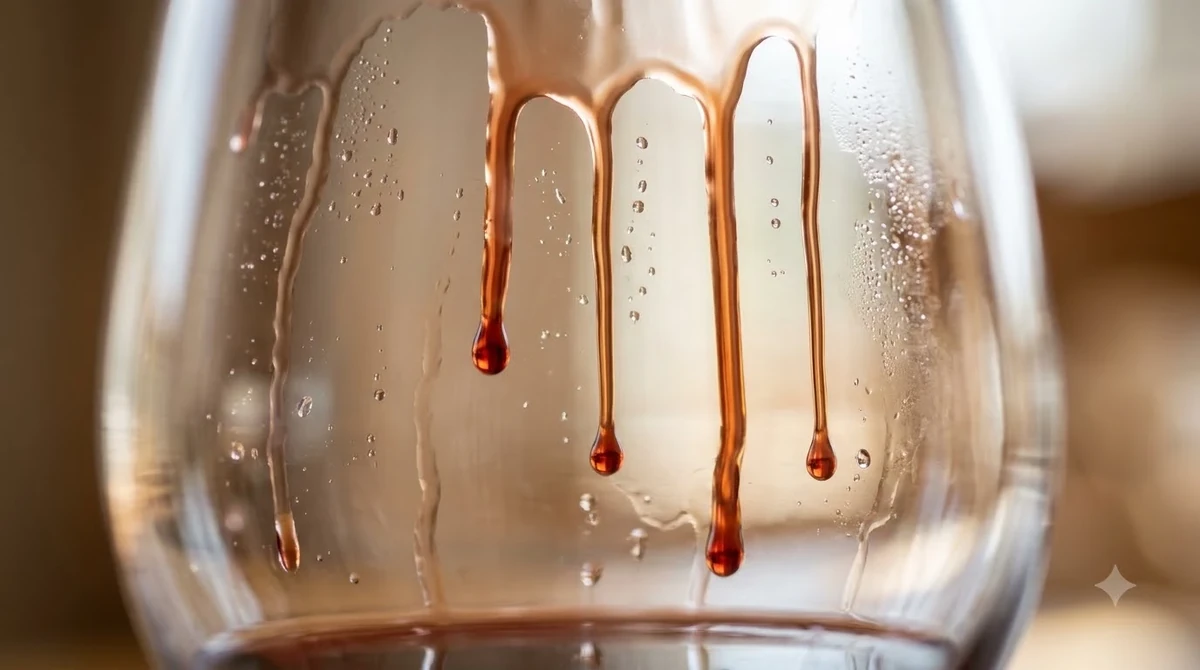
Strawberry is one of its most recognizable fruit characteristics. Depending on the producer and growing conditions, the wine can also show red cherry, raspberry, cranberry, pomegranate, or blackberry. Some bottles have a darker fruit profile, while others emphasize fresh berries and delicate floral notes.
Floral aromas are another important part of Frappato’s character. Rose petals and violets can appear alongside fruit, creating a fragrant impression that distinguishes the variety from more straightforward, deeply colored reds. Some examples also offer hints of white pepper, dried herbs, Mediterranean vegetation, or gentle earthy notes.
On the palate, Frappato generally feels light to medium-light rather than heavy. Its acidity provides freshness, while its relatively low tannin level gives the wine a soft, approachable texture. The finish often emphasizes fruit and gentle spice rather than the drying grip associated with more tannic reds.
Understanding the main flavor characteristics
- Fruit: Strawberry, cherry, raspberry, cranberry, and sometimes blackberry.
- Floral: Violet, rose, and delicate perfume-like aromas.
- Herbal: Dried Mediterranean herbs and occasional fresh botanical notes.
- Spice: Subtle white pepper and gentle savory characteristics.
- Texture: Light-bodied, fresh, and generally low in tannins.
- Finish: Fragrant, fruity, and refreshing.
Not every bottle displays all these characteristics. A stainless-steel Frappato might emphasize straightforward cherry and strawberry, while a wine with extended skin contact or a different maturation approach may offer additional savory complexity.
Frappato is generally dry, although its ripe berry aromas can create an impression of sweetness. This is an important distinction: smelling strawberries does not mean the wine contains significant residual sugar. For example, Tenuta Santo Spirito reports 3–4 grams per liter of residual sugar in its Chiarestelle Frappato, alongside lively acidity.
Acidity is particularly important to the overall experience. It keeps the fruit from feeling heavy and gives Frappato the freshness that makes it enjoyable slightly chilled. This combination of aromatic fruit, gentle tannins, and lively acidity is a major reason the variety appeals to people who enjoy lighter red wines.
Where Frappato Grows and How Its Terroir Shapes the Wine
Vittoria in southeastern Sicily is Frappato’s most important growing area, where Mediterranean weather, vineyard elevation, and different soil types influence the grape’s development. The combination helps explain why the region produces aromatic reds with freshness despite Sicily’s generally warm climate.
Vittoria is located in the province of Ragusa, in southeastern Sicily. Its vineyards are influenced by the surrounding Mediterranean landscape, although conditions vary considerably from one estate to another. Elevation, exposure, soil composition, and temperature differences all affect how grapes ripen.
The area’s soils are not completely uniform. Individual vineyards can have sandy, calcareous, clay-rich, or stony characteristics. These differences influence drainage, water availability, and vine development, contributing to variations in the finished wine.
For example, Tenuta Santo Spirito describes the terroir of its Chiarestelle vineyard as calcareous, loose, deep, and well-drained, with a lightly alkaline character. Its vineyard is situated at approximately 656 feet above sea level, demonstrating the specific conditions behind one producer’s expression of Frappato.
Other estates have different growing environments. Cortese’s Nostru Frappato comes from the Vittoria area at approximately 400 meters above sea level. Its producer describes the wine as fresh and vibrant, with wild strawberry aromas and silky fruit.
These examples demonstrate why two bottles of Frappato can share the same grape variety while offering different levels of fruit concentration, structure, and earthy complexity.
Vineyard management also matters. Frappato has relatively thin skins, making harvesting decisions and handling important for preserving the fruit’s freshness. Producers may choose gentle extraction techniques to avoid excessive tannin, while others seek a more structured style through longer maceration.
Harvest timing is another influence. Grapes picked toward the end of September appear in documented examples from Vittoria, although the precise harvest date varies according to the vineyard, season, and desired ripeness.
Frappato is not restricted to one winemaking method or geographical designation. Its different growing environments and cellar techniques explain the range of styles available, from very light, fragrant reds to wines with more body and savory complexity.
For additional context about Sicily’s native wine varieties, our Wine by Type resource explains how grape varieties influence the styles found in different wine regions.
Frappato Versus Pinot Noir and Other Red Wines
Frappato is often compared with Pinot Noir because both can produce lighter-bodied reds with delicate color, aromatic fruit, and relatively gentle tannins. However, Frappato has its own Sicilian identity, and its combination of floral perfume, fresh berries, and Mediterranean character makes it distinctive.
Pinot Noir is known for red cherry, raspberry, strawberry, and earthy or savory aromas. Frappato can share some of these characteristics, but its floral profile and bright, fruit-forward presentation often give it a different personality.
The comparison is useful when explaining the general weight and texture of Frappato to someone unfamiliar with the grape. Both varieties can appeal to drinkers who prefer reds that do not overwhelm the palate with tannin or oak.
Nevertheless, Pinot Noir varies significantly according to its origin. A delicate Burgundy, an expressive Oregon Pinot Noir, and a ripe California example can taste very different from one another. The same is true of Frappato, so comparisons should be understood as general stylistic guidance rather than exact equivalents.
How Frappato compares with other grapes
| Grape | Body | Tannin | Typical character |
|---|---|---|---|
| Frappato | Light | Low | Strawberry, cherry, violet, fresh acidity |
| Pinot Noir | Light to medium | Low to medium | Cherry, raspberry, earthy notes, high acidity |
| Merlot | Medium to full | Medium | Plum, black cherry, softer tannins |
| Nero d’Avola | Medium to full | Medium | Black cherry, plum, darker fruit, more structure |
| Cabernet Sauvignon | Medium to full | High | Cassis, blackcurrant, cedar, firm structure |
| Syrah | Medium to full | Medium-plus to high | Blackberry, pepper, savory spice |
Frappato’s lighter structure also makes it different from many familiar Italian reds. A bottle made primarily from Sangiovese, such as Chianti Classico, generally has a firmer tannic structure, while Nero d’Avola often delivers darker fruit and more body.
Frappato has an interesting genetic relationship with Sangiovese. Firriato discusses DNA research suggesting a connection between the varieties, although the precise parentage and relationships should not be confused with their different wine styles. Genetic connections do not mean that two grapes will produce wines with identical aromas or textures.
Frappato also has something in common with Gamay, the principal grape of Beaujolais. Both can produce fresh, fruit-driven reds that work well with a slight chill. However, Gamay’s characteristic flavor profile and winemaking traditions are different from those of Frappato.
Another useful distinction is between Frappato and Airen. Frappato is a red grape used to produce aromatic red wines, while Airen grape is a white variety historically associated with Spanish white wine production. They represent very different approaches to wine style and grape cultivation.
Frappato and Cerasuolo di Vittoria: Understanding the Difference
Frappato can be bottled on its own or blended with Nero d’Avola to make Cerasuolo di Vittoria DOCG, Sicily’s distinctive protected red wine. The distinction matters because a single-variety Frappato and a Cerasuolo di Vittoria offer different combinations of fruit, structure, and intensity.
A single-variety Frappato focuses on the grape’s natural aromatic qualities. Expect red berries, floral notes, lively acidity, and gentle tannins. The result is generally an approachable red that works well slightly chilled.
Cerasuolo di Vittoria combines Frappato with Nero d’Avola, also known locally as Calabrese. The two varieties complement one another, creating a wine with more structure and depth than many straightforward Frappato bottlings.
The official denomination regulations specify the permitted proportions. Cerasuolo di Vittoria DOCG must contain between 50% and 70% Nero d’Avola and between 30% and 50% Frappato. This means the traditional blend is not restricted to one fixed 60/40 formula.
Nero d’Avola contributes additional color, body, darker fruit flavors, and structure. Frappato adds aromatic lift, fresh red fruit, and floral complexity. The result can be more substantial than a single-variety Frappato while retaining a distinctly Sicilian freshness.
What the labels tell you
- Vittoria DOC Frappato: Must contain at least 85% Frappato under the denomination’s production regulations, with the permitted remainder coming from qualifying non-aromatic red varieties.
- Terre Siciliane IGT: A broader geographical designation that can be used for qualifying Sicilian wines, including varietal Frappato.
- Cerasuolo di Vittoria DOCG: A protected red wine denomination requiring 50%–70% Nero d’Avola and 30%–50% Frappato.
- Cerasuolo di Vittoria Classico DOCG: A more specifically designated version of the denomination, subject to its production regulations and geographical requirements.
These designations help explain why the word Frappato may appear prominently on one bottle and less prominently on another. Some wines highlight the grape itself, while others emphasize the geographical denomination and traditional blend.
The denomination’s history also matters. Cerasuolo di Vittoria received DOCG recognition in 2005, following its earlier DOC recognition in 1973. It remains an important expression of the region’s traditional combination of Nero d’Avola and Frappato.
When choosing between them, think about the occasion. A single-variety Frappato is particularly suitable for lighter meals, informal gatherings, and warm-weather drinking. Cerasuolo di Vittoria can be a better match for richer pasta dishes, grilled meats, and meals that benefit from additional wine structure.
The official Cerasuolo di Vittoria production regulations explain the grape proportions and geographical requirements behind the denomination. They are particularly useful for understanding why a DOCG bottle is different from a straightforward Frappato DOC or IGT wine.
How to Serve Frappato and What Foods to Pair With It
Frappato is best served slightly cool, around 55–60°F for a light red style, with fresh Mediterranean dishes, seafood, roasted vegetables, and lighter meats. Its acidity and soft tannins make it more versatile with food than many heavier red wines.
Temperature makes a meaningful difference. Serving Frappato too warm can emphasize alcohol and make its fresh fruit seem less lively. Serving it slightly cool helps preserve its fragrant character and refreshing acidity.
A practical approach is to place the bottle in the refrigerator for approximately 20–30 minutes before serving if it has been stored at normal room temperature. If the wine is already refrigerated, allow it to warm briefly in the glass until its aromas become more expressive.
Use a standard red wine glass with enough room for the aromas to develop. A 5-ounce pour gives you space to appreciate the wine without filling the glass to the rim. A standard 750 ml bottle provides approximately five such servings.
Best food pairings
Frappato’s bright fruit and gentle tannins make it a natural companion for many foods associated with Sicily and the Mediterranean.
- Seafood: Grilled tuna, swordfish, seafood pasta, and fish soups are excellent choices. Frappato is unusual among red wines because its lighter tannins allow it to work with several seafood dishes.
- Roasted vegetables: Eggplant, zucchini, bell peppers, and grilled tomatoes complement the wine’s red-fruit and herbal notes.
- Italian pasta: Pasta alla Norma, tomato-based pasta, and dishes featuring roasted eggplant provide an especially appealing combination.
- White meat: Roast chicken, turkey, and grilled pork offer enough flavor to complement the wine without overwhelming it.
- Cheese: Fresh cheeses, young pecorino, mozzarella, and mild semi-soft cheeses work well with its fruit and acidity.
- Cured meats: Prosciutto, salami, and other lightly seasoned charcuterie benefit from the wine’s freshness.
One particularly good pairing is grilled tuna with roasted peppers and olive oil. The tuna has enough flavor and richness to complement the wine, while the peppers bring out its fruit and subtle savory notes.
Tomato-based dishes are another strong choice. Tomatoes have natural acidity, so a fresh wine such as Frappato can maintain its balance alongside tomato sauce, roasted tomatoes, or Sicilian-style vegetable preparations.
For cheese, consider a plate of young pecorino, fresh mozzarella, and olives. The salt and fat in the cheese soften the wine’s tannins and create a pleasant contrast with its bright fruit.
Very spicy dishes are less suitable because alcohol can amplify chili heat. Likewise, Frappato’s relatively delicate structure can be overwhelmed by heavily smoked meats, extremely rich stews, or intensely sweet sauces. For dishes with noticeable sweetness, choose a wine at least as sweet as the food.
Frappato’s relationship with seafood is especially interesting because many people assume that red wine should never accompany fish. In Vittoria, however, local traditions include serving Frappato with tuna, swordfish, and other seafood preparations. Its low tannin and bright fruit make this combination practical.
Tip: Try Frappato at approximately 55°F with grilled tuna, roasted peppers, and a little olive oil. This slightly chilled serving temperature highlights its fresh berry aromas while keeping the wine lively alongside the food.
For more detailed meal suggestions, including seafood, pasta, vegetables, and meat dishes, see our guide to Frappato food pairing.
Frappato Winemaking, Aging, and Buying Considerations
Frappato’s final character depends on vineyard conditions and cellar decisions, including fermentation temperature, skin contact, aging vessel, and time in bottle. Stainless steel and concrete are useful choices for producers seeking to preserve the grape’s fragrant fruit and fresh structure.
Because Frappato is naturally aromatic, many producers avoid excessive oak influence. Heavy new oak can obscure the fresh strawberry, cherry, and floral notes that make the grape distinctive. However, there is no single mandatory approach to winemaking for all Frappato wines.
Examples of different production approaches
Tenuta Santo Spirito provides a useful example of a relatively straightforward production method. Its Chiarestelle Vittoria Frappato DOC BIO uses 100% Frappato, with fermentation in stainless steel at 20–22°C over 10–15 days. The producer then ages the wine for nine months in stainless steel tanks and six months in bottle.
The winery describes the resulting wine through cherry, raspberry, blackberry, and subtle spicy notes. Its stated alcohol content is 12.5%–13%, illustrating the moderate alcohol levels possible in this style. The producer also reports acidity of 5.5–6.0 grams per liter, contributing to the wine’s fresh character.
A different example is Cortese’s Nostru Frappato. The grapes are harvested by hand toward the end of September and placed in small 15 kg containers. After gentle crushing, fermentation takes place at approximately 18–22°C for 10–12 days.
Following malolactic fermentation, the wine spends approximately four to six months on fine lees in stainless steel tanks. The producer describes wild strawberry aromas, silky fruit, and a fresh, balanced palate. This approach demonstrates how a producer can retain the grape’s fragrant character while developing texture.
These examples demonstrate why producer information can be useful when selecting a bottle. Two wines made from the same grape may differ in extraction, texture, aromatic intensity, and maturation because of different cellar decisions.
Does Frappato improve with age?
Most everyday Frappato wines are intended to be enjoyed relatively young, while carefully made examples can develop additional complexity with bottle age. Fresh fruit and floral aromas are central to the variety, so prolonged aging is not necessary to appreciate its main characteristics.
Young bottles generally emphasize strawberry, cherry, raspberry, and floral notes. With additional bottle development, some wines may show more savory, earthy, or dried-fruit characteristics, depending on their structure and production methods.
Do not assume that every Frappato is suitable for extended cellaring. A simple, fruit-focused bottling is usually best enjoyed while its fresh aromas remain prominent. More concentrated examples from thoughtful producers may reward additional time, but individual wine specifications matter.
Storing and serving an opened bottle
Store unopened bottles in a cool, dark place, ideally around 55°F, with cork-finished bottles lying on their sides. Avoid frequent temperature changes and direct sunlight.
Once opened, recork the bottle and keep it in the refrigerator. Most still Frappato wines retain acceptable freshness for approximately three to five days, although their aromas and fruit character gradually decline after opening.
For the best experience, drink the wine within the first two or three days after opening. Remove it from the refrigerator briefly before serving if it becomes too cold, and allow it a few minutes in the glass to release its aromas.
When buying Frappato, look for the grape name, the producer, and the geographical designation. Vittoria DOC, Terre Siciliane IGT, and Sicilia DOC can all help identify different expressions of the variety. If you prefer particularly fresh and delicate reds, start with a single-variety Frappato rather than a more structured Cerasuolo di Vittoria.
A producer’s technical information can also help you understand the style before opening the bottle. For example, Tenuta Santo Spirito’s Chiarestelle Frappato details describe its grape composition, vineyard conditions, fermentation, maturation, alcohol, and tasting characteristics. Such information makes it easier to distinguish a fresh, stainless-steel expression from a more structured wine.
Frequently Asked Questions
Is Frappato considered a rare wine grape?
Yes, Frappato is relatively uncommon internationally compared with widely planted varieties such as Merlot, Cabernet Sauvignon, and Chardonnay. Its strongest concentration remains in Sicily, particularly around Vittoria. This limited distribution helps explain why it is more frequently encountered in specialist Italian wine selections than in general supermarket wine ranges.
Is Frappato related to Sangiovese?
DNA research has identified a genetic relationship between Frappato and Sangiovese. However, the precise parentage and complete genetic history of Frappato remain subjects of research. Their wines also have distinct sensory profiles, despite the genetic connection.
Is Frappato suitable for vegetarian and vegan meals?
Frappato’s fresh acidity and fruit-forward character make it a good companion for vegetarian dishes such as eggplant caponata, grilled mushrooms, tomato pasta, and roasted peppers. Whether a particular bottle is vegan depends on its production methods and fining materials. The grape variety itself does not determine whether a wine is vegan-friendly.
Can Frappato be used to make sparkling wine?
Yes, Frappato can be used in sparkling wine production, including rosé and other sparkling expressions. Its fragrant red-fruit character can work well in wines with lively bubbles. The exact production method and sweetness level depend on the individual producer and bottling.
What does the name Cerasuolo mean in Cerasuolo di Vittoria?
Cerasuolo is associated with the Italian word cerasa, meaning cherry in Sicilian dialect. The name reflects the wine’s characteristic cherry-red color and its connection to the region’s traditional wine identity. Cerasuolo di Vittoria is a protected denomination with specific geographical and grape-composition requirements, not simply another name for single-variety Frappato.
Frappato is one of Sicily’s most appealing indigenous red grapes, offering fresh berry flavors, floral aromas, gentle tannins, and refreshing acidity. Whether enjoyed on its own, slightly chilled with seafood, or as part of Cerasuolo di Vittoria, it provides a distinctive alternative to heavier Italian reds. If you enjoy aromatic wines with approachable structure and a strong regional identity, Frappato is an excellent grape to discover.
More in Wine Types & Grapes
 Zinfandel Sugar Content: Dry Red vs. White Zinfandel GramsUpdated Nov 21, 2026
 Best Zinfandel Substitute Options for Sipping and CookingUpdated Nov 21, 2026
 Zweigelt Food Pairing: Best Dishes, Cheeses, and Serving TipsUpdated Nov 21, 2026
 Zinfandel Tannins Explained: How Structure Shapes Every BottleUpdated Nov 21, 2026
 Zinfandel Sweetness Level: Dry Red vs. Sweet White Zin ExplainedUpdated Nov 21, 2026
 Xinomavro Food Pairing: Best Dishes, Styles, and Serving TipsUpdated Nov 21, 2026