

We may earn a commission when you buy through links on this page, at no extra cost to you. Learn more.
The answer to what is cinsault is a red grape from southern France that makes supple, aromatic reds and fresh rosés. It is valued for bright red-fruit character, gentle tannins, and the way it brings fragrance and softness to blends. You may see the name written as Cinsaut, especially in South African wine contexts, and bottles range from easygoing everyday reds to detailed old-vine wines.
Cinsault is an appealing grape to know if you enjoy Pinot Noir, Gamay, or other lighter reds but want to explore a variety with a different Mediterranean background. Its identity is shaped by place and winemaking: a young-vine blend from the Southern Rhône can feel quite different from a single-vineyard bottling grown in South Africa’s coastal vineyards or Chile’s Itata Valley.
What Is Cinsault?
Cinsault is a dark-skinned wine grape associated with southern France, particularly Provence, Languedoc, and the Southern Rhône. It belongs to the Vitis vinifera family, the species behind most classic European wine grapes, and it is used to make both red wine and rosé. The Rhône Valley wine body lists it among the region’s five most widely planted grape varieties and describes its wines as supple, fruity, and expressive.
The grape has a practical side as well as an aromatic one. Cinsault is vigorous and reliably productive, with medium-to-large bunches and berries; it needs warmth and is known for tolerating dry, windy conditions. Those qualities helped it become important in vineyards around the Mediterranean and later in South Africa, where a grape that could cope with heat was useful to growers.
Most people encounter Cinsault as part of a blend rather than as the only grape in a bottle. In southern France it can soften the structure of Grenache, Syrah, and Carignan, while its own red-fruit and floral character can make a single-variety wine distinctive. For a wider introduction to grape families, regions, and wine styles, browse Wine by Type.
What Does Cinsault Taste Like?
Cinsault generally tastes fresh, fragrant, and fruit-forward, with a lighter frame than many familiar reds. Strawberry, raspberry, and red cherry are common reference points, while floral notes can recall violets or rose petals; some examples also show sweet spice, herbs, or a gently savory edge.
Its structure is usually more about freshness and supple texture than firm grip. Tannins are typically low to soft, the color is often medium rather than deeply opaque, and acidity is commonly moderate, although ripeness, climate, and cellar choices can change the balance. A warm-site bottling may feel rounder and juicier, while fruit from a cooler coastal site can emphasize lift and floral detail.
Do not assume every Cinsault tastes exactly alike. Some wines lean toward crunchy red berries and a delicate perfume; others bring riper strawberry, spice, or earthy notes, particularly when made from older vines. Rosé made from Cinsault usually highlights brisk red-fruit impressions and a fragrant finish, while red versions can range from very light and bright to medium-bodied and more savory. For a closer aroma-by-aroma reference, see these Cinsault tasting notes.
Where Cinsault Grows
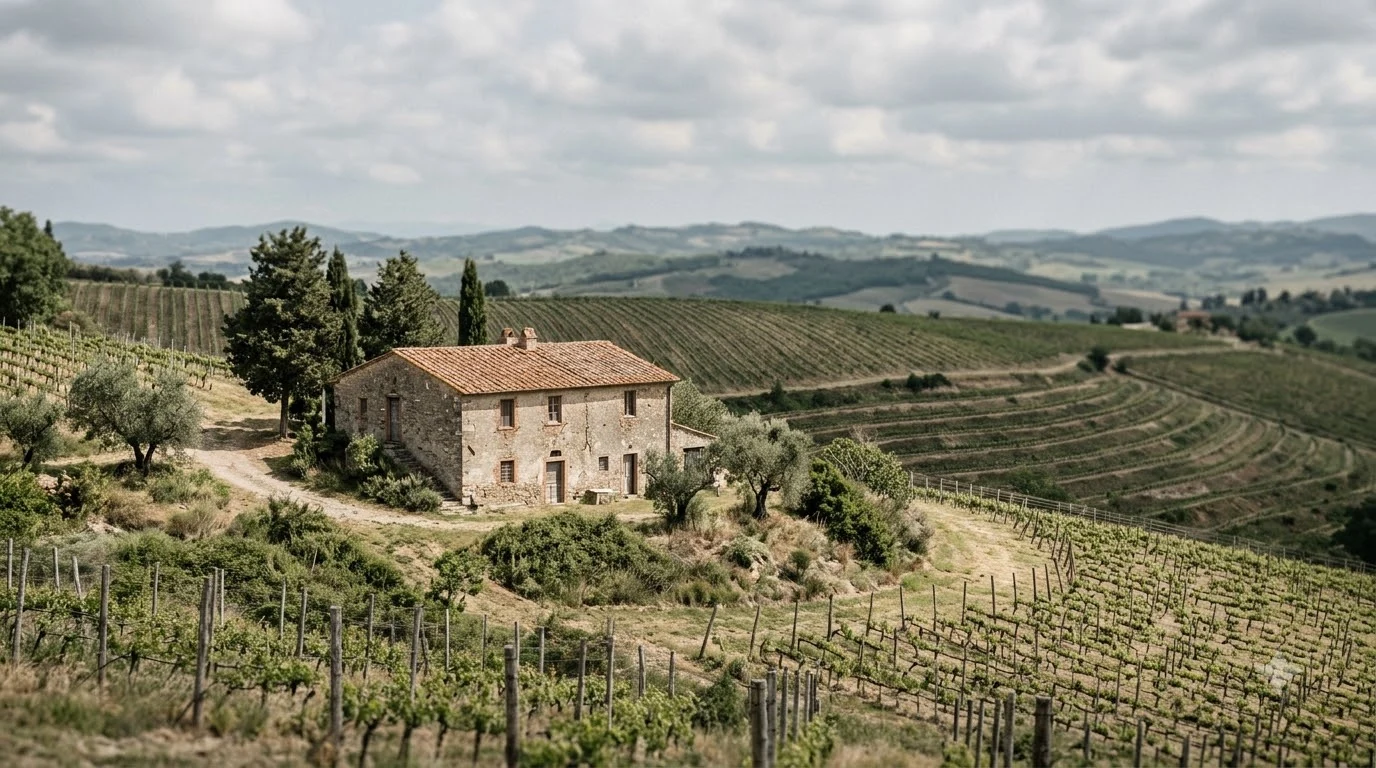
Cinsault’s historic home is southern France, but it has become a useful grape in several warm-climate wine regions. Provence, Languedoc-Roussillon, and the Southern Rhône remain central reference points, while South Africa and Chile have become especially interesting sources of varietal bottlings.
In the Rhône Valley, Cinsault is adapted to hot, dry soils and appears in both red and rosé wines. Inter Rhône reports that it accounts for 2.53% of the valley’s vineyard area and places it among the five most planted varieties there. The same regional body describes its vineyard performance as vigorous, fertile, and resistant to drought and wind, while noting that its wines tend to have moderate acidity and supple tannins.
South Africa gives the grape a second major identity. Historians place its arrival in the Cape in the 1850s, where it was known for many years as Hermitage; by the 1970s it had become the country’s most widely planted grape. It later lost ground to varieties such as Cabernet Sauvignon, but old vineyards survived in places including Stellenbosch, Paarl, Darling, and Swartland. In Chile, the Itata and Bío-Bío regions have also drawn attention for Cinsault from old bush vines, with local wines showing how site and soil can shape the grape’s expression.
These regional contrasts are useful when choosing a bottle. Southern French Cinsault may be encountered in blends and Provençal rosé, South African versions often showcase old-vine fruit as a standalone red, and Chilean bottlings can offer a fresh, site-specific interpretation. There are clear differences within the Cape, too: cooler Darling can bring violet-like floral notes, warmer Swartland can give juicier fruit and a touch of spice, and granite soils in Stellenbosch have been associated with delicate strawberry character. A grape name gives you a starting point, but the region and producer tell you what style to expect.
How Cinsault Works in Blends and Varietal Wines
Cinsault earns its place in a blend by contributing perfume, juicy fruit, and a supple texture rather than imposing heavy tannins. It is often paired with grapes that bring more body or structure, helping a finished wine feel complete without losing freshness.
In the Southern Rhône and Languedoc, Cinsault can be combined with Grenache, Syrah, and Carignan. Grenache supplies ripe fruit and warmth, Syrah can add darker fruit, spice, and firmer tannin, and Carignan can contribute acidity and structure; Cinsault helps knit those elements together with softer texture and fragrant red fruit. The official Rhône Valley grape profile describes it as suitable for dry red and rosé styles, including early-drinking wines and rosé made by saignée.
Single-variety Cinsault is increasingly easy to find, particularly from South Africa and Chile. A varietal bottling lets the grape’s own red berries, floral aromas, and lighter structure take the lead; it can be a useful choice when a meal or occasion calls for red wine without the firm tannin of Cabernet Sauvignon or the weight of many Syrah-based wines. It is also one of the parent grapes of Pinotage: in 1925, Abraham Perold crossed Cinsault with Pinot Noir to create the South African variety.
Blended and varietal wines should not be treated as competing categories. A blend can show how Cinsault supports other grapes, while a single-variety wine makes its aroma and texture easier to recognize. Neither format is automatically more serious or ageworthy; balance, vineyard conditions, and thoughtful winemaking matter more than the number of grapes on the label.
Old Vines and Winemaking Choices
Older Cinsault vineyards have helped change the grape’s reputation, especially in South Africa and Chile. Their wines can show greater concentration and a more individual sense of place than high-yielding fruit intended for simple blending, although vine age alone does not guarantee quality.
Many surviving old vineyards are trained as bush vines: individual vines grow as low, freestanding forms rather than along a trellis. VinePair’s reporting on Cinsault describes how older bush vines in South Africa and Chile are often unirrigated, with roots reaching deeper into the soil; it also notes that the Old Vine Project certifies South African vineyards at least 35 years old. Decanter identifies the Basson vineyard in Wellington, planted in 1900, and the Lötter vineyard in Franschhoek, planted in 1932, among South Africa’s oldest Cinsault blocks. Those details help explain why a producer may identify a wine by vineyard or site rather than simply by country.
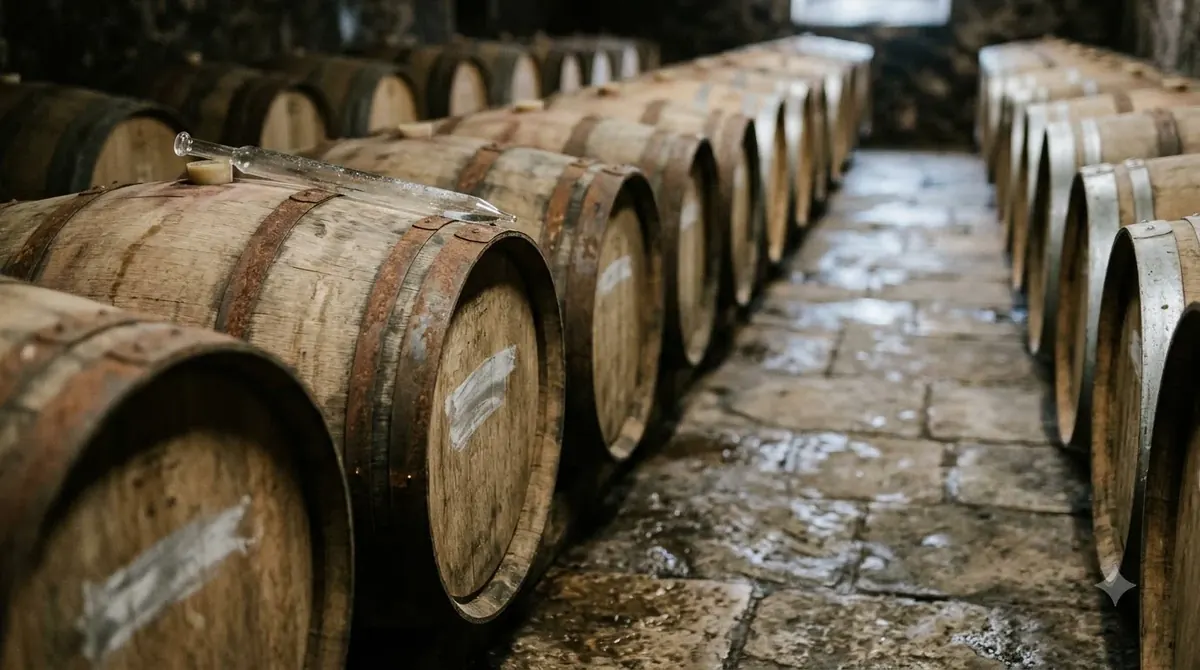
Winemaking can preserve or reshape Cinsault’s delicate character. Whole-bunch fermentation, in which intact clusters are included during fermentation, can add stem-derived spice and a fine-textured impression; gentle extraction can retain a lighter color and softer tannins. Some producers choose little or no new oak so that strawberry, cherry, and floral notes remain clear, while others use neutral barrels for texture rather than obvious wood flavor. Fermentation choices also affect the pace at which fruit aromas emerge: a fresh, fruit-led style is often bottled to be enjoyed young, while stem inclusion, careful élevage, and selection from a specific old-vine parcel can give a wine more savory detail and structure.
There is no single recipe for the grape. A bright, early-drinking red may be bottled young, while a carefully made old-vine wine can have enough balance and concentration to develop in the bottle. Decanter’s account of South African Cinsault describes the rise of single-vineyard wines and notes that producers work with whole bunches and restrained oak to protect the grape’s freshness. The range is part of the appeal: look for the producer’s stated style instead of assuming every Cinsault is a simple, light red.
Food Pairings and Serving Cinsault
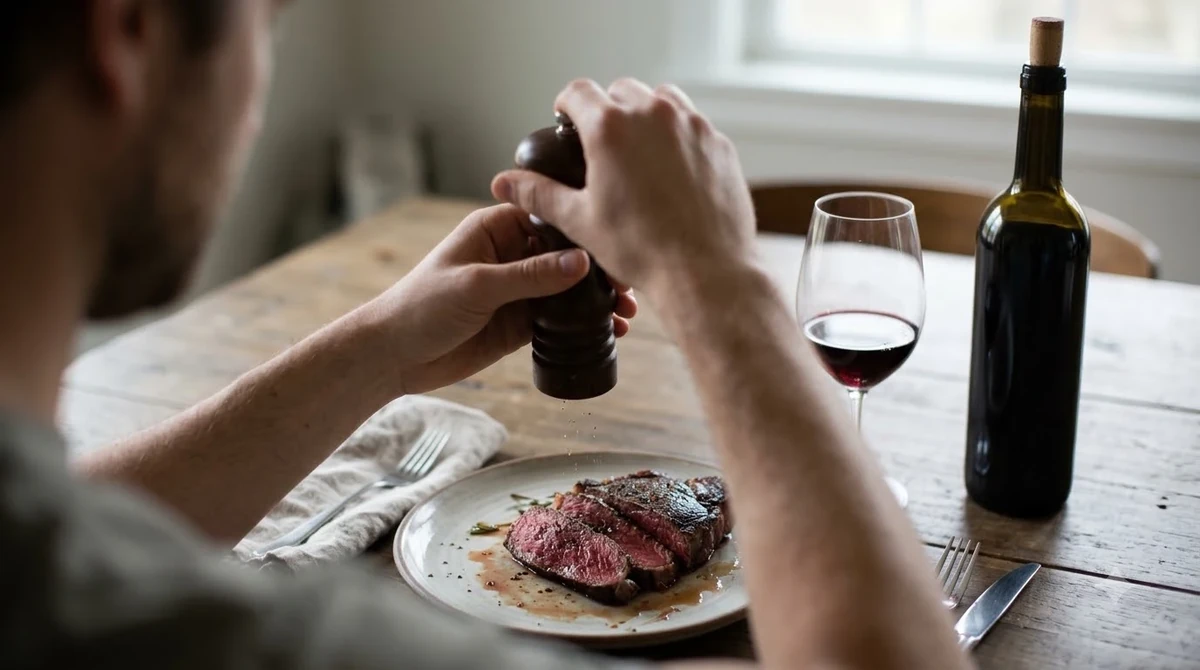
Cinsault is flexible at the table because its soft tannins and bright red-fruit profile suit a broad range of savory foods. Think grilled chicken, pork, lamb, charcuterie, tomato-based pasta, roasted vegetables, and dishes with herbs such as thyme or rosemary.
For a relaxed meal, pair a light red Cinsault with roast chicken, mushroom tart, grilled sausages, or a platter of cured meats and semi-firm cheeses. A more structured old-vine example can stand up to lamb kebabs, braised beef, or a slow-cooked vegetable stew. The grape’s freshness can help cut through moderate richness, while its gentle tannins are less likely to overwhelm foods with delicate seasoning. It can also work with grilled eggplant, lentils, pizza, and herb-roasted pork, especially when the dish has browned or smoky edges that echo the wine’s savory side. For a cheese board, try younger, milder cheeses with a lighter red and reserve stronger aged cheeses for a more concentrated bottle.
Tomatoes and other acidic ingredients deserve a little attention. Food that is more acidic than the wine can make the wine seem flat, so choose a Cinsault with lively freshness for tomato sauce, vinaigrette, or dishes finished with lemon. Salt and fat soften tannin, which generally makes low-tannin Cinsault an easy match for charcuterie and grilled meats. Very hot chili sauces can make alcohol feel more pronounced, so keep the heat moderate and avoid pairing a high-alcohol version with intense spice.
Serve a red Cinsault slightly cool rather than warm: 55–60°F is a useful range for lighter reds. Cinsault rosé is best treated like other rosés, around 45–50°F. A standard 750-milliliter bottle gives about five 5-ounce pours, making it easy to plan for a small dinner; chill the red briefly before serving if the room is warm. For more dish-by-dish ideas, use this guide to Cinsault food pairing.
| Serving detail | Practical measure | Use |
|---|---|---|
| Light red Cinsault | 55–60°F | Serve slightly cool |
| Cinsault rosé | 45–50°F | Chill like other rosés |
| Standard pour | 5 oz | Plan one glass per serving |
| Standard bottle | 750 mL | About five 5-ounce glasses |
Tip: Put a bottle of red Cinsault in the refrigerator for a short pre-dinner chill, then serve it around 55–60°F. A cool pour keeps the red-fruit aromas lively without making the wine feel cold or muted.
Frequently Asked Questions
These five quick answers cover details that are easy to miss when first exploring the grape, from regional names to traditional wine uses. They add a little context beyond the usual flavor and food-pairing profile.
What historic South African blend featured Cinsault?
Stellenbosch’s Château Libertas is considered South Africa’s oldest dry red blend, first made in 1932. Decanter reports that Cinsault made up more than 30% of some historical versions, helping give the wine its supple character.
Is Cinsault allowed in Châteauneuf-du-Pape?
Yes. Cinsault is among the black grape varieties associated with the Châteauneuf-du-Pape appellation in the Southern Rhône. It is one element within a broad regional blending tradition rather than a synonym for the appellation itself.
What does saignée mean for Cinsault rosé?
Saignée is a rosé-making method in which some pink juice is drawn off a tank of red grapes after a short period of skin contact. The remaining juice can continue fermenting as a red wine, while the separated portion is fermented as rosé.
Can Cinsault wines age?
Some can. Decanter recounts tastings of historic South African wines, including a 1971 Oude Libertas Cinsault and a 1974 Stellenbosch Cinsault, both of which received 93 points from taster Greg Sherwood at a 2017 tasting. Those examples are not a promise that every bottle should be cellared, but they show that Cinsault is not automatically limited to immediate drinking.
Was Cinsault ever used to make spirits?
Yes. In South Africa, the grape was historically used for both red wine and brandy distillation, so its role was broader than table-wine blending. That history reflects the variety’s former importance in the Cape wine industry.
Cinsault is worth seeking out if you like red wines with fragrance, red-berry flavor, and a gentle frame, or if you want to understand the supporting grapes behind Southern French blends. Try a Southern Rhône blend, a Provençal rosé, and a South African or Chilean varietal bottling side by side to see how much the grape can change with place and winemaking.
More in Wine Types & Grapes
 Zinfandel Sugar Content: Dry Red vs. White Zinfandel GramsUpdated Nov 21, 2026
 Best Zinfandel Substitute Options for Sipping and CookingUpdated Nov 21, 2026
 Zweigelt Food Pairing: Best Dishes, Cheeses, and Serving TipsUpdated Nov 21, 2026
 Zinfandel Tannins Explained: How Structure Shapes Every BottleUpdated Nov 21, 2026
 Zinfandel Sweetness Level: Dry Red vs. Sweet White Zin ExplainedUpdated Nov 21, 2026
 Xinomavro Food Pairing: Best Dishes, Styles, and Serving TipsUpdated Nov 21, 2026