


We may earn a commission when you buy through links on this page, at no extra cost to you. Learn more.
Cinsault food pairing works best with grilled chicken, lamb, pork, charcuterie, Mediterranean vegetables, tomato-based pasta and lightly seasoned seafood. Cinsault is a naturally low-tannin red grape with fresh red-fruit flavors, moderate acidity and a light to medium body. Its approachable structure makes it especially useful for meals that need a fruity, refreshing red rather than a heavily tannic wine. Serve lighter examples slightly chilled at 55–60°F for particularly enjoyable results.
Cinsault (also spelled Cinsaut) deserves more attention at the dinner table. Although it frequently appears in southern French blends and Provence rosé, single-varietal bottlings offer their own combination of raspberry, cherry, floral aromas and gentle spice. South African producers also make distinctive versions that work beautifully with grilled foods and everyday meals. Understanding its relatively soft structure helps you select dishes that complement the wine without overwhelming its delicate fruit character.
Understanding Cinsault’s Flavor and Structure
Cinsault pairs particularly well with foods that complement its red berries, floral aromas and gentle spice. Its low tannin, moderate acidity and generally light to medium body make it more flexible with delicate ingredients than many powerful red wines.

Raspberry, strawberry, red currant and tart cherry are common fruit characteristics. Depending on the producer and growing region, you might also notice violet, rose, black tea, cinnamon, white pepper or dried herbs. Some bottles have a particularly fresh, juicy profile, while others develop savory or earthy notes that make them suitable for more substantial meals.
According to Wine Enthusiast’s Cinsault grape overview, the variety contributes softness and aromatic character to southern French blends containing Grenache, Syrah and Carignan. Its naturally gentle tannins explain why it can accompany foods that would be overwhelmed by a heavily structured Cabernet Sauvignon or Syrah.
Wine style still matters. A light, unoaked Cinsault generally emphasizes fresh raspberry, strawberry and floral aromas. A more concentrated South African bottling can offer darker fruit, savory flavors and additional body. A Cinsault-based rosé typically has a lighter texture and works with a slightly different range of dishes than a dry red.
| Wine characteristic | Typical Cinsault profile | Pairing implication |
|---|---|---|
| Body | Light to medium | Chicken, pork and grilled vegetables |
| Tannin | Low | Soft cheeses and leaner meats |
| Acidity | Medium | Tomato dishes and herb-seasoned foods |
| Fruit flavors | Raspberry, cherry, red currant | Roasted vegetables and berry-friendly sauces |
| Floral notes | Violet and rose | Mediterranean herbs and aromatic dishes |
| Typical alcohol | 11.5–13.5% ABV | Moderately spiced foods |
| Serving temperature | 55–60°F | Highlights freshness and aromatic fruit |
These characteristics provide a practical starting point rather than a rigid formula. A bottle with pronounced savory notes can handle richer cooking, while a delicate, fruit-driven example is better with simpler preparations. If you enjoy other Mediterranean red varieties, exploring Carignan food pairing can also help you understand how differences in tannin and acidity influence food choices.
Best Meats to Serve With Cinsault
Chicken, pork, lamb and moderately rich beef dishes are excellent partners for Cinsault. The wine’s soft tannins allow the natural flavors of the meat and its seasonings to remain prominent.
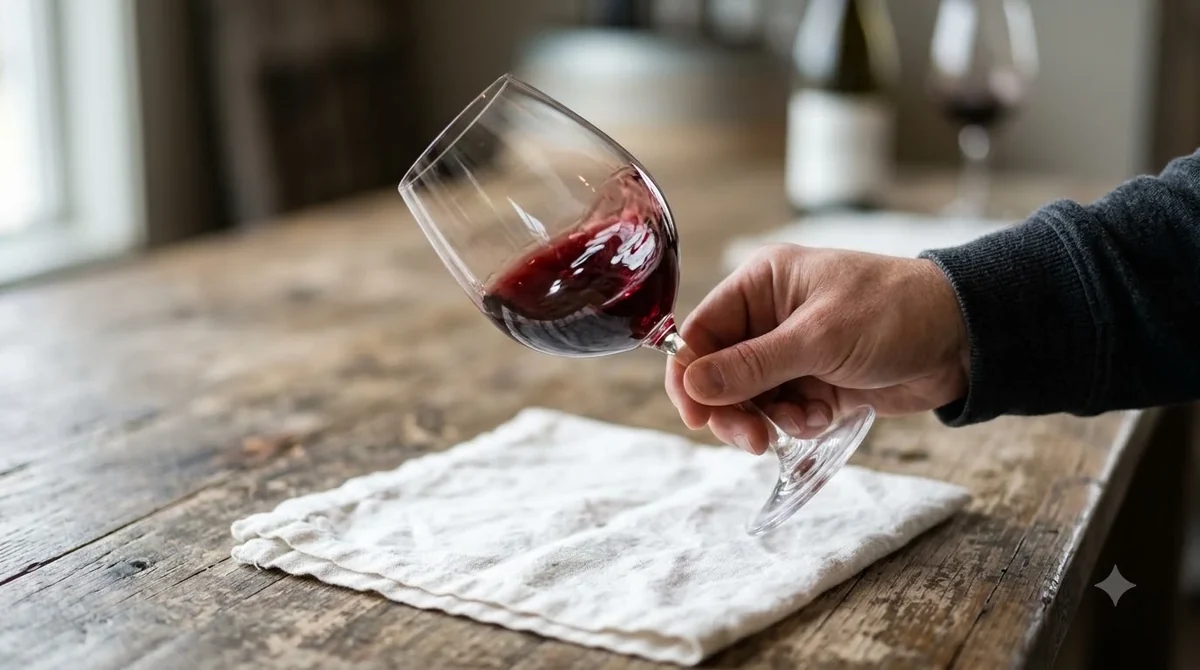
Grilled chicken is one of the easiest matches. The gentle smokiness from the grill complements Cinsault’s savory undertones, while the wine’s raspberry and cherry flavors provide freshness. Serve it with rosemary, thyme, garlic, lemon and olive oil rather than a very sweet glaze. Roasted chicken with potatoes and Mediterranean herbs is another reliable combination.
Pork is particularly versatile. Pork tenderloin with rosemary, grilled pork chops, herb-seasoned sausages and roasted pork shoulder all work well. The meat’s natural sweetness complements ripe red fruit, while the wine’s moderate acidity keeps richer preparations from feeling too heavy. A particularly interesting combination is pork sausage with fresh herbs and prunes, which brings together savory, aromatic and fruity elements.
Lamb is another strong choice, especially when grilled or roasted rather than prepared as an extremely rich, long-braised dish. Lamb kebabs seasoned with cumin, coriander, garlic and parsley complement Cinsault’s Mediterranean character. A simple rack of lamb with rosemary and roasted tomatoes also works well with a more concentrated bottle.
Beef can work too, provided the preparation matches the wine’s weight. Consider grilled flank steak, beef kebabs, meatballs in tomato sauce or a moderately rich beef stew. Particularly light Cinsault may struggle with heavily charred steaks and intensely concentrated sauces, so choose a fuller-bodied example for those dishes.
Traditional French cooking offers another interesting direction. Wine Folly identifies escargot and beef bourguignon among classic Cinsault food matches. Escargot prepared with garlic, butter and parsley provides savory richness without requiring a highly tannic wine. Beef bourguignon, with its slow-cooked meat, mushrooms and aromatic vegetables, is better suited to a more substantial Cinsault than a very delicate, pale red.
Seafood, Fish and Lighter Main Courses
Cinsault can accompany seafood more successfully than many traditional red wines, particularly when the fish is grilled, seared or served with tomato-based ingredients. Its soft tannins and fresh fruit character make it suitable for certain fish dishes that would clash with more tannic reds.
Seared tuna is an especially useful option. Unlike delicate white fish, tuna has a firm texture and substantial flavor that can stand alongside a light red wine. A preparation with olive oil, black pepper, lemon and fresh herbs works particularly well. South African producer Perdeberg specifically recommends seared tuna steaks with its Vineyard Collection Cinsault.
Tomato-based seafood pasta is another strong combination. Think spaghetti with shrimp, mussels or squid in a sauce made from tomatoes, garlic, olive oil and parsley. The acidity of the tomato sauce is important: choose a Cinsault with enough freshness to match it. A heavily acidic dish can make a less vibrant wine taste flat.
Grilled shrimp and shellfish can work when the preparation includes Mediterranean herbs, paprika, garlic or tomato. However, simple oysters and delicate white fish generally benefit more from crisp white wines. Cinsault is not a universal substitute for Sauvignon Blanc or other refreshing whites.
Smoked salmon offers an alternative for a lighter Cinsault or a dry Cinsault rosé. Its smoky character and savory richness can complement the wine’s red-fruit notes. Keep accompanying ingredients relatively simple, using fresh dill, lemon and mild seasoning.
One important distinction is the treatment of oily fish. Cinsault’s low tannin makes it less problematic than powerful reds, but particularly oily fish can still produce an unpleasant combination with tannic red wines. For salmon, tuna and other rich fish, favor lighter preparations and gentler wine styles rather than strongly extracted, oak-heavy reds.
Vegetarian Dishes, Vegetables and Mediterranean Cooking
Roasted vegetables, tomato-based recipes, mushrooms and herb-focused Mediterranean dishes make excellent vegetarian companions for Cinsault. The wine’s red-fruit character adds contrast to savory ingredients without overpowering their natural flavors.
Ratatouille is one of the most natural matches. This southern French vegetable dish commonly combines eggplant, zucchini, tomatoes, peppers, onions and garlic. Olive oil and herbs provide richness and fragrance, while the tomatoes create an acidic element that works well with a fresh Cinsault. The wine’s raspberry and cherry flavors provide a pleasant counterpoint to the cooked vegetables.
Grilled eggplant, zucchini, bell peppers and mushrooms are similarly successful. Chargrilling creates smoky, savory flavors that complement Cinsault’s earthy and spicy characteristics. Brush the vegetables with olive oil and season with thyme, rosemary and black pepper. Avoid covering them with excessively sweet sauces that could make the wine seem sharper.
Mushroom dishes deserve special attention. Mushroom risotto, roasted mushrooms on sourdough and pasta with sautéed mushrooms can all work with a more savory Cinsault. The earthy flavors of the mushrooms create continuity with the wine’s occasional black tea, dried herb and earthy notes.
Pizza is another dependable choice. Margherita pizza combines tomato, mozzarella and basil, creating a balanced mixture of acidity, creaminess and herbal freshness. Mushroom pizza, roasted pepper pizza and vegetable-topped flatbreads also suit Cinsault. A moderate amount of cheese is preferable to an extremely heavy topping that overwhelms the wine.
For a more substantial vegetarian meal, consider lentil dishes, stuffed peppers or chickpea-based Mediterranean recipes. Roasted red peppers stuffed with rice, herbs and mushrooms bring out the savory side of the wine. A lentil salad with tomatoes, parsley and olive oil offers a lighter alternative.
Tip: For an easy vegetarian dinner, combine ratatouille, grilled eggplant, warm focaccia and a lightly chilled bottle of Cinsault. The tomato, herbs and roasted vegetables complement the wine without overpowering its delicate fruit flavors.
Cheese, Charcuterie and Appetizers
Cinsault works especially well with mild to medium-intensity cheeses and savory appetizers. Its low tannin makes it more accommodating with creamy textures than wines with firm, drying tannins.
Brie and Camembert are excellent starting points. Their creamy texture softens the wine’s fruit-forward character, while their mild earthy flavors complement its floral and savory notes. Serve them with plain crackers, toasted bread or a small amount of fresh fruit.
Young Gouda and mild Cheddar are also suitable. Gouda offers a gentle nutty sweetness that works with raspberry and cherry flavors. A younger Cheddar provides enough savory character without becoming so intense that it dominates the wine. Avoid beginning with very sharp, aged cheeses if the Cinsault is particularly light.
Charcuterie boards provide even more flexibility. Consider prosciutto, mild salami, roasted peppers, olives, breadsticks and marinated artichokes. The salt and fat in cured meats help soften tannin perception, although Cinsault already has relatively little tannin. This makes the combination particularly approachable.
For appetizers, try mushroom crostini, roasted tomato bruschetta, grilled sausage slices and garlic-herb flatbread. These foods combine savory flavors with enough richness to support the wine’s fruit. A small plate of grilled vegetables and cured meats is also a practical choice for casual entertaining.
Fresh goat cheese can work, especially with a more aromatic Cinsault rosé. However, very sharp or strongly acidic goat cheese can make a delicate red seem less expressive. Balance it with roasted peppers, herbs or bread rather than serving it with a highly acidic dressing.
Think about the overall intensity of the board. A light Cinsault should accompany delicate meats and cheeses, while a fuller South African example can handle more pronounced flavors such as smoked sausage, aged Gouda and savory mushroom preparations.
Spices, Sauces and International Cuisine
Cinsault is particularly comfortable with aromatic herbs, moderate spices, garlic and smoky flavors. Its fruit character can complement dishes from Mediterranean, Middle Eastern and selected Asian cuisines, provided the heat and sauce intensity remain balanced.
Middle Eastern cooking offers several excellent options. Lamb kebabs with cumin, coriander and parsley complement the wine’s savory characteristics. Hummus, grilled vegetables, flatbread and roasted chicken also provide a balanced selection for a Mediterranean-style meal. Garlic and olive oil add richness without overwhelming the wine.
Moroccan-inspired dishes can work particularly well with fuller Cinsault. Try roasted chicken with preserved lemon, cumin and olives, or lamb seasoned with coriander, paprika and cinnamon. Dried apricots and prunes introduce sweetness, so use them in moderation and avoid sauces that make the wine seem sour.
Asian-inspired stir-fries are another possibility. Pork or chicken stir-fried with mushrooms, bell peppers, ginger and mild soy seasoning can complement Cinsault’s fruit and spice. Keep the sauce relatively dry and avoid excessive sugar. Fresh herbs and moderate seasoning are more useful than very hot chili sauces.
Thai-inspired food requires a little more care. Mild coconut-based curries with chicken, vegetables and aromatic herbs can work with a fruity Cinsault, especially if the chili level is restrained. However, very hot curries can exaggerate the sensation of alcohol and tannin, making the wine seem harsher. A slightly chilled, lower-alcohol Cinsault is a better candidate for these dishes.
Barbecue can also be successful. Grilled pork, chicken skewers and vegetable kebabs complement the wine’s smoky and fruity qualities. Choose herb-based marinades or moderate tomato sauces instead of extremely sweet barbecue glazes. A sauce dominated by sugar can make a dry wine taste more acidic and less fruity.
For a simple pairing rule, match the intensity of the seasoning to the intensity of the bottle. Delicate wines need gentle flavors, while more concentrated Cinsault can handle stronger spices, roasted meats and richer sauces.
Choosing Between Cinsault Red and Rosé
Cinsault red and rosé wines share recognizable red-fruit and floral characteristics, but their different textures and serving styles influence the best food matches. Red Cinsault generally works with grilled meats and savory dishes, while Cinsault rosé is particularly suitable for lighter meals and warm-weather cooking.
Red Cinsault typically has more contact with grape skins during winemaking, giving it additional color, structure and flavor concentration. Even so, it usually retains relatively soft tannins compared with varieties such as Cabernet Sauvignon. This makes it suitable for roast chicken, pork, lamb kebabs, charcuterie and tomato-based pasta.
Cinsault rosé emphasizes freshness and delicate fruit. Depending on the winemaking style, it can show strawberry, raspberry, floral aromas and refreshing acidity. Serve it with grilled shrimp, salads, Mediterranean vegetables, seafood pasta, chicken skewers and fresh cheeses.
The distinction becomes especially useful when planning a meal with several courses. A dry rosé can accompany appetizers and lighter seafood, while a red Cinsault can follow with grilled chicken or pork. Both styles can work with vegetables, but the red version is generally more appropriate for richer mushroom and meat preparations.
South Africa is an interesting source of single-varietal Cinsault. Historically known as Hermitage, the grape became an important part of the country’s red wine industry and was used in blends with varieties such as Cabernet Sauvignon and Shiraz. It also has a significant place in the history of Pinotage, which was created through a crossing of Pinot Noir and Cinsault in 1925.
Southern France remains another important reference point. Cinsault appears in wines from Provence, Languedoc-Roussillon and the southern Rhône, where it contributes fruit and softness to blends. Exploring Blaufränkisch food pairing provides a useful comparison with a red variety that generally has a firmer structure and different food-pairing strengths.
For more grape-based recommendations, the Wine by Type section offers another way to compare red, white and rosé wine styles before planning a meal.
Serving Temperature, Food-Pairing Mistakes and Practical Tips
Serving Cinsault slightly cool helps preserve its fresh fruit character and makes it especially enjoyable with food. Lighter bottles generally benefit from a temperature around 55–60°F, while fuller examples can be served toward the warmer end of that range or slightly above it.
Temperature matters because excessive warmth can emphasize alcohol and reduce the impression of freshness. Serving the wine too cold, however, can mute its raspberry, cherry and floral aromas. If the bottle has been stored at room temperature, a short period in the refrigerator can bring it closer to the ideal serving temperature.
Food preparation is just as important. Grilling, roasting and gentle pan-searing usually work better than heavy frying or extremely rich sauces. These cooking methods preserve the natural flavor of the ingredients and complement Cinsault’s relatively light structure.
Common pairing mistakes
Choosing overly tannic food combinations: Cinsault does not have the structure of Cabernet Sauvignon or a powerful Syrah. Very heavily charred meat and intensely concentrated sauces can dominate a delicate example.
Serving extremely spicy food: Chili heat can become more noticeable alongside alcoholic wines. If serving spicy dishes, choose moderate seasoning and a fresh, fruit-driven bottle rather than a high-alcohol, heavily extracted red.
Ignoring acidity: Tomato sauces, vinaigrettes and lemon-based preparations need a wine with sufficient freshness. A dish that is substantially more acidic than the wine can make the wine taste dull.
Using very sweet sauces: A dry Cinsault can taste sharper when paired with strongly sweet barbecue sauces, glazes or fruit reductions. Keep sweetness restrained or choose a wine with sufficient fruit concentration.
Overlooking the wine’s style: A light Provençal-style wine and a fuller South African Cinsault do not necessarily suit exactly the same meals. Consider the weight and intensity of the bottle when planning the menu.
A simple serving and pairing reference
| Situation | Practical recommendation |
|---|---|
| Light red Cinsault | 55–60°F |
| Fuller red Cinsault | 60–65°F |
| Dry Cinsault rosé | 45–50°F |
| Standard wine pour | 5 oz |
| Standard bottle | 750 ml, approximately 5 glasses |
| Young, concentrated red | Optional 30-minute decant |
These temperatures are practical serving targets rather than strict requirements. Lighter red wines generally benefit from gentle chilling, while a fuller bottle may show more complexity when allowed to warm slightly in the glass. A standard 750 ml bottle provides approximately five 5-ounce servings, making it suitable for a small dinner with several food courses.
Once opened, store the remaining red wine in the refrigerator and reseal the bottle. Most still wines retain their best qualities for approximately three to five days under refrigeration. Allow the wine to warm slightly before serving again if it has become too cold.
The most reliable strategy is to begin with a simple dish that highlights the wine’s fruit. Grilled chicken, roasted vegetables, pork sausages and tomato-based pasta are dependable starting points. From there, explore more distinctive combinations based on the wine’s regional character and concentration.
Frequently Asked Questions
Is Cinsault the same grape as Cinsaut?
Yes. Cinsault and Cinsaut are alternative spellings of the same grape variety. The spelling Cinsault is commonly used in France, while Cinsaut is frequently seen in South African wine references. The name Hermitage is also historically associated with the variety in South Africa, although it should not be confused with the French Hermitage appellation.
Is Cinsault related to Pinotage?
Yes. Pinotage is a crossing of Pinot Noir and Cinsault, historically known as Hermitage in South Africa. The crossing was developed by Abraham Perold at Stellenbosch University in 1925. Pinotage generally produces a more structured and distinctive red wine than the lighter Cinsault styles commonly used for everyday food pairing.
Is Cinsault usually dry or sweet?
Most varietal Cinsault red wines are dry, although their ripe raspberry and strawberry flavors can create an impression of fruit sweetness. South African producer Perdeberg reports 3.6 grams per liter of residual sugar in its Vineyard Collection Cinsault 2020. The grape can also be used in different wine styles, including rosé and fortified wines.
Can Cinsault be aged for several years?
Yes, although aging potential depends on concentration, vineyard quality and winemaking. Perdeberg gives its Vineyard Collection Cinsault a potential maturation period of three to five years. More concentrated examples may develop additional savory and earthy characteristics, while many lighter bottlings are intended for earlier enjoyment.
Which countries produce Cinsault besides France and South Africa?
Cinsault is also grown in Lebanon, Morocco, Algeria, Chile and other wine-producing regions with suitable warm climates. In Lebanon, it is an established component of traditional red blends, including wines from the Bekaa Valley. The variety’s ability to tolerate heat has helped it remain useful in several Mediterranean and warm-climate wine regions.
Cinsault is one of the most flexible choices for pairing lighter red wine with everyday cooking. Its soft tannins, fresh red-fruit flavors and moderate acidity make it particularly enjoyable with grilled meats, vegetables, tomato-based dishes and cheese boards. Start with a lightly chilled bottle alongside Mediterranean food, then explore fuller examples with lamb, pork and richer savory recipes.
More in Wine Types & Grapes
 What Does Mourvèdre Taste Like? Flavor Profile, Regions, and PairingsUpdated Nov 20, 2026
 What Does Marsanne Taste Like? Flavors, Styles, and Food PairingsUpdated Nov 20, 2026
 What Does Malvasia Taste Like? Styles, Flavors, and Food PairingsUpdated Nov 20, 2026
 What Does Grenache Blanc Taste Like? Flavor Profile, Styles, and PairingsUpdated Nov 20, 2026
 What Does Garnacha Taste Like? Key Flavors, Styles, and Pairing TipsUpdated Nov 20, 2026
 What Does Fruit Wine Taste Like? A Complete Flavor and Style BreakdownUpdated Nov 20, 2026