

We may earn a commission when you buy through links on this page, at no extra cost to you. Learn more.
If you are wondering what does dry red wine taste like, imagine fresh or dark berries, savory herbs, subtle earth, and a mouth-drying grip without any sugary coating on your tongue. Technically, a red wine counts as dry when fermentation converts almost all natural grape sugar into alcohol, leaving less than 1 percent residual sugar (under 10 grams per liter). Instead of tasting like grape juice or dessert wine, a dry red delivers fruit aroma, refreshing acidity, and structured tannins that leave a clean, crisp, or slightly astringent finish.
Many people assume “dry” refers to the puckering, moisture-wicking sensation red wine creates across the gums and cheeks. In the wine world, however, dryness simply measures the absence of sugar, while texture, body, and oak aging dictate how light, smooth, or bold that dry pour feels from the first sniff to the final swallow.
What Dry Red Wine Actually Means
A dry red wine is any red wine fermented until yeast consumes nearly all of the grape juice’s natural sugars, resulting in a crisp, non-sweet profile. Understanding this fermentation baseline clarifies why two dry bottles can feel wildly different on your palate.
According to wine educators at Wine Folly, wines with less than 1 percent sweetness—or 10 grams per liter of residual sugar—fall into the dry category, and many fine red wines contain virtually zero residual sugar. Because human taste buds generally struggle to detect sugar levels below 1.5 percent, a dry red wine registers on the palate as savory, tart, or fruit-driven rather than sugary. Even when a bottle carries trace residual sugar near that 1 percent threshold, natural acidity and bitterness mask the sweetness so the finish stays clean.
That clean finish is the biggest contrast between dry reds and sweet or fortified styles like Port or sweet Lambrusco. Where sweet reds coat the center of your tongue with syrupy weight, dry reds rely on alcohol, acid, and fruit aromatics to create body. If you already enjoy what does dry white wine taste like, you will recognize that same absence of sugar, though red wines swap citrus and orchard notes for deeper berry tones and extra textural grip.
Dryness vs. Tannins: Why Red Wine Dries Your Mouth
While dryness means no leftover sugar, the physical sensation that dries out your saliva comes from tannins. Separating these two traits is the fastest way to decode red wine tasting notes.
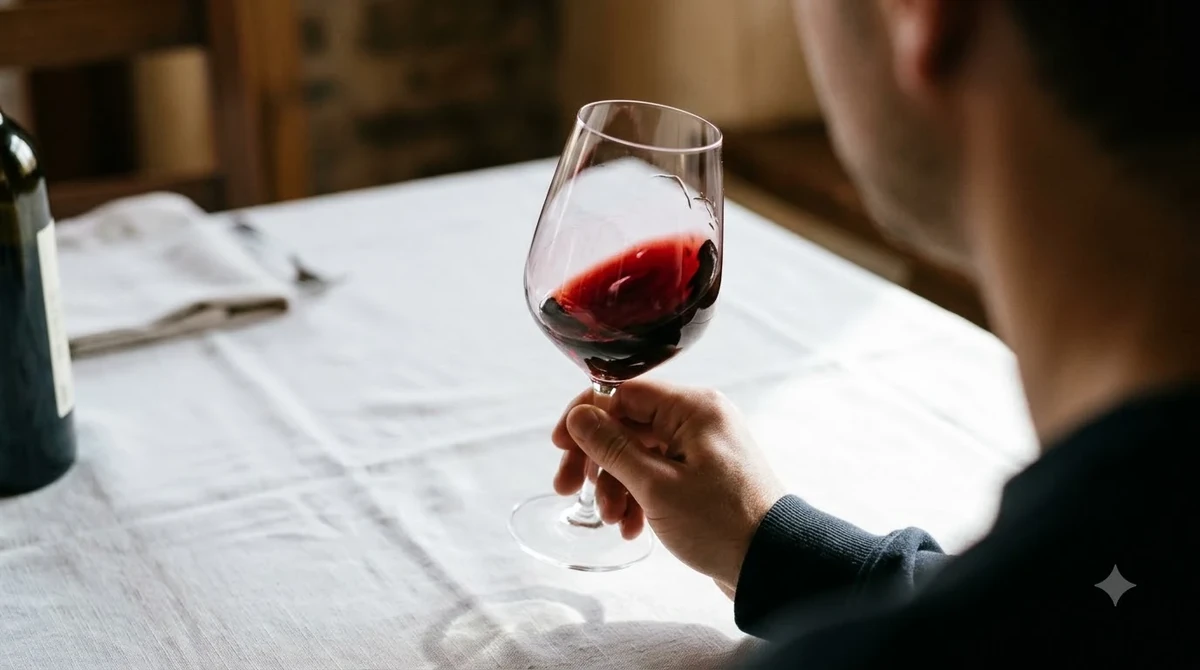
Tannins are naturally occurring polyphenols extracted from grape skins, seeds, stems, and wooden aging barrels. As detailed in Wine Folly’s guide to wine tannins, these compounds bind to proteins in your saliva, temporarily stripping away slickness and creating a gentle, sandpaper-like grip on your gums and tongue. If you have ever pressed a damp black tea bag against your tongue, you already know the exact bitter, astringent sensation of pure tannin.
Because red wines ferment with their skins and seeds intact, every red wine carries some degree of tannin, whereas most whites are pressed immediately and remain smooth. Grape variety and winemaking decisions determine whether those tannins feel silky or firm. Thin-skinned grapes like Pinot Noir produce soft, delicate tannins, while thick-skinned varieties like Cabernet Sauvignon and Nebbiolo deliver bold, mouth-coating astringency. Oak barrel aging also contributes smoother, rounder wood tannins alongside subtle oxygen exposure that softens harsh edges over time.
Core Flavor Notes Across Dry Red Wine Styles
Because dry red wine contains little to no sugar, its flavor comes from fruit aromas, natural grape acidity, fermentation esters, and barrel aging rather than syrup. Depending on the grape and climate, those flavors span from tart red berries to smoky leather and baking spice.
Lighter-bodied dry reds grown in cooler climates tend to emphasize bright acidity and fresh, crunchy red fruit. When you swirl a glass of Pinot Noir, Gamay, or an Italian red like Valpolicella—which highlights what does corvina taste like—you typically taste tart cherry, wild strawberry, cranberry, and pomegranate. These lighter bottles often carry delicate secondary notes of dried rose petals, forest floor, damp leaves, or white pepper, giving them a brisk, mouth-watering profile that feels lively rather than heavy.
Medium- and full-bodied dry reds grown in warmer regions lean toward darker, riper fruit and savory depth. Grapes such as Merlot, Sangiovese, Syrah, and Cabernet Sauvignon showcase black cherry, blackberry, plum, and blackcurrant. Even though these wines are chemically dry, ripe dark fruit aromatics can trick your brain into perceiving a hint of richness before the savory finish kicks in. Oak aging layers on vanilla, clove, cinnamon, cedar, tobacco leaf, dark chocolate, and espresso, rounding out the mid-palate with warm complexity.
| Dry Red Style | Body & Tannin | Primary Fruit Notes | Savory & Oak Notes |
|---|---|---|---|
| Pinot Noir / Gamay | Light body, low-to-soft tannins | Tart cherry, raspberry, cranberry | Forest floor, dried herbs, white pepper |
| Sangiovese / Merlot | Medium body, moderate tannins | Red plum, black cherry, wild berry | Dried oregano, tomato leaf, cocoa |
| Syrah / Malbec | Full body, medium-high tannins | Blackberry, blueberry, dark plum | Black pepper, smoke, violet, leather |
| Cabernet Sauvignon / Nebbiolo | Full body, high firm tannins | Blackcurrant, dark cherry, fig | Cedar, tobacco, vanilla, tar, dried rose |
How Climate and Winemaking Shape the Taste
Two bottles made from the exact same grape can taste noticeably different depending on where the vineyard sits and how the cellar team handles the juice. Climate, alcohol level, and barrel choices act like volume knobs on fruit ripeness and texture.
In cool wine regions, grapes ripen slowly, preserving higher natural acidity and yielding lower alcohol levels around 11 to 13 percent ABV. Dry reds from these areas taste sharper, leaner, and more savory, often highlighting herbal or earthy nuances over lush fruit. Conversely, warm, sun-drenched vineyards push grape sugar higher before harvest, which yeast converts into higher alcohol—often 13.5 to 16 percent ABV—alongside jammy blackberry or plum flavors and a fuller, slightly oily texture on the mid-palate.
Cellar aging further transforms what ends up in your glass. Dry reds fermented and aged in stainless steel or neutral concrete keep their pure, vibrant fruit and crisp acidity front and center. Aging in new oak barrels introduces sweet-smelling spice compounds like vanilla, toasted coconut, dill, and clove, while slow micro-oxygenation through the wood staves polymerizes rough grape tannins so the wine feels velvety instead of harsh.
How to Serve Dry Red Wine for the Best Flavor
Serving dry red wine too warm flattens its fruit and makes the alcohol taste sharp, while serving it ice-cold exaggerates bitter tannins. Proper temperature and a little air bring every flavor note into balance.
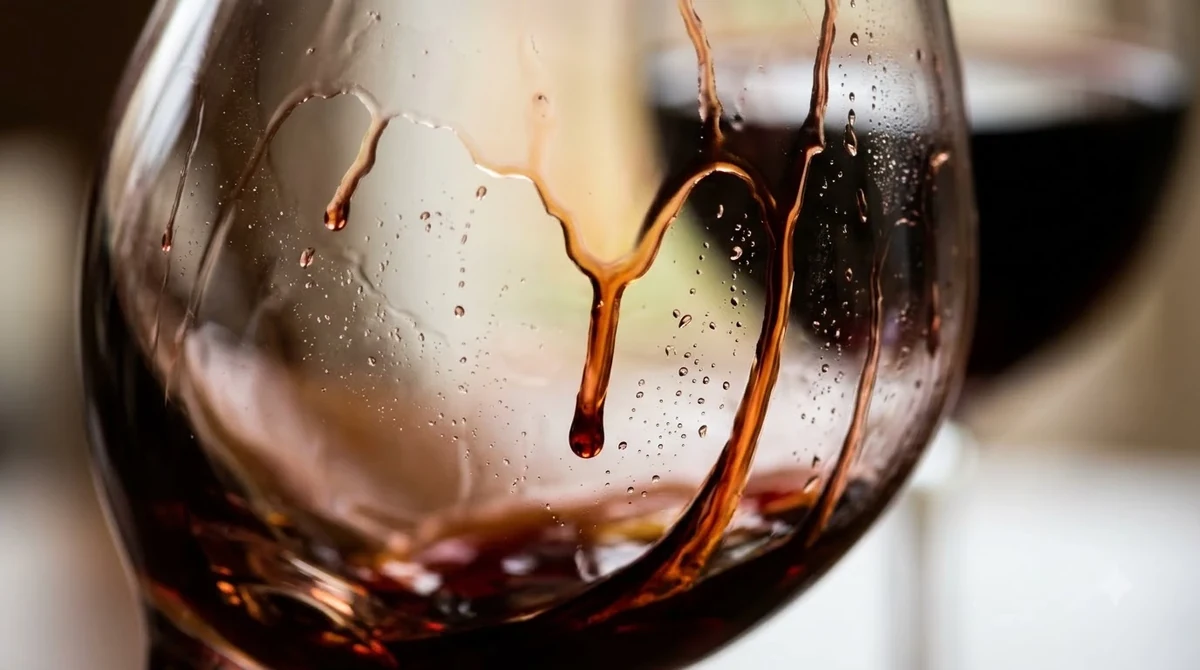
Despite the old advice to serve red wine at room temperature, modern homes are far warmer than historic stone cellars. Wine Enthusiast notes that red wines should be stored around 55°F and served slightly below modern room temperature, ideally between 60°F and 65°F (15°C to 18°C) for medium- and full-bodied bottles. Lighter, low-tannin reds like Pinot Noir and Gamay shine even cooler, around 55°F to 61°F (13°C to 16°C), where a brief 15-to-20-minute chill in the refrigerator keeps their red berry flavors snappy and refreshing.
Aeration also makes a dramatic difference, especially for young, full-bodied dry reds. Pouring a tannic bottle into a wide-bottomed decanter—or simply swirling it in a large-bowled wine glass—for 30 to 60 minutes exposes the liquid to oxygen. That brief breathing window softens rigid tannins, blows off tight cellar aromas, and unlocks hidden layers of dark fruit, dried herbs, and spice.
Tip: If a dry red wine tastes overly bitter or hot on the first pour, place the bottle in the fridge for 15 minutes and give your glass a vigorous swirl to cool the alcohol and soften the tannins.
Why Dry Red Wine Shines With Food
Dry red wine was practically built for the dinner table, where its acidity and tannins interact chemically with fat, salt, and protein. A bottle that feels stern or grippy on its own often turns silky and fruit-forward alongside the right meal.
When you eat rich, fatty, or protein-heavy foods—such as grilled steak, roast lamb, braised short ribs, or aged cheddar—the fats and proteins coat your tongue. Tannins in dry red wine bind to those food proteins instead of your saliva, scraping the palate clean so every subsequent bite tastes fresh while the wine itself feels noticeably smoother. Salt also tames bitterness and boosts perceived fruitiness, making savory roasted dishes natural companions for structured reds.
For lighter meals, matching weight to weight prevents the wine from overpowering your plate. High-acid, light-bodied dry reds pair effortlessly with roast chicken, seared salmon, wild mushroom risotto, and tomato-based pasta sauces. Avoid pairing high-tannin, high-alcohol dry reds with fiery chili heat or sugary desserts, as alcohol amplifies spice burn and sugar makes dry wine taste sour and thin. If you want a crisp white alternative for spicy dishes or seafood, exploring what does chenin blanc taste like or browsing Wine by Type can help you map out meal-friendly options across styles.
Frequently Asked Questions
Is dry red wine bitter or sour?
Dry red wine is not supposed to taste harshly sour or overwhelmingly bitter, though both acidity and tannins play a structural role. Natural acidity provides a crisp, mouth-watering tartness similar to fresh berries, while tannins add a mild, tea-like bitterness and drying grip. Well-made dry reds balance these sensations with ripe fruit aromas so the finish feels refreshing rather than harsh.
Why do some dry red wines taste slightly sweet?
A wine with zero leftover sugar can still give an impression of sweetness because our sense of smell primes how we taste. Ripe dark fruit aromas like blackberry and black cherry, higher alcohol levels, and sweet-spiced oak notes such as vanilla and cinnamon create a rich, round sensation on the palate. Additionally, commercial dry reds may legally retain up to 10 grams per liter of residual sugar, which adds subtle body without tasting sugary.
What is the easiest dry red wine for beginners to drink?
Light- to medium-bodied dry reds with low tannins and bright fruit flavors are usually the most approachable starting point. Varieties such as Pinot Noir, Gamay, and soft, fruit-forward Merlot offer smooth textures and familiar red berry or cherry notes without heavy, mouth-drying astringency. Serving these styles slightly chilled around 58°F to 60°F makes them even smoother and easier to sip.
Does dry red wine contain any sugar or carbs?
Most dry red wines contain virtually zero sugar, though bottles near the upper 1 percent dry threshold can hold up to 10 grams of unfermented grape sugar per liter. According to Wine Folly, a 1 percent residual sugar level translates to roughly 1.8 grams of carbohydrates in a standard 5-ounce pour. Bone-dry reds fermented completely to dryness carry trace amounts well below that mark.
Once you separate sugar from tannin, understanding dry red wine becomes intuitive. Whether you prefer the bright, tart cherry snap of a cool-climate Pinot Noir or the dark, cedar-laced grip of Cabernet Sauvignon, every dry red rewards a proper chill, a bit of air, and a good meal.
More in Wine Types & Grapes
 What Does Mourvèdre Taste Like? Flavor Profile, Regions, and PairingsUpdated Nov 20, 2026
 What Does Marsanne Taste Like? Flavors, Styles, and Food PairingsUpdated Nov 20, 2026
 What Does Malvasia Taste Like? Styles, Flavors, and Food PairingsUpdated Nov 20, 2026
 What Does Grenache Blanc Taste Like? Flavor Profile, Styles, and PairingsUpdated Nov 20, 2026
 What Does Garnacha Taste Like? Key Flavors, Styles, and Pairing TipsUpdated Nov 20, 2026
 What Does Fruit Wine Taste Like? A Complete Flavor and Style BreakdownUpdated Nov 20, 2026