

We may earn a commission when you buy through links on this page, at no extra cost to you. Learn more.
If you are wondering what does dolcetto taste like, expect a dry, medium-bodied Italian red bursting with dark plum, blackberry, and black cherry flavors, balanced by a distinct bitter-almond finish. Despite a name that translates to “little sweet one,” the wine contains virtually no residual sugar and finishes crisp and savory. It pairs moderate, lively acidity with noticeable tannins, making it an approachable, fruit-forward red built for casual weeknight meals rather than decades in a cellar.
Hailing from northwestern Italy’s Piedmont region, Dolcetto often lives in the shadow of its famous neighbors, Nebbiolo and Barbera. While Nebbiolo commands headlines for age-worthy Barolo and Barbera brings bright, high-acid red fruit, Dolcetto serves as the everyday table wine of local winemakers. Understanding its flavor profile, regional variations, and serving quirks unlocks one of the best food-friendly values in the wine aisle.
What Is Dolcetto?
Dolcetto is both a black-skinned wine grape native to Piedmont, Italy, and the dry red wine made from it. Its name means “little sweet one” in Italian, which refers to the high sugar levels of the ripe grapes at harvest or the gentle rolling hills where it grows, rather than sweetness in the finished bottle.
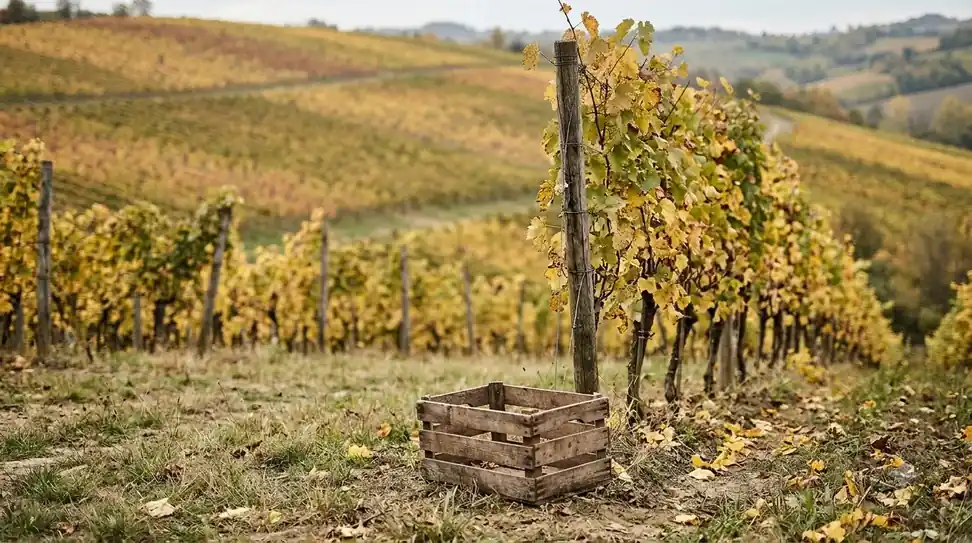
In the vineyard, Dolcetto ripens several weeks earlier than Nebbiolo and Barbera. Because of this early ripening cycle, Piedmontese growers historically planted Dolcetto on cooler, higher-elevation slopes or north-facing sites where late-ripening grapes would struggle to reach full maturity. The grape skins are rich in anthocyanins—natural color pigments—giving the wine an unmistakable deep ruby to purple-black hue right out of the bottle.
Winemakers typically ferment and age Dolcetto in stainless steel or cement tanks rather than oak barrels. Reviewers at Decanter note that keeping the wine away from new oak preserves its primary, crushed-berry freshness and vibrant aromatics. Most bottles reach store shelves within a year of harvest and sit comfortably in a moderate alcohol range, generally around 12 to 13.5 percent ABV.
Flavor Profile and Styles
A classic glass of Dolcetto leads with juicy dark fruit—think ripe blackberry, black cherry, and damson plum—layered over floral notes of violet and a subtle, bittersweet cocoa or almond snap on the finish. That signature bitter-almond edge, known in Italian as mandorlato, prevents the ripe berry fruit from ever feeling heavy or cloying.
Structurally, Dolcetto flips the script on many other wine types from northern Italy. While Barbera relies on mouthwatering acidity with very light tannins, Dolcetto carries lower-to-moderate acidity alongside surprisingly firm, grippy tannins derived from its thick skins and seeds. This combination creates a plush, rounded mid-palate that tightens up cleanly at the end of each sip.
Depending on where the grapes grow and how the winemaker handles maceration, Dolcetto appears in two main styles. Everyday versions aged purely in stainless steel taste bright, vinous, and crunchy, loaded with fresh blueberry, licorice, and black pepper. Reserve or Superiore bottlings from top hillside vineyards undergo slightly longer skin contact—and occasionally brief aging in neutral oak—yielding deeper concentration, dried herbs, tilled earth, and a velvety texture that can age gracefully for three to five years.
| Characteristic | Dolcetto | Barbera | Nebbiolo |
|---|---|---|---|
| Primary Fruit | Blackberry, black cherry, plum | Tart cherry, raspberry, strawberry | Red cherry, dried rose, cranberry |
| Acidity | Low to medium | High | High |
| Tannins | Medium to high (grippy) | Low to medium (soft) | Very high (firm) |
| Signature Notes | Violet, cocoa, bitter almond | Baking spice, vanilla (when oaked) | Tar, truffle, leather, anise |
| Drinking Window | 1 to 5 years from vintage | 2 to 8 years from vintage | 5 to 20+ years from vintage |
Where Dolcetto Grows
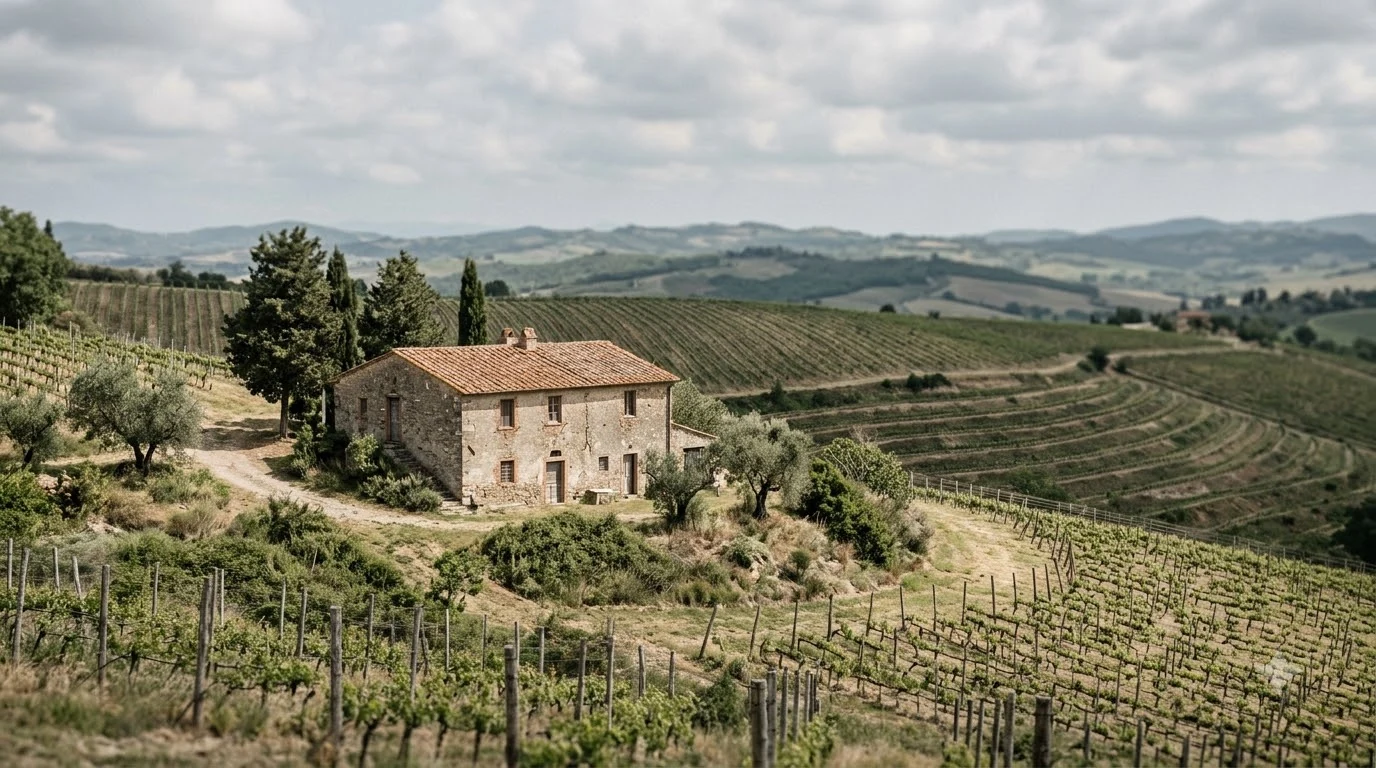
Piedmont remains the undisputed heartland of Dolcetto, accounting for the vast majority of global plantings across the hilly provinces of Cuneo, Asti, and Alessandria. Small pockets also exist in neighboring Liguria—where the grape goes by the local synonym Ormeasco—as well as in California, Oregon, and Australia.
Within Piedmont, soil composition and elevation create distinct regional personalities across seven dedicated DOC and three elevated DOCG appellations. Understanding the name on the front label tells you immediately whether a bottle leans fresh and floral or structured and earthy:
- Dolcetto d’Alba DOC: Grown around the town of Alba on calcareous marl soils, these bottlings are widely considered the classic benchmark—plush, fragrant with violets, and balanced between dark fruit and soft earthiness.
- Dogliani DOCG: Located southwest of Alba at higher elevations, Dogliani treats Dolcetto as its flagship grape rather than an afterthought, producing denser, deeply colored wines with rich black fruit and age-worthy structure.
- Dolcetto di Diano d’Alba DOCG: Centered on the steep hills of Diano d’Alba, this small zone subdivides its best slopes into named crus (sorì), yielding aromatic, mineral-driven wines with lively red-and-black berry notes.
- Ovada DOCG: Situated farther east in the Monferrato hills near the Ligurian border, Ovada produces fuller-bodied, rustic expressions marked by dark plum, dried herbs, and pronounced savory tannins.
If you enjoy the bright, unadorned fruit character of young Dolcetto, you might also appreciate exploring what Corvina tastes like in Veneto’s classic Valpolicella blends, which share a similar food-friendly lightness without heavy oak influence.
How to Serve Dolcetto
According to Wine Folly, Dolcetto performs best when served slightly below room temperature, ideally between 57°F and 64°F (14°C to 18°C). Serving it too warm dulls its gentle acidity and amplifies the bitter-almond finish, whereas a brief chill sharpens the juicy blackberry and violet aromatics.
A standard universal red wine glass works well for Dolcetto, giving the purple-hued wine enough bowl space to release its floral perfume without concentrating alcohol vapors. Young, unoaked bottles rarely require long decanting; simply pulling the cork 15 to 30 minutes before dinner allows any tight, reduced aromas from stainless-steel aging to blow off.
Tip: Put your bottle of Dolcetto in the refrigerator for 20 to 25 minutes before pouring—that quick chill brings out its bright berry crunch and keeps the tannins feeling smooth.
Food Pairing
Because Dolcetto combines ripe dark fruit, moderate alcohol, and firm tannins without overwhelming acidity, it acts as a versatile anchor at the dinner table. In Piedmontese trattorias, locals pour it alongside antipasti and first courses long before opening heavier bottles of Barolo.
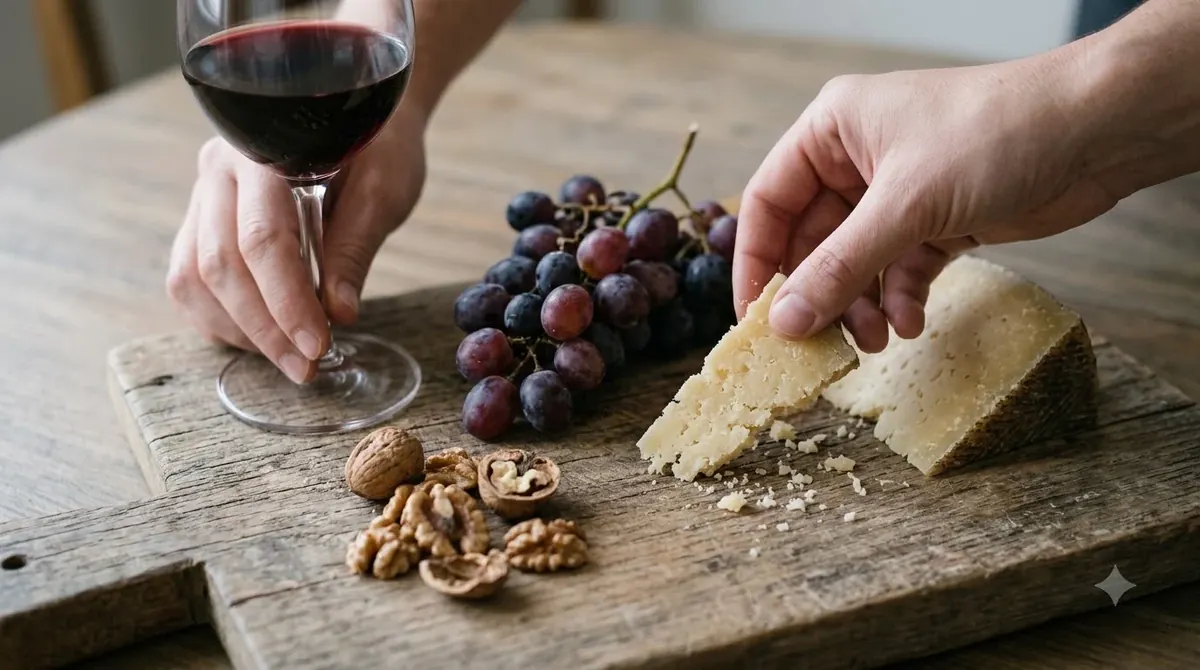
The wine’s savory, slightly bitter finish cuts cleanly through cured meats, aged cheeses, and rich olive-oil or butter sauces. It also handles bitter greens and roasted vegetables—such as radicchio, eggplant, mushrooms, and caramelized garlic—far better than high-tannin, high-oak reds that can clash with vegetable bitterness.
- Cured Meats and Antipasti: Prosciutto, salami, marinated olives, and mild-to-medium aged cow’s or sheep’s milk cheeses match the wine’s juicy berry core.
- Pasta and Risotto: Tajarin with meat ragù, mushroom risotto, pasta with sausage and fennel, or baked pasta dishes play directly to its earthy undertones.
- Roasted Poultry and Pork: Herb-roasted chicken, pork tenderloin with rosemary, and grilled sausages pair naturally with Dolcetto’s medium body.
- Casual Pizza Night: Wood-fired Margherita or pepperoni pizza benefits from the wine’s bright fruit and gentle tannic grip.
For menus that mix lighter seafood starters with richer vegetable dishes, pairing a chilled glass of Dolcetto alongside a crisp white—like reading up on what Chenin Blanc tastes like for your white wine option—covers the entire table effortlessly.
How to Choose a Bottle
Shopping for Dolcetto rewards looking closely at the vintage date and the specific appellation printed on the label. Because most Dolcetto is crafted for immediate freshness rather than long-term aging, reaching for the most recent one or two vintages on the shelf ensures vibrant fruit and snappy floral aromatics.
Check the back label for clues about winemaking style. Terms like “stainless steel” or “cement” signal a crisp, pure-fruited bottle ideal for slight chilling and casual weeknight dinners. If you want deeper structure for braised meats or winter stews, look for Dogliani DOCG, Ovada DOCG, or bottles labeled Superiore, which indicate stricter vineyard yields and slightly longer aging.
While Dolcetto already brings warm baking-spice notes like black pepper and clove on its own, it remains a dry, refreshing table wine rather than a spiced beverage—if you are curious about sweeter, heavily spiced winter pours, see what mulled wine tastes like for comparison.
Frequently Asked Questions
Is Dolcetto a sweet wine?
No, Dolcetto is almost always fermented completely dry with zero noticeable residual sugar. Its Italian name translates to “little sweet one,” which refers to the sweet, low-acid taste of the fresh grapes on the vine or the gentle slopes where it grows rather than sweetness in the glass.
How does Dolcetto compare to Pinot Noir or Gamay?
Like Gamay (Beaujolais) and cool-climate Pinot Noir, Dolcetto is a medium-bodied, fruit-forward red that shines with a slight chill. However, Dolcetto is noticeably darker in color, lower in acidity, and firmer in tannins than either grape, trading bright red cranberry notes for black plum, violet, and a bittersweet almond finish.
Should you age Dolcetto or drink it young?
Most Dolcetto is meant to be enjoyed young—within one to three years of the vintage date—while its crushed blackberry and floral aromas are at their peak. Top hillside bottlings from Dogliani DOCG or Ovada DOCG labeled Superiore have enough tannic structure to age gracefully for up to five years.
Why does Dolcetto taste slightly bitter on the finish?
That subtle bitter-almond or dark cocoa finish is a natural hallmark of the Dolcetto grape variety. It comes from the grape’s thick, tannin-rich skins and relatively low acidity, which together create a clean, palate-cleansing snap that makes the wine pair effortlessly with rich Italian food.
With its deep purple color, juicy dark berry core, and crisp almond finish, Dolcetto proves that an everyday Italian red does not need heavy oak or high alcohol to deliver real character. Keep a bottle slightly chilled on hand for pasta nights, roasted vegetables, or casual gatherings whenever you want a dry red that is both effortless to drink and unmistakably Piedmontese.
More in Wine Types & Grapes
 What Does Mourvèdre Taste Like? Flavor Profile, Regions, and PairingsUpdated Nov 20, 2026
 What Does Marsanne Taste Like? Flavors, Styles, and Food PairingsUpdated Nov 20, 2026
 What Does Malvasia Taste Like? Styles, Flavors, and Food PairingsUpdated Nov 20, 2026
 What Does Grenache Blanc Taste Like? Flavor Profile, Styles, and PairingsUpdated Nov 20, 2026
 What Does Garnacha Taste Like? Key Flavors, Styles, and Pairing TipsUpdated Nov 20, 2026
 What Does Fruit Wine Taste Like? A Complete Flavor and Style BreakdownUpdated Nov 20, 2026