

We may earn a commission when you buy through links on this page, at no extra cost to you. Learn more.
Dolcetto grape is a black Italian variety grown mainly in Piedmont, in northwest Italy. It makes dry, fruity red wines with plum and black cherry flavors, moderate tannin, and soft acidity. Most bottles are meant to be drunk young, usually within a few years of the vintage, and they pair well with everyday Italian food.
This guide covers what the dolcetto grape tastes like, where it grows, how to serve it, and which dishes match it. If you have seen the name on an Italian wine list and wondered whether it is sweet, the short answer is no. The name is misleading, and the wine is almost always dry.
What the Dolcetto Grape Is
Dolcetto is a dark-skinned grape that has been part of Piedmont’s vineyards for centuries. Its origin is debated. One theory holds that the vine reached the Monferrato area from France in the 11th century, while another places its origin in the village of Dogliani. Both stories agree that the grape found its home in the hills of northwest Italy.
The name is often translated as “little sweet one,” but the wines are nearly always dry. Some historians connect the word to the local hills instead. The grape grows under many local names across Italy, including Dolcetto Nero in some areas and Ormeasco in Liguria, so a label may not always say “Dolcetto” on the front.
Flavor Profile and Body
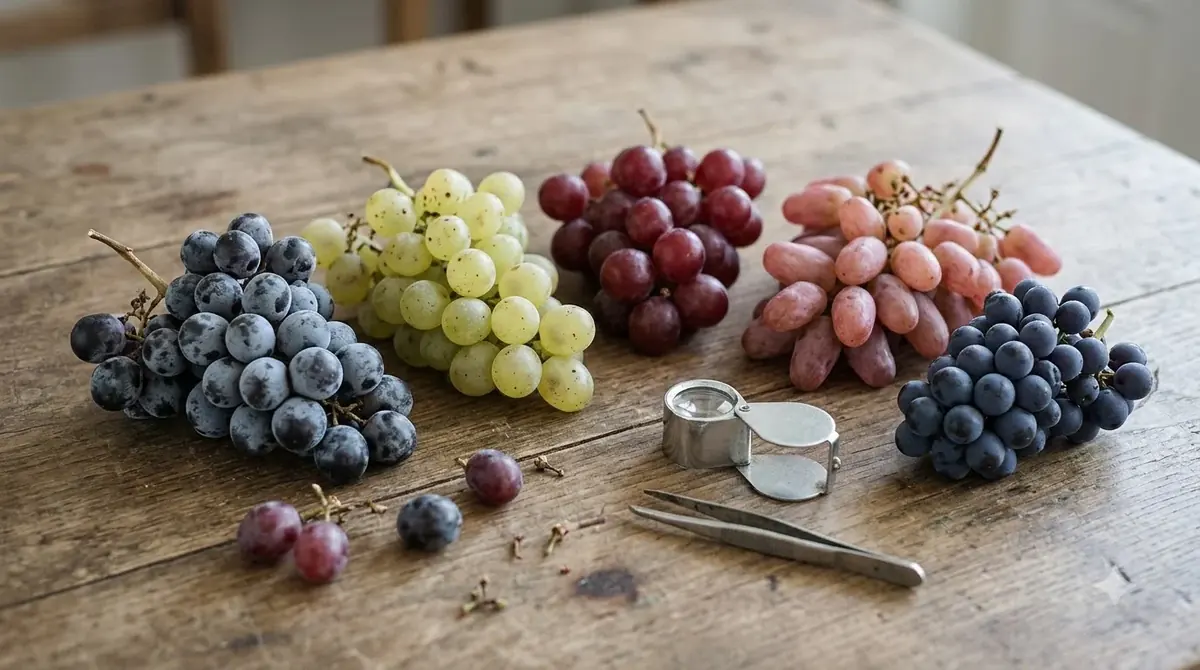
Dolcetto wines usually show black cherry, plum, and blackberry on the nose and palate. Many bottles also carry notes of cocoa, black pepper, and violet. Winemakers often describe a slightly bitter, almond-like finish, which many drinkers find pleasant with food.
Body is typically medium to medium-full, and acidity sits at the lower end of the range for Italian reds. That combination gives the wine a rounder, easier feel than Barbera or Nebbiolo. Tannin is usually moderate, although some bottles show a firmer grip, especially when the wine is young. The alcohol level is commonly between 11.5 and 13.5 percent, which keeps the wine lighter than many New World reds.
Serving style also changes the impression. A bottle from a warm vintage can taste riper and softer, with more dried-plum and cocoa notes, while a cooler year tends to show crisper red fruit and a tighter finish. Neither is wrong, but the difference explains why two bottles with the same name can feel quite different at the table.
Where Dolcetto Grows in Piedmont
The grape is most closely tied to the Langhe and Monferrato hills in the province of Cuneo and around Alba. Dogliani and Diano d’Alba are among the most cited villages for quality bottlings. Large volumes also come from the Ovada and Acqui areas.
Many producers plant Dolcetto on slopes that are less suited to Nebbiolo and Barbera, because it ripens earlier. That is why many estates sell it as an early wine, released while the later-ripening reds are still aging. The grape’s dark skins color the wine deeply even with a short soak, so winemakers can keep skin contact brief and limit tannin extraction.
| Denomination | Style | What to know |
|---|---|---|
| Dolcetto di Dogliani DOCG | Dry red, 100% Dolcetto | Recognized as a DOCG in 2005; the Superiore version requires at least one year of aging |
| Dolcetto d’Alba DOC | Dry red, 100% Dolcetto | Most approachable style, usually fresh and fruity |
| Dolcetto di Diano d’Alba DOC | Dry red, 100% Dolcetto | Known for firm structure and dark fruit |
| Dolcetto d’Ovada DOC | Dry red, 100% Dolcetto | Often a lighter, brighter style from the Alessandria hills |
Tip: If a label says “Superiore,” the wine has been aged longer before release. It usually shows more structure and is a better match for heavier dishes.
How to Serve Dolcetto
Serve Dolcetto slightly cool rather than at room temperature. A serving range of about 60 to 68 degrees Fahrenheit (15 to 20 Celsius) keeps the fruit bright and stops the alcohol from feeling heavy. Pour it into a universal wine glass with a moderate bowl, which gives the aromas room without overwhelming the palate.
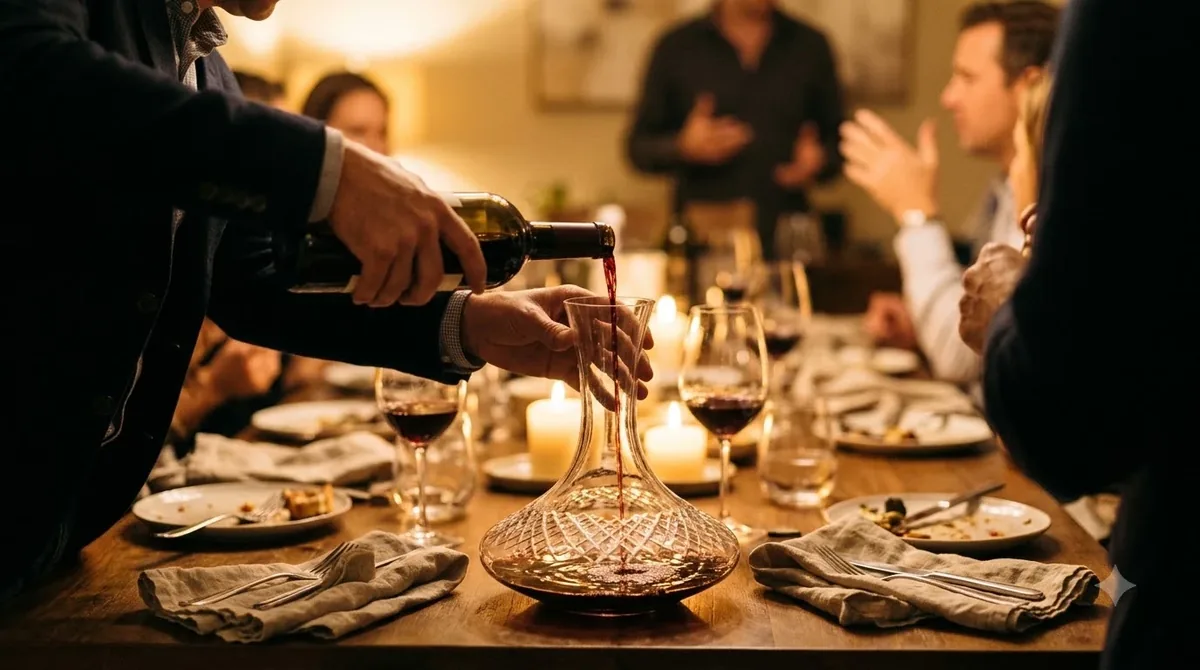
Many drinkers find that decanting for about 30 minutes softens the tannins and opens the aromas, especially in a firmer bottle. A younger wine may also benefit from a short rest in the glass. Store unopened bottles in a cool, dark place, and drink most of them within three to five years of the vintage unless the label says otherwise.
Food Pairings for Dolcetto
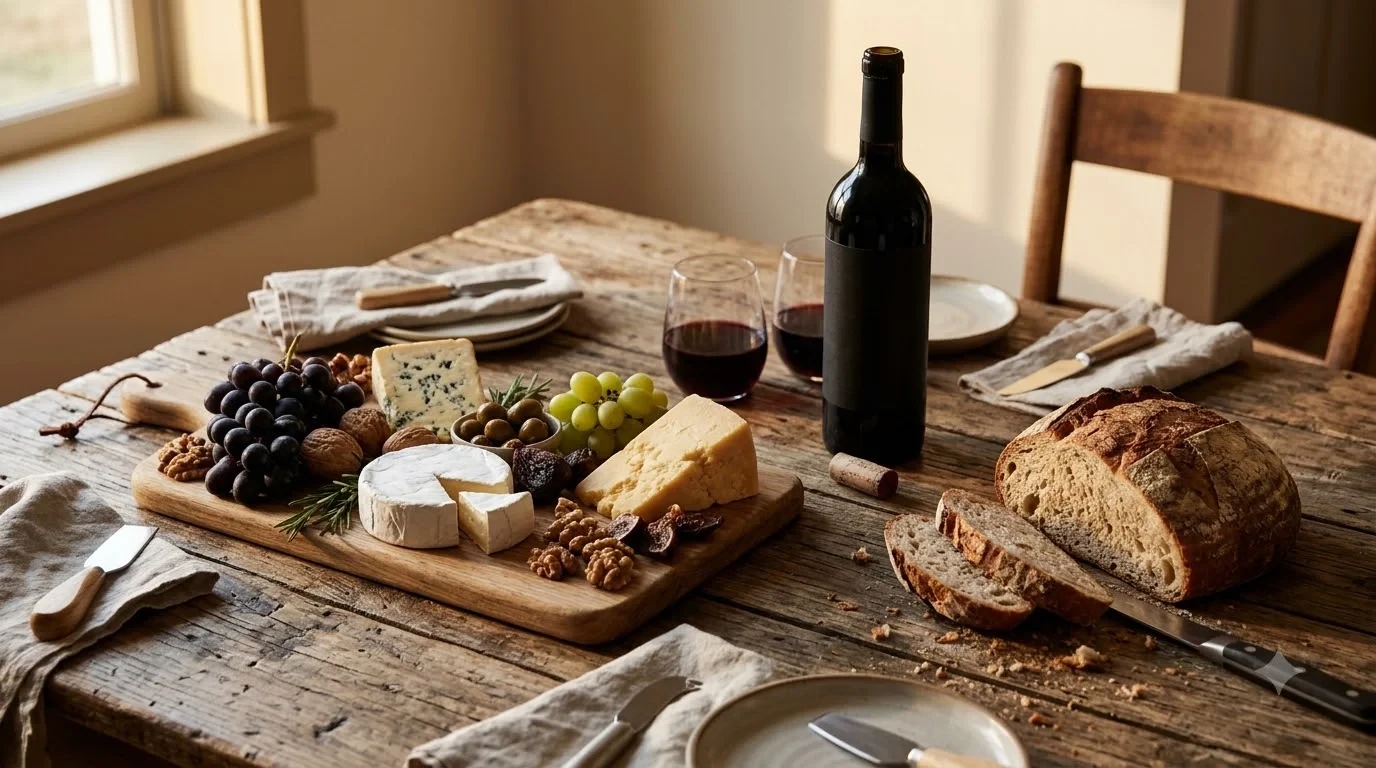
Dolcetto is often described as one of Italy’s classic food wines, and it fits well with the everyday dishes of Piedmont. Its moderate tannin and low acidity make it a good partner for richer, dark meats such as roast pork, rabbit, or braised beef. It also works with vegetable dishes that have concentrated flavor, such as roasted tomatoes, eggplant, and garlic.
For a simple match, try it with pasta in a meat or tomato sauce, a plate of cured salami, or aged cheeses that are not too sharp. Avoid very spicy dishes, because the wine’s soft fruit can get lost under heat. Light seafood is usually a poor match, since the red fruit and tannin feel heavy next to delicate flavors.
How to Choose a Bottle
Start with the label. A Dogliani or a Dolcetto d’Alba is a safe choice for an everyday dinner, while a Superiore bottling suits a longer meal or a gift. Read the vintage as well, since Dolcetto is usually at its best within a few years of harvest. Older bottles are rare and can show dried fruit and earthy notes.
Look at the producer’s notes as well. Many Piedmont estates describe the fruit character, the oak use, and the intended drinking window on the back label or in the technical sheet. Those details give a better guide to what is in the glass than the grape name alone, especially when you are trying a new producer for the first time.
Price varies widely across the Piedmont DOCs, so compare the producer and the style rather than focusing on one number. For background on the grape and its traits, the Wine Folly Dolcetto guide is a clear starting point.
Dolcetto Compared With Nearby Piedmont Reds
Dolcetto is easy to confuse with its neighbors, because all of them come from the same hills. Barbera is the most common comparison. It usually brings higher acidity, a sour-cherry edge, and more lift on the palate, which makes it a good match for tomato-based dishes. Dolcetto is rounder and less sharp, so it suits a relaxed dinner or a meal that does not need a lot of acid.
Nebbiolo sits at the other end of the scale. It has high tannin, firm acidity, and a long aging curve, and it is the grape behind Barolo and Barbaresco. Dolcetto is far gentler, and many estates grow it precisely because it is ready to drink while Nebbiolo is still resting in the cellar. If you want a Piedmont red for tonight, Dolcetto is usually the simpler choice. If you want a wine to age for a decade, look to Nebbiolo instead.
Taste the three side by side if you can. A Dolcetto, a Barbera, and a young Nebbiolo make a clear lesson in how one region can produce very different reds from different grapes.
Frequently Asked Questions
Is Dolcetto a sweet wine?
No. Dolcetto wines are almost always dry. The name is often linked to “little sweet one,” but the sweetness refers to the fruit character rather than residual sugar in the finished wine.
Is Dolcetto the same as Barbera?
No. Both are Piedmont reds, but Barbera usually has higher acidity and a more pronounced sour-cherry character. Dolcetto is softer and rounder, with lower acidity and a plum-and-cocoa profile.
Should I chill Dolcetto before serving?
A short time in the fridge helps. Serve it around 60 to 68 degrees Fahrenheit, which is a little cooler than many reds served at room temperature.
How long can I keep a bottle of Dolcetto?
Most bottles are best within three to five years of the vintage. Superiore and Dogliani bottlings can handle more time in the cellar, but they are not designed for long aging like Barolo.
Dolcetto is a practical choice for anyone who wants an Italian red that is easy to drink with dinner. Start with an Alba or Dogliani bottle, pair it with roasted vegetables or a meat sauce, and then explore the rest of the grape’s range. To see how it compares with other Italian varieties, visit the wine by type guide, or read about the cortese grape for a white Piedmont alternative.
More in Wine Types & Grapes
 Zinfandel Sugar Content: Dry Red vs. White Zinfandel GramsUpdated Nov 21, 2026
 Best Zinfandel Substitute Options for Sipping and CookingUpdated Nov 21, 2026
 Zweigelt Food Pairing: Best Dishes, Cheeses, and Serving TipsUpdated Nov 21, 2026
 Zinfandel Tannins Explained: How Structure Shapes Every BottleUpdated Nov 21, 2026
 Zinfandel Sweetness Level: Dry Red vs. Sweet White Zin ExplainedUpdated Nov 21, 2026
 Xinomavro Food Pairing: Best Dishes, Styles, and Serving TipsUpdated Nov 21, 2026